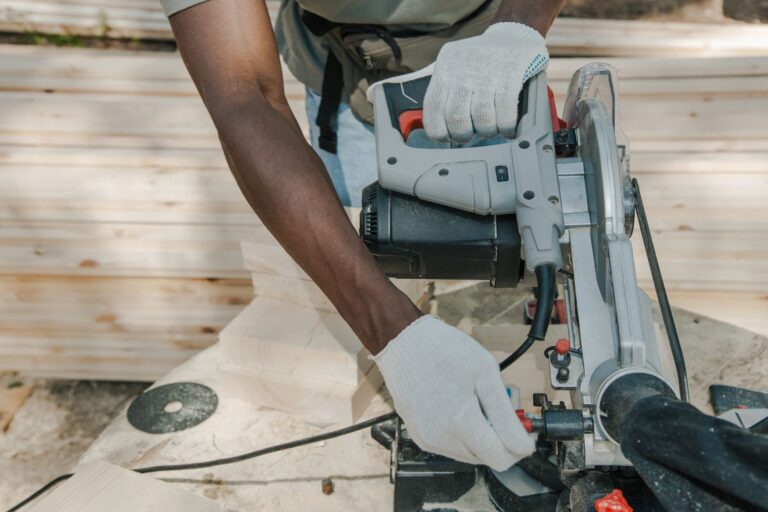
Before the first cut, keep the bar nose out of the wood, grip the saw with both hands, and wear protection that can absorb a sudden strike. A kickback can happen in a split second, so the setup has to be right before the chain starts moving.
Gear, inspection, stance, and cutting order all matter on home jobs, storm cleanup, and tree work. These chainsaw safety tips suit anyone who wants fewer surprises and safer cuts.
The Main Hazards Behind Chainsaw Injuries
Most serious chainsaw injuries start at the bar tip, where the chain can grab and throw the saw back toward you. That movement is fast enough to reach your face, arm, or chest before you can react.
The moving chain, kickback, and loss of control are the main injury paths, according to NIOSH. OSHA also flags falls, struck-by hits from limbs, and problems that happen while starting or carrying the saw. Deep cuts and amputations happen because the chain keeps moving until something stops it.
Kickback Starts At The Bar Nose
The upper front quadrant of the guide bar is the danger zone. When that area hits wood, brush, or a hidden branch, the chain can grab and pivot the saw toward you like a snapped spring.
Low-kickback chain design and a reduced-kickback bar can lessen the force, but they don’t make sloppy work safe. The chain brake helps after kickback begins, yet it can’t fix a bad cut angle or poor body position.
Falling Material Creates A Second Threat
Limbing and storm cleanup bring overhead hazards that have nothing to do with the chain itself. Dead branches, bent trunks, and hung-up limbs can drop or roll once the cut releases tension.
Slippery ground makes that worse. Wet soil, hidden limbs, and unstable footing raise the odds of slips and struck-by injuries, according to Texas A&M Forest Service safety materials, so the plan has to cover the wood around the saw, not just the saw.
Injury Numbers Reflect The Risk
Thousands of people go to emergency care for chainsaw injuries in the United States each year. OSHA and NIOSH both treat chainsaw work as high risk because the damage can be severe in a matter of seconds.
That’s why training and attention matter even on small jobs. A compact saw still cuts fast, still kicks back, and still punishes one bad angle.
Once the hazards are clear, the next layer of protection comes from the gear on your body.
Visible risks are only half the story; proper gear adds the margin that keeps mistakes from becoming injuries.
Protective Gear That Belongs On Every Job
A helmet, eye protection, hearing protection, leg protection, gloves, and sturdy boots should be on before the engine starts or the battery clicks in. PPE doesn’t replace skill, but it can turn a bad strike into a less severe injury.
Personal protective equipment is part of a safe system, not a standalone fix, according to OSHA and NIOSH. The saw can still bite through a careless cut, yet the right gear buys time and reduces damage.
Head, Face, And Eye Protection
A hard hat with a face screen helps with falling twigs and flying chips. Safety glasses still belong under mesh protection, because tiny chips and dust can slip past an open screen.
For storm cleanup or felling, a full helmet matters even more. A dead limb dropping from above can strike harder than the chain ever will.
Hearing, Hand, And Leg Protection
Chainsaws can push noise levels high enough to damage hearing over time. Ear muffs or plugs cut that load, especially during longer limbing sessions where the saw stays at full throttle.
Heavy gloves improve grip and help with brush rash. Chainsaw chaps or chainsaw pants cover the front of your legs with cut-resistant fibers that can jam the chain long enough to reduce injury depth.
Boots And Clothing That Stay Out Of The Way
Choose sturdy boots with traction and ankle support. Steel toes can help in some jobs, but slip resistance matters just as much on wet soil or sawdust-covered pavement.
Close-fitting clothing lowers snag risk. Loose cuffs, dangling cords, and baggy sleeves can catch on brush or recoil into the chain path. For beginners, that detail matters more than brand names or saw size.
Pick PPE to match the job, not the weather. Storm cleanup needs head and leg coverage for falling debris, while limbing calls for eye, hearing, and cut-resistant leg protection close to the stem.
That gear works best when the saw itself is in good shape, which brings inspection and setup into focus.
Even good protection depends on the machine underneath it, so careful inspection comes before every cut.
Inspection, Chain Care, And Saw Setup
A two-minute pre-cut inspection catches more trouble than force ever will. Check the chain, bar, brake, controls, and fuel or battery condition before the saw touches wood.
Sharp, tensioned chain on a sound saw cuts cleaner and pulls less hard, and that point shows up again in guidance from OSHA, Penn State Extension, and STIHL. Cleaner cutting means less binding, less vibration, and less fatigue in your hands and shoulders.
Pre-Cut Checklist For The Saw
- Chain sharpness A dull chain pulls you off line and forces extra pressure.
- Chain tension A loose chain can derail, while a tight chain overheats and strains the bar.
- Bar condition Look for burrs, wear, and a clogged groove.
- Chain brake Test that it engages and releases before the cut.
- Controls Check throttle lock, trigger return, and stop switch.
- Lubrication Confirm the oiler feeds the bar and chain.
Chain tension is more than convenience. Too much slack lets the chain whip and possibly leave the groove; too little slack overheats the drive links and increases failure risk. That mechanical stress can show up as vibration in your hands, which makes control worse over a long day.
Fuel, Battery, Transport, And Storage
Gas saws should be fueled outdoors with the engine cool and ignition sources away from the fill area. A hot muffler and spilled fuel are a bad pair, and the smell of vapor around a running saw is your cue to stop and reset.
Battery saws need dry contacts, a charged battery, and a secure fit before work starts. During transport, engage the chain brake, switch off the power, and keep the bar pointed away from your body. Store the saw with the cover on and the chain out of reach.
Keep the chain sharp even when it feels counterintuitive. A dull chain makes you push harder, and that extra force raises fatigue, kickback exposure, and the chance of a crooked cut.
With the saw set, body position becomes the next safety barrier.
A sound saw still demands control from the operator, and posture is where that control begins.
Starting, Stance, And Body Positioning
Start the saw on firm ground or with a secure hold, never by tossing it into motion. The chain brake should be engaged during startup, and the bar should stay clear of brush, boots, and your legs.
Stable footing and two-handed control cut the chance of loss of control, and that direction lines up with USDA Forest Service guidance and OSHA rules. A balanced stance gives the saw somewhere to react without taking your upper body with it.
Safe Starting Positions
On the ground, place one foot through the rear handle, left hand on the front handle, and right hand on the starter. On a supported start, the saw should sit on a secure surface with no chance of the chain touching anything.
Never use a dropped start. That method leaves less control, more swing, and less room for a mistake if the engine fires early.
Control Comes From Two Hands And A Wide Base
Keep your left thumb wrapped under the front handle and your right hand on the rear handle. That grip helps you resist the torque that shows up when wood pinches the chain or the tip starts to climb.
Stand with feet apart and knees soft. Hold the saw close to your body so your arms do not become long levers that magnify kickback or vibration.
Keep The Bar Out Of The Kickback Zone
Stand to the side of the cutting line, not behind the bar nose. That position keeps the saw from coming straight toward your face if the upper quadrant catches.
Shoulder-height cuts are a bad trade. They reduce balance, hide the bar path, and invite contact with your head, neck, or torso. The U.S. Forest Service and OSHA both treat that posture as unsafe for routine work.
Once the stance is solid, the cutting method has to match the task in front of you.
Balance and grip set the stage, but the real safeguard is matching technique to each cut.
Safer Cutting For Limbing, Crosscutting, And Felling
Every job creates a different hazard pattern. Limbs spring back, logs pinch bars, and standing trees have lean, wind, and hidden tension that can close a cut without warning.
Tree felling safety starts long before the back cut. A clear escape route, a check of the lean, and a read on compression and tension wood help the trunk move where you expect.
Limbing Along A Felled Stem
Work from the trunk outward and keep your face and body away from branches under load. Cut small limbs in a way that keeps the bar from riding into rebound.
Spring poles deserve caution. A bent branch can snap back like a loaded bow, and the chain path should never sit where that recoil will travel.
Bucking Logs Without Pinching The Bar
Support the log so the kerf stays open. When a log rests on both ends, cut from the compression side with care so the bar does not get trapped as the wood closes.
Wedges help when the cut starts to pinch. They keep the kerf open and reduce bar bind, which matters on larger hardwood or storm-fallen stems with uneven support.
Felling With A Planned Exit
Before the face cut, clear two retreat paths about 45 degrees behind the planned fall line. Those paths give you a way out if the tree sits back, twists, or barber chairs.
Look up, not just out. Dead tops, broken limbs, and nearby snags can move once the stem begins to fall, and wind can change the tree’s path in seconds.
Storm Debris And Bad Weather
Wet ground, ice, and tangled storm debris make every move less stable. Hidden tension in bent limbs is common after wind damage, and that stress can release like a snapped cable.
Low visibility adds another layer of risk. If you cannot read the wood, the footing, or the escape path, the saw should wait until conditions improve or help arrives.
That judgment matters even more for beginners and for anyone using an electric saw.
Some tasks leave less room for error, especially when experience is limited or power tools change the feel.
Beginner Mistakes, Electric Saws, And When To Stop
Most early mistakes are simple and expensive: one-handed use, rushed cuts, dull chain work, and cuts above shoulder height. Those habits turn a manageable tool into a moving hazard.
Electric chainsaw safety follows the same rules as gas saw work. The power source changes, but the chain, the kickback zone, and the need for PPE stay the same.
Common Beginner Errors That Raise Risk
- One-handed cutting You lose control the moment the wood shifts.
- Shoulder-height work Your balance weakens and the kickback path rises toward your face.
- Rushing the feed Force makes the chain bind and pulls the saw off line.
- Dull chain use Extra pressure increases fatigue and bar pinch.
- Poor footing Slips turn small mistakes into serious ones.
- Ignoring bystanders The work zone should stay clear before the chain starts moving.
A sharp chain bites cleanly and throws less debris than a dull one. A dull chain also tempts you to lean harder, which is how control drops even before the saw stalls.
Electric Saw Cords And Batteries Need The Same Discipline
Corded saws need the cord kept clear of the cutting path and out of standing water. A cut cord can shock you or leave you standing with a live tool in hand.
Battery saws need dry hands, a locked pack, and a dry place to swap batteries. The quiet motor can make you careless, but the chain still moves at dangerous speed.
Step Back When The Job Changes Shape
Fatigue, poor light, sudden wind, and hidden spring poles are valid reasons to stop. Reduced awareness and loss of control are warning signs, according to OSHA and NIOSH.
Call a professional for tall trees, heavy storm damage, hung-up stems, or any cut that needs climbing, rigging, or a crane. A job that needs more force than your footing can handle is already beyond safe DIY work.
Stop the moment the saw starts fighting you. A pinched bar, a shifting stem, or a spot where your retreat path disappears is a sign to clear the area and step away.
That cutoff point is the hardest part of chainsaw safety tips, because good judgment can feel slower than cutting. It’s also the part that keeps a manageable job from turning into an ambulance call.
That caution is worth keeping, because judgment often prevents the call no one wants to make.
Wrap Up
The safest cut starts before the chain moves. Good gear, a sharp and checked saw, stable footing, and a clear escape path do more than lower risk; they keep you in control long enough to finish the job cleanly.
FAQ
What are the safety tips for chainsaws?
Wear full PPE, inspect the saw, start it with a secure hold, and keep both hands on the tool. Stay out of the bar nose path, cut at a stable stance, and stop work when footing, weather, or fatigue starts to slip.
What are the 7 safety tips for using a chainsaw?
Seven solid rules are: wear PPE, inspect the saw, sharpen the chain, test the brake, start it safely, keep two hands on the saw, and stay clear of kickback and pinch zones. Those habits cover the biggest injury routes.
What are common chainsaw safety mistakes?
The big errors are one-handed cutting, shoulder-height cuts, dull chain use, poor footing, rushing, and skipping the chain brake check. Each one cuts control and raises the chance of kickback, binding, or a struck-by hit from falling wood.
How do you prevent chainsaw kickback?
Keep the bar nose away from wood and brush, hold the saw with both hands, and stand slightly to the side of the cutting line. A sharp chain, proper tension, and a working chain brake help, but body position does the real work.
When should you stop and hire a professional for tree work?
Step back when the tree is tall, leaning badly, tangled in other limbs, hung up after a storm, or near power lines. A pro is also the right call when climbing, rigging, or heavy equipment enters the job.
Are electric chainsaws safer than gas chainsaws?
Electric saws can be quieter and simpler to start, but the chain still cuts the same way and kickback still happens. PPE, stance, inspection, and cut planning stay the same, so the safety gap is smaller than many people assume.