3l hydration bladders matter most when you want steady water access without a bulky bottle digging into your pack. You feel the difference on trail days, bike commutes, long training routes, and packed travel days where stopping often is a hassle. The right reservoir depends on tube routing, valve feel, pack fit, and how easy it is to clean after muddy or dusty use. This roundup keeps the focus on those practical details, so you can match the right setup to your routine.
The Shortlist At A Glance

Source M.C. 3L Ultimate Low Profile Hydration System

TPU Hydration Bladder 2L/70 oz and 3L/100 oz
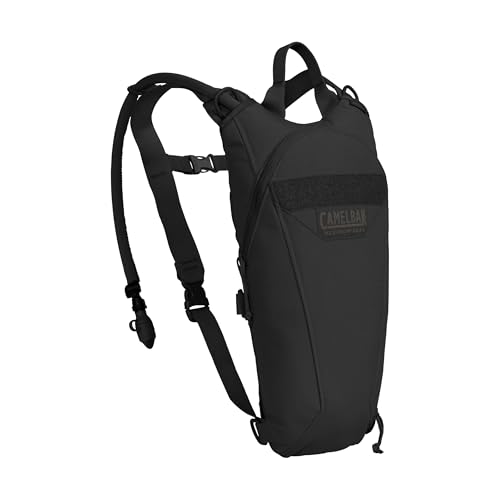
CamelBak ThermoBak Tactical Hydration Pack

Badlands Hydration Reservoir with Insulated Drinking Tube
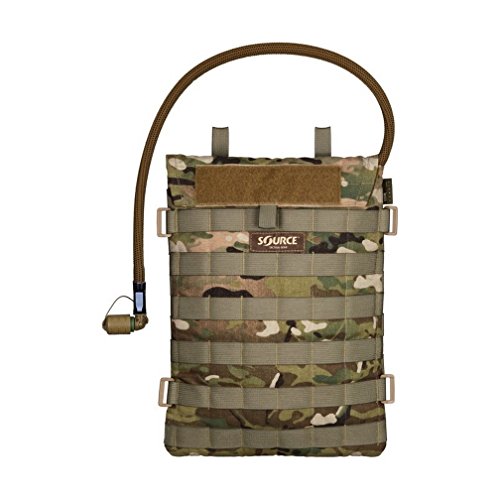
Source Razor 3L Low Profile Hydration Pack

Source Tactical WXP 3L Low Profile Hydration System Upgrade Kit

UTOBEST Hydration Bladder Water Bladder UTR201
CamelBak 3-Liter Lumbar Water Reservoir
NOOLA Hydration Hiking Backpack with 3L Water Bladder
More Details On Our Top Picks
Source gives you a reservoir setup that feels built around real movement, not just storage. The low-profile shape helps it sit closer to the pack, and the valve options make it easier to match your own drinking style on long walks, range days, or all-day trail work.
The Helix valve uses a rounded mouthpiece that does not need exact alignment, while the Storm valve uses a push-pull design with shutoff control and easier cleaning access. Compared with the simpler TPU bladder in item 2, this one is aimed at people who care more about hardware feel and valve choice than bare-bones simplicity.
Strong Points
- Valve choices let you match the drink setup to how you move.
- The low profile shape helps reduce pack bulk against your back.
- The angled valve setup can reduce tube swing across the chest.
- Helix and Storm compatibility adds useful flexibility for different routines.
Things To Consider
- More moving parts mean a little more attention during cleaning.
- The feature set makes it a bit more involved than basic bladders.
Feature Snapshot
Who It Suits Best
You get the most from this setup when you want a low-profile reservoir with flexible valve choices for hiking, tactical use, or steady daily carry.
Where A Sibling Pick Shines
Source Razor 3L Low Profile Hydration Pack fits better for you if you want a simpler Source setup without the extra refill and clip accessories.
This TPU bladder is aimed at simple pack use, with sizing that covers both shorter outings and longer carry days. TPU, or thermoplastic polyurethane, usually brings a flexible feel that suits people who want a lighter, less fussy reservoir.
The insulated hose and high-flow bite valve make it a sensible fit for hikes, camping trips, and workaday backpack use. Compared with Source M.C. in item 1, you give up the more specialized valve ecosystem, but you get a more straightforward bladder that stays easy to slot into a standard hiking pack.
What We Like
- Two capacity choices make it easier to match your pack and trip length.
- The insulated hose helps suit cooler-tube preferences on warmer routes.
- The high-flow bite valve supports quicker drinking during movement.
- Its plain layout works well in everyday hiking backpacks.
Small Caveats
- The listing gives less detail than the more feature-heavy Source models.
- You may want to check hose routing inside tighter packs.
Details At A Glance
Built With In Mind
You fit this bladder best when you want a straightforward reservoir for hiking, camping, or travel packs without extra hardware complexity.
Another Choice May Suit
Badlands Hydration Reservoir with Insulated Drinking Tube suits you better if keeping the tube insulated matters more than having multiple capacity options.
The ThermoBak leans toward serious field use, with a low-profile layout and a Mil-Spec Crux reservoir that suits long carry days. Mil-Spec refers to military specification language, so you can read it as gear built to a stricter equipment profile than a casual daypack add-on.
That makes sense for tactical work, outdoor jobs, and heavy-duty commuting where gear has to stay tucked in and stay out of the way. Compared with the softer-use TPU bladder in item 2, this pack-style option is for people who want a more structured carry setup from the start.
Highlights
- The low-profile format helps the pack sit close during movement.
- The reservoir is sized for long, water-heavy days away from refill points.
- The pack format gives you a more integrated carry experience than a loose bladder.
- It suits work, training, and field environments better than casual day hikes.
Worth Noting
- The structured setup is less casual than a stand-alone reservoir.
- It makes most sense when you want the whole pack, not just the bladder.
Technical Sheet
Right Fit For
You get the best match here when you need a structured hydration pack for field work, training, or long outdoor shifts.
Swap It Out When
Source M.C. 3L Ultimate Low Profile Hydration System fits better if you want more valve control and a more modular reservoir setup.
Badlands keeps the focus on the drinking line, which is where a lot of real-world comfort lives on hot, dry routes. Hydrafusion technology is meant to insulate the tube, and the Surge Valve is designed to keep flow steady without drips while it sits unused.
That makes this a natural fit for summer hikes, wildlife outings, or any day where a warm hose gets annoying fast. Compared with the more modular Source picks, this one is less about accessory flexibility and more about a simple, practical tube-and-valve setup.
Bright Spots
- The insulated tube is the headline feature, and it has a clear use case.
- The valve is built for steady sipping rather than messy drips.
- It suits hot-weather hikes and long daytime carry better than plain tubes.
Minor Gripes
- Care around hose storage matters more with insulated tubing.
- The listing centers on tube performance, so accessory detail is light.
Core Details
Whose Shelf It Belongs On
You fit this reservoir best when you spend time outdoors in warm weather and want the drinking tube to stay more comfortable.
Look Elsewhere When
NOOLA Hydration Hiking Backpack with 3L Water Bladder suits you better if you want the reservoir and daypack together in one setup.
The Razor keeps things stripped down in a way that works well for people who dislike extra bulk. Its low-profile shape makes sense for fast hikes, bike rides, or any outing where you want the reservoir to stay close and quiet inside the pack.
Compared with the more accessory-heavy Source M.C. in item 1, this version feels easier to place and forget. The trade-off is that you are leaning more toward simple carry than the valve variety and refill extras found in the newer Source setup.
Upsides
- The slim shape suits close-fitting packs and active movement.
- It keeps the focus on simple hydration instead of extra hardware.
- Low-profile gear often feels easier to pack around other items.
Areas To Watch
- You get less feature detail than with the newer Source system above.
- People who like special valve choices may want a different layout.
Feature Rundown
Perfect Match For
You suit this pack if you want a simple, low-bulk reservoir for active days and do not need a lot of add-ons.
Skip It When
Source M.C. 3L Ultimate Low Profile Hydration System makes more sense if you want the broader valve and refill setup.
The WXP upgrade kit is for people who already have a system in mind and want more flexibility at the tube connection point. A universal tube adaptor helps it work as a connector-focused upgrade, which is handy for gear setups that need compatibility more than a full new pack.
That makes it a practical choice for tinkerers, replacement planning, or tactical kit owners who like to keep parts interchangeable. Compared with the Source Razor in item 5, this one is less about a full low-profile pack and more about improving an existing hydration arrangement.
Reasons To Buy
- The universal adaptor adds useful flexibility for mixed gear setups.
- It works well as an upgrade path instead of a full replacement.
- Source’s low-profile approach suits restrained carry profiles.
Softer Spots
- You need an existing setup or a clear plan for how to integrate it.
- People wanting a complete standalone pack may prefer another pick.
Key Specs
Who Should Grab It
You fit this kit best when you already know your pack setup and want a more adaptable tube connection.
Reach For A Different Pick When
UTOBEST Hydration Bladder Water Bladder UTR201 is the easier route if you want a simpler bladder for casual hiking and biking.
UTOBEST keeps the pitch plain, and that works for a lot of everyday hiking and training use. PEVA, or polyethylene-vinyl acetate, gives you a flexible bladder material, and the BPA-free note matters to people who care about the material list in a simple pack.
The high-flow bite valve and easy-clean design make this a practical option for running, cycling, camping, and casual backpack use. Compared with the Source and CamelBak picks above, you give up some brand-specific hardware depth, but you get a straightforward bladder that stays easy to explain and easy to live with.
Best Bits
- The listing points to easy cleaning, which helps with regular use.
- The high-flow valve supports quick sips during active outings.
- It fits several outdoor routines without asking for much setup time.
- The material callout gives you a clearer sense of what you’re carrying.
Room For Improvement
- The product page is light on deeper construction details.
- You may want to double-check hose length for your pack layout.
Core Details
Who Will Love This
You will like this most if you want a plain reservoir for hiking, running, cycling, or camping without extra complexity.
A Better Fit Elsewhere
Badlands Hydration Reservoir with Insulated Drinking Tube suits you better if keeping the drinking line insulated matters more than a straightforward bladder body.
The lumbar shape changes the whole carry feel, and that matters for pack systems worn at the waist or low on the back. Faster flow rate and the Big Bite valve suggest a setup meant for quick sipping, while the BPA-free material note keeps the focus on simple, familiar reservoir use.
Compared with the standard vertical bladders in items 1 and 7, this one makes more sense for lumbar packs and trail runners who want weight carried lower. The catch is that a lumbar profile is only a good fit when your pack is built for it, so placement matters more here than on a conventional bladder.
Plus Points
- The lumbar shape works well with waist-mounted hydration systems.
- The Big Bite valve supports fast, easy sipping.
- It feels more purpose-built than a generic vertical reservoir.
- Faster flow helps during running and steady movement.
Points To Note
- The lumbar format only makes sense in the right pack layout.
- You’ll want to confirm that your pack accepts a low, wide reservoir.
At A Glance
Best Suited To
You fit this reservoir best when your pack uses a lumbar layout and you want the bladder to sit lower on your back.
Another Choice May Suit
NOOLA Hydration Hiking Backpack with 3L Water Bladder suits you better if you want the reservoir built into a full carry pack.
NOOLA bundles the reservoir with a 25L pack, which changes the use case from simple hydration to a full daypack setup. That works nicely for cycling, running, and short hikes where you want storage, water, and a few carry extras in one place.
The rain cover, phone holder, and trekking pole holders give it a more complete travel profile than the bladders above. Compared with the reservoir-only options, this is the easier pick for people who want fewer separate pieces to manage on a busy outing.
Positives
- You get both a pack and a 3L bladder in one setup.
- The 25L pack size gives you room for day-trip carry.
- Rain cover support helps make the package more useful in changeable weather.
- Phone and pole storage features add everyday convenience on the trail.
- The all-in-one format keeps packing simple for casual outings.
Honest Caveats
- The full pack design is more involved than a stand-alone reservoir.
- You may not need the extra storage if you only want water carry.
- More built-in features can mean more to keep track of after trips.
Feature Card
The Right Fit
You suit this backpack best when you want hydration and daypack storage together for running, biking, or trail use.
Consider Something Else When
Badlands Hydration Reservoir with Insulated Drinking Tube is the cleaner fit if you only want a reservoir and tube, not a whole backpack.
How To Choose The Right 3l Hydration Bladders
Start With How You Carry Water
Your first choice is shape, because a reservoir that fits your pack badly becomes annoying fast. Standard vertical bladders work for most hiking packs, while lumbar shapes suit waist-mounted systems and low-back carry. Low-profile designs matter for people who move a lot and do not want the bladder sloshing around like a loose water pillow.
Tube length and valve placement matter just as much. A shorter tube can reduce bounce on the chest, while a rotating valve helps you place the mouthpiece where you want it. That sounds small, but on a long ride or steep climb, small things become the whole story.
Look Closely At Valve Style And Cleaning
Valves change how the bladder feels in use, especially during fast walking, running, or bike training. Bite valves suit quick sips, push-pull styles feel familiar to many hikers, and shutoff mechanisms help reduce drips during transport. The trade-off is maintenance, since more valve parts usually mean more cleaning attention.
Cleaning access deserves real attention in a 3L reservoir, because leftover taste or trapped moisture becomes more noticeable in regular use. People who camp often or carry water every day usually benefit from a bladder that opens widely or breaks down more easily. Simple setups are easier to live with, but more advanced valve systems can be worth it for convenience and control.
Match Capacity To Your Routine
Three liters gives you enough carry volume for long trail sessions, warm-weather hikes, or a full day of moderate use. That capacity can also feel like a lot for short errands, so daily commuters or light walkers may prefer a smaller carry feel inside the same pack class. The point is to avoid overpacking water you will not want to haul around.
Pack size matters alongside reservoir size. A 3L bladder in a compact daypack can feel tight, while the same bladder in a purpose-built hydration pack sits much better. In other words, fit is a system choice, not just a bladder choice.
Decide How Much Gear Integration You Want
Some people want only the reservoir and hose, especially when replacing a worn bladder in an existing pack. Others get more value from an integrated hydration backpack with pockets, rain cover, or phone storage. The upgrade is worth it when you want one organized carry system instead of separate items to manage.
Source, CamelBak, Badlands, and NOOLA each lean toward a different kind of ownership. Source favors modular feel and valve variety, CamelBak leans structured and purpose-built, Badlands focuses on the drinking tube, and NOOLA wraps hydration into a full pack. The best choice is the one that matches how much of your kit you want bundled together.
What To Weigh Before You Commit
Common Shopping Slip Ups
The easiest mistake is buying by capacity alone and ignoring the pack shape. A 3L reservoir still needs tube routing, storage space, and a valve position that fits your movement.
Another common miss is overlooking cleaning access. A reservoir that is awkward to dry or rinse quickly becomes a chore, especially after dusty hikes or sweaty training days.
Where The Extra Money Goes
Higher-tier models usually pay for better valve systems, tougher materials, and more integrated pack layouts. You also see the difference in comfort details like low-profile shaping, insulated hoses, or smarter tube management.
That upgrade pays off for people who carry water often, use the setup in rougher conditions, or want fewer annoyances during packing. For occasional weekend use, a simpler bladder often makes more sense.
Frequently Asked Questions
What does a 3L bladder usually suit best?
A 3L bladder suits longer hikes, bike rides, and active days where you want a fuller water supply. It also works well in hydration packs built to hold more gear.
Is a lumbar reservoir different from a standard one?
Yes, a lumbar reservoir is shaped for lower-back or waist-pack carry. You should use it with a pack designed for that layout.
Do insulated tubes really matter?
They matter most in warm conditions or on exposed routes. The tube can feel more comfortable when the sun stays on your pack for hours.
What makes cleaning easier?
Wider openings, simpler valve parts, and easier hose access all help. A bladder that dries more cleanly is easier to keep in regular rotation.
Should you choose a standalone bladder or a full hydration backpack?
A standalone bladder suits you when you already own a compatible pack. A full backpack suits you better when you want storage, water carry, and extra organization in one piece.
Closing Thoughts
You have a lot of good 3l hydration bladders here, but the right one depends on how you actually move. For pure reservoir value, the TPU and UTOBEST options keep things simple. For more specialized use, Source, CamelBak, and Badlands each bring a different kind of carry logic. Match the bladder to your pack, your route, and how much cleaning you’re willing to do after the day ends. That’s the part that saves you frustration later.