You need metal hole cutters that match the material in front of you, not just the size on the box. A cramped electrical panel, a stainless backsplash, or a stack of sheet metal each asks for a different kind of cutter, and the wrong match turns a quick job into a slow grind.
This roundup keeps the focus on fit, durability, and everyday handling. You’ll see fixed-size saws, adjustable cutters, and carbide-tipped sets, so you can line up the tool with the work instead of forcing the work around the tool.
The Shortlist At A Glance
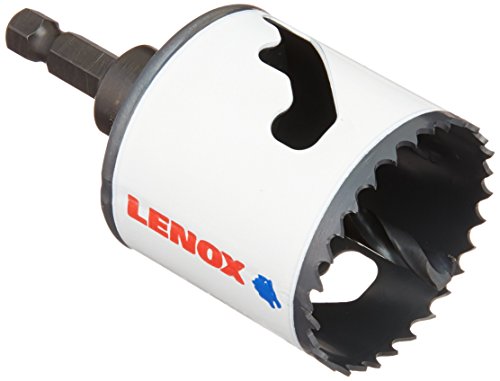
LENOX Tools 2-Inch Hole Saw with Arbor

Klein Tools 89552 Adjustable Hole Cutter

Greenlee 645-7/8 Quick-Change Carbide-Tipped Hole Cutter
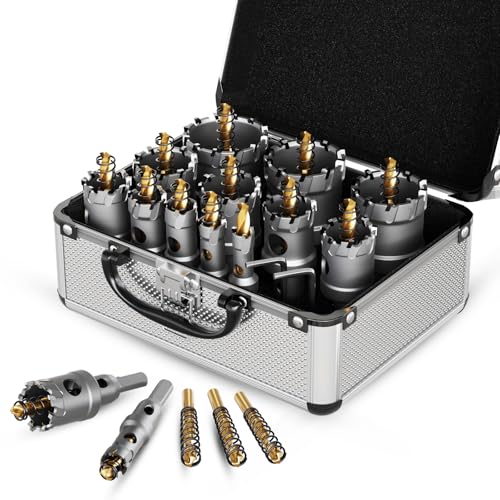
GSTK Heavy Duty Carbide Hole Saw 14 Pcs

GSTK Heavy Duty Carbide TCT Hole Saw Kit 10Pcs

GSTK Hole Saw 8 PCS for Metal

DECKRKAT 2-Pack 1-1/8-Inch TCT Hole Saws

DECKRKAT 2-Pack 1-1/2-Inch TCT Hole Saws
More Details On Our Top Picks
For routine panel openings or bracket work, this fixed 2-inch saw keeps the decision simple. The included arbor gives you the mount point between drill and cutter, so you’re not piecing together extras just to get started.
The Speed Slot style is a practical touch for clearing slugs and debris, and that matters when you’re moving between holes in a busy garage or job cart. It’s a steadier fit for general-purpose use than the more specialized carbide sets later in this list, though you give up the flexibility of adjustable diameter options.
Strong Points
- Straightforward 2-inch size for repeat openings.
- Arbor included, which helps shorten setup time.
- Speed Slot design makes cleanup less fussy.
- Good match for common shop and maintenance tasks.
Things To Consider
- Fixed diameter limits you to one opening size.
- Best suited to lighter-duty metalwork than the carbide sets here.
Core Details
Who It Suits Best
You’ll get the most from this one in maintenance work, light fabrication, or weekend repairs where a 2-inch cut is the goal and not much else.
Where A Sibling Pick Shines
Klein Tools 89552 Hole Cutter makes more sense for anyone who needs many diameters from one tool instead of a single fixed opening.
Adjustable cutters change the game for mixed-size work, and this Klein model reaches from 2 to 12 inches. That spread matters in a shop that sees ventilation openings, electrical pass-throughs, and odd retrofit sizes, because you can stay with one tool instead of swapping through several fixed saws.
The listed cutting range for 24-gauge steel and 26-gauge stainless gives you a clear lane for thinner sheet work. The trade-off is plain enough, it’s more specialized than a simple hole saw like the LENOX pick, so this fits best where range matters more than speed.
What We Like
- Adjusts across a wide 2 to 12 inch span.
- Works across more than one opening size, which cuts down tool changes.
- Suited to thin steel and stainless sheet tasks.
- Useful for installers who face mixed dimensions in one day.
Worth Noting
- More setup involved than a single-size cutter.
- Best aligned with thinner stock rather than thicker plate.
- Storage can take a bit more care because of the adjustable layout.
Feature Snapshot
Right Fit For
You’ll appreciate this most in installation work, especially in thin sheet metal settings where hole size changes from one job to the next.
Swap It Out When
LENOX Tools 2-Inch Hole Saw with Arbor is the simpler choice for everyday tasks that only call for one repeat size.
This Greenlee cutter is built around a small 7/8-inch opening, so it fits jobs where precision matters more than broad size range. The carbide-tipped edge, with tungsten carbide teeth, is the kind of detail that usually appeals to trades work on stainless and other hard sheet materials, where standard saws can feel underbuilt.
Quick-change hardware is the big convenience here, especially for service calls or production-style work where every minute spent on swapping parts adds up. The honest trade-off is obvious, it serves a narrower role than the Klein adjustable cutter, but it should feel more focused for tight, repeated openings.
Highlights
- Carbide-tipped edge suits harder metal surfaces.
- Quick-change setup helps speed up bit swaps.
- Compact 7/8-inch size works well for small openings.
- Strong fit for stainless-focused tasks.
Points To Note
- Single-size tool, so flexibility stays limited.
- Best matched to smaller cutouts rather than larger openings.
- Carbide teeth deserve careful storage to protect the cutting edge.
Technical Sheet
Built With In Mind
You’ll like this most for metal service work, panel fabrication, or any small stainless opening where a tidy cut matters more than versatility.
Another Choice May Suit
Klein Tools 89552 Hole Cutter fits better for installers who need one adjustable tool for a wider spread of diameters.
Kit-based buyers often want coverage first, and this 14-piece GSTK set leans into that need. Along with the cutters, you get two titanium-plated pilot center drills and two L-wrenches, so the package is built to help you stay organized when a job calls for more than one opening size.
That setup makes sense in a fabrication bay, a maintenance cart, or a garage where hard metal projects come up often. The trade-off is weight and parts management, because bigger kits usually need a little more care in storage than a single saw like the LENOX pick.
Best Bits
- Fourteen-piece layout covers more tasks in one kit.
- Extra pilot drills help keep the setup moving.
- L-wrenches are included for the mounting process.
- Useful for shops that prefer one stored kit over loose parts.
- Good match for repeated hard-metal work.
Room For Improvement
- More pieces mean more storage discipline.
- Large kits can feel like overkill for one-off projects.
- Setup takes longer than a fixed-size cutter.
Feature Card
Whose Shelf It Belongs On
This belongs with maintenance techs and metalworking hobbyists who want one storage box for a wider range of hard-material cuts.
Look Elsewhere When
Greenlee 645-7/8 Quick-Change Carbide-Tipped Hole Cutter makes more sense for compact stainless work where a smaller, focused tool is enough.
This 10-piece GSTK kit trims the package down while keeping the hard-metal focus intact. You still get two extra titanium-plated pilot center drills and two L-wrenches, which helps the set feel ready for workshop use without as much bulk as the 14-piece version.
That balance works well in home garages and smaller service trucks where space matters. The trade-off is simple, the smaller kit gives you less variety, so it’s less flexible than the larger GSTK bundle but easier to store and sort.
Positives
- Smaller kit is easier to store neatly.
- Extra pilot drills support setup and replacement needs.
- Good fit for hard-metal jobs that stay fairly consistent.
- Less bulk than the 14-piece GSTK kit.
Small Caveats
- Ten pieces cover less ground than the larger GSTK set.
- Still more involved than a single hole saw.
- Kit parts need sorting after use to avoid missing pieces.
Spec Overview
Made For
You’ll get the most out of this in compact shops, service vans, or garage tool cabinets where a leaner kit is easier to manage.
Reach For A Different Pick When
GSTK Heavy Duty Carbide Hole Saw 14 Pcs is the better call for you if broader accessory coverage matters more than compact storage.
Eight pieces puts this GSTK set in a middle ground that feels friendly to home shops and light trade work. The listing points to six drill saws, two extra pilot center bits, and two springs, so you’re getting a mix of cutters and support parts rather than only the cutting heads.
That variety helps when you’re keeping one kit on hand for iron, stainless, and other hard materials, though the smaller component count keeps it more modest than the 14-piece GSTK bundle. A little organization goes a long way here, especially after repeated use in a busy toolbox.
Bright Spots
- Eight-piece format stays manageable in everyday storage.
- Includes extra pilot center bits for added support.
- Springs add useful hardware to the kit layout.
- Good middle-ground choice for home and light shop use.
Areas To Watch
- Less expansive than the larger GSTK kits.
- Kit parts can be easy to scatter without a labeled case.
- Accessory mix may feel light for heavy production work.
Details At A Glance
The Right Fit
This suits DIYers and light maintenance work where you want a compact kit for a few common metal tasks.
Skip It When
GSTK Heavy Duty Carbide Hole Saw 14 Pcs makes more sense for you if you want broader kit coverage and more accessory depth.
Small-diameter cutters are handy in tight layouts, and this DECKRKAT two-pack keeps the job focused at 1-1/8 inches. The spring-loaded pilot drill bits matter because they help manage the cut path, which is useful when you’re working in cramped metal enclosures or drilling a pair of matching openings.
Compared with the larger GSTK kits, this one is far more specific, and that’s the point. You trade breadth for a compact pair that fits cleanly into a smaller toolbox, though the narrow size range means it won’t cover a general-purpose install by itself.
Plus Points
- Two-pack format suits repeat small openings.
- Spring-loaded pilot bits help guide the cut.
- Compact size fits tight work areas well.
- Easy to store alongside a drill kit.
Honest Caveats
- Very narrow use case compared with adjustable cutters.
- Best for smaller openings, not broad project coverage.
- Pair of cutters means you may still need other sizes nearby.
Feature Rundown
Who Should Grab It
This suits installers and home fixers who keep running into small, repeatable holes in metal cabinets, brackets, or enclosures.
Where A Sibling Pick Shines
Klein Tools 89552 Hole Cutter is the better fit for you if one adjustable tool matters more than a dedicated small-size pair.
At 1-1/2 inches, this DECKRKAT pair moves into a more forgiving mid-size opening, which helps in bracket work, panel cutouts, and similar everyday jobs. The spring-loaded pilot drill bits add control in the same way as the smaller DECKRKAT set, but the larger diameter gives you a bit more breathing room during layout.
For most garage and light trade projects, that middle size lands in a useful spot. You still get the compact two-pack format, yet the 38mm size opens the door to slightly bigger cutouts than the 1-1/8-inch version, so the choice mostly comes down to the hole size you need most.
Reasons To Buy
- 1-1/2-inch size fits a wider range of mid-size openings.
- Two-pack format keeps the set easy to store.
- Spring-loaded pilot bits help with control during cutting.
- Good middle step between small and broad-purpose kits.
Minor Gripes
- Still a narrow-size tool compared with adjustable models.
- Best kept for the specific opening size it was made for.
- You may need a second size on hand for varied projects.
Core Details
Best Suited To
You’ll get the most out of this pair in light fabrication, enclosure work, and garage projects that call for a mid-size opening.
Not Your Match When
Greenlee 645-7/8 Quick-Change Carbide-Tipped Hole Cutter makes more sense if your work stays small and stainless-focused.
How To Choose The Right Metal Hole Cutters
Match The Cutter To The Metal
Thin sheet steel, stainless sheet, and harder alloys do not behave the same way. Adjustable cutters like the Klein Tools 89552 make sense for thin-gauge sheet work, while carbide-tipped options suit harder surfaces and repeated openings in a shop setting.
The material call matters as much as the diameter. A cutter sized right but built for softer stock can feel slow, grabby, or just plain underprepared, so start with the metal first and the shape second.
Choose Fixed Size Or Adjustable
Fixed-size saws are easy to store and quick to grab, which is why the LENOX 2-Inch and the DECKRKAT two-packs feel so straightforward. They work well when you keep hitting the same opening over and over.
Adjustable models cover more ground, but they also ask for more setup and more attention. That trade makes sense for installers and retrofit work, not for someone who only needs one clean opening in the same size each week.
Think About Accessory Support
Pilot drills, arbors, springs, and wrenches change the way a cutter lives in your toolbox. The GSTK kits show why, because extras can save you from hunting for small parts in the middle of a job.
More accessories usually mean more organization, though. A compact single saw is easier to keep track of, while a larger kit rewards you only when you keep the pieces sorted and ready.
Size Matters More Than It Seems
A 7/8-inch cutter, a 1-1/8-inch cutter, and a 1-1/2-inch cutter serve very different jobs, even though they look similar on a shelf. Small diameters suit panel work and tight enclosures, while mid-size cutters make more sense for common pass-throughs and light fabrication.
That’s why a clear opening plan matters before you shop. You save yourself the annoying moment where the cutter arrives, then turns out to be just a little too small or too large for the hole you actually need.
Things Worth Knowing First
Mistakes Worth Dodging
One common slip is choosing by brand alone and ignoring the actual cut size. Another is buying a set with many parts before you’ve confirmed you need that much range, which only adds clutter to the toolbox.
It also helps to check the thickness and type of metal you’re working with. A cutter built for lighter sheet work can be the wrong call for stainless or hard metal, even when the diameter looks right.
What The Higher Tier Buys
Higher-tier cutters usually spend money on carbide edges, better pilot hardware, and cleaner quick-change or setup parts. That tends to matter in stainless, hard metal, or repeated daily use, where a rough tool wastes time and wears you down.
The upgrade is worth it when the cutter sees real rotation instead of a once-in-a-while project. For light household tasks, a simpler saw often makes more sense and keeps storage easier.
Closing Thoughts
Metal hole cutters look similar at first glance, but the right one depends on opening size, metal type, and how often you reach for it. The fixed LENOX and DECKRKAT picks keep life simple, the Klein adjustable cutter gives you range, and the GSTK sets help when you want a fuller kit around the drill. Pick the tool that fits your most common job, and the rest of the work tends to feel smoother.