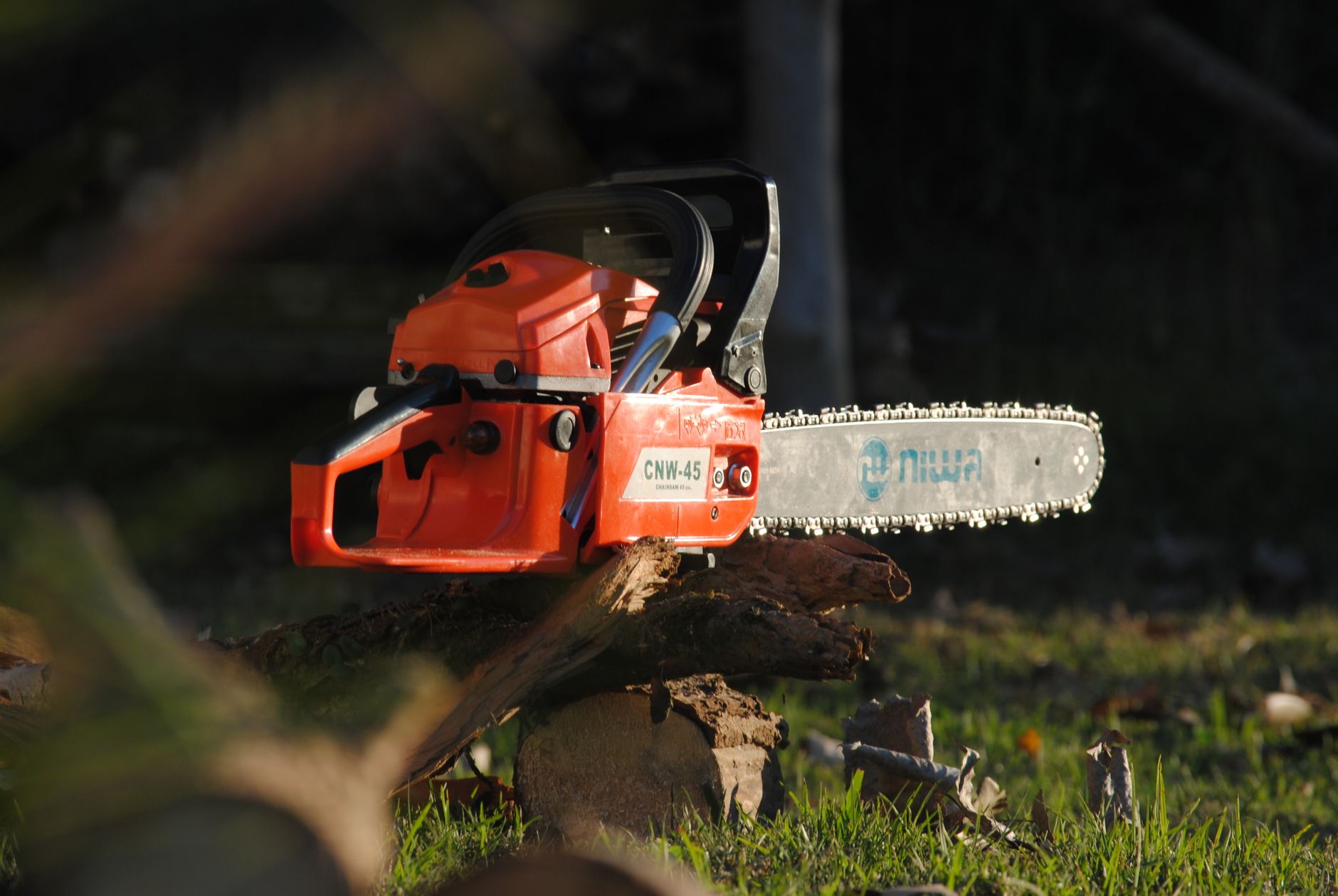

A properly filed chain, a straight bar, and the right tension keep the saw cutting cleanly and the safety parts working as intended. It also keeps heat down, reduces wear, and helps the saw last longer through regular use.
That matters after storage, before storm cleanup, and any time the saw starts making dust instead of chips. The steps below cover gas, electric, and battery models, along with the signs that point to worn parts, bad lubrication, or a chain that’s ready for replacement.
The Core Checks Every Saw Needs
Five minutes before startup can save a lot of trouble later. The bar, chain, sprocket, guards, handles, and chain brake all deserve a quick look before the engine fires.
OSU Extension and Oregon Tool point to the same core pattern: a sharp chain, correct tension, solid lubrication, and clean parts around the clutch cover and cooling fins. That combination keeps the saw cutting straight and helps the powerhead avoid unnecessary heat.
Inspect The Cutting End And Drive Parts
Cracked drive links, missing teeth, bent cutters, and a bar groove packed with grit are all warning signs. A chain that rides unevenly or shows blue heat marks has already started to punish the bar and sprocket.
The guide bar matters because it holds the chain in line. Worn rails, a damaged nose sprocket, or a loose drive sprocket can make the saw wander or throw the chain under load.
Clear Dust And Pitch Before Heat Builds
Brush out sawdust, pitch, and oily debris from the body, air intake, clutch cover, and cooling fins. Fine debris acts like a blanket around the cylinder and clutch, and trapped heat shortens part life.
STIHL and Husqvarna both warn that blocked air paths hurt performance fast. A clogged intake also makes the engine work harder, so the saw can feel weak even before it stalls.
Test The Safety Controls Every Time
The chain brake should snap on and release cleanly, and the throttle lockout should not stick. The chain catcher and handles also need a quick look because broken guards or loose grips turn a routine cut into a bad day.
OSHA safety training treats these checks as part of normal operation, not extra caution. That’s the right mindset, because a saw in good repair starts with parts that stop the chain when your hand or body needs that margin.
Once those basics are sound, chainsaw maintenance checklist items like sharpening and bar fit start to matter more than anything else.
Sharpening restores cutting speed, while a proper fit keeps the bar from wasting power under load.
Sharpening, Tension, and Bar Wear
A dull chain forces extra pressure on the saw, and that raises fatigue, heat, and kickback risk. Oregon State University Extension notes that a sharp chain cuts faster and leaves cleaner chips, while bad filing can make the saw pull to one side.
Chain work is geometry as much as it is sharp metal. Cutter angle, top-plate length, raker height, and matching file size all affect how the chain bites, so a rough touch-up can do more harm than waiting to sharpen at all.
Keep Cutter Geometry Even
Use the file size that matches the chain pitch, then keep left and right cutters the same length. A chain that drifts left in a log often has uneven teeth, not a bad bar.
The physics is simple: uneven cutters load one side first, so the saw twists. That twist shows up as vibration, crooked cuts, and faster wear on the drive system.
Set Tension On A Cold Chain
Adjust tension with the saw off and the chain cool. OR-OSHA guidance says the chain should stay seated in the bar groove yet still move by hand once the brake is released.
Too loose invites derailment. Too tight adds friction, heats the bar, and pulls wear into the clutch and sprocket. A chain also stretches a bit during break-in, so check it after the first tank or two.
Watch The Bar Before It Fails
A bar can wear out long before it looks ruined. Burrs on the rails, a packed groove, or a nose sprocket that binds are early signs that the chain is no longer tracking cleanly.
Flipping the bar during service can spread wear more evenly, and light rail dressing can extend useful life. If the bar no longer holds adjustment, the rails or groove are too worn for safe use.
A chain that throws fine dust instead of chips is telling you something. Stop, sharpen, check raker height, and inspect for dirt or metal damage before the next cut.
With the cutting end set right, lubrication becomes the part that saves the bar from heat.
Heat builds quickly when oil runs low, so protecting the chain starts with a steady lubricant film.
Lubrication That Protects The Chain And Bar
Bar-and-chain oil isn’t optional, and general-purpose oil is a poor stand-in. It has to cling at chain speed, stay on the bar rails, and carry heat away from the cut.
OSU Extension, STIHL, and Husqvarna all point to the same rule: keep the reservoir filled, confirm oil flow, and clean the outlet, groove, and oil hole so the working parts stay wet. Dry metal wears fast, and the nose sprocket feels that first.
Use The Right Oil For The Job
Choose the bar oil named by the manufacturer or a quality equivalent made for chainsaws. That lubricant is thicker than motor oil and built to stay in place as the chain flings around the bar nose.
Temperature matters too. Cold weather can thicken oil, while hot weather can thin it, so some saws need a different grade as the season shifts.
Check Flow Before The Bar Runs Hot
Point the tip at a clean surface and watch for a thin oil line during operation. A dry chain, pale bar color, or hot nose means the oiler or passage needs attention.
Stop the cut the moment the bar starts smoking or discoloring. That heat can score the rails, glaze the drive links, and damage the clutch-side bearing.
Keep The Oil Path Open
Scrape the bar groove, clear the oil hole, and clean the sprocket area under the clutch cover. That buildup traps grit, and grit turns good oil into grinding paste.
Regular cleaning also helps the oil reach the links, the sprocket nose, and the bar rails. That small job does a lot of expensive work in the background.
Once lubrication is steady, the type of saw you own starts to change the rest of the routine, and chainsaw maintenance gets more specific.
Different power sources wear differently, which is why petrol, electric, and battery saws each need their own habits.
Routine Care For Petrol, Electric, And Battery Saws
Gas saws need fuel-system and ignition care, while electric and cordless models shift the focus to power supply, contacts, and storage. The manual matters here because service intervals and wear points change with the drive system.
STIHL and ECHO separate owner tasks from shop work for a reason. A clogged filter, stale fuel, or weak spark can feel like a carburetor problem when the real issue is plain maintenance.
Petrol Models Need Air And Fuel Attention
Clean or replace the air filter on a regular schedule, since a dirty filter starves the engine and worsens cooling. Check the fuel filter, spark plug, and spark arrestor screen, too, because each one can affect idle and throttle response.
Two-stroke fuel mix has to match the manufacturer ratio, not shop folklore. Too much oil leaves deposits, and too little oil scars the engine over time.
Cordless Saws Need Battery Care
Keep battery contacts clean and dry, and store the pack where heat and deep discharge will not shorten service life. A weak battery can mimic a dull chain because the saw loses speed under load.
Also inspect the charger cable and terminals for wear. Poor contact raises resistance, and resistance robs power before the chain even reaches the wood.
Electric Saws Still Need Cleaning
Dust-clogged vents, frayed cords, and sticky switches can still slow down a plug-in saw even without fuel upkeep. A packed cooling path can make an electric motor run hotter than it should.
That split in upkeep lines up with how often to service a chainsaw, because good care works best on a rhythm you can repeat.
Because wear never arrives evenly, a regular cadence keeps small tasks from piling into bigger repairs.
A Simple Schedule For Daily, Weekly, And Seasonal Service
A clean schedule beats memory every time. Daily checks catch quick wear, weekly work handles the cutting system, and seasonal service deals with storage and worn parts before they strand you in the middle of a job.
North Dakota State University Extension and OSU Extension both favor this kind of cadence because it keeps small faults from stacking up. chainsaw maintenance works best when each task has a place on the calendar.
After Each Use
- Brush Off Debris. Clear chips and pitch from the body, clutch cover, and cooling fins before they harden.
- Check Oil Supply. Top off bar oil and look for a dry chain or overheated bar after the cut.
- Store It Dry. Wipe the saw down and keep it covered in a dry spot away from dust.
Weekly Or After Heavy Use
- Inspect Tension. Recheck chain slack with the saw cool, then reset it before the next cut.
- Touch Up The Edge. Sharpen cutters before they turn wood dust into a chore.
- Clean The Filter. Remove or wash the air filter so the engine can breathe and cool.
Seasonal Service
- Review Wear Parts. Check chain, bar, sprocket, plug, and filters for service limits.
- Prepare Storage. Drain old fuel on petrol models or follow the manual for your exact system.
- Inspect Controls. Recheck brake action, switches, and handles before the next work season.
That schedule also gives you a clean way to judge chainsaw maintenance cost, because service needs change with wear.
As hours add up, worn parts become easier to spot and cheaper to replace before they fail.
Replacement Signs That Save Money Later
Some parts are meant to wear out, and waiting too long costs more than swapping them on time. A chain with stretched drive links, a bar with rail damage, or filters that no longer clean up well can drag down the whole saw.
USDA Forest Service maintenance guidance treats chain, guide bar, sprocket, air filter, and spark plug as routine wear items. That list makes sense because each part affects cutting force, heat, and vibration in a different way.
Replace The Chain Before It Starts Fighting Back
Install a new chain when it will not sharpen cleanly, stretches too fast, or cuts unevenly even after careful filing. Deeply worn rivets, bent cutters, or damaged drive links make the saw work harder for less result.
A tired chain also raises fuel use and fatigue. The saw feels sluggish because the cutters stop pulling their share.
Replace The Bar When Tracking Gets Sloppy
Swap the bar when the rails are badly worn, the groove is damaged, or the nose sprocket binds. A bar that needs constant adjustment and still runs loose is telling you the rail set is past service.
Uneven wear can start on one side only, especially if you cut with the bar tip buried or skip cleaning the groove. The damage spreads from there.
Do Not Ignore Small Wear Parts
Replace air filters, plugs, and chain brake parts when performance drops after cleaning and adjustment. A stubborn idle, weak acceleration, or rough stop often traces back to a cheap part, not a big engine failure.
That saves money because a worn filter or plug can mask a larger issue long enough to damage other parts. From here, the next question is whether a job belongs in your hands or in a shop.
That choice often comes down to risk, since some repairs are simple while others call for specialist tools.
DIY Tasks, Pro Service, And Typical Costs
You can handle cleaning, sharpening, tensioning, and basic inspection at home when the saw is in decent shape. Carburetor work, major engine issues, and badly worn drive components belong with a shop that can set the saw up correctly.
University of Missouri Extension splits service the same way because the risk changes with the repair. A simple tune-up is one thing, but a clutch, carburetor, or crank issue can turn into a larger fault fast.
Tasks That Fit Home Care
File the chain, clean the bar groove, inspect the sprocket, and test the brake. Those jobs need patience more than specialized tools, and they keep the saw in shape between bigger services.
A chain gauge, round file, flat file, depth-gauge guide, bar wrench, and scrench cover most of the routine work. Add a small brush and compressed air, and you can clear debris where it hides.
Jobs That Belong In A Shop
Carburetor adjustment, fuel-system repair, clutch work, and crankcase problems need proper setup and parts. A saw that stalls, floods, or will not hold idle after fresh fuel and a clean filter points past basic maintenance.
That’s also where the chain brake band, clutch drum, and rim sprocket deserve a closer look. Those parts affect both safety and drive quality.
What Service Can Cost
| Service Task | What It Covers | Cost Range |
|---|---|---|
| Basic tune-up | Cleaning, inspection, sharpening, tension, filter check | Low to moderate |
| Wear-part swap | Chain, bar, sprocket, plug, filters | Moderate, plus parts |
| Carburetor or fuel-system repair | Adjustment, gasket work, cleanup, replacement parts | Moderate to higher |
| Major engine repair | Internal diagnosis, seals, bearings, clutch-side work | Higher |
Service cost depends on model type, parts, and how far the damage has spread. Basic tune-ups cost less than parts-heavy repairs, and early care usually keeps you on the cheaper side of that range.
Once you can see how far the damage has spread, the smartest repair path usually becomes obvious.
What To Remember
Good chainsaw maintenance isn’t a one-time tune-up. It’s a repeatable habit of cleaning, checking, sharpening, and replacing wear parts before they fail under load. Keep the chain sharp, the tension correct, the oil moving, and the safety controls working, and the saw will cut straighter, run cooler, and last longer.
FAQ
What kind of maintenance does a chainsaw need?
You need routine cleaning, chain sharpening, tension checks, bar and sprocket inspection, lubrication checks, and safety control tests. Petrol saws also need air filter, fuel filter, spark plug, and fuel-system care.
What do you lubricate a chainsaw with?
Use bar-and-chain oil made for saws, or a quality equivalent that matches the manufacturer’s instructions. That oil sticks to the chain better than general-purpose oil and protects the bar, drive links, and nose sprocket from heat.
How often does a chainsaw need to be serviced?
Check it before every use, clean it after each use, and inspect chain tension and sharpness weekly or after heavy cutting. Seasonal service should cover wear parts, storage prep, and any fuel or battery care your model needs.
How much should chainsaw servicing cost?
Basic service usually costs less than repairs that involve the fuel system, clutch, or major engine parts. The bill rises with model complexity, parts use, and how long the saw has been run with worn components.
How do you know when a chainsaw chain or bar needs replacing?
Replace the chain when it will not sharpen properly, stretches too quickly, or cuts unevenly after careful filing. Replace the bar when the rails are worn, the groove is damaged, or the nose sprocket binds.