
Cut size, runtime, noise, and distance from power usually decide which option fits the job. A battery saw is usually the easiest pick for pruning and light yard work, while a gas saw keeps cutting through bigger logs and longer sessions without needing a charger nearby.
That choice also depends on the wood in front of you and the space around it. This breakdown compares corded electric, battery electric, and gas for home use, firewood, and storm cleanup.
The Two Tool Categories That Solve Different Jobs
That split begins with where the cutting happens. Corded electric saws fit short, steady jobs near a house, garage, or shop, while battery models suit mobile yard work and gas saws fit remote or sustained cutting where fuel is easier than charging.
Bar length and wood size often matter more than the label on the box. A sharp 14-inch saw can beat a longer, duller setup on small limbs.
Corded and Battery Electric Serve Different Needs
A corded saw delivers steady power through the whole cut, but the cord sets the boundary. That makes it a smart fit for trimming near an outlet, cutting storm limbs in a driveway, or sawing stacked branches beside a shed.
Battery models trade cord handling for pack limits. Brushless motors from EGO Power+, Milwaukee M18 Fuel, DeWalt FlexVolt, and Makita XGT can handle real yard work, but pack size and load decide how long that power lasts.
Gas Still Rules Remote, Heavy Work
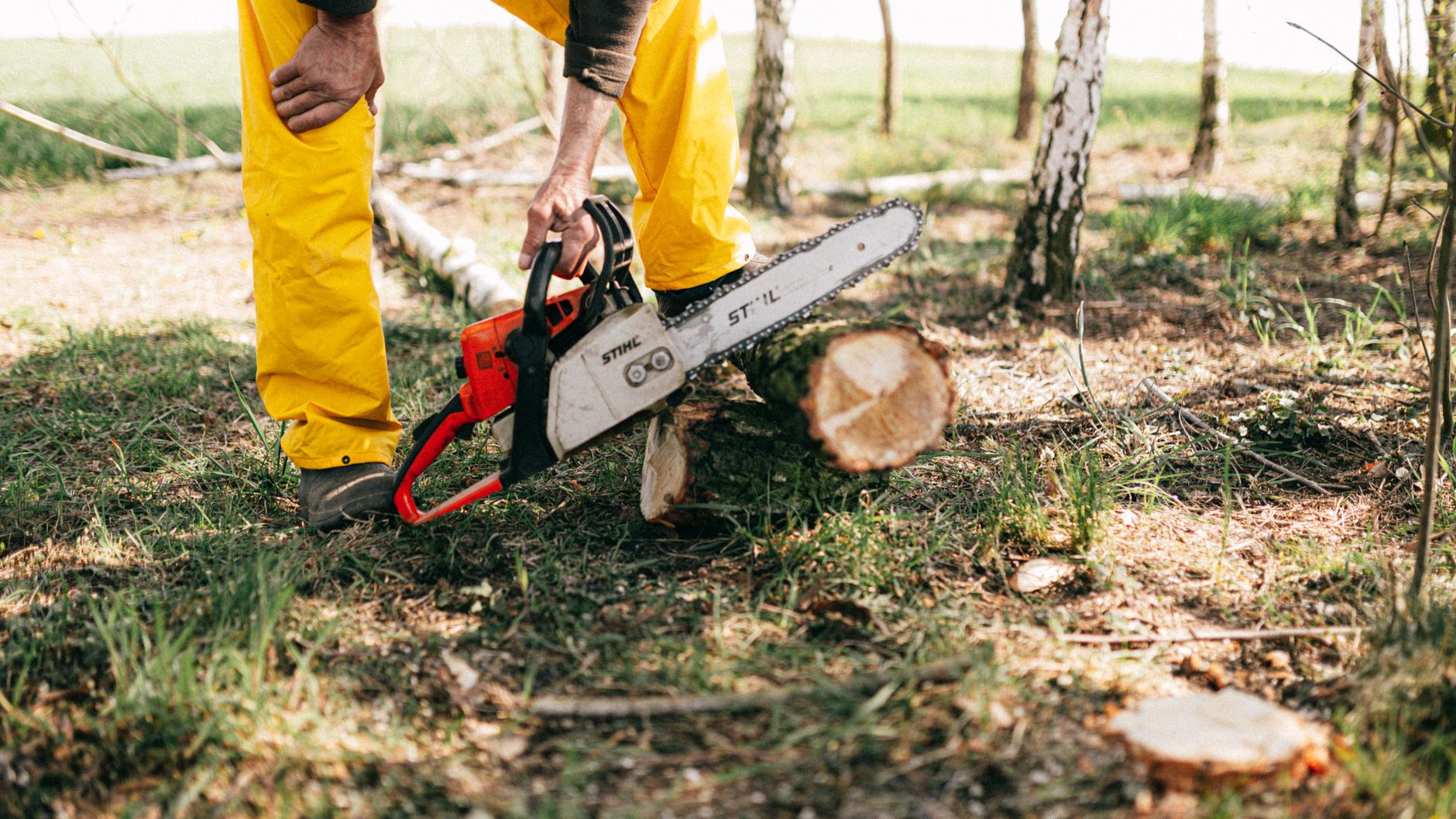
Gas saws use a two-stroke engine, mixed fuel, and a starter rope, but they bring more mobility. That matters on rural property, during storm cleanup, and on long firewood sessions where a cord or charger would slow everything down.
Stihl and Husqvarna both position gas models for larger wood and longer duty cycles, while Oregon State University Extension Service and the U.S. Consumer Product Safety Commission stress task matching over brand loyalty. The right saw starts with the work in front of you, and that same logic carries into cutting speed.
That same match between task and tool also determines how much blade you can safely put into the cut.
Cutting Power in Real Wood, Not Marketing Terms
Fresh limbs, dry oak, and knotty pine do not ask the same thing from a saw. Cutting speed depends on chain sharpness, bar length, motor output, and how well the saw holds chain speed under load.
Gas chainsaws usually keep their edge in heavy, sustained cuts. Battery and corded electric models still handle trimming, limbing, and many home jobs with less fuss, which is why the task matters more than the badge.
Limbing and Trimming Favor Quick Starts
Short cuts punish idle time more than raw horsepower. A battery saw starts with a trigger pull, so setup takes less effort when trimming shrubs, clearing a downed branch, or cleaning a fence line.
Electric models also cut cleanly through small-diameter wood because the chain spends less time buried in the kerf. That keeps the cut from bogging down, especially when the chain is sharp and the rakers are set right.
Sustained Bucking Pushes Gas Ahead
Long sessions change the job. Gas saws hold output better as the cut deepens, which helps when you buck firewood, fell a trunk, or run through dense hardwood for more than a few minutes at a stretch.
The University of Tennessee Extension notes that performance in wood depends on the whole system, not just advertised power. Engine output, chain type, and bar length work together, so a larger gas saw can keep chain speed up where a smaller electric unit starts to labor.
Chain Sharpness Can Outrun Brand Labels
A sharp chain bites faster than a dull one no matter which power source you use. That is a physics issue, not a branding one, because dull cutters turn more of your energy into heat and dust instead of chips.
Keep the chain sharp and the rakers within spec. A clean cut lowers strain, cuts down on bogging, and tells you more about performance than the motor label does.
Once cutting load is clear, the next limit shows up in bar length and the diameter of the wood you actually plan to cut.
When the cut gets bigger, the saw’s reach and the wood’s diameter become the real constraints.
Bar Length, Wood Diameter, and the Limits of the Saw
A longer bar extends the practical reach of the saw, while wood diameter marks the limit you keep running into. A longer bar can span a thicker log in one pass, but it also adds weight and makes control harder.
That tradeoff explains why a saw can feel strong in the shop and cramped on a larger tree. The job size, not the label, sets the ceiling.
Match the Bar to the Wood You Cut
A 12 to 14 inch bar fits pruning, limbs, and small logs around a yard. A 16 inch bar handles general home use better, while 18 to 20 inches starts to fit bigger firewood and bigger trunks.
Husqvarna and Stihl both point to wood diameter as the guide, not maximum bar length. Oversizing the bar without enough power drops chain speed, which can make the saw slow and awkward.
Larger Hardwood Exposes Small Electric Limits
Dense oak, maple, and hickory ask for more torque than a small electric powerhead can hold for long. A battery saw may still cut them, but the pace falls once the kerf gets deep and the pack voltage sags under load.
That same saw can still shine on limbs and cleanup. The limit shows up when repeated plunges, deep bucking cuts, and hard wood start to stack up faster than the motor can stay happy.
Weight Rises With Reach
A longer bar does more than extend reach. It shifts balance forward, which makes nose control harder and fatigue build faster in your arms, shoulders, and lower back.
Oregon State University Extension Service points out that control matters as much as capacity. A saw that fits the wood and your skill level is safer and faster than one that looks powerful on paper, and that brings runtime and portability into the picture.
Even a capable saw can fall short if it cannot stay working long enough or travel easily to the site.
| Task | Practical Bar Range | Fit |
|---|---|---|
| Pruning and limbing | 12 to 14 inches | Light electric and small gas saws |
| General yard cleanup | 14 to 16 inches | Battery or corded electric |
| Firewood and bucking | 16 to 18 inches | Battery with spare packs or gas |
| Large logs and storm debris | 18 to 20 inches or more | Gas with enough torque and experience |
Runtime, Fuel Supply, and Portability in the Field
Battery runtime, cord reach, and gas refueling are three different kinds of mobility. Each one changes how long you can keep cutting before the job stops for a power reset.
That difference matters during storm cleanup, remote property work, and long firewood sessions. A saw that starts fast but quits after one pack can feel better than gas for a quick trim, then worse than gas once the work stretches past an hour.
Battery Time Depends on Load
Battery chainsaw runtime changes with wood type, chain sharpness, temperature, and how hard you lean on the tool. Light limbing can stretch a pack far longer than repeated plunging in wet hardwood.
STIHL battery documentation and field guidance point to the same reality: extra packs or charging access decide whether battery power stays convenient or turns into downtime. Cold weather also drags pack output down, which shows up as early cutoff in winter work.
Corded Power Stays Steady Near an Outlet
A corded saw does not need recharging, and it does not need fuel mixing. It just needs a safe extension cord and enough outlet access to cover the work zone.
That makes it a strong fit for small yards, garage cleanup, and any job near a shop. The tradeoff shows up the moment you step past the cord length or start dodging branches and vehicles.
Gas Refuels Fast in Remote Places
A gas can turns into range, which is why gas saws remain the standard in many field operations. Fuel can be carried, shared, and poured in a minute, while a charger needs electricity and time.
The U.S. Forest Service treats that self-sufficiency as a core reason gas remains common for remote work. Once mobility is settled, comfort and upkeep start shaping the real ownership experience.
Long days in the field make comfort costs harder to ignore, especially when weight and fumes add up.
For storm debris on a large lot, carry two fuel options or two charged packs. The work rarely stops where the saw does.
Noise, Exhaust, Weight, and Day-to-Day Comfort
Gas exhaust adds a point-of-use air burden, while electric saws avoid direct exhaust during use. That difference matters in a driveway, near a garage, or anywhere the air around the cut stays close.
Electric models are also quieter, lighter, and easier to start. Those three traits can matter as much as raw cutting speed when making short cuts before breakfast or cleaning up brush along a fence.
Cleaner Air at the Saw Matters
EPA guidance on small engines explains that gasoline equipment emits exhaust pollutants during use. Electric tools avoid that direct tailpipe output, so the air at the work spot stays cleaner.
That can matter in a barn, a workshop, or a tight suburban lot. Less exhaust also means less smell on your clothes and less exposure for anyone standing nearby.
Weight and Start-Up Shape Comfort
Electric chainsaws often weigh less because they skip the engine, fuel system, and pull-start hardware. A lighter saw matters on a ladder, on a slope, or during a long cleanup day where the saw gets lifted over and over.
Start-up is simpler too. Pull the trigger, squeeze the chain brake, and cut, which is a lot easier than a cold engine, choke setting, and warm-up routine.
Noise Level Changes Where You Can Work
A quieter saw helps in neighborhoods with close lot lines. It also reduces the fatigue that creeps in after repeated cuts, because high noise adds strain even when the saw is not heavy.
Stihl product documentation often lists electric models as lower in sound output than comparable gas models, and that difference shows up fast in early-morning work. After comfort, upkeep becomes the main divider between the two camps.
Those daily tradeoffs matter, but they matter less if maintenance turns every job into extra downtime.
Upkeep That Shapes Ownership Costs Over Time
Every saw needs bar and chain oil, chain tension checks, cleaning, and proper storage. The split appears after that, because gas saws add engine chores while electric saws shift the burden to batteries and chargers.
That difference affects chainsaw maintenance costs as much as purchase price. A tool that feels simple in the store can grow expensive if it asks for plugs, filters, stabilizer, and service every season.
Shared Care Keeps Any Saw Working
Bar oil is not optional. It keeps the chain moving smoothly around the bar, reduces friction, and helps the nose sprocket last longer.
Chain tension also matters. A loose chain can jump the bar, while a chain pulled too tight heats up and wears faster, so a quick check before each session saves trouble later.
Gas Adds Fuel and Engine Chores
Gas saws need fuel mixing, spark plug care, air filter cleaning, and fresh fuel management. Old mix can gum up the carburetor and make starting rough, especially after storage.
That is why gas ownership costs more than the fuel in the tank. The engine has more parts that age, clog, and drift out of tune.
Battery Systems Shift the Cost to Packs
Battery saws skip engine service, but packs age and lose capacity over time. Chargers also take up space, and platform lock-in can matter because your saw, trimmer, blower, and mower may share the same batteries.
Consumer Reports points out that electric models are easier to maintain for many home jobs, while gas remains common for heavy use. For occasional cutting, the lower upkeep can outweigh the shorter runtime, and the next section shows why safety stays the same either way.
Less maintenance helps, yet every operator still needs the same safeguards before the trigger is pulled.
Safety Demands That Matter for Every Operator
Kickback, chain contact, and loss of control do not care whether the motor runs on fuel or electricity. OSHA and CCOHS both put PPE, stance, training, and inspection at the center of safe use.
Easy start-up and lower vibration help comfort, not risk. A light saw can still bite hard if the bar nose touches the wrong part of the log or your grip slips on wet bark.
Protective Gear Sets the Baseline
Eye protection, hearing protection, gloves, long pants, and cut-resistant chaps all matter. Boots with traction help when you are on wet ground or brush, which is where many awkward cuts happen.
Chainsaw safety also starts before the engine or motor runs. Clear the work area, keep bystanders away, and inspect chain tension, brake function, and throttle response before the first cut.
Beginners Benefit From Easier Starts
A battery or corded saw removes the pull-start struggle, and that reduces fatigue before work even begins. Less vibration can also make it easier to keep a steady grip during short cuts.
That does not make the tool forgiving. Large logs, pinched bars, and storm debris still demand steady footing and good body position, which is why skill level should match job difficulty.
Storm Debris Raises the Skill Bar
Broken limbs under tension can spring or pinch as soon as the cut opens. Those load shifts create kickback and binding hazards that catch beginners off guard.
Take slower work for the first few cuts and leave bigger trees to a saw and operator set that fits the job. Once safety is set, the choice for home use becomes easier to pin down.
With those basics in place, the best setup depends on whether the work is occasional, routine, or demanding.
The Right Choice for Home Use, Firewood, and Large Jobs
For small yards and outlet access, corded electric makes sense. For homeowner trimming, cleanup, and light firewood, battery electric gives the most convenience with enough cutting power for many chores.
Gas remains the fit for sustained cutting, large trees, storm cleanup, and remote property work where charging is not practical. Electric vs gas chainsaw is less a brand fight than a match between task and tool.
Corded Electric Fits Predictable Yard Work
A corded saw works well for hedge trimmings, downed branches, and small logs near a garage or patio. Steady power and no fuel handling keep the setup simple.
The catch is distance. The work zone ends where the cord becomes a hazard or a limit, so this option fits compact spaces better than wide acreage.
Battery Electric Fits Most Homeowner Chores
A battery saw is a solid chainsaw for home use when the tasks are trimming, cleanup, and modest firewood work. It starts fast, runs quiet, and avoids direct exhaust in the work area.
Extra packs matter here. A single battery can cover a short session, but a second pack turns the saw into a much better match for afternoon yard work or a stack of small rounds.
Gas Fits Heavy, Remote, and Sustained Cutting
Gas is the better call for large trunks, long firewood days, and work far from power access. The engine keeps feeding the chain through thicker wood without depending on a cord or a charger.
That is why professional crews, rural landowners, and storm cleanup work still lean on gas. For your own property, the right pick lands where wood size, distance from power, and cutting time line up.
A Simple Matchup by Job
- Small yard cleanup: Corded electric gives steady power and low setup time near an outlet.
- Routine trimming: Battery electric handles limbs, shrubs, and light cutting with less noise.
- Afternoon firewood: Battery with spare packs works well for moderate loads near the house.
- Large logs: Gas keeps chain speed up when wood diameter climbs.
- Remote property work: Gas stays self-sufficient where charging is not practical.
- Storm cleanup: Gas or a fully charged battery setup works best, depending on the size of the debris.
That matrix gives the choice a shape you can use on your own lot, and it closes the loop on the electric vs gas chainsaw decision without turning it into a brand argument.
Taken together, those tradeoffs point to a practical choice for the kind of cutting you actually do.
Putting It Together
The right saw is the one that matches your wood, your space, and your work time. Corded electric fits small, predictable jobs, battery electric fits most homeowner cutting, and gas earns its place on larger, longer, or remote work.
FAQ
Are electric chainsaws as good as gas chainsaws?
For trimming, limbing, and many home jobs, yes. Gas pulls ahead for sustained cutting, larger logs, and remote work where runtime and mobility matter more than lower noise or simpler upkeep.
Can an electric chainsaw cut large trees?
It can cut large-diameter wood in some cases, but the work slows as bar length, motor output, and battery load stack up. Gas is the safer fit for repeated big cuts and full tree work.
Do electric chainsaws need bar and chain oil?
Yes. The bar and chain still need oil for lubrication, heat control, and chain life, even though the power source is electric.
Which chainsaw is best for home use?
Battery electric fits most home use because it starts fast, runs quieter, and handles trimming, cleanup, and light firewood well. Corded electric suits smaller yards with outlet access, while gas suits heavier property work.
How long does a battery chainsaw run?
Runtime depends on battery size, wood hardness, chain sharpness, and how hard you push the saw. Light limbing can stretch a pack much farther than repeated cuts in dense hardwood.
What bar length do you need for yard work?
Most yard work fits a 12 to 16 inch bar. Smaller bars handle pruning and limbs with less weight, while a 16 inch bar gives you more room for general cleanup and modest firewood.