

Choosing an arc welder gets easier once you match the machine to the way you work. A homeowner patching gates, a garage hobbyist doing light fabrication, and a fabricator who needs cleaner control all ask for different things, even when the category name sounds the same. The right setup saves time, reduces frustration, and keeps your workspace from feeling cluttered with gear you never use.
This roundup focuses on multiprocess range, voltage flexibility, and portable stick-first options, so you can compare what matters without wading through marketing fluff. You’ll see which machines suit beginners, which ones make sense for aluminum work, and which compact units fit small shops or mobile repair jobs. The honest read is that no single welder fits every garage, but a good match can feel like a steady hand on a shaky task.
Quick Look At The Shortlist

YESWELDER 160A MIG Welder 110V/220V Dual Voltage

ARCCAPTAIN MIG Welder 200Amp 6 in 1 Gas MIG

GZ GUOZHI 140A MIG Welder 3-in-1 FLUX MIG
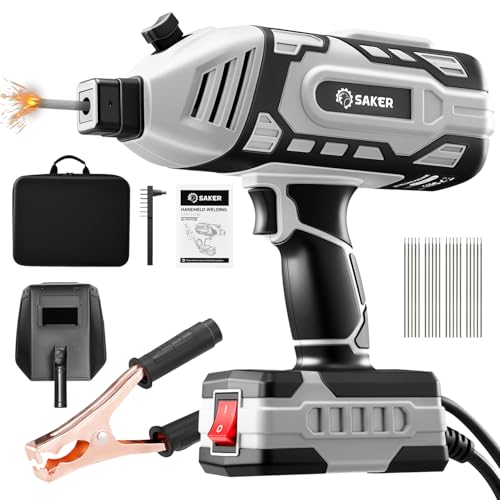
Saker Portable Electric Welding Machine 110V Handheld
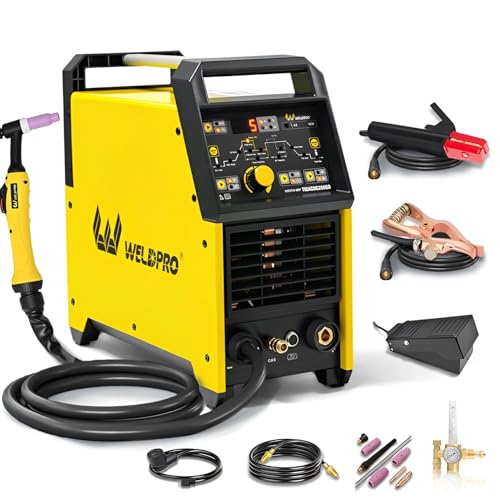
Weldpro 200A AC/DC TIG Welder with Pulse

Super Mini Stick Welder 110V 130A ARC MMA
Welding Machine Handheld 110V 120Amp Portable ARC

Bestarc 145A MIG Welder 110V 220V 4 in 1
More Details On Our Top Picks
The dual-voltage setup matters here, because a garage outlet and a heavier shop circuit do not always tell the same story. You get a 4-in-1 layout with gas MIG, flux-core MIG, lift TIG, and stick, so the machine covers a wide slice of repair work without crowding your bench.
That makes this a sensible match for someone who hops between sheet metal fixes, farm gear touch-ups, and general fabrication. The large LED display should also help the settings feel less guessy, though a multiprocess unit still asks you to learn a few mode changes before it feels second nature.
What We Like
- Dual voltage gives you more placement options across home and shop circuits.
- Four welding modes let you cover varied jobs with one machine.
- The LED readout helps you keep track of settings at a glance.
- Good for mixed weekend tasks, from patching frames to general repair.
Areas To Watch
- Multiprocess machines usually ask for more setup attention than a plain stick unit.
- You’ll want room for cables, leads, and consumables, especially in a tight garage.
Core Details
Who It Suits Best
You’re a strong match for this machine if you want one welder that can handle different materials and shop jobs without feeling overly stripped down.
A Better Fit Elsewhere
Weldpro 200A AC/DC TIG Welder with Pulse suits you better for aluminum-focused TIG work and finer control.
Six modes give this machine a wider reach than the YESWELDER above, and that extra range matters most in a garage where projects keep changing. Gas MIG, gasless flux-core MIG, stick, lift TIG, spot welding, and spool gun support make it feel built for a crowded workbench instead of a single task.
The burn back adjustment is the detail that stands out for cleaner wire handling at the end of a weld, especially in hands that already know their way around settings. You may find the learning curve a little steeper than the simpler GZ GUOZHI pick, but the payoff is more room to grow.
Positives
- Six modes give you a broad range of shop uses.
- Spool gun support opens the door to more aluminum work paths.
- Burn back adjustment can help refine wire termination.
- The LED display keeps the control layout readable.
- Well suited to a garage that handles different job types.
Small Caveats
- More modes usually mean more setup steps before the first bead.
- Owners commonly end up keeping labels or notes near the unit to track preferred settings.
- It makes more sense in a dedicated space than in a grab-and-go kit.
Feature Rundown
Who Will Love This
You’re the right match for this unit if you want a wide-process machine and you don’t mind spending a bit more time learning the controls.
Where A Sibling Pick Shines
YESWELDER 160A MIG Welder 110V/220V Dual Voltage suits you better if you want a simpler all-rounder with fewer modes to sort through.
This one keeps the format leaner than the ARCCAPTAIN, which helps when you want useful welding options without a long feature list hanging over the setup. Flux MIG, ARC, and lift TIG cover common repair paths, and the 110V design keeps it aimed at home garages and lighter-duty projects.
The trade-off is straightforward: fewer modes mean less complexity, but also less room for specialty work. For small-shop use, that can be a relief, especially when you mainly need a dependable machine for quick fix-ups and hobby builds.
Highlights
- Three-process layout keeps the learning curve more approachable.
- 110V power makes it practical for typical household setups.
- Useful for hobby welding, repairs, and light fabrication.
- Black housing gives it a clean, low-key look on the bench.
Things To Consider
- It offers less process flexibility than the dual-voltage multiprocess units here.
- Using one power level means less placement flexibility in some shops.
At A Glance
Built With In Mind
You’ll get the most from this unit in a garage, workshop corner, or weekend project space where simple controls matter more than broad feature depth.
Swap It Out When
Bestarc 145A MIG Welder 110V 220V suits you better if you want a more guided feel and a larger LED display for setup clarity.
Handheld format changes the experience right away, because you’re holding the welding body in a more direct way than with the larger cabinet-style picks above. The IGBT inverter, meaning an electronic power system that helps keep the machine compact and efficient, pairs with five current steps, so you can make small adjustments without a crowded panel.
That design suits quick repairs, outdoor touch-ups, and jobs where moving around the workpiece matters more than building a full bench setup. The catch is that handheld tools usually ask for a steadier hand and a bit more awareness of cable management, so it rewards practical, tidy habits.
Strong Points
- Handheld format makes it easy to move around tight work areas.
- Five current steps give you simple control without overloading the panel.
- The IGBT inverter layout helps keep the machine compact.
- Well suited to quick fixes around the home or property.
Room For Improvement
- Handheld operation can feel less settled than a traditional bench welder.
- Clean cable routing matters more with a portable tool like this.
- Owners may want a dedicated storage spot to keep the gun and leads organized.
Details At A Glance
Perfect Match For
You’re a good match for this pick if portability matters more than a large control panel and you work in spaces where dragging a full-size machine feels awkward.
Look Elsewhere When
YESWELDER 160A MIG Welder 110V/220V Dual Voltage suits you better if you want a more traditional multiprocess setup with broader job coverage.
AC/DC TIG gives this machine a different personality from the MIG-focused picks above, especially for work that needs tighter arc control and cleaner bead handling. AC means alternating current, which is commonly used for aluminum, while DC means direct current, often used on steel and similar metals, so the machine is built around material flexibility rather than speed alone.
The pulse modes and included foot pedal point toward more deliberate control, which is why this one belongs in a more serious garage or fabrication setup. You may find the learning curve steeper than the Bestarc below, but that’s the trade-off for a more refined TIG path.
Upsides
- AC and DC TIG support widens the material range you can work with.
- Pulse options help you fine-tune heat control during longer passes.
- Foot pedal support gives you more control over timing and output.
- Dual voltage adds flexibility for different power sources.
Softer Spots
- TIG work asks for more practice than basic stick or flux-core welding.
- The setup makes more sense in a steady work area than in a grab-and-go kit.
- Accessories and cables can take up more storage room than a compact stick unit.
Technical Sheet
Who Should Grab It
You’re the right fit for this welder if TIG control matters more to you than simple all-purpose convenience.
A Better Fit Elsewhere
ARCCAPTAIN MIG Welder 200Amp 6 in 1 Gas MIG suits you better if you want more process variety and a stronger multipurpose focus.
This is the most stripped-back stick option in the group, and that simplicity can be exactly what you want in a cramped shop corner or a truck-side repair setup. Hot start helps get the arc going, arc force helps keep it steadier during use, and anti-stick reduces the annoyance of a rod sticking to the workpiece.
The digital display makes it easier to see your settings, and the claim about operating normally at -68°F points to a cold-weather focus that matters for outdoor work. The honest read is that you’re buying convenience and compactness here, not broad multiprocess flexibility.
Best Bits
- Very small footprint for storage in tight spaces.
- Hot start and arc force help with easier arc starts and steadier use.
- Anti-stick support reduces one of the common frustrations of stick work.
- Digital display keeps the layout easy to read.
Minor Gripes
- Stick-only focus means fewer process options than the multiprocess machines here.
- Ultra-compact gear can feel cramped with gloves on until you get used to it.
- Outdoor use still benefits from a sensible storage plan for rods and leads.
Spec Overview
The Right Fit
You should look at this machine if you want a tiny stick welder for light jobs and storage space is at a premium.
Reach For A Different Pick When
Welding Machine Handheld 110V 120Amp Portable ARC Welder Gun suits you better if you want a handheld body rather than a mini box-style machine.
This handheld option sits between a full machine and a pocket-sized tool, so it makes sense for someone who wants portability without giving up a bit more output headroom. The IGBT inverter keeps the body manageable, and the five current levels give you a simple way to adjust the tool for different rod sizes within the stated range.
It feels most useful for light maintenance, small repairs, and field work where you’d rather move the tool than move the project. Compare that to the Saker mini unit, which is even smaller, and this one starts to look like the better middle ground for general use.
Reasons To Buy
- Handheld format keeps the tool easy to carry and position.
- Five current levels help you match output to the job.
- Fits rod sizes from 1/16 to 1/8 inch, which broadens practical use.
- Works well for quick repairs that don’t justify a larger rig.
Worth Noting
- Handheld tools ask for more attention to cable handling and storage.
- It has less versatility than the multiprocess picks in the upper part of the list.
- A small bag or case would help keep the gun and leads organized between jobs.
Core Details
Whose Shelf It Belongs On
You’ll appreciate this one most if you want a portable arc tool for small repairs and you don’t want a full-size cabinet taking over the corner.
Another Choice May Suit
Super Mini Stick Welder 110V 130A ARC MMA fits you better if your main priority is the smallest possible storage footprint.
The Bestarc feels aimed at someone who wants a friendlier start with multiprocess welding, especially since the large LED display and synergic control approach are built to reduce guesswork. Synergic control means the machine helps pair voltage and wire speed for you, which can be reassuring in a first workshop or a home setup where you want clear guidance.
It still gives you gasless flux-core MIG, lift TIG, and stick, so the feature set stays broad without turning into a control maze. That balance makes it a good starting point for DIY work, though a more experienced user may eventually want the deeper TIG focus of the Weldpro.
Bright Spots
- Synergic control helps simplify setup for newer welders.
- Large LED display makes the interface easier to read.
- Dual voltage gives you more flexibility around power access.
- Multiprocess range covers common home and hobby tasks.
Points To Note
- More guided control can feel less hands-on for advanced users.
- Flux-core focus means it’s better matched to practical repairs than polished show work.
Feature Snapshot
Made For
You’re a good fit for this model if you want a guided multiprocess welder for home projects, repairs, and learning the basics with less friction.
Where Shoppers Go Wrong
Weldpro 200A AC/DC TIG Welder with Pulse suits you better if your real priority is aluminum TIG and finer bead control rather than beginner-friendly MIG guidance.
How To Choose The Right Arc Welders
Start With Power And Voltage
Voltage shapes where you can place the machine and how flexible your workspace feels. A 110V welder fits many home garages and light repair setups, while dual-voltage models give you more room to work in a shop with stronger service available.
Output matters too, because amperage affects the kind of projects you can realistically take on. A compact 120A or 130A unit suits lighter maintenance, while 200A-class machines make more sense for broader fabrication work and thicker material tasks.
Match The Process To The Work
MIG is useful when you want a quicker learning curve and a steadier feed for general repair jobs. Flux-core helps outdoors and in less polished spaces, while stick remains a practical choice for rugged repairs and simple gear that doesn’t need much setup.
TIG asks for more control, but it rewards that extra effort with cleaner handling on work that calls for precision. AC/DC TIG is especially relevant for aluminum, and that’s where a unit like the Weldpro stands apart from the more general multiprocess picks.
Think About Controls, Not Just Modes
A large LED display sounds small on paper, yet it can make the first setup far less confusing in a dim garage or on a jobsite at dusk. Synergic control goes a step further by helping pair settings, which suits newer welders or anyone who wants less trial and error.
Manual control matters too, especially for experienced hands that want to tune the arc their own way. The trade-off is simple, more guidance usually means less freedom, so your comfort level should guide the choice.
Portability And Storage Still Count
Handheld and mini stick machines shine where storage is tight or the job moves around a lot. Full multiprocess units ask for more bench space, more cable management, and a more fixed setup, but they also give you broader coverage.
That balance is worth thinking through before you settle on a model. A welder that matches your space tends to get used more often, and that’s the real win for most home shops.
A Quick Reality Check
Common Shopping Slip Ups
Many people focus on output and ignore process fit, then end up with a machine that does not match the project list. A stick-only unit can be fine for repair work, but it won’t replace a multiprocess model for someone who wants MIG and TIG options too.
Another common miss is underestimating setup space. Cables, leads, wire, gas gear, and storage all add up fast, so a compact body does not always mean a compact workstation.
The Upgrade Payoff
Higher-tier welders usually cost more because they add cleaner control, broader mode coverage, and more useful interfaces. Dual voltage, AC/DC capability, pulse functions, and foot pedal support are all examples of where the extra money tends to go.
That upgrade is worth it for frequent use, mixed materials, or a garage that sees more than one kind of project. For occasional repairs, a simpler machine often makes more sense and keeps the learning curve manageable.
Frequently Asked Questions
What makes a multiprocess welder useful?
It lets you handle more than one welding style with a single machine. That matters when your projects shift between repairs, fabrication, and different metals.
Do dual-voltage welders help in a home shop?
They give you more placement flexibility because you can work from different power setups. That can be handy in a garage that doesn’t always offer the same outlet situation.
Is a handheld arc welder enough for small repairs?
Yes, for light fixes and tight access, a handheld model can be very practical. You give up some control and versatility, but you gain mobility and easier storage.
Why choose TIG over MIG?
TIG gives you tighter control, which helps on work that needs cleaner bead placement and more attention to detail. MIG usually feels faster and less demanding for general repair tasks.
What should a beginner focus on first?
Start with a machine that matches your power setup and the kind of work you’ll actually do. A clear display and simpler controls also make the learning curve less steep.
Bottom Line
The right arc welder depends less on hype and more on the kind of work you actually face in your shop, driveway, or garage corner. For a broad all-rounder, YESWELDER and Bestarc keep setup approachable, while ARCCAPTAIN and Weldpro make sense when you want deeper process coverage or more refined control. Compact stick and handheld options fill the gaps for tight storage and quick repairs. Match the machine to your space, your power, and your most common jobs, and the choice becomes much easier.



