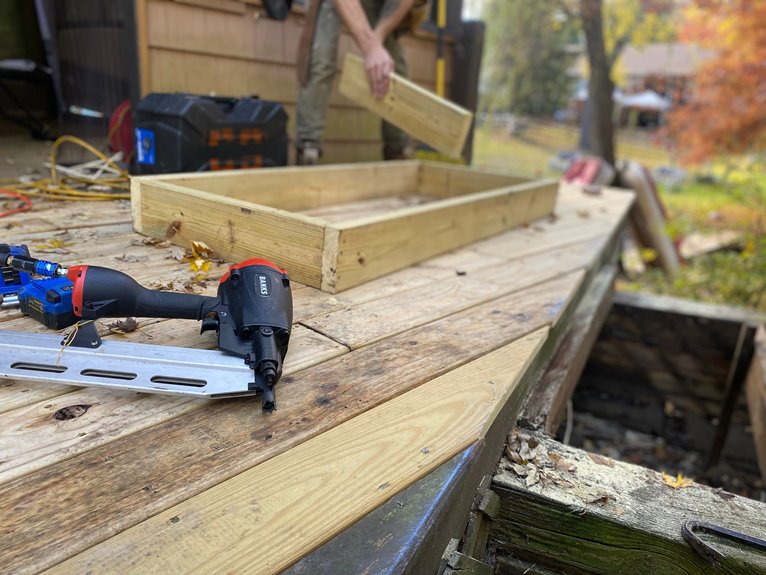
Choosing a miter saw is mostly about fit, not flash. You want the right blend of cut range, portability, blade size, and fence stability for the way you actually work, whether that’s trim in a garage, weekend framing, or repeat cuts in a busy shop.
This roundup keeps the focus on practical differences. You’ll see compact cordless options, dual-bevel sliders, a simple box-and-backsaw setup, and a couple of longtime corded standouts that make sense for different levels of space, power access, and precision needs.
Quick Look at the Shortlist

Evolution Power Tools R185SMS+ Sliding Miter Saw 7-1/4″
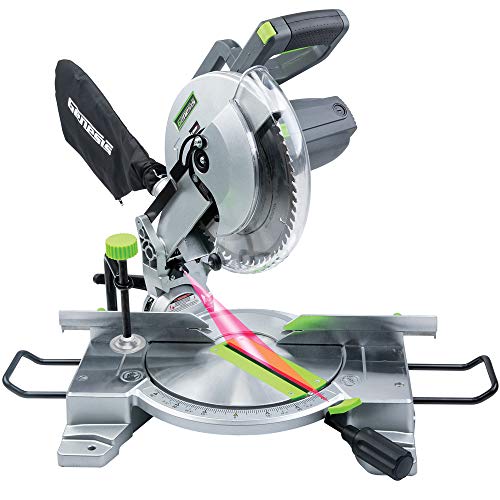
Genesis GMS1015LC 15-Amp 10-Inch Compound Miter Saw, Gray
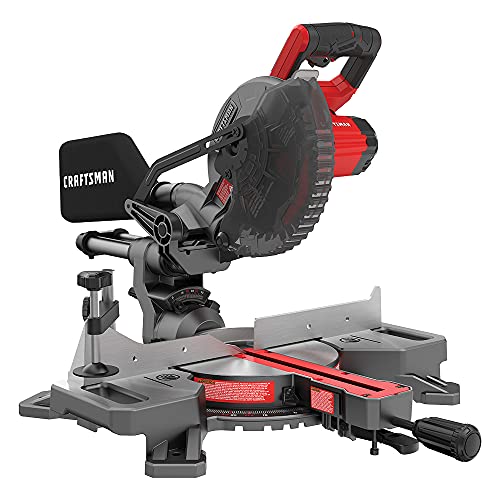
CRAFTSMAN V20 Cordless Sliding Miter Saw 7-1/4″ (CMCS714M1)

BOSCH CM10GD Compact Miter Saw 10″ Dual-Bevel Sliding Glide

Makita LS1040 10″ Compound Miter Saw
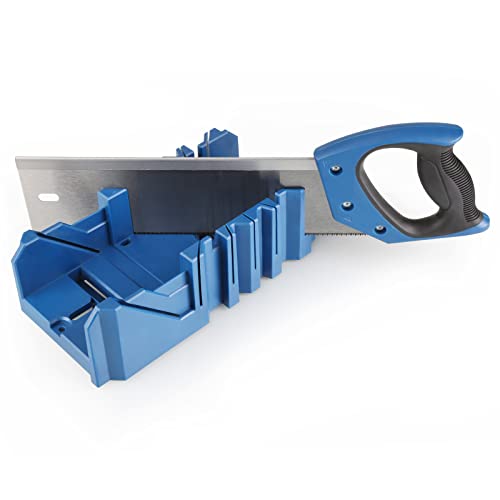
Olympia Tools Saw Storage Mitre Box with 14-Inch Backsaw

Metabo HPT 10-Inch Single Bevel Compound Miter Saw C10FCG2

Makita LS1019L 10″ Dual-Bevel Sliding Compound Miter Saw with Laser
Evolution’s sliding saw stands out because it’s built for mixed materials, not just wood trim. The 45-degree bevel and 50-degree miter range give you broad angle flexibility, while the 210 mm slide keeps the saw useful for wider cuts in a home shop or renovation space.
You may find it especially handy for remodel work where wood, plastic, and metal show up in the same weekend. The trade-off is that the 7-1/4 inch class usually feels more compact than a larger 10-inch machine, so it suits space-saving setups better than heavy framing all day.
Reasons To Buy
- Multi-material cutting broadens the kind of projects you can handle without swapping tools.
- The sliding action helps with wider boards and trim pieces that would feel cramped on a fixed saw.
- 45-degree bevel travel supports common finish cuts around corners and edges.
- 50-degree miter travel gives you room for angled joins on trim and light carpentry.
- The smaller footprint fits better in tighter garages and mobile setups.
Points To Note
- Seven-and-a-quarter-inch saws are compact, but they give up some cutting headroom versus larger corded models.
- Mixed-material use is useful, though blade choice and setup matter more than they do on a wood-only saw.
Core Details
Who It Suits Best
You’re the right match for renovation work, hobby shop projects, or mixed-material cutting where portability matters as much as angle range.
A Better Fit Elsewhere
BOSCH CM10GD Compact Miter Saw 10″ Dual-Bevel Sliding Glide suits you better for finish carpentry that benefits from a larger corded platform and a dual-bevel layout.
This Genesis model keeps the formula simple, which is part of the appeal. A 15-amp motor, 10-inch blade size, laser guide, and nine positive miter stops give you a very usable layout for general home cutting without adding a lot of extra complexity.
For weekend trim work, shelf builds, or quick repeat cuts in a garage, that kind of setup makes sense. The honest read is that it leans practical rather than fancy, so you’re paying for straightforward function more than advanced refinement.
Strong Points
- The 15-amp corded setup is a familiar choice for steady household power.
- The 10-inch blade size gives you more reach than a smaller 7-1/4 inch saw.
- Nine positive miter stops help speed up repeat angle settings for trim and framing tasks.
- The laser guide can help line up cuts more quickly in bright garages or basement shops.
Worth Noting
- The single-bevel format keeps the saw simpler, but it gives you less flexibility on compound trim.
- Laser guides are helpful, yet they still depend on good setup and a clear line of sight.
- Compared with the Evolution pick, it is less about multi-material versatility and more about basic wood-cutting convenience.
Feature Snapshot
Made For
You’re a good match for a homeowner or weekend carpenter who wants a familiar corded saw for repeat cuts and trim work without chasing premium extras.
Another Choice May Suit
Makita LS1019L 10″ Dual-Bevel Sliding Compound Miter Saw with Laser fits you better for cleaner trim work where dual-bevel convenience matters more than Genesis’s simpler layout.
CORDLESS flexibility is the main reason this CRAFTSMAN belongs in the roundup. You get a sliding 7-1/4 inch saw with single-bevel cutting, plus battery and charger included, which makes it far easier to carry to a deck, a rental job, or a room without nearby power.
That convenience comes with a trade-off, though, because compact cordless saws usually feel more travel-friendly than oversized. You’ll appreciate it most for trim, punch-list work, and smaller projects where moving the tool matters as much as the cut itself.
Highlights
- The cordless format removes cord management from the worksite.
- Battery and charger inclusion makes the setup more complete out of the box.
- The sliding design helps on boards that exceed a fixed-head saw’s reach.
- The 7-1/4 inch size is easier to transport than larger corded options.
Small Caveats
- Single bevel means you may need to flip workpieces for some angled cuts.
- Cordless runtime depends on battery condition and the density of the material.
- Compared with the Bosch CM10GD, it is more about portability than precision-focused refinement.
Details At A Glance
The Right Fit
You’re in the sweet spot for mobile trim work, punch lists, and projects where a cord would just get in the way.
Where A Sibling Pick Shines
Makita LS1019L 10″ Dual-Bevel Sliding Compound Miter Saw with Laser suits you better for a steadier shop setup where a larger, corded tool can stay put.
The BOSCH CM10GD feels aimed at people who care about cut control and workspace discipline. Its dual-bevel sliding glide layout, 15-amp corded power, and 60-tooth carbide blade point toward cleaner finish work, especially in shops where repeat accuracy matters.
Compared with the Genesis and CRAFTSMAN picks, this one looks more at home in a fixed setup. The honest trade-off is that a glide-arm saw can feel different from a standard slider, so the learning curve may be a little steeper for first-time users.
Bright Spots
- Dual bevel saves time on angled cuts that would otherwise need flipping.
- The glide design can feel smoother and more controlled for finish work.
- The 10-inch format gives you generous capacity for trim and molding.
- The 60-tooth carbide blade supports finer-cut expectations right away.
Areas To Watch
- The glide mechanism is different from a traditional sliding rail setup, so the feel may take adjustment.
- It suits a bench or dedicated corner better than constant transport.
- Owners commonly keep this class of saw clean because dust buildup can affect smooth movement over time.
Spec Overview
Who Will Love This
You’re a strong match for trim carpentry, molding work, and shop use where angle convenience matters more than portability.
Skip It When
Makita LS1040 10″ Compound Miter Saw makes more sense for a simpler corded setup that doesn’t ask as much from your workspace or budget.
The LS1040 is the kind of saw that stays relevant because it keeps things direct. A 10-inch compound layout works well for general carpentry, and the Makita name here will likely feel familiar to anyone who wants a straightforward bench saw without extra complexity.
That simplicity is useful in a home workshop where you mostly need steady crosscuts and common compound angles. Compared with the BOSCH CM10GD, this one gives up the more elaborate glide-and-dual-bevel setup, but it also asks less from the person using it.
Upsides
- The 10-inch size suits everyday carpentry and household trim.
- The compound format handles angled cuts without turning the saw into a more complicated machine.
- Its straightforward design is easy to understand in a first workshop.
- The layout works well for repeat use in a fixed work area.
Room For Improvement
- It lacks the extra angle convenience of dual-bevel saws.
- You may prefer a sliding model like the Evolution or BOSCH for wider stock.
- Because it’s a long-running design, the experience is more conventional than modern and feature-heavy.
Feature Rundown
Whose Shelf It Belongs On
You’re the best match for a home shop that values familiar operation and a no-nonsense corded saw.
Reach For A Different Pick When
CRAFTSMAN V20 Cordless Sliding Miter Saw 7-1/4″ (CMCS714M1) suits you better for portable jobsite work where being untethered matters more than a bench-bound layout.
This is the outlier in the list, and that’s exactly why it matters. Instead of a powered saw, you get a storage mitre box with a 14-inch backsaw and preset angle slots, which keeps the setup simple for small shops, light carpentry, and occasional manual cuts.
It suits you best when space, noise, and power access are bigger concerns than speed. Think of it as the quiet bench-side tool in the lineup, handy for occasional angle work but not a stand-in for a powered saw on bigger trim jobs.
Best Bits
- The manual format works without electricity, cords, or batteries.
- Preset slots for 90, 45, and 22-1/2 degree cuts help guide common angles.
- The storage box design keeps the tool compact and easy to tuck away.
- The included backsaw makes the setup immediately usable for light work.
Softer Spots
- Manual cutting takes more effort than a powered saw.
- It’s better for light tasks than repeated production cutting.
- Compared with every powered pick here, speed and capacity are naturally more limited.
Technical Sheet
Built With In Mind
You’re a good fit for hobby work, small repairs, and low-noise spaces where a powered saw would be overkill.
Look Elsewhere When
Genesis GMS1015LC 15-Amp 10-Inch Compound Miter Saw, Gray makes more sense for you when you need motorized speed and a more familiar shop saw experience.
Metabo HPT leans into clarity, and that’s a useful trait in a saw you’ll use often. The Xact Cut Shadow Line helps you see the cut path without depending on a laser, while the 15-amp power, precision miter angles, and 40T TCT blade build a very practical cutting package.
That mix makes sense for garage shops, punch lists, and trim work where visibility matters. Compared with the Makita LS1040, this one feels a bit more guided and a little more modern, though it still stays on the simpler side with a single-bevel design.
What We Like
- The shadow line offers a clear visual cue for the cut line.
- Precision miter angles support repeatable setup for common carpentry tasks.
- The included 40T TCT blade gives you a usable starting point.
- Its lighter build should suit users who move the saw between rooms or jobs.
Honest Caveats
- Single bevel keeps the machine simpler, but not as flexible as dual-bevel picks.
- Any shadow line still works best with careful board placement and good lighting.
- It is less specialized than the BOSCH CM10GD for high-end finish work.
Core Details
Made For
You’re a strong match for general trim, home carpentry, and move-around use where a clear cut line matters.
Swap It Out When
Makita LS1019L 10″ Dual-Bevel Sliding Compound Miter Saw with Laser suits you better for higher-end trim work that benefits from dual-bevel convenience and a sliding layout.
This Makita sits at the premium end of the list because it combines dual-bevel cutting, sliding action, and a laser into one layout. That combination makes a lot of sense for finish carpentry, stair trim, or any job where flipping boards gets old fast.
Compared with the BOSCH CM10GD, it takes a slightly different approach to the high-precision category, and the laser adds another layer of alignment help. For a serious home shop or a pro-facing setup, the added convenience can feel worth the extra complexity.
Standout Traits
- Dual bevel supports angled cuts in both directions.
- Sliding action helps with wider boards and molding stock.
- The laser can speed up line checks before the cut starts.
- Makita’s trim-friendly layout suits detailed finish work.
Minor Gripes
- The feature set is richer than simpler saws, so setup takes a little more attention.
- It is better suited to a stable workspace than frequent carrying.
- The extra capability may feel more than you need for basic weekend cuts.
Feature Card
Perfect Match For
You’re the right match for finish carpentry, detailed trim, and a more permanent shop setup where convenience matters.
Where Shoppers Go Wrong
Genesis GMS1015LC 15-Amp 10-Inch Compound Miter Saw, Gray is the easier fit for you when you want a simpler corded saw and don’t need the same level of angle convenience.
How To Choose The Right Miter Saws
Cut Type Comes First
Blade size and bevel style shape most of the day-to-day experience. A 7-1/4 inch sliding saw like the Evolution or CRAFTSMAN is easier to move and store, while a 10-inch corded saw usually gives you more reach for trim and household carpentry.
Bevel style matters too. Single bevel is simpler and fine for many jobs, but dual bevel saves time because you do not need to flip boards as often for mirrored cuts.
Power Source Changes The Workflow
Corded saws suit a fixed shop, garage bench, or basement corner where outlet access is steady. Cordless models, like the CRAFTSMAN V20, make sense for decks, punch lists, and spaces where a cord would get tangled or snagged.
The trade-off is straightforward: cordless convenience usually brings battery management into the picture, while corded tools keep power steady and simple. That difference matters more than most spec sheets suggest.
Accuracy Aids Can Save Time
Laser guides and shadow lines help you line up cuts before the blade drops. The Genesis uses a laser guide, while the Metabo HPT relies on an Xact Cut Shadow Line, and both aim to reduce guesswork in bright or busy work areas.
These aids do not replace careful setup. They work best when your fence is square, your stock is seated flat, and the saw is clean enough to move smoothly.
Think About The Space Around The Saw
Glide arms, sliding rails, and long fences need room to work. A compact model can be a better fit for a cramped garage, while larger dual-bevel saws feel more at home on a permanent stand or bench.
Manual tools like the Olympia box and backsaw are worth a look when storage is tight and the cuts are occasional. They will not replace a powered saw for big jobs, but they solve a different problem very well.
Things Worth Knowing First
Mistakes Worth Dodging
Many shoppers focus on blade size alone and miss the bevel layout, which changes how fast angle work goes. Another common miss is forgetting workspace depth, especially with sliding saws that need more rear clearance than they seem to at first glance.
Blade count and tooth style also matter, but they are only part of the picture. A saw can have a fine blade and still feel awkward if the stand, fence, or angle stops do not suit your projects.
The Case For Spending Up
Higher-tier saws usually cost more because the movement system, angle control, and cut visibility are better supported. That shows up in details like dual bevel, glide arms, laser alignment, and more refined fences, all of which help in trim-heavy work.
The upgrade makes sense when the saw will see frequent use. For occasional DIY cuts, a simpler corded model often delivers enough function without the extra complexity.
Final Thoughts
The right saw depends on the work in front of you, not just the badge on the side. A compact cordless pick helps on mobile jobs, a dual-bevel slider fits finish carpentry, and the manual Olympia setup stays useful for light angle cuts in tight spaces. Choose the one that matches your shop, your storage, and the kinds of cuts you repeat most, and the tool will feel easier from day one.