Small shops run better when dust control matches the layout, not the other way around. You need parts that fit tight corners, connect cleanly, and move debris without turning every tool swap into a chore. This roundup focuses on compact separators, fittings, and full dust collectors that make sense for garages, basement shops, and shared workspaces.
Quick Look At The Shortlist

POWERTEC 2-1/2″ Dust Collection Hose Floor Sweep Kit 70443

POWERTEC 2-1/2 Inch Dust Collection Fittings Kit 70315

Cyclone Dust Separator Kit for 4

POWERTEC 70322 4 Inch to 2-1/2 Inch Reducer

Woodstock W2049 Mini 2-Stage Cyclone Separator

Dust Right Dust Separator + 36″ Flex-Form Hose
WEN Woodworking Dust Collector DC3401

DEWALT Dust Separator DXVCS002

Shop Fox W1685 1-1/2 HP Dust Collector
A floor-sweep kit like this makes sense in a shop where dust lands on the floor faster than you can brush it away. The 36-inch clear tube extension gives you reach, and the mix of three nozzles plus a 1-1/2-inch reducer helps it cover more than one cleanup task without changing the whole setup.
Compared with the more hardware-heavy POWERTEC fitting kit later in the list, this one leans toward day-to-day cleanup instead of permanent layout work. That makes it a solid fit for hobby garages, bench-top tool areas, and anyone who wants fewer loose chips underfoot without adding another bulky machine.
Strong Points
- The clear tube makes it easier to see clogging and buildup.
- Three nozzle shapes give you more reach options around benches and machines.
- The reducer helps it mate with smaller-diameter shop vac setups.
- Wall clips make storage less awkward in tight utility spaces.
Things To Consider
- The kit leans toward cleanup support, not full dust collection coverage.
- Small accessory parts can be easy to misplace during frequent swaps.
- The best fit depends on having a compatible vacuum or collector port.
Feature Snapshot
Who It Suits Best
Small-shop owners who want a simple cleanup kit for floors, benches, and corners will get the most from it.
Where A Sibling Pick Shines
POWERTEC 2-1/2 Inch Dust Collection Fittings Kit 70315 suits you better when you need to build a more permanent three-machine layout.
Your setup starts to feel more organized once you can split airflow cleanly between tools, and that’s the point of this fittings kit. Connectors, blast gates, and stainless steel hose clamps point toward a three-machine layout, which suits small shops that want order without jumping straight to a full fixed system.
Compared with the floor-sweep kit above, this pick is less about cleanup and more about routing. Shop owners who swap between a table saw, a planer, and a sander often appreciate that kind of control, though the install work is more involved than a simple hose-and-nozzle bundle.
What We Like
- Blast gates help direct suction where you need it most.
- Stainless steel hose clamps are a sensible durability touch.
- The 2-1/2-inch format works with many compact shop systems.
- It suits a three-machine arrangement without overbuilding the shop.
Room For Improvement
- Layout planning takes time, especially in cramped garages.
- It is better for fixed routing than for quick portable cleanup.
- You still need compatible hose runs and machine ports.
Core Details
Made For
You get the most from this kit once your tools stay in more or less fixed positions and you want cleaner airflow control.
A Better Fit Elsewhere
Dust Right Dust Separator + 36″ Flex-Form Hose suits a shop vac user who wants a more flexible cyclone-first cleanup path.
This separator is built for the part of dust control that happens before the bag or filter gets overwhelmed. By pulling heavier debris out early, a cyclone setup like this helps a collector or shop vacuum stay easier to live with during long sanding sessions and messy cuts.
Unlike the smaller 2-1/2-inch POWERTEC accessory pieces, this is more of a system helper than a hose add-on. It suits woodworkers who already have a 4-inch line in place and want less grit reaching the vacuum stage, though it asks for a little more room than a compact nozzle kit.
Highlights
- Early debris separation helps reduce filter loading.
- The 4-inch setup suits larger dust lines than many compact accessories.
- It can ease wear on the vacuum side of the system.
- Better chip control makes cleanup feel less repetitive.
Points To Note
- It makes more sense in a setup that already uses 4-inch hose.
- It takes more space than a simple floor or nozzle accessory.
- Installation usually fits better in a planned station than a grab-and-go corner.
Feature Card
Built With In Mind
You’ll get the most value from this kit in a shop that already has a dedicated dust line and enough room for a cyclone body.
Reach For A Different Pick When
POWERTEC 70322 4 Inch to 2-1/2 Inch Reducer suits you better when your machines and hose sizes do not match cleanly.
Size transitions are where a lot of small-shop dust plans fall apart, so a reducer like this earns its keep quickly. It bridges 4-inch and 2-1/2-inch connections, and the flex cuff plus stainless steel hose clamps point to a practical, tool-to-tool kind of fix rather than a full system overhaul.
Compared with the cyclone separator above, this piece is more about compatibility than separation. That makes it a smart add-on for mixed machine setups, though you still need to match the rest of your routing carefully so the connection does not become a weak point.
Reasons To Buy
- Bridges two common hose sizes in one fitting.
- The flex cuff helps awkward machine ports connect more cleanly.
- Stainless steel clamps add a sturdier feel to the joint.
- Useful for shops with both large and compact dust ports.
Minor Gripes
- It solves a connection problem, not dust collection on its own.
- Best results depend on a tight, well-planned hose run.
- Mixed-size adapters can invite more fiddling during setup.
Details At A Glance
Who Will Love This
You’ll appreciate this most in a mixed-port shop where one machine runs larger ducting and another is built around a smaller opening.
Another Choice May Suit
POWERTEC 2-1/2 Inch Dust Collection Fittings Kit 70315 suits a shop that needs multiple branches rather than a single transition.
This mini separator is aimed at shops that want a cleaner two-stage layout without jumping into a larger cabinet-sized collector. It’s designed for a standard 5-gallon bucket, and the 2-1/2-inch inlet and outlet keep it in the same practical lane as a lot of small-shop vac systems.
Compared with the Dust Right separator later in the list, this one is more bucket-centric and a bit more stripped down. That suits tinkerers who want a compact cyclone path, though the bucket fit means you’ll want a stable, well-placed base in a busy corner.
Bright Spots
- Turns a single-stage setup into a more layered dust path.
- Fits a standard 5-gallon bucket, which keeps storage simple.
- The 2-1/2-inch ports suit common small-shop hoses.
- Compact proportions work well in tight shop corners.
Areas To Watch
- Bucket stability matters in a crowded work area.
- It is more of a conversion piece than a full collector.
- You need to plan around the bucket footprint and hose routing.
Quick Facts
The Right Fit
You’ll get the most from this separator in a compact shop that already relies on a 2-1/2-inch hose network and a bucket you can park securely.
Swap It Out When
Dust Right Dust Separator + 36″ Flex-Form Hose fits better when you want a more complete separator package around a shop vacuum.
For shop-vac owners, this is the kind of separator setup that changes how often you empty and clean the vacuum side. It accepts a 2-1/4-inch ID outlet, uses a 36-inch Flex-Form hose, and pairs with a translucent 10-gallon bucket, so the whole system feels purpose-built rather than patched together.
Unlike the Woodstock mini separator, this one comes across as a fuller package for everyday woodworking debris. The trade-off is footprint, because a 10-gallon bucket setup takes more room than a 5-gallon conversion, but that extra capacity makes sense in a busier shop.
Upsides
- Helps keep larger debris out of the vacuum path.
- The 10-gallon bucket gives you more collection room.
- The translucent bucket makes debris level easier to monitor.
- Flex-Form hose adds layout freedom around the shop.
- Can help reduce filter clogging in day-to-day use.
Softer Spots
- The larger bucket needs more floor space than smaller separator kits.
- It is most useful when your vacuum uses a 2-1/4-inch ID outlet.
- Hose management matters more because the system has several parts.
Feature Rundown
Whose Shelf It Belongs On
You’ll appreciate this most in a garage shop that already uses a shop vac and needs a more complete separator path.
Look Elsewhere When
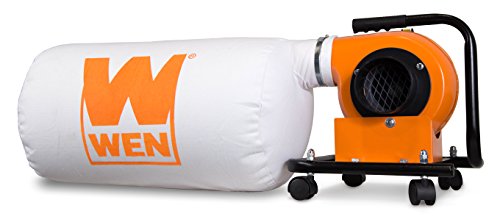
WEN Woodworking Dust Collector DC3401 suits you better if you want a dedicated collector with a mobile base instead of a separator-bucket system.
This is the first item in the list that reads like a true standalone collector rather than an accessory. The 5.7-amp motor, 12-gallon bag, mobile base, and optional wall mount point to a setup that can move between corners or stay parked, which helps in small shops where floor space keeps changing with every project.
Compared with the Dust Right separator, this WEN unit is the more complete machine-style route. It suits hobby woodworkers who want less piecing together and more one-location collection, though the bag format means you’ll still need to stay on top of emptying and routine cleaning.
Best Bits
- Built as a dedicated dust collector, not just a separator.
- The mobile base helps it move with a changing shop layout.
- The optional wall mount adds placement flexibility.
- A 12-gallon bag gives you more capacity than small bucket systems.
- Good fit for a shop that wants a simpler overall setup.
Worth Noting
- The bag system still asks for regular emptying and cleanup.
- Wall mounting works best only where structure and space line up.
- It is less compact than separator-only accessories.
Technical Sheet
Best Suited To
You’ll get the most value from this collector in a small shop that wants a dedicated machine and some flexibility in where it lives.
A Better Fit Elsewhere
Shop Fox W1685 1-1/2 HP Dust Collector suits you more when raw collector capacity matters more than a compact mobile footprint.
The 6-gallon poly tank keeps this separator in a compact lane, but the cyclone format gives it a more polished feel than a plain bucket setup. The 99.5% efficiency figure is clearly aimed at fine debris management, so this suits shop vac owners who want a cleaner handoff before the vacuum stage.
Compared with the Dust Right separator, this DEWALT unit feels more self-contained and slightly tidier for a smaller footprint. The trade-off is capacity, because a 6-gallon tank fills faster than the larger 10-gallon setup, so it works best in shops with steady but not overwhelming debris volume.
Standout Traits
- Compact tank format works well in tighter shop corners.
- Cyclone separation suits fine dust and chips before the vacuum stage.
- The poly tank keeps the unit lighter than many metal alternatives.
- Good fit for a shop that wants a cleaner-looking separator setup.
Small Caveats
- The 6-gallon tank will need attention sooner than larger vessels.
- It still depends on a compatible shop vac setup.
- Space-saving design helps, but it is still another piece to store.
Feature Snapshot
Perfect Match For
You’ll like this most in a small shop where footprint matters and the vacuum setup stays in regular use.
Not Your Match When
Woodstock W2049 Mini 2-Stage Cyclone Separator suits you better if you want a bucket-based conversion path with 2-1/2-inch hoses.
The Shop Fox unit is the most machine-forward pick in the group, and that matters for small shops that are ready to stop leaning on vacuum-based accessories. The 1-1/2 HP motor points to a more serious collector setup, so this makes sense for a corner dedicated to a planer, jointer, or table saw rather than a rolling cleanup cart.
Compared with the WEN collector, this one leans harder into full dust-collector duty and less into portability talk. That trade-off is worth it for a more permanent shop plan, though you’ll want the floor area and layout discipline to give it room to work.
Positives
- The 1-1/2 HP class suits more demanding collector use.
- Better for a dedicated dust corner than a lightweight accessory stack.
- Fits shops that want to grow beyond separator-only solutions.
- White finish keeps the look straightforward and easy to place visually.
Honest Caveats
- It needs more committed floor space than compact separator kits.
- The permanent-shop style suits planned layouts more than flexible ones.
- Maintenance is the usual collector routine of bag and system upkeep.
Core Details
Who Should Grab It
You’ll get the most from this collector once your shop has settled into a permanent layout and you want more dedicated collection capacity.
Skip It When
WEN Woodworking Dust Collector DC3401 suits you better if you need mobility and wall-mount flexibility in a tighter room.
How To Choose The Right 2 Stage Dust Collector For Small Shops
Match The System To Your Floor Plan
Small shops punish oversized equipment. A bucket-based separator, a compact cyclone, or a full collector each asks for a different footprint, and the wrong choice makes every project feel crowded before you even start cutting.
Measure the path from machine to collector, then look at hose size, bucket placement, and whether the unit needs to roll or stay parked. A setup that fits your corners cleanly usually gets used more often.
Think In Terms Of Airflow Paths
Two-stage dust control works by catching the heavy stuff before it reaches the filter or bag. That matters because clogged filters reduce usable suction and make cleanup more frequent.
In a small shop, the smartest choice is often the one that matches your main hose diameter and machine ports without a stack of awkward adapters. Clean routing beats clever extras when space is tight.
Choose Between Accessories And Full Collectors
Accessory kits make sense for shop vac users and compact tool stations. Full collectors make more sense once you have a permanent corner, a dedicated machine zone, or enough dust volume to justify a larger unit.
That split matters more than brand names. The right pick is the one that fits your work rhythm, not the one that looks most ambitious on paper.
Things Worth Knowing First
Wrong Turns To Avoid
Many small-shop setups fail because the hose size, port size, and separator style do not line up. That mismatch creates leaks, awkward bends, and more cleanup work later.
Another common mistake is treating a separator like a full collector. A compact cyclone can improve the path, but it does not replace a machine that suits your dust volume.
The Upgrade Payoff
Higher-tier models often cost more because they give you better separation, larger collection capacity, sturdier hardware, or a more complete machine package. You’re paying for fewer compromises, not just a fancier shell.
The upgrade makes sense once your shop runs daily, your debris volume climbs, or you’re tired of emptying tiny containers. For light weekend use, a simpler separator usually does the job without adding clutter.
Frequently Asked Questions
What does a two-stage setup actually do?
It separates heavier chips and dust before they hit the collector’s bag or filter. That helps the machine handle debris more cleanly over a work session.
Do small shops need a full dust collector?
Not always, because many garages do fine with a separator and shop vac. A full collector makes more sense once the tools stay in a fixed layout.
Why do hose sizes matter so much?
Wrong hose size creates awkward transitions and can weaken the fit. Matching the port size to the hose keeps the whole line simpler.
Is a bucket-based separator enough for woodworking?
It can be enough for light to moderate debris in a compact shop. Larger chip loads usually call for a fuller collector or a larger separator system.
What should you clean most often?
Check filters, bags, buckets, and hose joints on a regular schedule. Loose buildup around joints and containers usually causes more trouble than the machine body itself.
Closing Thoughts
The right 2 stage dust collector for small shops usually comes down to space, hose size, and how permanent your setup feels. A floor sweep kit helps with cleanup, a separator kit helps protect the vacuum side, and a full collector makes sense once the shop becomes more fixed in place. You do not need the biggest machine to get cleaner results, just the one that matches your layout and workload. Choose the option that fits your bench, your corners, and your habit of working.