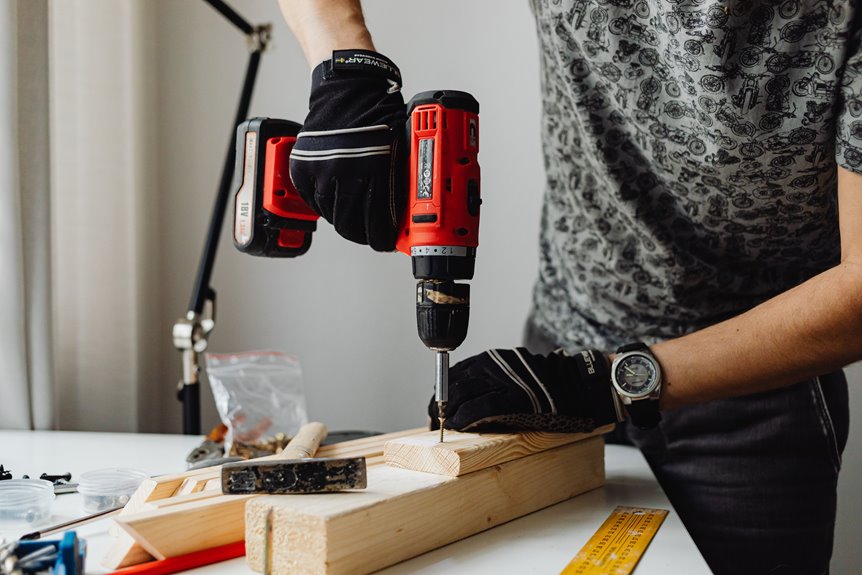

Most people do not realize that a drill’s best feature at home is not raw power, but how often you can grab it and get moving without fuss. When you are hanging shelves, building furniture, or fixing a loose hinge, the right choice can save you time and reduce frustration. Cordless and corded drills each shine in different jobs, and the small details can change everything. The challenge is understanding which one fits your space, pace, and patience.
Cordless Drill Vs. Corded Drill For Home Projects
When you choose between a cordless drill and a corded drill for home projects, the better option usually depends on how you work, not just on the task itself. Cordless drills are a good fit when you move around the house, assemble furniture, or handle quick repairs. They keep your setup simple and work well if you have limited storage in a small garage or closet.
Corded drills, however, are often a better choice when you need steady power for longer jobs near an outlet. This can also matter when budget is a factor, since corded models usually cost less upfront.
If you want flexibility, choose cordless. If you want consistent power and fewer charging breaks, choose corded.
Cordless Drill Pros And Cons
A cordless drill gives you real freedom because you can move from room to room or work outside without hunting for an outlet.
That convenience makes quick jobs and tight spaces much easier to handle. The tradeoff is runtime, since a battery can run down right in the middle of a task.
Battery Mobility Benefits
Why do so many people choose a cordless drill first? Because it offers easy portability, allowing you to move from room to room without searching for an outlet. You can carry it up a ladder, into a garage, or across the yard, and that freedom is a real advantage on busy weekends.
For outdoor convenience, you also avoid dragging an extension cord through grass, dirt, or doorways. That means you can set up faster and work with less hassle.
In tight spaces, the compact design helps you turn, reach, and drill with greater confidence.
When you want a tool that makes projects feel simpler and more flexible, a cordless drill is a practical choice.
Limited Runtime Drawbacks
Still, cordless drills can slow you down when the battery runs low, and that is the tradeoff to keep in mind. You may appreciate the freedom, but battery depletion can turn a smooth job into a pause and wait moment. That is especially true when you are drilling many holes or driving long screws.
| Situation | What Happens | You Feel |
|---|---|---|
| Light repair | Works well | Confident |
| Long project | Battery fades | Frustrated |
| No spare pack | Interrupted workflow | Stuck |
When you are part of a busy home project team, those stops can feel bigger than they look. A charger helps, but charging still takes time, and swapping packs only helps if you have extras ready. So, if you often work for hours, plan around runtime instead of expecting nonstop power.
Corded Drill Pros And Cons
A corded drill delivers strong, steady power because it draws electricity directly from the outlet.
It also offers unlimited runtime, so you don’t have to stop and recharge during a long job.
This can make a significant difference when you need the drill to keep working without interruption.
Powerful Continuous Output
Corded drills often deliver steady, powerful output that doesn’t fade halfway through the job. You notice that strength when boring dense wood, drilling metal, or driving long fasteners. Because the motor draws direct power, you get strong torque and stable performance from start to finish.
That consistency can also support motor durability, since the tool isn’t straining to work through a weak charge. If you want fewer slowdowns and less guesswork, a corded drill can help you stay in control. It’s a strong choice when the project calls for muscle, not just movement.
In a busy garage or workshop, that reliable power helps you work with confidence and keep a steady rhythm.
Unlimited Runtime Option
When your project runs longer than expected, a corded drill offers one major advantage, it keeps going. You get unlimited runtime, so you do not need to pause for charging or battery swaps. That means uninterrupted drilling when you are deep into a shelf build, deck repair, or hole pattern.
| Feature | Corded Drill | Cordless Drill |
|---|---|---|
| Runtime | Unlimited | Battery limited |
| Power flow | Steady | Can fade |
| Best fit | Long jobs | Quick tasks |
For you, that steady flow can feel like teamwork because the tool stays ready while you stay focused. It also helps when you are working with others in the same space, since the rhythm stays smooth. When you want to avoid mid job stops, this option keeps your pace intact and your project moving forward.
Battery Life, Power, And Runtime
Battery life, power, and runtime are where the real trade-offs start to show. With a cordless drill, you get freedom, but you also need to keep an eye on the battery. Good battery maintenance helps the pack last longer, and better charging efficiency means less downtime between jobs.
Even so, heavy drilling can drain power quickly, and torque can drop as the charge runs low. A corded drill stays plugged in, so it provides steady power and unlimited runtime for longer stretches. That consistency matters when you want the job to feel smooth and uninterrupted.
If you’re doing quick fixes, cordless usually feels easy and convenient. When you’re working longer, corded keeps pace without making you pause, swap batteries, or wait around.
Best Drill For Common Home Tasks
Which drill makes the most sense for everyday jobs around the house?
For most DIY home fixes, a cordless drill is the practical choice. You can move from room to room, tighten loose screws, and hang shelves without looking for an outlet. It also works well for furniture assembly because you can keep one hand free and stay comfortable in tight spaces.
When you’re drilling many holes, driving long screws, or working in one place for a while, a corded drill gives you steady power and less downtime. Match the tool to the task, and you’ll feel prepared for the job. That simple choice helps you work with less stress and more confidence every time.
How To Choose The Right Drill
Now that you know the best drill for common home tasks, the next step is choosing the right one for your own needs.
You’ll feel more confident when your drill matches the job, not the other way around. Use simple project matching so you don’t end up struggling with a tool that’s too weak or too bulky.
- Check power needs for heavy or light work.
- Match mobility to where you’ll drill.
- Compare runtime whenever battery breaks are a problem.
- Weigh comfort and cost so your hands and budget both stay comfortable.
Whenever you’re building, fixing, or hanging things around the house, choose the drill that keeps your work smooth and your effort low.
That way, you can get the job done without extra stress.
Frequently Asked Questions
Which Drill Is Better for Beginners?
You’ll usually start better with a cordless drill because it is easier to handle and feels less intimidating. Ironically, the tool that seems simpler can save you time, and budget considerations may still favor corded options.
Can Corded Drills Use Extension Cords Safely?
Yes, you can use extension cords safely when you choose the right extension cord gauge, keep it short, inspect it beforehand, and follow power cord safety guidelines. You will protect your tools, your project, and yourself.
How Long Do Drill Batteries Usually Last?
You’ll usually get 3 to 5 years from drill batteries, and many last about 300 to 500 charge cycles. Battery lifespan depends on care, use, and storage. Replacement is normal when performance fades, so you are not alone.
Are Cordless Drills Good for Outdoor Projects?
Yes, cordless drills are great outdoors because they improve mobility and eliminate cords. Check weather resistance and keep batteries charged, and you can handle most yard projects, repairs, and quick tasks with confidence.
Do I Need a Hammer Drill for Home Repairs?
No, you probably do not need one unless you are drilling into masonry or setting concrete anchors. For most home repairs, a standard drill works fine, and you will still feel confident tackling everyday fixes with ease.