
You want power for concrete and control for tile, and you want the right tool for the job. A hammer drill and a rotary hammer can both drill into masonry, but they do not strike the material in the same way. A hammer drill delivers light tapping action with rotation, while a rotary hammer uses a piston to drive stronger blows. That difference affects performance and can save you time, effort, and frustration.
Hammer Drill vs. Rotary Hammer
When you compare a hammer drill vs. a rotary hammer, the biggest difference is how each tool creates impact. A hammer drill uses a light cam action, which makes it a good choice for smaller jobs and steady control. A rotary hammer uses a piston system, which delivers more force and helps you work through tougher concrete with less strain.
If you want the right fit, consider hole size, tool maintenance, and how often you’ll use it. Rental vs. purchase can also make the choice easier, since you may not need to own a heavy duty tool for every project.
Both tools can help you work efficiently. Choose the one that matches your job, and you’ll work with more confidence.
What Is a Hammer Drill?
A hammer drill gives you a simple way to drill through light masonry because it spins the bit while adding quick, shallow taps.
You’ll often reach for it on brick, block, tile, or soft concrete whenever a regular drill needs a little extra help.
It can also work like a standard drill for wood and metal when you switch off the hammer action.
Hammer Drill Basics
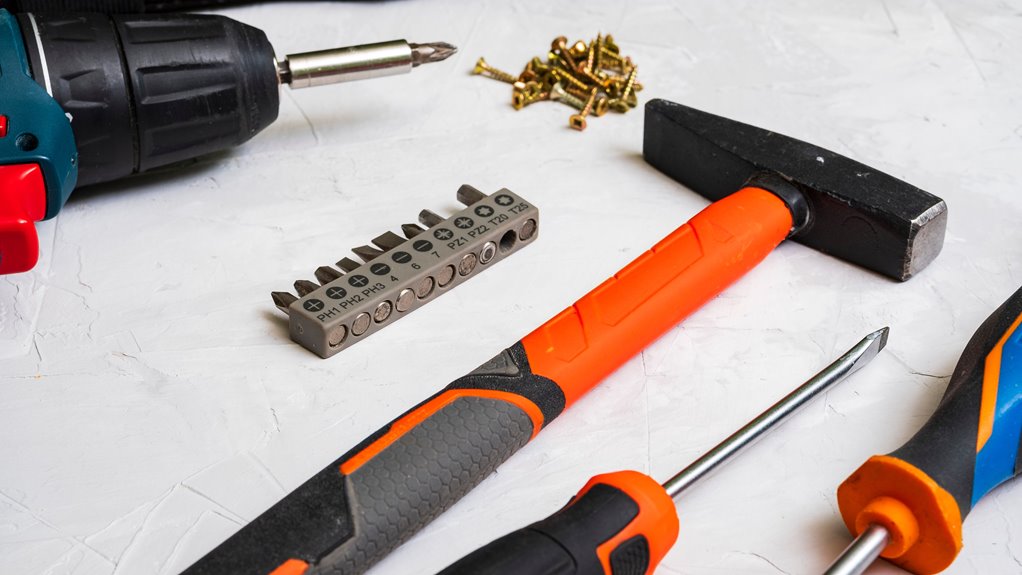
Though it might look like a regular drill, a hammer drill adds a quick pounding action while the bit spins, which helps it bite into hard surfaces like brick, block, tile, and soft concrete. You still hold the tool much like any other drill, so it feels familiar when you start.
For lightweight drilling, that comfort matters, especially when you want control without extra bulk.
- You get a standard three jaw chuck for common bits.
- You can switch to drill only mode when needed.
- You’ll feel the hammering as fast, shallow taps.
- You’ll usually need firm pressure for best bite.
That is why this tool fits jobs where you want a little extra punch, but not the heavy force of a rotary hammer.
Common Uses
You’ll reach for a hammer drill most often when a job calls for light masonry work, and that’s where it really earns its keep. You can use it for tile drilling, small holes in brick, and soft concrete when you want steady progress without bringing in heavier gear.
It also helps with fastener installation, especially when you’re setting anchors or screws into block. Because the hammering action is light, expect it to work best on shorter jobs and smaller bits. You can still switch to drill only mode for wood or metal, which makes it a practical all around tool.
For crews that value efficient results, this drill fits in well and keeps the work moving.
What Is a Rotary Hammer?
Whenever you need to drill into concrete or stone, a rotary hammer gives you the power a regular drill can’t match. You’ll usually notice its stronger impact right away, which can make a difficult job feel more manageable.
In this mechanism overview, the tool components work together with a piston and air pressure system so the bit gets a firm driving action as you work. That setup helps you stay steady when the material pushes back.
- SDS chuck for secure bit retention
- Heavy-duty motor for demanding jobs
- Piston chamber for strong impact action
- Comfort grip for better control
How These Tools Deliver Impact
A rotary hammer delivers impact through a piston and air pressure system, which sets it apart from a hammer drill immediately. You feel a stronger, cleaner hit because its blow generation system sends force directly into the bit instead of depending on a small clutch.
By contrast, a hammer drill uses a cam action for impact delivery, so the blows remain quick but light as the bit turns. That gives you more speed than raw force.
As you work, the rotary hammer lets you apply less pressure while keeping the strike steady. The hammer drill demands more from you, especially when the material becomes tough. This lets you match the tool to the feel you want and stay in control with confidence.
Best Uses for a Hammer Drill
You can use a hammer drill whenever you need to make clean masonry holes in brick, block, or tile without bringing out heavier gear.
It also handles light concrete work well, especially for smaller holes where a rotary hammer would be more tool than you need.
Because it can switch to drill-only mode, it fits nicely into versatile DIY projects around the house.
Drilling Masonry Holes
For small masonry jobs, a hammer drill can be the right tool when the material is fairly soft and the hole size stays modest. You get solid control, and that helps you feel confident on the job. When you’re placing masonry anchors or drilling brick veneer, keep the bit sharp and the pressure steady.
- Mark the spot clearly before you start.
- Hold the drill straight for cleaner holes.
- Let the hammer action do the work.
- Clear dust often so the bit keeps cutting.
Because the impact is light, you’ll want to pause now and then if the bit slows. That keeps the hole cleaner and helps you stay in control. For a small repair, that’s often enough.
Light Concrete Work
When concrete is only slightly harder than brick, a hammer drill can still be the right tool. For light concrete work, you do not need a heavy-duty drill. You can set small anchors, drive fasteners, and keep moving without forcing the tool.
| Task | Fit |
|---|---|
| Small anchors | Great |
| 3/8 inch holes | Strong |
| Thin slabs | Good |
| Soft edges | Careful |
| Heavy drilling | Skip |
Because the hammer action is shallow, you will get the best results when you let the bit do the cutting and apply steady pressure. This helps you stay in control and keeps the job clean. If the surface starts to feel stubborn, stop and check your bit before applying more force.
Versatile DIY Projects
A hammer drill is especially useful when your DIY plans involve several materials, because it can move from brick to wood to metal without forcing you to change tools every few minutes. That flexibility is helpful when you’re working through a weekend list and want to keep making progress. You can use it for furniture assembly, cabinet hardware installation, and other light home repairs.
- Drill pilot holes in brick for shelves.
- Set anchors for wall art and curtain rods.
- Install hinges and pulls with steady control.
- Switch to drill only mode for wood and metal.
You will also appreciate its lighter feel, since it’s easier to guide in tight spaces. If you’re building your space one project at a time, this tool fits in well.
Best Uses for a Rotary Hammer
Whenever you need to drill into tough material, a rotary hammer is the tool that makes the job feel less like a fight.
You reach for it on thick concrete, stone, and heavy masonry where a regular drill starts to stall. It also performs well in demolition work because you can chip away old tile, break small slabs, and handle chiseling concrete without wearing yourself out.
If you’re setting anchors for railings, shelves, or fixtures in hard surfaces, this tool gives you steady control and faster progress. You’ll also appreciate it whenever the job calls for larger holes and less effort on your part.
In other words, it helps you work with the material instead of against it, so the task feels calmer and more manageable.
Which Tool Drills Concrete Better?
Need to drill concrete? You’ll get better results with a rotary hammer. It delivers stronger impact, so your bit cuts into dense slab with less strain and better masonry drilling efficiency. A hammer drill can help on light jobs, but concrete hole speed drops quickly as the hole gets larger or the material gets harder. You’ll feel that difference right away.
- It delivers stronger impact with each blow.
- It keeps drilling in hard concrete with less effort.
- It handles larger holes more confidently.
- It saves time when you need steady progress.
If you’re working with brick or thin concrete, a hammer drill can still suit your crew.
But for tough concrete, the rotary hammer usually wins. You’ll finish faster, and your arms won’t complain as much either.
How to Choose Between Them
Choosing between these two tools gets much easier once you match the tool to the job. If you’re hanging shelves in brick or making a few small holes, a hammer drill usually fits your needs and budget. It’s lighter, easier to carry, and often works well for home projects.
When you face thicker concrete, larger holes, or repeated drilling, a rotary hammer gives you more power and less effort. Consider corded versus cordless as well, because that choice affects runtime and mobility. If you work near outlets, corded models often make sense. If you move around frequently, cordless can feel more flexible.
For your crew, the best tool is the one that saves time without wasting effort.
Hammer Drill and Rotary Hammer Safety Tips
Even a tool that feels simple can bite back if you rush it, so start with the basics before you drill into concrete. You and your crew stay safer when you match the tool to the task and keep a firm grip. Wear eye protection every time because chips can fly fast, and use dust control practices so you aren’t breathing grit all day.
Check the bit, chuck, and cord before you start, then let the tool do the work instead of forcing it.
- Keep both hands on the tool.
- Stand balanced and clear of the bit path.
- Use the right bit for each material.
- Pause if the drill binds or overheats.
A rotary hammer’s stronger impact needs extra respect, while a hammer drill still deserves care. When you stay alert, your whole jobsite feels calmer and more solid.
Frequently Asked Questions
Can a Rotary Hammer Use Regular Drill Bits?
Yes, you can sometimes use regular drill bits in a rotary hammer with the right chuck adapter, but you will get the best results with the proper bit compatibility. Your work will go faster, and your tools will perform better.
Do Hammer Drills Work on Wood and Metal?
Yes, you can drill wood and metal with a hammer drill after switching it to drill-only mode. In that setting, it works like a standard drill and is suitable for wood drilling and metal fastening.
What Is an SDS Chuck?
An SDS chuck is a special chuck design that grips bits with grooves for stronger impact transfer. It offers better compatibility with rotary hammers, and you do not need to tighten bits like you do with standard chucks.
How Much Do These Tools Weigh?
You’ll usually carry a hammer drill at about 3 to 7 pounds, while a rotary hammer often weighs 7 to 15 pounds or more. That heavier build reduces portability, especially for overhead use, so you’ll notice the difference quickly.
Can Rotary Hammers Chisel or Demolish?
Yes, you can use a rotary hammer in chisel mode for light demolition, and it will bite hard into concrete. You can tackle tile, masonry, and stubborn material with more control and less effort.