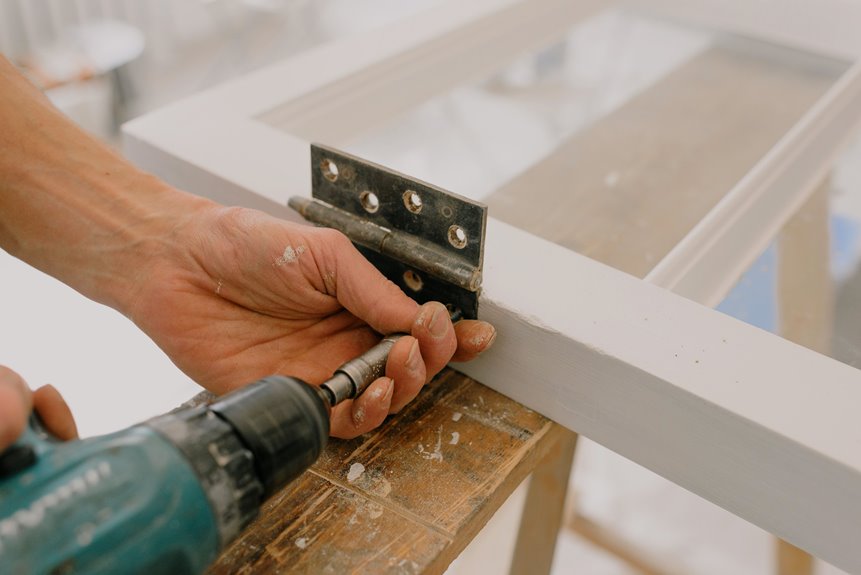

A drill hums in your hand while a loose cabinet hinge waits on the wall, and that small moment can make the whole job feel simpler or messier. You can choose well when you match the tool to the repair, the material, and the finish you want. Then you can weigh power, comfort, corded versus cordless, and the features that truly help. The tricky part is understanding which details matter most, and that choice starts with the job itself.
Start With the Repair Job
Before you pick up any power tool, start with the repair job itself. You’ll make better choices once you define the task, the material, and the finish you want. A quick repair scope analysis helps you see whether you’re hanging a shelf, fixing trim, or tackling a bigger project.
Then a project complexity assessment shows how many steps, skills, and tools you really need. Once the job is simple, keep it simple. That keeps you in control and saves money.
If the work involves cutting, drilling, or fastening, name each action before you shop. You’ll feel calmer and more confident because the tool matches the work, not your guess. That’s how you build a repair plan that fits your hands and your home.
Choose the Right Power Tool Type
You can make a smarter choice when you match the tool type to the job, because not every project needs the same setup.
A corded tool can provide steady power for long work sessions, while a cordless tool gives you more freedom to move around.
For many jobs, the real question is whether you need a drill, a driver, or a task specific tool that fits the material and the work you’re doing.
Corded Vs Cordless
Choosing between corded and cordless tools often depends on how, where, and how long you’ll work, because the right option can make a job feel smoother instead of frustrating.
If you work near an outlet, a corded tool provides steady power and no battery charging delays, so outlet dependence is less of a concern.
If you move around the house or work outdoors, cordless tools offer battery convenience and freedom, which can be especially useful when climbing ladders or moving between rooms.
You also need to consider runtime, since larger jobs can drain a battery quickly.
For light repairs, either option can work well.
For longer tasks, choose the one that lets you keep working with less stopping and starting.
Drill Versus Driver
What’s the tool really meant to do, drill holes, drive screws, or both? You’ll feel more confident once you match the tool to your main job. A drill gives you steady hole drilling in wood, plastic, and light metal. A driver gives you stronger screw driving, so fasteners sink with less strain on your wrist.
- Pick a drill whenever you need clean holes.
- Pick a driver whenever screws keep fighting back.
- Choose a drill/driver whenever you do both often.
- Use the right bit so the tool feels smoother.
- Hold the tool firmly so you stay in control.
While you’re working around the house, that simple choice helps you fit the tool to the job, not wrestle it.
For most small repairs, a compact drill/driver keeps you ready without crowding your shelf.
Task-Specific Tool Choice
The job should lead the tool, because the right tool type can save time, reduce strain, and make the work feel far less frustrating.
Start with project specific planning: ask what you’re actually doing, such as drilling, cutting, sanding, or driving screws. Then consider size. A small picture hanger calls for a compact drill driver, while a bathroom remodel may need a full set. Next, match the tool to the material. Wood, metal, concrete, and plastic each require different tools, bits, and blades, and that match gives you cleaner results. Also check power source, control, and comfort. When a tool feels balanced and easy to guide, you work with more confidence, and you fit right into the crew of capable home fixers.
Corded or Cordless?
If you’re choosing between corded and cordless tools, start with how you’ll actually use the tool. That decision can save you money, time, and frustration. If you work near an outlet, corded tools keep going without battery runtime concerns. If you move around the house, cordless tools give you freedom and reduce the hassle of finding an outlet.
- Choose corded for long, steady jobs.
- Choose cordless for quick fixes.
- Check battery platform compatibility first.
- Match the tool to your space.
- Consider how often you’ll reach for it.
You will get better results when the tool matches the job. A compact cordless drill can feel like a reliable teammate, while a corded saw can power through bigger work without stopping.
Look for the Features That Matter
You don’t need every flashy feature, but you do need the ones that fit your work. If you’re drilling, cutting, or driving screws, look for power, speed control, torque, and safety features that help you stay steady and in control.
When you match those features to the task and material, you’ll get better results and avoid paying for extras you’ll never use.
Essential Power Tool Features
What really makes a power tool worth buying? You want features that help you work well and feel steady. Start with safety features and ergonomic design because they protect your hands and reduce strain during longer jobs.
Then check the basics that make daily use easier:
- A comfortable grip
- Good balance
- Adjustable speed
- An instant stop
- Clear battery or cord information
When a tool fits your hand and your task, you feel more confident and less clumsy. That matters when you’re fixing things around the house and want reliable results.
Also, look for sturdy parts and simple controls because they save time and reduce stress. A tool should support you, not fight you.
Match Features To Tasks
The right features matter most when they match the task in front of you. You don’t need every extra feature; you need the right match between tool and job. Start by naming the task, then align speed, torque, and size with that work.
For drilling wood, a compact drill driver often makes sense. For masonry or metal, tool specification should point you toward a hammer drill or impact driver. Also check battery platform compatibility, since a cordless tool should work with the packs you already trust.
If you’re sanding or cutting, adjustable speed helps you stay steady and safe. Good grip, balance, and a brake matter too, because control matters more than brute force. When you choose this way, your tool feels like part of the crew, not a surprise guest.
Figure Out How Much Power You Need
How much power do you really need? Start by matching the tool to the job, not the other way around.
For small fixes, a lighter drill/driver usually covers your power requirements without wasting money. When you face tougher materials or longer screws, check the torque needs so the tool doesn’t stall halfway through.
- Hanging shelves? Modest power works fine.
- Building furniture? Look for steady torque.
- Drilling into wood? Medium power often feels right.
- Working with masonry? You’ll need more muscle.
- Doing several jobs? Choose a tool with extra headroom.
Once you size up the work first, you make a smarter purchase and avoid buying too much. That saves cash, keeps the job moving, and helps you feel ready for the next repair.
Choose a Tool That’s Easy to Control
Even when you know the job calls for enough power, control can make or break the work, so choose a tool that feels steady in your hands. Balanced tool handling matters because it helps keep the bit from wandering and helps you stay calm. Check the grip and balance before you buy, since a tool that sits well feels less tiring and more comfortable to use.
| What to check | Why it helps |
|---|---|
| Handle shape | Fits your hand better |
| Tool weight | Reduces wobble |
| Center balance | Improves steady aim |
| Speed control | Lets you work gently |
| Trigger feel | Gives smoother starts |
Try the tool if you can, and notice whether it twists hard or stays easy to guide. When the tool feels natural, you will work with more confidence and less strain on your hands.
Set a Budget Without Buying Cheap
A smart budget starts with the job you actually need to do, because that keeps you from paying for power you’ll never use. With clear budget planning, you can spend where it matters and skip the shiny extras that sit in the box. Before you buy, do a quick value comparison between price, durability, and what comes with the tool.
- Match the tool to your task.
- Check whether batteries or bits cost extra.
- Look for sturdy grips and safety features.
- Pay for long life, not just low cost.
- Choose one that fits your future repairs.
That way, you join the crowd of homeowners who buy once, use often, and feel good about it.
Compare the Best Power Tool Brands
Once you have set a smart budget, the next step is to compare brands that can actually deliver the kind of work you need. You want a tool family that feels like yours, not a random shelf pick.
Look first at brand durability, because strong housings, solid batteries, and easy parts replacement save you stress later. Then check warranty support, since a good service plan can turn a bad day into a quick fix. Compare drill speed, torque, and battery platforms so your tools match your repairs. If you use one system, you can share batteries and stay ready.
Also, read how each brand handles comfort and control, because a tool that fits your hand helps you work with confidence. When you choose well, you join a crew that keeps projects moving.
Frequently Asked Questions
How Do I Choose the Right Blade or Bit for My Material?
You choose the right blade or bit by matching the bit type and the cutting edge to wood, metal, concrete, or plastic. Check the label first, and you will get cleaner cuts, safer drilling, and better results.
What Battery Platform Should I Buy for Future Tool Compatibility?
You should buy the platform you will stick with because future tools need the same batteries and chargers. Choose a major brand with a strong charger ecosystem and dependable battery brand loyalty so you stay within a compatible lineup.
How Can I Tell if a Tool Will Be Comfortable to Use?
Comfort feels like a handshake, not a struggle. You will know a tool fits once the grip texture feels secure, the weight balance stays steady, and your hand does not tire quickly. Test it, and trust your comfort.
Which Safety Features Are Most Important for Home Repair Tools?
You should prioritize tool guard systems, kickback prevention features, electronic brakes, and automatic shutoff. They will help keep you safer and more confident. Eye protection, ear protection, and dust control also help you stay prepared when working with others.
When Is It Worth Buying a Higher-Capacity Battery?
You’ll want a higher-capacity battery when your project is a long one, not a quick errand. It provides longer runtime, and if you swap packs often, faster charging can help you keep working with your crew.