
If you have ever stood in the tool aisle wondering whether you need an impact driver or a drill, you are not alone. They may look similar, but they handle very different jobs, and choosing the wrong one can turn a simple task into a minor headache. The good news is that once you understand how each tool works, choosing becomes much easier. Let us sort out what really sets them apart and where each one performs best.
Impact Driver vs Drill: Which Should You Use?
Which tool should you reach for first? Start with the basics of tool selection. Choose a drill when you need clean holes, steady control, or mixed tasks such as pilot holes and light screwdriving.
Choose an impact driver when your project specific tradeoffs favor fast fastening, tougher materials, or lots of screws. You’ll feel the difference right away. A drill gives you smoother rotation and better accuracy, so it fits careful work where you want the bit to stay put. An impact driver pushes harder with less strain on your wrist, which helps when screws resist. When you’re building with friends or tackling a weekend fix, you don’t need the perfect tool every time. You just need the one that matches your job and keeps you moving.
What an Impact Driver Does
An impact driver is built to make screwdriving easier when the job gets tough. You get strong, battery powered fastening with bursts of force that help the bit keep turning when resistance climbs. That means less strain for you and more progress for your crew.
- You start a screw fast.
- The tool adds quick hits of torque.
- You drive long fasteners into dense wood with less effort.
- You keep working with fewer slips and less wrist twist.
With rapid screw driving, you can move through repeat tasks and still feel in control. When the workday gets rough, this tool helps you stay steady, capable, and part of a team that gets it done.
What a Drill Does
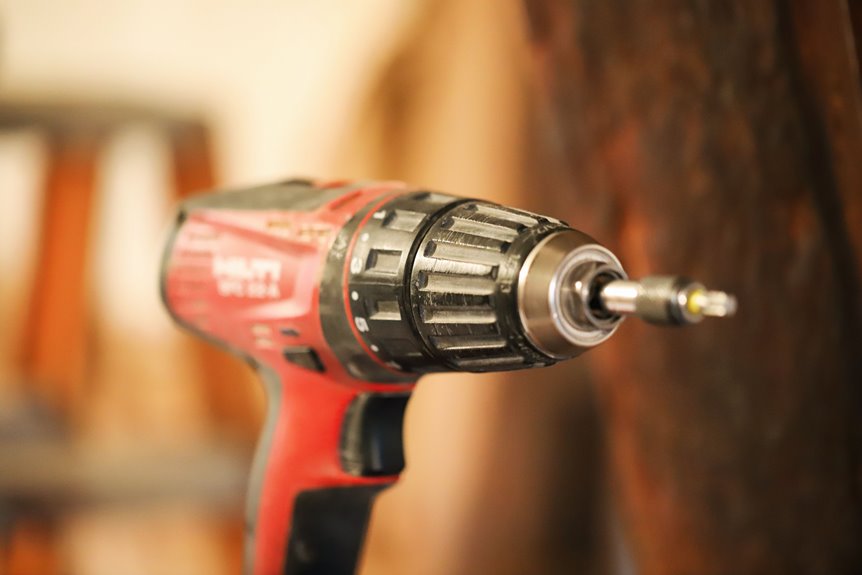
Whenever you need a tool that provides control, a drill delivers smooth, steady rotation that helps you make clean holes and makes light screwdriving easier. You can rely on it when you want the bit to stay centered and the cut to look neat. In basic hole drilling, the drill’s steady motion helps you mark, start, and finish holes with care, so the work feels less stressful.
Chuck compatibility also matters, because the chuck can hold many round shank drill bits and some hex shank drivers. That gives you more options for common home projects. As a result, you can move from small repairs to larger tasks without feeling limited. It’s a practical tool to keep nearby.
Torque and Speed Compared
Power changes the way these tools feel in your hand, and that’s where the gap starts to show. When you need steady control, a drill gives you smooth speed and easier aim. An impact driver trades that smooth feel for high torque, so it pushes harder when resistance climbs. You’ll notice the difference fast:
- A drill keeps turning evenly for cleaner holes.
- An impact driver uses pulse rotation to drive fasteners with less wrist twist.
- The drill’s speed helps with precision and bit placement.
- The impact driver’s force helps when a screw starts to fight back.
Best Jobs for an Impact Driver
For fastening jobs that feel tough or tedious, an impact driver can save you a lot of effort and frustration. You’ll reach for it whenever you need strong, quick turns that keep screws moving in dense wood or heavy hardware.
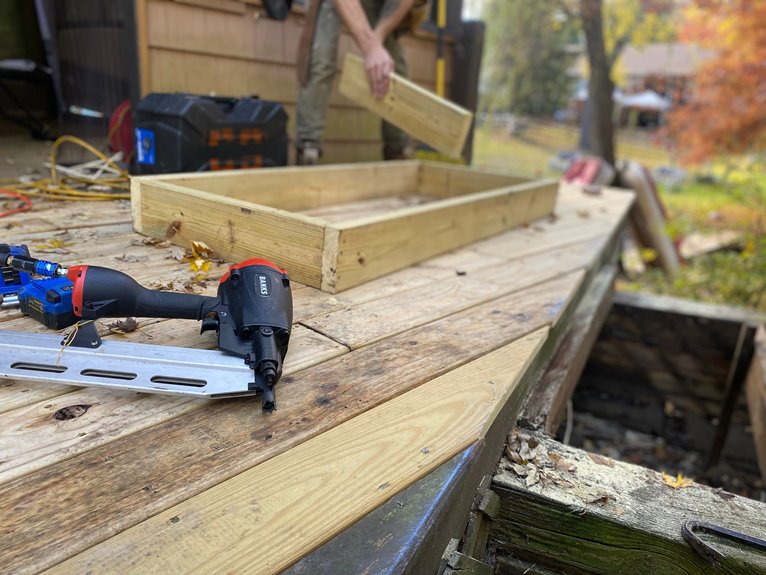
It shines in deck screw driving, where long screws go in fast and with less wrist strain. It also handles lag bolt fastening well, especially when you’re building a deck, fence, or sturdy frame with friends on the job.
Because the tool delivers pulses, it drives stubborn fasteners without making you fight every turn. That means you can work with more confidence and less fatigue. When the task is all about pulling parts tight, this is the tool that fits your crew.
Best Jobs for a Drill
A drill is your best friend because it gives you steady control and clean results. You’ll reach for it whenever the job calls for precise hole drilling, because the smooth spin helps you place each hole exactly where you want it. It also works well for clean screwdriving, since the clutch lets you match force to the task and avoid stripped heads.
- Hanging shelves in wood
- Drilling pilot holes for furniture
- Fastening hardware in plastic or metal
- Mixing light materials with the right attachment
Whenever you want a tool that feels familiar and trustworthy, a drill fits right in. It helps you work with confidence, and that matters whenever you want your project to look sharp and feel solid.
Drill Bits vs Impact Driver Bits
When you already know how a drill feels in your hand, the next thing to understand is the bit itself. Drill bits usually have round shanks that sit well in a chuck, so you get broad choice and steady control. Impact driver bits, by contrast, use a 1/4-inch hex shank because their accessory retention systems need fast swaps and a tight grip during hard hits.
That’s why bit shank compatibility matters so much. If you match the wrong bit to the wrong tool, you may get wobble, slipping, or a stubborn changeover that slows you down. You’ll feel more confident when each bit fits its role.
For clean holes, reach for drill bits. For driving screws, choose impact rated bits built to handle repeated impact like force.
Can One Tool Do Both Jobs?
Yes, one tool can handle both jobs in a pinch, especially if you’re using a drill/driver for light holes and everyday screwdriving.
But once you need more torque, faster fastening, or cleaner, more precise holes, you’ll notice where that combo tool starts to fall short.
Choosing the right tool depends on whether you care more about control, power, or speed.
Combo Tool Capabilities
If you want to keep your toolbox lean, one combo tool can handle both drilling and screwdriving, but it helps to know where each tool really shines. With combo versatility, you can switch jobs without breaking your flow, and many hybrid tool options feel right at home in a shared workspace. You get a sturdy mix of control and convenience, which helps you feel ready for everyday fixes.
Try this simple rhythm:
- Drill pilot holes.
- Drive screws.
- Swap bits fast.
- Keep projects moving.
You’ll still want to match the tool to the task, yet a good combo tool gives you a friendly middle ground. That means less clutter, fewer pauses, and more confidence when you tackle repairs with your crew.
Where It Falls Short
A combo tool can save space and reduce tool changes, but it still has clear limits, and that is where the trade-off appears. It may feel convenient, yet one tool cannot fully match both jobs. It can drill small holes and drive light screws, but it will not provide the same control as a true drill or the power of an impact driver.
| Limit | What You Notice | Why It Matters |
|---|---|---|
| battery limitations | shorter run time | you stop sooner |
| noise reduction | quieter operation | less driving force |
| bit fit | fewer accessory choices | less flexibility |
That is why your projects may slow when the task changes. Still, you are not alone if you prefer keeping things simple and close at hand.
Choosing the Right Tool
While you’re choosing between an impact driver and a drill, the real question isn’t which one is better, but which one fits the job at hand. You don’t need to pick a side. You need the tool that helps you feel confident and in control.
- When you’re drilling clean holes, choose the drill.
- When you’re driving long screws, reach for the impact driver.
- When material compatibility matters, match the tool to wood, metal, or dense stock.
- When budget considerations matter, a drill/driver can handle both jobs for many DIY tasks.
Safety Tips for Better Control
For better control, start with the right grip, the correct bit, and a tool that fits the job. Keep your wrist straight, brace the workpiece, and follow tool handling safety on every move. Tighten your stance before you squeeze the trigger, and stay alert for slipping bits or sudden spin. For controlled fastening, use steady pressure, not force, so the tool can work without jerking.
| Tip | Why it helps |
|---|---|
| Use both hands whenever you can | It steadies the tool |
| Match the bit to the fastener | It reduces cam-out |
| Keep a firm grip on the workpiece | It lowers kickback |
| Pause when the bit binds | It protects your hands |
Wearing eye protection and gloves also helps you stay calm and confident while you work.
How to Choose the Right Tool
Now that you know how grip, stance, and bit choice affect control, the next step is picking the tool that matches the job, not just the one that feels powerful in your hand. You don’t need to guess. You can match the tool to the task and feel confident in the choice.
- Choose a drill whenever you need clean holes, steady control, or repeated bit changes.
- Choose an impact driver whenever you’re driving long screws into dense wood or metal.
- Check corded versus cordless based on where you work and how long you’ll run it.
- Compare budget and brand so you get reliable performance without overspending.
If you do both drilling and fastening, a combo set can help you work with confidence and move quickly.
Frequently Asked Questions
Which Tool Is Quieter During Use?
A drill is quieter. An impact driver produces louder, sharper bursts that raise noise levels. The drill creates a calmer sound profile, so it is better suited for shared jobsites and less likely to disturb others.
Do Impact Drivers Work Well With Countersink Bits?
Not really. You will usually get better countersink compatibility with a drill. An impact driver’s pulses can reduce bit stability, cause wandering, and lead to overcutting. If you must use one, choose a hex-shank countersink bit and go slow.
How Do Battery Sizes Affect Performance?
Battery size affects how long you can work and how much power you get. Higher voltage can increase performance, while more amp-hour capacity gives you longer runtime. Choose both based on your project and pace.
Can Either Tool Be Used One-Handed Safely?
Yes, you can use either one-handed in some cases, but you need good one-handed control and tool stability. For safer operation, keep your other hand nearby, brace your stance, and avoid awkward or overhead work.
Which Tool Is Better for Overhead Work?
You’ll usually prefer an impact driver for overhead work. Its lighter weight, reduced kickback, and easier control of ceiling fasteners help you work longer. For example, when hanging lights, you’ll feel better balance and less fatigue than with a drill.