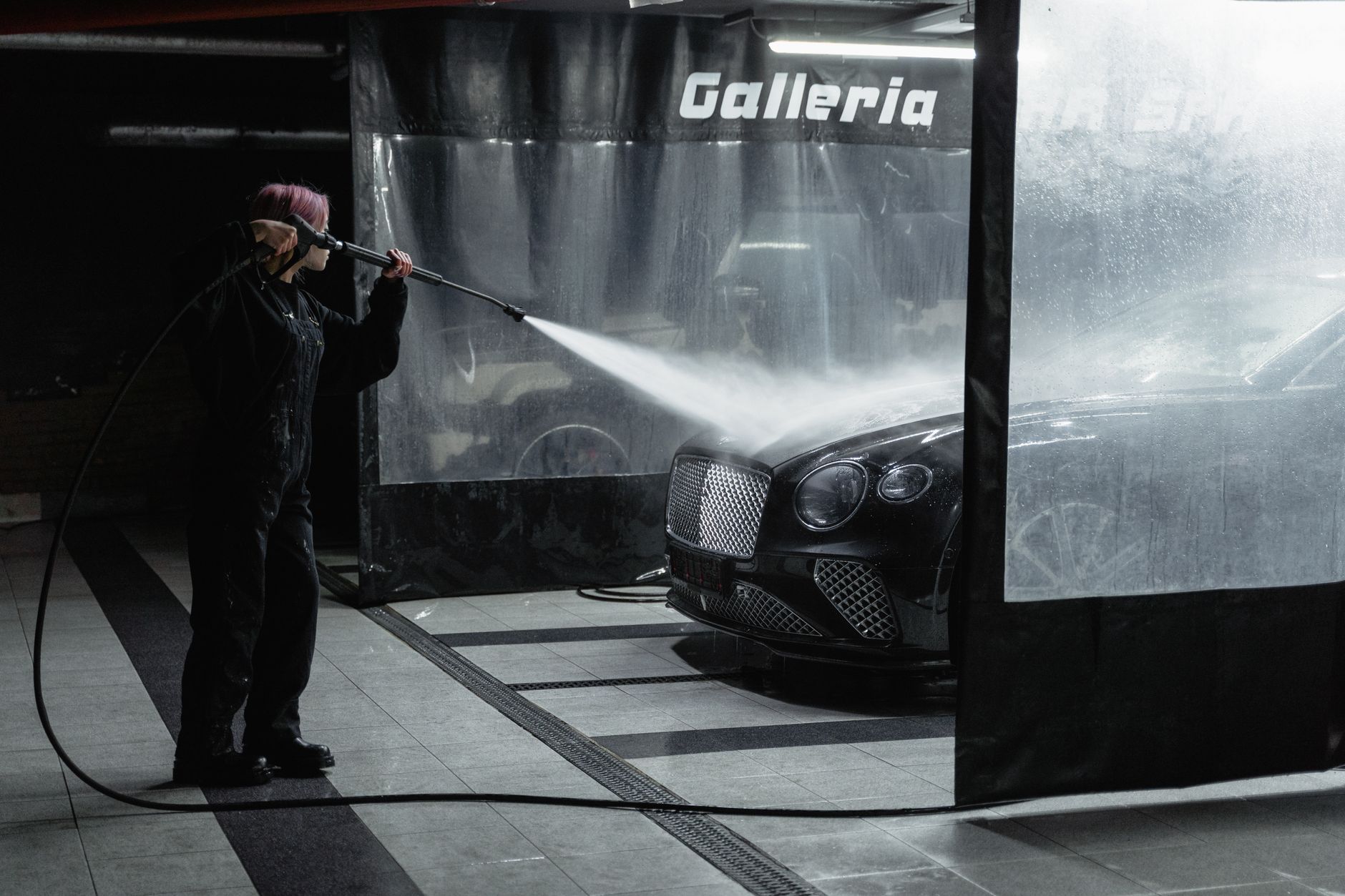

Every few uses, a quick cleaning, inspection, and service of the pump, hoses, nozzles, and power source helps the unit keep steady pressure. To keep a washer working, you check water flow, remove grit, change engine oil on gas models, and store the machine dry before wear turns into a breakdown.
This checklist is for homeowners who want a clear pressure washer maintenance schedule for weekly use, seasonal storage, and the common fixes that stop weak spray and startup trouble.
The Core Routine Every Washer Needs
A five-minute inspection before startup catches most problems while they are still small. A cracked hose jacket, a loose fitting, or a clogged water inlet filter changes flow before you pull the trigger, and that shows up quickly at the wand.
Pressure washer maintenance checklist starts with the water path, then moves to detergent residue and spray control. That order matters because the pressure washer pump depends on steady inlet flow, and the spray nozzle controls back pressure at the tip.
- Check hoses closely for cuts, bulges, kinks, and soft spots near the couplers.
- Inspect fittings and seals for drips, cracked O-rings, and loose hand-tight connections.
- Clean the water inlet and screen so grit cannot starve the pump.
- Flush detergent residue through clean water after each soap job.
- Match nozzle and pressure to the surface so the machine does not strain.
Run plain water through the system for about 60 seconds after soap work. That clears the detergent path and keeps dried residue from narrowing internal passages in the detergent system.
A narrow nozzle on soft wood can scar the grain, while a wide fan tip on concrete spreads flow and eases load on the pump. That small choice changes wear, noise, and the way the wand feels in your hands, so the setup step is part of the repair bill you avoid later.
When you build this habit into every job, the rest of the routine gets easier to manage. The next step is matching that basic care to the power source in front of you.
Because the basics now feel manageable, the power source becomes the next practical dividing line.
Gas And Electric Models Need Different Care
That first split shows up the moment you look under the shroud. Gas units and corded units age in different ways, so the service list should separate right away.
Gas machines ask for engine oil, spark plug attention, and air filter service; electric units care more about cords, moisture control, and the water inlet filter.
| Model Type | Service Focus | Wear Point To Watch |
|---|---|---|
| Gas pressure washer | Engine oil, spark plug, air filter, fuel condition | Hard starting, rough idle, exhaust soot |
| Electric pressure washer | Cord care, inlet screen, hose condition, dry storage | Tripped power, weak motor sound, moisture at housing |
| Both types | Nozzle cleaning, hose inspection, detergent flush, fitting check | Weak spray, pulsing, leaks, uneven fan pattern |
Gasoline-powered pressure washers also depend on clean combustion air. Briggs & Stratton engine guidance follows the same principle you see in small engines across the yard: dirty air or old oil changes the way the engine starts and loads under pressure.
Electric pressure washer maintenance stays simpler, but water and electricity still hate each other. Keep moisture out of the motor housing, coil the cord without tight bends, and watch the inlet screen for grit that can make the pump sound harsh under load.
Lowe’s maintenance advice mirrors that practical split, and the logic is sound: the power source dictates the service path. Once that division is clear, a schedule by use helps you keep track without guessing.
That split makes a usage-based schedule the easiest way to stay organized without guesswork.
A Maintenance Schedule By Usage Frequency
That service split becomes easier to manage when you tie it to how often the machine runs. A pressure washer needs different attention after a quick patio rinse than after a full driveway wash.
A schedule tied to use keeps the machine from going stale between jobs and cuts down on surprise issues at startup.
- Before each use check for leaks, damaged hoses, weak spray patterns, and secure fittings.
- After each use flush detergent residue and release pressure at the trigger before storage.
- Monthly or after heavy use clean filters, inspect nozzles, and clear buildup in the detergent path.
- Seasonally review wear items, record replacements, and service the machine before long storage gaps.
A house with two concrete pads and a fenced deck will put a machine through more cycles than a small townhouse rinse. That difference is why a pressure washer maintenance schedule works better than a vague reminder to check it sometime.
Here is a practical example. A homeowner who washes a car every other weekend and the patio twice a month should inspect the nozzle, inlet screen, and hose ends before every use, then do a deeper filter and seal check at the start of each season.
Once you link service to actual use, the pump and engine stop feeling unpredictable. The next section explains why the internal parts last longer when you protect them from dry running and neglected oil.
Frequent use changes the wear pattern, and that is where pump and oil care start to matter.
Pump Care, Lubrication, And Oil Service
That usage pattern matters because the pump lasts longer when it never runs dry. Water cools and cushions the moving parts inside the pressure washer pump, so dry running can raise heat and wear the seals in a short burst.
Do not pour pump oil into a consumer pump unless the manual names that service. Many units use sealed or maintenance-light designs, and random oiling can create a mess without helping wear.
Lubrication guidance splits by design. Some pumps use pump protector for off-season storage, while others need no routine fluid service at all. The manual is the final word because pump styles vary from axial cam to triplex, and those internals do not age the same way.
Gas units add engine oil into the picture. Change it on the schedule in the manual, then check the spark plug and air filter at the same service stop. A clean plug gives a steadier spark, and a clean filter keeps dust from scratching the cylinder walls.
A second useful detail sits in the detergent system. Soap left to dry inside the lines can harden into a partial plug, which raises pump load on the next run. That is why pump care and after-use flushing belong together, not as separate chores.
Once you protect the pump from heat, dryness, and grime, pressure loss becomes easier to diagnose. The next section shows you where to look first when the spray feels weak.
Protected internals delay trouble, but a weak spray usually points to a few checks worth making first.
Why Pressure Falls Off And What To Check First
Weak spray usually starts at the tip, not the pump. A partially clogged spray nozzle changes the stream shape, and the pump reacts with pulsing or a thin, uneven fan that feels weaker than it should.
Nozzle And Spray Path Problems
Clean or swap the nozzle first when pressure drops, because the tip is the smallest opening in the system. A pin-sized grit particle can matter more than a worn seal, and that tiny blockage creates the classic stutter you feel at the trigger.
Use a nozzle needle, rinse the tip from the back side, and check for mineral scale. Hard water leaves deposits that shrink the orifice, and the stream loses force even though the motor still sounds normal.
Water Supply, Hoses, And Fittings
A restricted inlet starves the pump and makes the machine act tired. Check the hose bib, water inlet filter, supply hose, and quick-connects for leaks or bends before you blame the motor.
Low pressure that stays after cleaning the nozzle often points to clogged detergent parts, worn seals, or a failing unloader valve. The unloader routes flow when you release the trigger, so a sticky valve can trap pressure behavior that looks like a larger pump problem.
That troubleshooting order saves time because the easy failures are also the common ones. A worn hose clamp looks minor until air sneaks into the line and breaks the spray pattern, so start outside the pump before opening anything deeper.
With the spray path checked, you can protect the machine at shutdown instead of waiting for cold weather to expose a mistake. The next section covers storage and pressure washer winterizing step by step.
A weak spray often leaves clues at shutdown, especially once cold weather makes overlooked steps obvious.
Shutdown, Winterizing, And Storage That Prevent Damage
That shutdown routine matters because trapped water and leftover soap cause the most avoidable damage. After soap work, run clean water through the machine until the output looks clear.
That short rinse moves detergent out of the hose, wand, and pump passages before residue has time to harden.
- Shut off the source and squeeze the trigger to release trapped pressure.
- Run clean water through the unit for a brief flush after detergent use.
- Drain visible water from hoses, gun, and accessories before cold weather storage.
- Add pump protector only where the manufacturer calls for it in freezing climates.
- Store clean and dry in a shed, basement, or garage away from extreme heat and cold.
Winterizing matters because trapped water expands as it freezes. That pressure can crack fittings, split housings, or damage the pump seal stack, and a small crack shows up later as a leak the next time you start the unit.
Seasonal maintenance also includes a quick parts check before the machine sits unused for months. Mark any hose with a soft section, any nozzle with a poor spray, and any plug or filter that looks tired so the spring startup is smoother.
That final inspection helps you separate normal wear from a deeper failure. The last section shows where maintenance stops helping and repair becomes the better move.
When storage is handled well, any remaining trouble is easier to spot as wear rather than neglect.
When Maintenance Is No Longer Enough
That line gets clear when wear parts keep failing in the same spots. Nozzles, hoses, seals, spark plugs, and filters take the hardest hits, so replacement parts are part of normal ownership, not a sign that the unit is finished.
Persistent pressure loss after cleaning the nozzle, checking the inlet, and flushing the detergent line points to deeper wear. Leaks around the pump body, oil in places that should stay dry, or startup trouble after correct service suggest the pump or engine needs repair attention.
iFixit repair notes echo the same pattern on small equipment: repeat failures usually point to a part that is worn beyond routine service. A machine that starts, runs, then fades fast after each fix is telling you the internal wear has moved past maintenance and into repair.
Swap the part that fails most often, then retest under real load. A washer that still loses pressure after that step has earned a shop visit, because repeated symptom chasing wastes more time than a proper teardown.
At that point, a proper teardown beats another round of symptom chasing.
What To Remember
Strong pressure comes from steady flow, clean passages, and the right service at the right time. Once you treat inspection, flushing, engine care, pump care, and storage as one routine, your machine stays ready for the next job instead of waiting for a breakdown.
FAQ
What maintenance does a pressure washer need?
It needs hose and fitting checks, nozzle cleaning, inlet screen cleaning, detergent flushing, and seasonal storage care. Gas units also need oil changes, spark plug checks, and air filter service, while electric units need cord care and moisture control.
Do I need to lubricate my pressure washer pump?
Only use pump protector or pump lubricant where the manual calls for it. Many consumer pumps are sealed or designed for light service, so random oiling can cause more trouble than it solves.
What is the most common problem with pressure washers?
A clogged nozzle or restricted water path causes a large share of pressure loss problems. Check the tip, inlet screen, hose, and fittings before assuming the pump has failed.
How often should I change the oil in my pressure washer?
For gas models, follow the manual on engine oil intervals, since engine size and run time change the schedule. Fresh oil helps the engine start easier and run cooler under load.
How do you winterize a pressure washer?
Drain water from the hoses, gun, and pump path, then add pump protector only where the manual allows it. Store the unit dry and out of freezing temperatures so leftover water does not crack internal parts.
What maintenance is different for electric pressure washers?
Electric units need more attention to the cord, inlet screen, hose condition, and moisture around the motor housing. They do not need engine oil or spark plug service, which keeps the routine simpler but not optional.