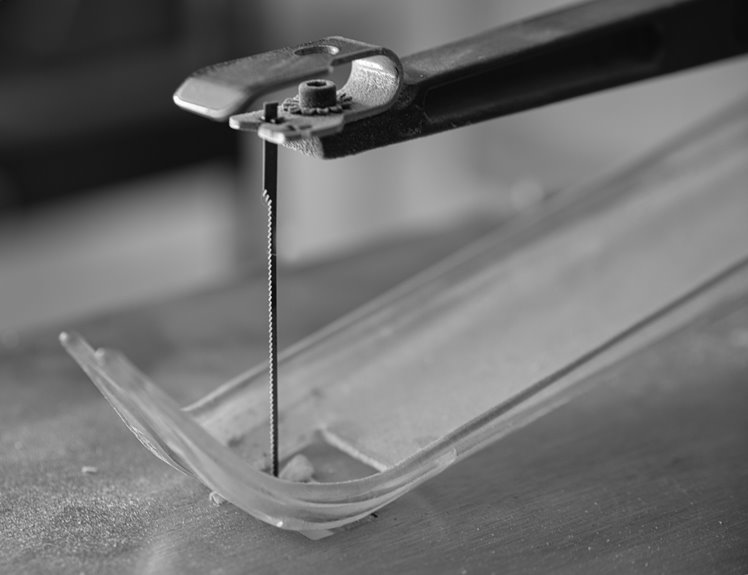

If you have ever watched a thin blade follow a tight curve like a pencil tracing a hidden path, you already know the appeal of a scroll saw. It is used for clean, precise cuts in wood, plastic, and thin metal, especially when making curves, cutouts, fretwork, ornaments, name plaques, puzzle pieces, or inlays. It excels at detailed work, and the key is choosing the right blade and material, since that affects the final result.
What Is a Scroll Saw Used For?
A scroll saw is used when you need clean, precise cuts that other saws can’t handle well. You’ll use it for tight curves, delicate shapes, and interior openings in wood and thin materials. Its anatomy includes a small up and down blade, a flat table, and a light frame that helps you guide each cut with control. In its history, makers valued it for fretwork, ornaments, and small parts that require a careful touch. It’s a good choice for letters, puzzle pieces, and fine joinery. You don’t need brute force here. You need steady hands and a tool that gives you confidence and control.
Scroll Saw Project Ideas for Woodworkers
As you want your scroll saw to do more than sit on the bench and look impressive, project ideas can open up a new world of making. Start with name plaques, fretwork signage, and layered ornaments that show off your style. Then try decorative toys, puzzle pieces, and small keepsakes that feel personal enough to give as gifts.
You can also make frames, holiday shapes, and inlay parts for boxes whenever you want a project that feels useful and special. When you enjoy detail, cut letters, animals, or floral patterns that invite praise from other woodworkers.
These projects help you build skill, confidence, and a sense of community, because every finished piece gives you something real to share, trade, or display.
How Scroll Saws Cut Curves
You watch the blade move up and down so quickly that it bites into the wood in tiny, controlled steps.
That motion lets you guide tight curves without forcing the saw, so you stay in control even on delicate shapes.
With gentle turning techniques, you steer the workpiece instead of muscling it, which makes clean curved cuts feel manageable.
Blade Oscillation
Whenever the blade moves up and down so quickly, it doesn’t just cut wood. It also helps the saw steer through curves with surprising ease.
You can think of blade oscillation mechanics as the rhythm that keeps each tiny tooth biting, then clearing, then biting again. That steady action lets you follow flowing lines without fighting the tool.
As oscillation frequency effects change, you notice how the cut feels smoother or more aggressive, so you can match the blade to your project. This matters when you’re shaping letters, ornaments, or delicate parts that need a gentle touch.
Because the blade stays narrow and active, you stay in control and feel less resistance. So, as you work on detailed shapes, you aren’t forcing the wood, you’re guiding it.
Tight Curve Control
Tight curve control is where the scroll saw really shows off its calm, careful nature. You guide the workpiece with both hands, and the narrow blade lets you follow each turn without forcing it. That steady motion helps you create delicate contour shaping in ornaments, letters, and detailed cutouts. Instead of fighting the line, you stay close to it, so the saw feels more like a partner than a machine.
| Move | Result | Feeling |
|---|---|---|
| Slow feed | Cleaner arc | Confidence |
| Gentle pivot | Less tearing | Ease |
| Short pauses | Better control | Trust |
| Light pressure | Smoother edge | Calm |
When you are cutting these tight paths, you fit in with the craft, and your piece starts to look exactly as you envisioned it.
Precision Turning Techniques
A scroll saw makes curves feel manageable because its thin blade cuts with tiny, quick strokes that let you steer the workpiece with real control. You guide the wood with gentle pressure, and the blade follows your turns without fighting you.
That’s what makes precision turning feel natural, even as the pattern gets tight. As you rotate the piece, keep your hands calm and let the saw do the slicing. Small shifts help you maintain turning accuracy on letters, ornaments, and pierced cutouts.
Because the blade stays narrow, you can change direction quickly and stay close to the line. As you shape delicate curves, you aren’t forcing the tool, you’re working with it, and that gives your cuts a clean, confident finish.
Scroll Saw Uses for Plastic and Metal
You can use a scroll saw to cut thin plastic with clean, careful curves, and it also handles soft metals like aluminum or brass when you work slowly.
The key is choosing the right blade, since a fine tooth blade helps you get smoother cuts and less chipping or grabbing.
With the right setup, you can make neat, detailed shapes without turning a simple project into a wrestling match.
Cutting Thin Plastics
Whenever you need to cut thin plastics cleanly, a scroll saw can be a practical choice.
You can guide thin plastics with steady hands and get smooth plastic cutouts without the rough edges that can make projects frustrating. Because the blade moves in a tight up and down rhythm, you stay in control around curves, letters, and small shapes. That matters when you want neat results for signs, models, or craft pieces. You’ll also appreciate how little pressure you need. Let the blade do the work, and the plastic is less likely to crack or chip. With the right blade and a calm pace, you can turn clear, colored, or patterned sheets into crisp details that look polished and personal.
Slicing Soft Metals
Soft metals like aluminum, brass, copper, and thin silver can feel tricky at first, but a scroll saw gives you the control to handle them with confidence.
You can make clean slicing cuts when the sheet stays thin and flat, so your project feels steady instead of stressful. As you guide the work slowly, the blade follows curves, openings, and tiny details with care. That helps your parts fit better, and it makes it easier to shape ornaments, letters, and small craft pieces.
You still need a gentle touch, since soft metal can bend if you rush. With patience, your scroll saw becomes a reliable tool for delicate metal work, and you can achieve results that look polished and precise.
Blade Choice Tips
For plastic and metal, blade choice matters as much as steady hands because the wrong blade can make the cut chatter, melt, or snag. You’ll do better with fine blade types and sharp tooth geometry since they clear chips and reduce heat. For plastic, pick a blade with fewer teeth per inch so it doesn’t gum up.
For thin metal, choose a tighter tooth pattern and slower speed, which helps you stay in control. If you’re unsure, test on a scrap first and listen for smooth cutting, not squealing. That small check can save your part and your patience. When the blade fits the material, you feel more confident, and your cuts look cleaner too.
Why Crafters Love Scroll Saw Detail Work
Crafters love scroll saw detail work because it lets you turn a simple piece of wood into something that feels alive with pattern and personality. You can join a crowd of makers who enjoy decorative fretwork and detailed ornamentation because the saw follows tight curves with ease.
| Feature | Why it helps | Feeling |
|---|---|---|
| Fine blade | Cuts tiny lines cleanly | Confidence |
| Slow control | Shapes delicate edges | Calm focus |
| Sharp turns | Follows ornate designs | Fulfillment |
When you work this way, you do not fight the wood. Instead, you guide it, and that steady control makes the process feel welcoming. Small cutouts, letters, and lace like edges all come out crisp, so your projects look thoughtful, not rushed. That is why detail work pulls you in and keeps you coming back.
Make Puzzle Pieces, Inlays, and Patterns
Once you start using a scroll saw for puzzle pieces, inlays, and patterns, the work feels less like cutting and more like building an image from the inside out. You guide the blade through tight turns, and each piece starts to fit with purpose. That makes you feel like part of a creative crew, not just someone working alone in a shop.
For puzzle projects, you can shape interlocking parts that invite hands to play. For inlays, you can carve clean spaces that let different woods sit together with quiet style. For patterns, you can trace graceful lines, layered ornaments, and decorative fretwork with steady control.
How to Choose the Right Scroll Saw Blade
Because the blade does most of the real work, choosing the right scroll saw blade can make your project feel calm instead of frustrating. You are not guessing alone. You are matching the blade to the cut you want. Start with blade geometry and tooth selection, since they shape speed, control, and edge quality.
| Cut need | Blade choice | Why it helps |
|---|---|---|
| Tight curves | Narrow blade | Turns easily |
| Fine detail | Small teeth | Leaves smoother edges |
| Faster cutting | Coarser teeth | Clears waste quickly |
| Delicate work | Thin blade | Feels more controlled |
If you are making precise patterns, pick a blade that tracks well and stays steady. Whenever the teeth fit the job, you will feel more confident at the saw, and your cuts will follow your plan with less stress.
What Materials Work Best on a Scroll Saw?
Wood choices can make or break your scroll saw project, and the good news is that you have more safe options than you might expect. Softwoods like pine and basswood usually work well, along with hardwoods such as maple, cherry, and birch when you want crisp detail.
These woods support clean curves, small bridges, and pierced cuts without fighting your blade. Plywood can work too, as long as the layers are tight and smooth. For more variety, you can also cut thin plastic and light metal with the right blade, but material compatibility matters each time.
Choose pieces that are flat, dry, and not too thick, and your cuts will feel steadier, smoother, and more rewarding.
Scroll Saw Safety Tips for Clean Cuts
For cleaner cuts and safer work, set up your scroll saw carefully before the blade touches the wood. Keep your fingers a safe distance from the blade, and let the saw do the work instead of pushing hard. Use workpiece support close to the cut so the piece won’t chatter or tip, especially on tiny parts that can move unexpectedly.
Tighten the blade properly, since a loose blade can wander and damage the edge. Wear eye protection, and use dust control to keep your line clear and breathing easier. Check that the table is clean, the light is bright, and your stance feels steady. When you stay calm and prepared, your cuts feel smoother and your shop feels safer.
Frequently Asked Questions
Can a Scroll Saw Cut Engraved Designs?
Yes, you can cut engraved designs with a scroll saw by using engraved pattern techniques and decorative detail cutting. This lets you create precise curves, pierced openings, and fine ornamentation that give your work a polished, personal finish.
How Do I Avoid Blade Drift on Tight Curves?
To avoid blade drift on tight curves, slow down, keep blade control firm, and make each cut in small, controlled bites rather than rushed pushes.
What Is the Best Scroll Saw Speed for Beginners?
You’ll usually start at a medium speed, then lower it for better control. Use the speed settings to practice, learn blade control, and build a steady beginner rhythm. This helps you gain confidence, reduce mistakes, and cut smoother curves.
Can Scroll Saws Make Beveled or Angled Cuts?
Yes, you can make beveled cuts on a scroll saw, and sometimes angled joinery too. Think of the blade as a fixed guide; you tilt the workpiece, not the saw, to shape clean, precise results.
How Often Should Scroll Saw Blades Be Replaced?
You should replace your scroll saw blades whenever you notice dull cuts, burning, or drift. Blade lifespan varies with use and material. If you are cutting often, check for replacement signs after each project.