Dust cleanup looks different in a wood shop, a nail studio, and a garage corner, but the frustration is the same: debris gets everywhere, clogs tools, and turns routine work into a mess. You’ll find full-size collectors, cyclone separators, hose kits, and smaller extractors here, so you can match the setup to your space instead of forcing the wrong tool into place. The right choice usually comes down to airflow, filtration, portability, and how much cleanup you want to do later.
Quick Look At The Shortlist

POWERTEC Dust Collector Bag with 4″ Key Hose Clamps
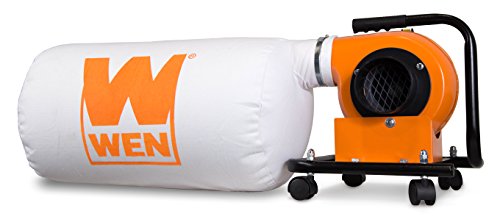
WEN Woodworking Dust Collector DC3401

DEWALT Dust Separator DXVCS002 6 Gallon Poly Tank

SAVILAND Nail Dust Collector with Lamp 40W

MelodySusie Advanced Cordless Naill Dust Collector SProR

DEWALT Dust Separator DXVCS003 10 Gallon Stainless Steel Tank

Dust Right Flexiport Power Tool Hose Kit 3 To 12′
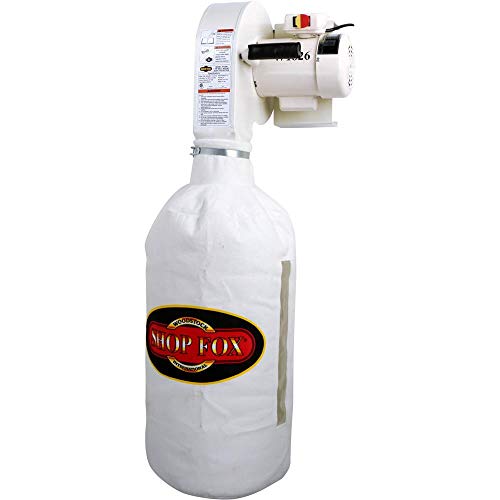
Shop Fox W1826 Wall Dust Collector
More Details On Our Top Picks
This bag makes the most sense for a planer station that already has a 4-inch dust port and needs a straightforward catch solution. The 30-micron rating means it is aimed at capturing larger dust, so you should expect shop cleanup support rather than fine filtration alone.
Compared with the bigger machine-style picks below, this one is compact and easier to live with in a tight workspace. It also lines up well with DeWalt DW735 and DW734 setups, plus several WEN planers, which keeps the fit story simple.
Strong Points
- 4-inch hose clamps help secure the connection without a lot of fuss.
- Built for specific planer and collector compatibility, which saves guesswork during setup.
- Small footprint suits a bench or compact woodworking area.
- 30-micron capture helps reduce the amount of debris left around the machine.
Things To Consider
- 30-micron material is better for coarse cleanup than finer dust control.
- It works as an accessory, so the rest of your collection setup still matters.
- Bag upkeep and clamp checks are part of regular ownership.
Feature Snapshot
Who It Suits Best
You’ll get the most out of this in a small wood shop where a planer sees regular use and you want a direct-fit bag without extra bulk.
A Better Fit Elsewhere
WEN Woodworking Dust Collector DC3401 suits you better when you want a full collector with more all-around shop coverage.
For a small woodworking shop, this WEN unit sits in a useful middle ground between a simple bag setup and a more specialized separator. The 5.7-amp motor and 12-gallon bag give it a practical footprint for daily use, and the mobile base helps when your bench layout changes often.
The optional wall mount matters more than it sounds, because shop space disappears fast once tools and lumber start competing for the same corner. The honest read is that this is friendlier to a flexible garage shop than to someone who wants the smallest possible footprint.
What We Like
- 12-gallon bag gives you a useful amount of collection capacity.
- Mobile base makes it easier to roll the unit between work areas.
- Optional wall mounting opens up space on the floor.
- 5.7-amp motor suits general woodworking cleanup instead of light touch-ups only.
Worth Noting
- The bag style means routine emptying is part of ownership.
- Mobility helps, but it still asks for dedicated shop room.
- Wall-mount use depends on your layout and available support surface.
Details At A Glance
Made For
You’re the best fit for this model if you want a shop collector that can move around, then settle into a more permanent corner later.
Another Choice May Suit
Shop Fox W1826 makes more sense for you when wall mounting is the main goal and floor space is tight from day one.
This separator is the most specialized tool in the list, and that matters because cyclone-style collection is built to pull heavier debris out before it reaches the rest of your vacuum system. The 6-gallon poly tank keeps the package lighter than a metal drum, which helps in workshops where you move gear around often.
Compared with the WEN collector, this one is less about whole-shop coverage and more about protecting the rest of your cleanup chain. You may find it especially useful in a saw-heavy garage where chips pile up faster than fine dust.
Bright Spots
- 99.5% efficiency rating signals strong separation performance on paper.
- Cyclone setup helps keep larger debris out of the main vacuum path.
- 6-gallon poly tank keeps the structure lighter than steel.
- Useful for extending the life of downstream cleanup equipment.
Areas To Watch
- It is a separator, so it still depends on the rest of your vacuum setup.
- Poly tank construction feels less rugged than stainless steel for some shops.
- Tank capacity may suit moderate jobs better than long production runs.
Core Details
Right Fit For
You’re the right fit for this separator if you already use a compatible vacuum and want a better first stage for wood chips and heavier dust.
Where A Sibling Pick Shines
DEWALT Dust Separator DXVCS003 suits you better when you want the same style of setup with a larger stainless steel tank.
A nail station needs a very different kind of collector than a wood shop, and this SAVILAND model makes that difference obvious with its built-in lamp and compact vacuum format. The 40W setup is aimed at acrylic and gel nail work, so it fits salon tables, home manicure setups, and routine polishing sessions.
The lamp is the part that gives it a little extra value, especially in low-light spaces where detail work matters. The trade-off is simple, though: it is purpose-built for nail dust, not general workshop debris.
Reasons To Buy
- Built-in lamp helps brighten the work area during detail tasks.
- 40W design is sized for nail dust collection rather than oversized bulk.
- Reusable filter supports routine upkeep without constant replacement thinking.
- Low-noise design suits salon desks and home setups where sound matters.
Room For Improvement
- It is specialized for nail care, so it does not translate to other shop jobs.
- Liquid contact is something to avoid during regular use and cleaning.
- Pink styling may not fit every studio aesthetic.
Feature Card
Built With In Mind
You’ll appreciate this most in a nail room where tidy dust control and better task lighting both matter on the same desk.
Swap It Out When
MelodySusie Advanced Cordless Naill Dust Collector SProR fits you better when portability matters more than an attached lamp.
Cordless design changes the whole feel of a nail dust collector, especially for mobile tech work or a home setup that gets rearranged often. The 3500RPM motor speed and three suction modes give you more control over how strongly it pulls during different services.
Compared with the SAVILAND lamp model, this one leans harder into mobility and adjustable suction. You may find the portable format a better match for travel kits or shared stations, though the trade-off is that cordless gear needs more attention to charging and battery routine.
Highlights
- Cordless format makes table setup easier in changing workspaces.
- Three suction modes help match different nail tasks.
- 3500RPM rating suggests strong airflow for its size class.
- Reusable filter keeps day-to-day maintenance straightforward.
Small Caveats
- Cordless convenience comes with battery management.
- Best suited to nail work, not broader cleanup needs.
- Mobile use can make filter care and storage more important.
At A Glance
Whose Shelf It Belongs On
You’re the best match for this model if your nail work moves between rooms, events, or shared table space and you want a cordless setup.
Reach For A Different Pick When
SAVILAND Nail Dust Collector with Lamp 40W suits you better when built-in lighting matters more than cable-free flexibility.
This DEWALT separator is the more workhorse-oriented sibling to the 6-gallon version, and the stainless steel tank is the first clue. Stainless steel usually fits better in a rougher shop environment, where dents, moisture, and long-term wear matter more than shaving off a little bulk.
The 10-gallon size also gives you more breathing room before emptying, which helps in larger garages or busier tool stations. You may find it a better match than the WEN collector if your setup already revolves around vacuum-based separation rather than a stand-alone dust bag system.
Best Bits
- 10-gallon tank supports longer work sessions between emptying stops.
- Stainless steel construction feels better suited to hard use.
- Same cyclone-style separation approach as the smaller DEWALT model.
- Useful for heavy chip loads in busy woodworking spaces.
Points To Note
- It still works as a separator, so system compatibility matters.
- Metal tank adds more weight than the poly version.
- Larger size may take more storage space in compact shops.
Feature Rundown
Perfect Match For
You’re the right fit for this separator if your garage shop sees frequent cutting and you want a tank size that reduces stop-and-dump moments.
Look Elsewhere When
DEWALT Dust Separator DXVCS002 makes more sense for you when lighter handling matters more than extra tank volume.
This hose kit is less about one big machine and more about making your current tools easier to connect and move around. The expandable 3-to-12-foot hose gives you useful reach for table saws, shop vacuums, and other woodworking tools without tying your setup to one rigid length.
Compared with the dedicated collectors in this roundup, it’s the most adaptable choice for a mixed-tool workspace. That flexibility is the real point, though the trade-off is that hose kits do not replace the capture strength of a proper collector or separator.
Positives
- Expandable hose gives you a wider working range.
- Four FlexiPorts make tool connection more adaptable.
- Lightweight build helps reduce drag on portable setups.
- Good fit for shops that switch between several power tools.
Softer Spots
- It is an accessory, so it depends on the equipment behind it.
- Hose kits need tidy storage to avoid kinks and clutter.
- Best suited to woodworking tools rather than all-purpose cleanup.
Quick Facts
The Right Fit
You’re the right fit for this kit if your shop changes from one tool to another and you want more hose flexibility than a fixed connector offers.
A Better Fit Elsewhere
WEN Woodworking Dust Collector DC3401 suits you better when you want a complete collector rather than a hose-first setup.
Wall-mounted collectors make a lot of sense in small shops, because floor space is often more valuable than extra portability. The 2.5-micron filtration spec is the standout here, and that finer rating gives this model a cleaner edge than the bag-focused POWERTEC accessory.
The honest read is that this style works best when your shop layout is already fairly settled. Once it’s up, the setup can stay out of the way while still serving a dedicated woodworking area.
Standout Traits
- Wall-mounted format helps preserve floor space.
- 2.5-micron filtration targets finer dust than the bag accessory pick.
- White finish keeps the look simple and neutral.
- Good fit for a fixed shop corner or garage wall.
Minor Gripes
- Wall placement asks for a more committed installation plan.
- Less portable than the WEN collector and the cordless nail model.
- Best suited to a semi-permanent workspace rather than a changing layout.
Spec Overview
Whose Shelf It Belongs On
You’re the best match for this collector if your shop has a fixed wall area and you want a tidy, space-conscious setup.
Skip It When
Dust Right Flexiport Power Tool Hose Kit 3 To 12′ fits you better when your tools move often and wall mounting would feel too permanent.
How To Choose The Right Dust Collectors
Match The Tool To The Mess
Wood shavings, fine sanding dust, nail powder, and hose-adapter cleanup all ask for different gear. A planer bag such as the POWERTEC pick works for a defined machine connection, while a wall unit like Shop Fox W1826 makes more sense for a fixed shop corner.
That contrast matters because a general-purpose collector can feel oversized in a narrow workspace, while a small accessory can feel underpowered for a busy table saw. The cleaner your use case, the easier the choice becomes.
Check Capacity, Filtration, And Port Style
Capacity tells you how often you’ll stop to empty or swap out debris, so 12 gallons or 10 gallons can suit a busier garage better than a smaller catch bag. Filtration is a different story, since a 2.5-micron or 30-micron rating changes how finely the unit is meant to trap dust.
Port size and hose compatibility can be the quiet dealbreaker. A 4-inch connection, for example, fits common woodworking gear far better than a vague universal promise.
Think About Mobility Versus Permanence
Mobile bases and cordless designs help in spaces that change week to week. The WEN collector and MelodySusie nail unit both serve that moving-around lifestyle, while a wall-mounted Shop Fox setup suits a shop that already has a fixed plan.
There’s a simple trade-off here: more flexibility usually means more setup decisions, and more permanence usually means less rearranging later. Pick the style that matches how steady your workspace really is.
Mind The Real-World Maintenance Load
Reusable filters, bags, and tanks all need routine attention, and that’s part of living with any collector. Stainless steel feels tougher to keep in shape over time, while poly tanks and fabric bags are lighter but ask for a bit more care.
You’ll also want to think about storage, especially with hose kits and mobile units that can sprawl across a small garage. A tidy system saves time every week, which is often worth more than a flashy spec sheet.
What To Weigh Before You Order
Common Shopping Slip Ups
A lot of trouble starts with a mismatch between the machine and the space. A wall collector in a shop with no spare wall, or a nail vacuum in a woodworking bench, creates more friction than it solves.
Port size gets ignored too often. A 4-inch dust port, a hose kit, and a separator each serve a different role, so checking the connection points first saves you from a return later.
What The Higher Tier Buys
More money usually goes into tank material, capacity, mounting flexibility, and filtration detail. That’s why a 10-gallon stainless steel separator feels more substantial than a smaller poly-tank model.
Spending up makes sense when your workspace sees steady use and downtime is a nuisance. For lighter weekend work, the simpler bag or hose option often keeps things sensible.
Final Thoughts
Your best match depends on how your workspace actually runs, not just how dusty it looks on a bad day. A small planer setup, a fixed garage wall, a mobile nail table, and a mixed woodworking bench all call for different tools, and this list covers that spread without forcing one answer. The easiest way to narrow it down is to start with your main machine, then work backward to capacity, filtration, and placement. Get those three right, and the rest falls into place.