Dust control changes the feel of a shop fast. A good setup keeps sawdust from drifting into your cuts, your vacuum filter, and the corners you clean twice a week anyway.
The mix below covers full dust collectors, cyclone separators, reducer fittings, and saw-specific kits, so you can match the gear to your space instead of forcing one tool to do everything. Some picks suit a small garage shop, while others make more sense for heavier woodworking or tighter hose transitions.
Quick Look At The Shortlist
POWERTEC Dust Collector Fittings 70331

POWERTEC 70190 Y-Fitting Connector

Dust Right Dust Separator + 36″ Hose
WEN Woodworking Dust Collector DC3401

Fulton Woodworking Tools 4 to 2-1/2 Inch Reducer

DEWALT Dust Separator 6 Gallon Poly Tank DXVCS002

Milescraft 1500 DustCutter Contractor Saw System

DEWALT Dust Separator 10 Gallon Stainless Steel Tank DXVCS003
More Details On Our Top Picks
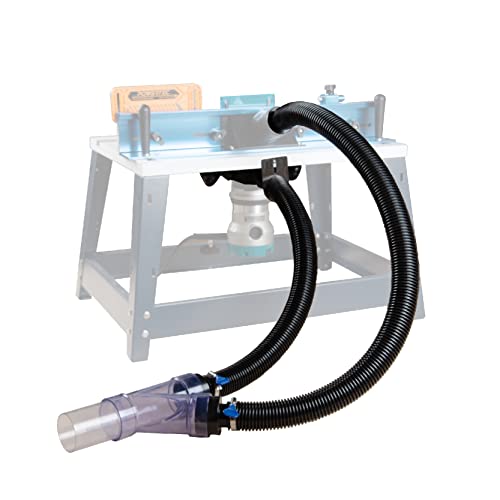
Router-table dust control often comes down to fit, and this POWERTEC set speaks directly to that problem. It’s built around Y fittings, hoses, and reducer pieces, so you can match a shop vac to compact woodworking gear without improvising every connection.
The honest read is that this is a niche piece, not a full collector. That makes it a strong match for small benches, portable setups, and tool owners who need a cleaner hose path, but the note about lift router tables matters because compatibility isn’t universal.
Strong Points
- Connects several common hose and fitting sizes, which saves you from piecing together random adapters.
- Works well for a router-table station where a tidy, direct dust path matters.
- Helps a shop vac pull dust from the tool instead of letting debris drift across the bench.
- Useful for compact workshops where space for full duct runs is tight.
Things To Consider
- It’s a fitting kit, so you still need the rest of your vacuum setup in place.
- Compatibility is specific, and lift router tables are excluded here.
- You may need to check port sizes closely before planning a build around it.
Feature Snapshot
Who It Suits Best
You get the most value here from a woodworker building a compact router-table station around a shop vac.
Where A Sibling Pick Shines
POWERTEC 70190 4-Inch by 2-1/2-Inch Y-Fitting Dust Collection Hose Connector suits general hose splitting better for straightforward duct branching.
This connector is all about making two hose sizes play nicely together. A 4-inch branch paired with a 2-1/2-inch side is a common shop problem, and a Y-fitting like this keeps the layout cleaner than stacking odd adapters.
For a garage shop with a mix of tools, that matters more than it sounds. You’re not buying airflow magic, you’re buying a neater path for dust travel, and that usually makes setup easier to live with day after day.
Positives
- Simplifies hose transitions between larger and smaller ports.
- Helps you build a tidier dust line with fewer loose connections.
- Fits well in mixed-tool setups where one hose size rarely serves everything.
Worth Noting
- It solves routing, not suction, so the rest of the system still matters.
- You’ll want to confirm your hose diameters before ordering.
Core Details
Made For
You’ll appreciate this most in a workshop where several tools share one vacuum path.
Another Choice May Suit
Fulton Woodworking Tools 4 Inch To 2-1/2 Inch Reducer fits better for a single size-change connection without the branching shape.
A cyclone separator earns its keep in a shop that makes a lot of chips. This Dust Right setup turns a standard shop vacuum with a 2-1/4-inch inside-diameter outlet into a two-stage collector, which means the heavier debris gets handled before it reaches the vacuum.
That usually means less filter clogging and less loss of suction during longer cleanup sessions. The 10-gallon translucent bucket also helps you see fill level at a glance, which is handy in a busy woodworking space where you do not want to guess.
Highlights
- Separates larger debris before it reaches the vacuum, which helps the filter work less hard.
- The 36-inch flex-form hose gives you some reach without making the setup feel rigid.
- The translucent bucket makes debris level easier to monitor during shop cleanup.
- Well suited to sawdust, wood chips, and mixed shop debris in a woodworking space.
- Extends the usefulness of a shop vacuum by adding a cyclone stage in front of it.
Room For Improvement
- It’s still a vacuum add-on, so you need a compatible shop vac to get started.
- The bucket takes floor space, so tiny benches may feel crowded.
- Long hose runs can be clunky in very tight corners.
Details At A Glance
Right Fit For
You’re in the sweet spot here if your shop throws a steady mix of chips, sawdust, and general debris into a vacuum.
A Better Fit Elsewhere
DEWALT Dust Separator 10 Gallon Stainless Steel Tank DXVCS003 suits larger cleanup loads better for shops that want more tank room.
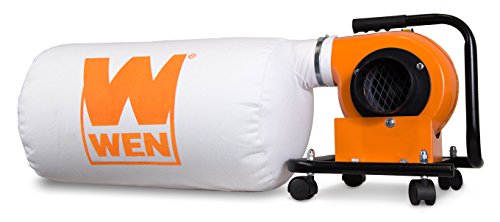
The WEN DC3401 moves into full collector territory rather than adapter territory. A 5.7-amp motor, 12-gallon bag, and mobile base make it a more serious shop fixture, especially for a garage where you want dust captured near the tool and rolled aside later.
The optional wall mount gives you a little flexibility in how the unit lives in the shop, which is useful in narrower work areas. Compared with the separator-focused Dust Right pick, this one is the better fit for someone who wants a dedicated dust collector instead of a vacuum accessory stack.
Best Bits
- The 12-gallon bag gives you more room for collected debris than small vacuum add-ons.
- The mobile base helps you move the unit around a working shop without a struggle.
- Wall-mount option adds layout flexibility in spaces where floor room is precious.
- Built for woodworking cleanup, not just quick dust touch-ups.
Areas To Watch
- It takes more floor or wall planning than a simple hose adapter.
- The bag style means you’ll need to stay on top of emptying and cleanup.
- It makes more sense in a dedicated shop than in a tiny multi-use corner.
Technical Sheet
Whose Shelf It Belongs On
You get the best match here from a hobby woodworker or home shop owner who wants a dedicated collector with room to grow.
Swap It Out When
Dust Right Dust Separator + 36″ Hose fits better for a shop vac setup where you want debris separation without moving up to a full collector.
Small adapters like this often save a shop from awkward hose mismatches. A 4-inch to 2-1/2-inch reducer is the kind of part you reach for when a dust collector line and a shop vac line need to meet in the middle.
That makes it especially useful in mixed-tool spaces where one machine uses larger ducting and another runs on a smaller port. The trade-off is plain enough, you’re solving fit, not improving collection power, so the rest of the system still has to be sensible.
Reasons To Buy
- Makes common duct-size transitions easier to manage.
- Helps keep your shop setup cleaner and less improvised.
- Useful in a garage that mixes full collector gear with shop vac tools.
Points To Note
- It’s a small part, so it doesn’t change suction on its own.
- You’ll need to confirm the two opening sizes before ordering.
- Like many adapters, it’s most helpful when the rest of the run is already planned well.
Quick Facts
Built With In Mind
You’ll value this most in a multi-tool workshop that needs one clean transition between hose diameters.
Look Elsewhere When
POWERTEC 70190 Y-Fitting Connector suits branching layouts better for setups that need one line to split into two paths.
This DEWALT separator sits in a sweet spot for mobile vacuum stations. The 6-gallon poly tank gives you a compact footprint, and the cyclone design is aimed at catching more of the debris before it reaches the vacuum side of the setup.
That matters in real shops where filters clog faster than you’d like after repetitive cleanup. Compared with the Dust Right separator, this one feels like a more self-contained tank-and-cyclone package for someone who wants a durable, compact station.
Upsides
- Compact tank size works well where floor space is limited.
- Cyclone separation helps keep the vacuum portion from handling the heaviest debris.
- Good fit for mobile stations that move between tools.
- Useful in a shop that handles mixed dust and chips from woodworking tasks.
Softer Spots
- Six gallons is still a modest tank, so larger cleanup jobs may fill it quickly.
- You’ll want a steady place for the station, since compact units can still tip into clutter in a packed shop.
- It’s geared more toward vacuum-based dust control than full duct runs.
Feature Card
The Right Fit
You’ll get the most from this in a small shop that wants a compact cyclone station without extra bulk.
Where A Sibling Pick Shines
DEWALT Dust Separator 10 Gallon Stainless Steel Tank DXVCS003 is the better match for bigger debris loads and longer cleanup sessions.
Contractor saws are awkward places to manage dust, so a saw-specific system makes sense here. The Milescraft 1500 is shaped around that problem, which is a very different job from the universal fittings and separators above.
In a home workshop, that specificity can make setup feel much less improvised. You may still need to think through how your saw sits in the room, but for table saw owners who want a dedicated collection system, the fit is clear.
What We Like
- Purpose-built for contractor saw cleanup rather than general hose management.
- Helps keep debris under control where saw work throws dust in a wide pattern.
- Good option for a wood shop that centers around a table saw.
Small Caveats
- It’s specialized, so it makes less sense as a general shop solution.
- Layout around the saw still matters, especially in tighter garages.
Spec Overview
Who Should Grab It
You’re the best match here if your table saw runs most of the dust-producing work in the shop.
A Better Fit Elsewhere
WEN Woodworking Dust Collector DC3401 suits mixed-tool shops better when you want a more general collector instead of a saw-specific setup.
This DEWALT model is the roomiest option in the group, and the stainless steel tank gives it a more substantial feel than the smaller poly tank version above. A 10-gallon separator makes sense for heavier cleanup cycles, especially in shops that generate a lot of chips or want fewer emptying stops.
The higher capacity is the real story here. It won’t shrink your shop, of course, but it does reduce how often you have to stop and tend the collector, which is a steady advantage in bigger work areas or busier weekend builds.
Best Bits
- 10-gallon tank gives you more room before the collector needs attention.
- Stainless steel tank construction should feel more durable in a working shop.
- Cyclone separation is suited to debris-heavy cleanup sessions.
- Good fit for larger garages and more demanding woodworking routines.
Honest Caveats
- It takes more space than the smaller 6-gallon DEWALT separator.
- Heavier capacity usually means more planning around placement and storage.
- It still works best as part of a vacuum-based cleanup system, not a whole-shop duct network.
Core Details
Built With In Mind
You’ll appreciate this most in a larger shop that throws serious amounts of dust into the collection system.
Skip It When
DEWALT Dust Separator 6 Gallon Poly Tank DXVCS002 is the easier fit for tighter spaces and lighter-duty mobile stations.
How To Choose The Right Dust Collector Systems
Match The System To Your Shop Layout
Start with the space itself. A router-table fitting kit or reducer works well in a compact garage, while a 12-gallon collector or 10-gallon separator asks for real floor room and a clear path around the base.
Short hose runs usually stay simpler to maintain, and wall-mount options can help where every square foot matters. A bigger tank or bag makes sense only when you have the space to reach it and empty it without awkward lifting.
Choose Based On The Kind Of Dust You Make
Fine sawdust, larger chips, and mixed debris do not behave the same way. Cyclone separators help by pulling the heavier material away before it reaches the vacuum, which is useful in woodworking sessions that create a lot of shavings and mess.
Contractor saws and router tables each create their own dust patterns, so a saw-specific system or a tight-fitting router kit can work better than a broad, general setup. That fit matters more than marketing language.
Check Hose Diameters And Ports First
Diameter is the detail that trips people up most often. A 4-inch to 2-1/2-inch reducer is useful because it bridges common sizes, but the connection still has to match your machine port and hose style.
Y fittings are handy when one vacuum needs to serve more than one tool, yet they do not replace a properly planned run. The cleaner your connection path, the less frustration you usually face during cleanup.
Think About Maintenance Before You Commit
Bag collectors, poly tanks, and translucent buckets all ask for different kinds of upkeep. A clear bucket helps you watch fill level, while a larger tank can stretch out the time between emptying sessions.
Also think about storage and cleaning. Some setups roll out of the way easily, some hang on the wall, and some are just small fittings that live in a drawer until you need them.
What To Weigh Before You Buy
Common Shopping Slip Ups
One common miss is buying a separator or fitting when you really need a full collector. Another is ignoring hose size until the day you try to connect everything and realize the parts do not line up the way you hoped.
Space causes trouble too. A large tank looks appealing on paper, but in a narrow shop it can become the thing you keep stepping around.
What The Higher Tier Buys
More expensive units usually give you larger tanks, sturdier materials, or a more complete separation setup. Stainless steel tanks, mobile bases, and cyclone layouts cost more because they’re built to handle repeated use with less fuss.
That extra spend makes sense for busy woodworking spaces, heavier cleanup routines, or anyone tired of emptying tiny containers every other session. For a light weekend shop, a simpler fitting kit or reducer may cover the need just fine.
Closing Thoughts
The right dust collection setup depends less on brand names and more on the shape of your work. A router-table owner, a table saw user, and a mixed-tool garage all need different parts of the same solution. Match the hose sizes, the debris load, and the space you actually have, and the rest gets much easier to live with. For most shops, that practical fit matters more than any shiny feature list.