Access control gets easier to manage once you match the hardware to the space. A single office door, a small gate, a two-door setup, and a four-door building all ask for different levels of wiring, control, and day-to-day upkeep. The right pick keeps entry smooth for approved users without turning setup into a weekend project. You also get a cleaner path for expansion later, which matters more than most product pages admit.
The Shortlist At A Glance
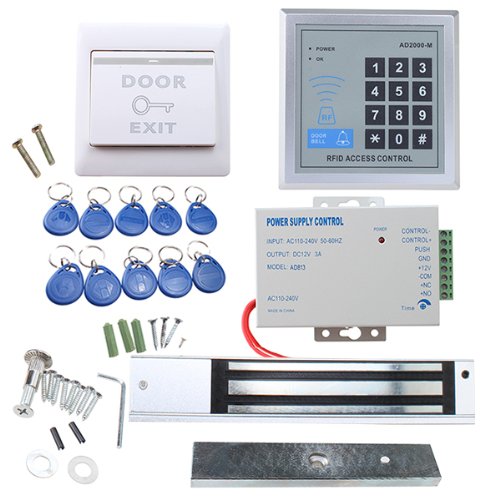
AGPTEK RFID Door Access Control System Kit 280kg Magnetic Lock

Amico 12 Pack GFCI Outlet 15 Amp Thinner Design
FERUERW Access Control Outswinging 600lb Electromagnetic Door Lock
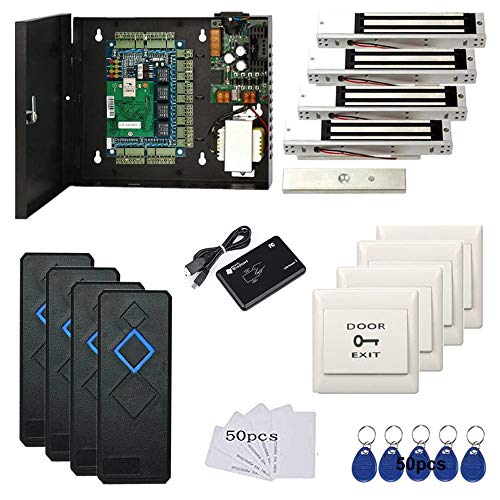
4 Door Access Control System with 600lbs Magnetic Lock

2 Door Access Control System with 600lbs Magnetic Lock

Electric Strike Lock TCP/IP Network Single Door Access Control Board
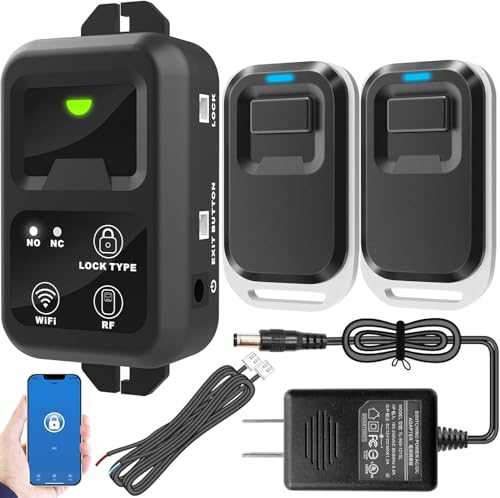
GSM Gate Opener RTU5024 Mobile Phone Access Controller

4 Doors Access Control System Core Control Components Metal 5A

Upgraded Electric Strike Door Lock Kit Wireless Remote Buzzer
That 280 kg magnetic lock suits a small office door or a home workspace that needs controlled entry without a sprawling rack of extras. The keypad, ten key fobs, and exit button give you a practical mix for daily use, while the 110-240V AC to 12V DC power spec makes the electrical side feel more adaptable than bare-bones kits.
The honest trade-off is that magnetic locks favor straightforward door access over fancy features, so your installation plan matters. Compared with the more networked MENGQI-CONTROL kits later in the list, this AGPTEK setup stays simpler and easier to picture for a first-time install.
Strong Points
- RFID fobs and keypad access cover several entry habits, which helps when different people use the same door.
- Exit button support keeps leaving the room simple for daily traffic.
- The 12V DC, 3A, 36W power input gives you a clear electrical target for planning.
- That 620 lb holding force gives the lock a solid fit for light commercial or home office doors.
- The kit format reduces the guesswork of gathering each part separately.
Points To Note
- Magnetic locks need a clean door and frame alignment, so setup accuracy matters.
- It leans more toward direct access control than advanced software management.
- Owners commonly prefer a tidy cable route and a stable mounting plan for long-term reliability.
Feature Snapshot
Who Should Grab It
You get the most from this kit in a home office, a small reception area, or a single-entry setup where you want clear access control without a steep learning curve.
Where A Sibling Pick Shines
MENGQI-CONTROL B01N2TS99Z suits you better for a larger site with four doors and a more centralized control plan.
This 12-pack works well for a renovation job, a garage refresh, or a property that needs several matching receptacles at once. The thinner body helps in crowded electrical boxes, and the included wall plates and screws take some of the shopping scatter off your plate.
Weather-resistant construction makes more sense here than it would in the AGPTEK door kit, because outlets often need to serve indoor and outdoor spots in the same project. You may still want a careful installation plan, since GFCI outlets usually reward neat wiring and a clean box fit.
What We Like
- The slim housing can make tight electrical boxes easier to work with.
- Self-test behavior adds a maintenance-friendly touch for busy homes and rental spaces.
- LED indication gives a quick visual cue that many installers appreciate.
- Wall plates and screws are included, which helps keep a project moving.
- Indoor or outdoor use broadens where you can standardize the same outlet style.
- Coming in a dozen means you can cover multiple rooms or a longer run more evenly.
Small Caveats
- Outlets still depend on correct wiring, so careful installation matters more than the low-profile shell suggests.
- The white finish is clean and plain, which fits many spaces but does not try to blend invisibly.
Core Details
Best Suited To
You get the most value here for a remodel, a landlord turnover, or a property owner standardizing several outlets at once.
Look Elsewhere When
AGPTEK B00IDVNAT6 fits you better when the real need is door access rather than electrical outlet replacement.
The outswinging-door focus makes this FERUERW kit easier to place in a space where a standard inward-swing assumption would be wrong. Two remote controls and the built-in alert tone give you a hands-on control path that feels suited to a small shop, side door, or service entry.
Compared with the AGPTEK kit, this one leans a bit more toward active monitoring through the alert tone, which is handy when the door needs a clearer status cue. One thing worth considering is the mounting alignment on an outswinging door, since clean fit matters a lot with magnetic hardware.
Highlights
- Built for outswinging doors, so the door style is clear from the start.
- 600 lb magnetic holding force gives it a serious-duty feel for controlled entry points.
- Two remotes make simple access handling easier for a small team.
- The alert tone can help you notice a door that is not sitting right.
Areas To Watch
- The magnetic setup depends on accurate placement, which is common for this category.
- Remote-based control suits a direct workflow better than a large, layered access network.
- Cleaning and checking the contact surfaces helps preserve consistent operation over time.
Details At A Glance
Right Fit For
You get the best fit here for an outswinging side entry, a stockroom, or any spot where a remote-controlled magnetic lock is easier to manage than a full software stack.
A Better Fit Elsewhere
MENGQI-CONTROL B01N2TS99Z makes more sense for a multi-door site that wants centralized control from one panel.
This MENGQI-CONTROL package speaks to a site that has outgrown single-door shortcuts. You get a four-door panel, magnetic lock support, an RFID reader, exit button, enroll USB reader, RFID cards, key fobs, and app-based remote opening, so the ecosystem feels built for a front desk or a busy internal corridor.
Compared with the simpler AGPTEK and FERUERW kits, the trade-off is obvious, more moving parts usually mean more planning. For most small businesses, that extra control makes sense only when several doors need to behave the same way.
Reasons To Buy
- Four-door support keeps the system useful as a site grows.
- The mix of cards, fobs, and app opening covers different access habits.
- Enroll USB support helps with adding credentials from a computer workflow.
- The 600 lb lock rating gives the door hardware a solid anchor point.
- The 110V power supply box is a familiar fit for many building setups.
- Remote opening can be useful at a reception desk or staff entrance.
Honest Caveats
- Four-door systems take more planning than a single-door kit.
- The deeper feature set rewards organized setup and ongoing admin attention.
- Dust, loose cabling, and poor label discipline tend to become more noticeable in larger installs.
Spec Overview
Whose Shelf It Belongs On
You get the most out of this system in a growing office, a staff-only zone, or a building where four doors need one access plan.
Another Choice May Suit
MENGQI-CONTROL B0BWJL4V63 fits you better when you only need to cover two doors and want a leaner setup.
This two-door version sits in a useful middle zone, not as spare as a single-door kit and not as involved as the four-door MENGQI-CONTROL panel above. The panel, RFID reader, exit button, enroll RFID USB reader, key fobs, card support, and phone app remote opening give you enough range for a small suite or two connected entry points.
The phone-app angle helps this pick feel modern without drifting into overcomplication. For a small team, that balance matters, especially where one door faces staff traffic and the other handles restricted access.
Upsides
- Two-door control fits a compact office or a small back-of-house layout.
- Phone app access adds convenience for remote opening tasks.
- RFID, cards, and fobs keep credential options flexible.
- The included power supply box and reader gear keep the package cohesive.
- 600 lb magnetic lock support gives both doors a firm hold.
Minor Gripes
- Two doors are still enough to benefit from organized setup notes and labeling.
- The app feature is useful, though some spaces will still lean on simple card use more often.
- Compared with the single-door AGPTEK kit, installation is a little more involved.
Feature Card
Perfect Match For
You get the best fit here for a small office with two controlled entries, or a workspace that wants app control without the scale of a four-door system.
Where A Sibling Pick Shines
AGPTEK B00IDVNAT6 makes more sense for a single entry where you want a simpler kit and fewer parts to manage.
The TCP/IP piece is the clue here, since it points to a networked setup rather than a simple standalone door lock. For a tech-managed site, that often means easier coordination with a phone app and a stronger fit for a door you expect to monitor from farther away.
Unlike the magnetic-lock kits above, this one leans into electric strike hardware, which suits some frames and latch styles better. The honest read is that it asks for more planning, but the payoff shows up in a cleaner network-based workflow.
Best Bits
- TCP/IP networking suits a connected access plan.
- Single-door focus keeps the scope manageable for one main entry.
- The 110V metal power supply fits the system into a sturdier hardware package.
- Exit button and phone app opening support everyday use.
- Electric strike hardware works differently from a magnetic lock, which can help with certain door frames.
Softer Spots
- Networked control can feel more technical than a basic RFID kit.
- Electric strike fit depends on your door hardware and frame layout.
- Long-term reliability tends to improve when wiring and labeling stay tidy.
Technical Sheet
Built With In Mind
You get the most from this pick in an office entry, a server room, or another door that needs connected control more than a simple lock-and-fob routine.
Where Shoppers Go Wrong
FERUERW B0BRQ1KNGC is the safer match for outswinging doors that need a straightforward magnetic setup rather than networked strike hardware.
This UHPPOTE gate opener is built for remote access, which makes it useful for a driveway, a gate at a second property, or a place you only visit now and then. GSM control means the mobile network does the work, so you do not need to stand right beside the gate to send a command.
Compared with the indoor access kits above, this one feels more like perimeter control than door control. That difference matters, because the right fit here is a gate that benefits from phone-based opening instead of a compact office entry.
Bright Spots
- GSM control supports remote opening through mobile service rather than short-range hardware.
- SMS-based control can suit a gate you manage from a distance.
- The controller format keeps the setup focused on one job.
- Useful for properties where you want access without standing at the gate.
Room For Improvement
- Mobile-network dependence means coverage quality matters in real use.
- It is more specialized than the room-by-room systems in the rest of the list.
- Gate installations often benefit from careful weather-proof planning and cable protection.
Core Details
Who Will Love This
You get the best fit here for a rural gate, a second home entrance, or a property where phone-based control is more useful than a keypad at the door.
Skip It When
AGPTEK B00IDVNAT6 makes more sense for a small interior door where a keypad and RFID fobs are enough.
This MENGQI-CONTROL system is the more infrastructure-minded sibling to the other four-door pick. The 5A metal power supply, TCP/IP panel, Wiegand controller, computer-based software, and remote opening support point to a setup that belongs in a more organized office or facility environment.
Compared with B01N2TS99Z, this version reads a bit more like core hardware for a system already planned around network control. For a site with a manager or admin handling credentials, that extra structure can save a lot of mess later.
Standout Traits
- Four-door coverage gives you room to manage a larger entry layout.
- The TCP/IP panel supports a networked control approach.
- Computer-based software can help with organized access administration.
- Wiegand support makes it easier to fit into a familiar access-control ecosystem.
- The metal power supply and 5A rating point to a system built for sustained wired use.
Worth Noting
- This is a more involved system, so clear labeling and planning matter.
- Computer-managed control suits organized environments better than casual one-off use.
- Routine upkeep often means checking wiring, terminal tightness, and software setup discipline.
Feature Rundown
The Right Fit
You get the most from this pick in a larger office, a managed facility, or any space where several doors need one organized control system.
Where Another Pick Fits Better
MENGQI-CONTROL B0BWJL4V63 is easier to live with for a two-door setup that does not need this much core hardware.
This YJMKOI kit is the most flexible door-hardware option in the group because it can be adjusted for fail-secure or fail-safe behavior. That distinction matters, since fail-secure keeps a door locked without power while fail-safe does the opposite, so you can match the lock to the entry’s role.
Compared with the magnetic-lock kits, the electric strike format suits cylindrical mechanical locks and can feel more natural on certain doors. The wireless remote, button, and buzzer round it out for a straightforward entry point, though the best result still depends on the frame and latch fit.
Positives
- Adjustable fail-secure and fail-safe behavior gives you more installation flexibility.
- Wireless remote support adds convenience for quick entry control.
- The button and buzzer give the kit a familiar user flow.
- Fits cylindrical mechanical locks, which broadens door compatibility.
- The 12V DC setup is common in many low-voltage access installations.
Things To Consider
- Strike fit depends heavily on the door and frame layout.
- Mechanical lock compatibility is useful, though careful measurement still matters.
- Regular checking of latch alignment can keep the entry feeling smooth over time.
Feature Card
Built For In Mind
You get the most from this kit for a retrofit door, a side entry, or a mechanical lock setup that needs more flexibility than a standard magnetic system.
Reach For A Different Pick When
AGPTEK B00IDVNAT6 fits you better for a simpler RFID-based entry where magnetic locking and a keypad are enough.
How To Choose The Right Access Systems
Start With Door Count And Traffic
Your first decision should be how many openings you need to manage. A single office door can work with a compact RFID kit like AGPTEK B00IDVNAT6, while two-door and four-door layouts make more sense with the MENGQI-CONTROL panels.
Traffic matters just as much as count. A front desk with daily visitors needs a different rhythm from a back room that opens a few times a day, and that difference shapes whether you want fobs, cards, app control, or a simple buzzer entry.
Match The Lock Style To The Door
Magnetic locks and electric strikes solve the same broad problem in different ways. Magnetic locks suit many straightforward controlled entries, while electric strikes like YJMKOI B0GBX1MV3K can fit cylindrical mechanical locks and certain retrofit jobs more naturally.
Outswinging doors deserve special attention, because the FERUERW B0BRQ1KNGC kit is clearly aimed at that swing direction. A poor fit here leads to more frustration than almost anything else in the category.
Think About Power, Wiring, And Admin
Power supply details matter because these systems live or die on the quality of the electrical plan. A 110V supply box, a 110-240V range, or a 12V DC load each points to a different install path, so matching the hardware to the site is worth the effort.
Admin tools matter too. TCP/IP panels, USB enrollment readers, and computer-based software help when you need organized credential handling, while a keypad-and-fob kit stays friendlier for a smaller team.
Things Worth Knowing First
Traps First Timers Fall Into
The easiest mistake is choosing by door count alone. A two-door kit can still feel oversized for one room, and a single-door kit can feel too plain for a site that needs app control or computer management.
Another common miss is ignoring the door hardware already in place. Strike locks, magnetic locks, and gate controllers all solve different jobs, and forcing the wrong style usually creates more work later.
The Upgrade Payoff
Higher-tier systems usually cost more because they bundle more control paths, stronger power hardware, and better admin tools. TCP/IP panels, multiple door support, and computer software add flexibility, but they also add planning and setup time.
That extra spend makes sense for a small business, managed facility, or multi-entry site that expects growth. For a single home office door, a simpler kit often feels easier to live with.
Frequently Asked Questions
What makes a magnetic lock different from an electric strike?
A magnetic lock uses magnetic holding force to keep the door shut, while an electric strike works with the latch in a more mechanical way. The right choice depends on your door frame, lock style, and how much control you want over entry behavior.
Do multi-door systems take more maintenance?
Yes, because you have more wiring, more credentials, and more parts to keep organized. Clear labeling and periodic checks help a lot in larger installs.
Is phone access useful in a small setup?
It can be, especially for two-door and networked systems where remote opening saves time. For a very simple door, keypad or fob access may feel easier.
Why does power supply choice matter so much?
These systems depend on the right voltage and current to run properly. Matching the supply to the lock and controller helps avoid installation headaches.
Which option suits a gate better than a door?
UHPPOTE B07V9ZQ153 is the clearest gate-focused pick in this list. Its GSM and SMS control fit perimeter access better than a typical indoor entry kit.
Final Thoughts
The right access system depends less on flash and more on fit. A home office door, a gate, and a four-door office all need different levels of control, and the shortlist above reflects that spread. AGPTEK B00IDVNAT6 keeps things simple, MENGQI-CONTROL handles heavier layouts, and UHPPOTE B07V9ZQ153 serves remote gate control well. Match the hardware to the door you actually have, and the daily routine gets much easier.