Electric Rotary Hammers earn their keep on concrete, masonry, and stubborn demo work, but the right tool depends on how often you’ll use it and how much control you want. Some of these picks lean toward drilling and light hammering, while others are built for breaking slabs, chipping tile, or handling long work sessions with less strain.
You’ll also see a clear split between cordless convenience, corded drill flexibility, and dedicated demolition power. That matters more than the badge on the side, because the wrong tool can leave you with too little force, too much vibration, or a setup that feels awkward after the first hour.
Quick Look at the Shortlist

Makita XRH04Z 18V LXT Cordless 7/8″ Rotary Hammer
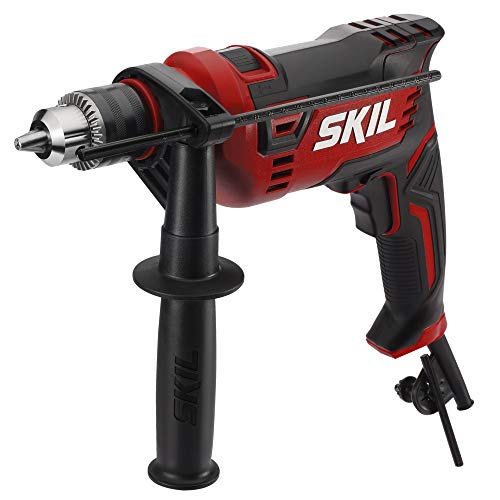
SKIL 7.5-Amp 1/2-Inch Corded Hammer Drill HD182001

XtremepowerUS 2200W Demolition Electric Jack Hammer with Case

BOSCH RH328VC 1-1/8 Inch SDS-plus Rotary Hammer
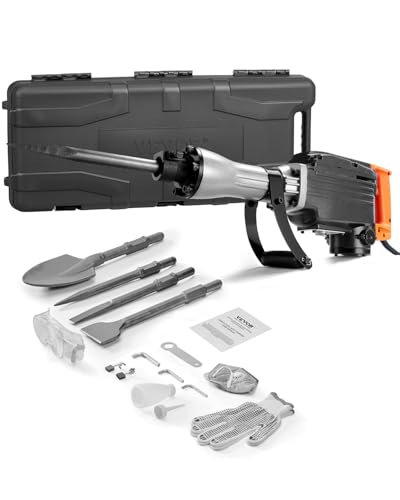
VEVOR Demolition Jack Hammer 2200W Concrete Breaker

VEVOR Demolition Jack Hammer MAX 2200W with Case

GALAX PRO 4.5Amp Corded Hammer Drill 0-3000RPM
More Details On Our Top Picks
For jobs that move from one corner of the property to another, this Makita keeps the setup light and flexible. The 18V LXT cordless platform matters because you’re not tied to an outlet, and the SDS-PLUS bit system helps with faster bit changes on masonry work.
The trade-off is straightforward, tool-only convenience means you’re already invested in that battery ecosystem. You may find it best for anchors, holes in concrete, and weekend renovation work rather than repeated heavy demolition, which is where the bigger corded units pull ahead.
Strong Points
- Cordless format helps you work away from wall power.
- 7/8-inch class sizing suits common concrete drilling tasks.
- SDS-PLUS compatibility makes bit changes less fussy.
- Tool-only format suits anyone already using LXT batteries.
Things To Consider
- Battery and charger are separate purchases.
- It’s less suited to repeated slab-breaking than the dedicated demolition picks here.
- Owners usually need to keep an eye on battery rotation during longer sessions.
Feature Snapshot
Who Should Grab It
DIYers and tradespeople who already own Makita LXT batteries will get the most from this one, especially for drilling into concrete without dragging a cord behind them.
Swap It Out When
Choose the BOSCH RH328VC when your work leans toward longer drilling runs and you want a corded rotary hammer with more jobsite stamina.
Compared with the Makita above, this SKIL leans more toward straightforward home drilling than cordless mobility. The 7.5-amp motor gives you corded consistency, and the two-mode setup lets you switch between regular drilling and hammer drilling without much fuss.
The 1/2-inch keyed chuck, a chuck that uses a key to tighten the bit, is useful for larger bits and steadier grip on tougher jobs. You may appreciate that in a garage, basement, or around the house, though the corded format keeps it best suited to places with easy outlet access.
Highlights
- Two-in-one drilling and hammer drilling adds flexibility.
- 7.5-amp motor gives dependable corded power for routine jobs.
- 1/2-inch keyed chuck handles larger bit sizes.
- Simple format is easy to live with in home shops.
Room For Improvement
- It stays tied to an outlet, so range depends on your cord setup.
- Keyed chucks take a little more time than quick-change systems.
- It’s a hammer drill, not a heavy demolition tool.
Core Details
Made For
Home repair shoppers and weekend renovators who want one corded drill for masonry and general drilling will find the balance sensible.
A Better Fit Elsewhere
Pick the Makita XRH04Z 18V LXT Cordless 7/8" Rotary Hammer when portability matters more than basic corded convenience.
This XtremepowerUS pick moves into a different lane from the SKIL and Makita, because it’s built for breaking, not light drilling. A demolition jack hammer makes sense for chipped concrete, floor removal, and other messy teardown jobs where a standard rotary hammer starts to feel underpowered.
The included flat and point chisels help you shape the work, one for broader contact and one for focused strikes. In a remodel where dust and debris are part of the routine, the case is handy for storage, though the tool’s size and purpose make it less welcoming for casual household drilling.
What We Like
- 2200W output is aimed at serious demolition work.
- Flat and point chisels cover two common breaking styles.
- Storage case keeps the set together between projects.
- Well suited to concrete removal and floor breakouts.
Points To Note
- It’s specialized equipment, so it’s too much tool for light drilling.
- Storage takes more room than the compact rotary hammers above.
- Cleanup matters, because demolition gear tends to collect dust fast.
Details At A Glance
Built With In Mind
Property owners tackling slab edges, tile tear-out, or garage demo work will get the most out of this style of machine.
Look Elsewhere When
Choose the BOSCH RH328VC 1-1/8 Inch SDS-plus Rotary Hammer if you want a tool that can drill and hammer with more everyday versatility.
This BOSCH brings a more professional feel than the SKIL or Makita, especially for longer drilling stretches. The 8.0-amp motor, 2.6 ft-lbs of impact energy, and 7.7-pound build point to a compact tool that still has real muscle for masonry work.
Active Vibration Control matters more than it sounds like, because vibration control is what helps reduce the hand fatigue that creeps in during extended use. Add the three-mode selector and Vario-Lock, which lets you place the chisel in 12 positions, and you get a tool that suits pros and serious remodelers without feeling clumsy.
Upsides
- Strong power-to-weight balance helps on all-day jobs.
- Vibration control supports longer sessions with less strain.
- Three operating modes widen the tool’s range.
- Vario-Lock adds useful chisel positioning flexibility.
- Compact form is easier to handle than bulkier demo tools.
Softer Spots
- It’s corded, so your reach still depends on outlet access.
- The added control features push it beyond casual homeowner needs.
- Owners usually need to stay mindful of bit and chisel choice to get the best fit for each task.
Feature Rundown
Right Fit For
Contractors and advanced DIYers who spend real time in masonry, anchoring, or overhead drilling will appreciate how balanced this one feels.
Another Choice May Suit
Reach for the VEVOR Demolition Jack Hammer 2200W Concrete Breaker when your job is more about tearing out material than drilling precise holes.
Compared with the XtremepowerUS model, this VEVOR leans into operator comfort with its 360-degree rotating handle. That sounds small, but on concrete breakouts or wall-to-floor transitions, the ability to adjust your grip can make the work feel less awkward.
The 1350 BPM rating, or blows per minute, gives you a plain way to judge strike pace, and the heavy-duty build tells you what kind of job this tool expects. You may find it most useful on renovation days where control and portability matter as much as raw force.
Bright Spots
- Rotating handle helps you adjust grip angles during longer jobs.
- 1350 BPM gives a useful frame for breaking pace.
- Four chisels expand the range of demo tasks you can start.
- Storage case keeps the accessory set organized.
Small Caveats
- The tool is still built for hard demolition, so it’s not a light all-purpose drill.
- Dust cleanup and bit care matter after concrete work.
- At this size, it takes planning to store neatly in a small garage.
Spec Overview
Who Will Love This
Renovators and property-maintenance crews who want a manageable demolition setup with a little more control will get the most value here.
Skip It When
Choose the SKIL 7.5-Amp 1/2-Inch Corded Hammer Drill HD182001 if your work is mostly drilling holes instead of breaking up material.
This VEVOR package feels a little more ready-to-go than the previous demolition pick because it includes gloves alongside the case and chisels. For first-time demolition projects, that matters, since you’re not piecing together a starter kit from scratch.
The 1400 BPM figure sits close to the tool’s purpose, which is heavy material removal rather than clean drilling. In a garage, basement, or renovation space, you may appreciate the accessory bundle, though the heavier-duty setup still asks for room and a plan for cleanup afterward.
Best Bits
- Four chisels give you a practical head start on demo work.
- Gloves and case add convenience right out of the box.
- 1400 BPM fits concrete-breaking tasks rather than precision drilling.
- Useful for renovation setups where accessories matter.
Worth Noting
- It’s a demolition tool, so it’s not a substitute for a general-purpose hammer drill.
- Accessory bundles help, but they also add to storage needs.
- Owners commonly keep spare space for dust and debris management after use.
Core Details
The Right Fit
Home renovators who want a demolition setup with a better accessory bundle will find this one easier to start with.
Where A Sibling Pick Shines
Choose the VEVOR Demolition Jack Hammer 2200W Concrete Breaker when a rotating handle matters more than the extra bundled gear.
After the heavier VEVOR tools, this GALAX PRO looks much more approachable for small household work. The 4.5-amp motor, 0 to 3000 RPM range, and 12-speed setup give you a broad enough spread for light drilling chores without making the tool feel oversized.
The 1/2-inch keyed metal chuck helps hold bits securely, and the 360-degree rotating handle gives you better control in awkward spots. You may find it better for shelves, anchors, and common repair tasks than for masonry-heavy projects, which is where the stronger rotary hammers start to pull away.
Positives
- Lightweight enough for routine home drilling.
- 12-speed control gives you useful range for mixed tasks.
- Metal keyed chuck adds a steadier bit hold.
- Rotating handle improves control in tight angles.
- Five bits in the bundle help you get started quickly.
Areas To Watch
- It’s a hammer drill, so it won’t replace the demolition tools above.
- Keyed chucks take a little extra setup time.
- Best suited to lighter-duty work rather than repeated concrete teardown.
Key Specs
Whose Shelf It Belongs On
Apartment handymen, new homeowners, and casual repair shoppers will get the most from this one’s manageable size and simple controls.
Reach For A Different Pick When
Pick the BOSCH RH328VC 1-1/8 Inch SDS-plus Rotary Hammer when you need a more serious masonry tool for longer, harder work.
How To Choose The Right Electric Rotary Hammers
Match Power To The Work
Start with the job, not the label. A hammer drill like the SKIL or GALAX PRO handles mixed household drilling, while a rotary hammer such as the Makita or BOSCH is better for concrete, anchors, and longer masonry sessions. Dedicated demolition tools, like the two VEVOR picks and the XtremepowerUS unit, belong in tearing-out jobs where impact matters more than finesse.
Motor size, impact energy, BPM, and weight all point in different directions, so one large number is never the whole story. A lighter tool can still be the smarter choice for overhead work or long runs in tight spaces.
Think About Control And Comfort
Variable speed, vibration control, rotating handles, and chisel-position systems all change how the tool feels after the first few minutes. BOSCH’s vibration control and Vario-Lock stand out for long sessions, while the VEVOR demolition models add handle movement that helps in awkward breaking angles.
That matters in real use, because a tool that sounds powerful on paper can still wear you down quickly. For weekend projects, comfort often matters as much as raw force.
Check Bits, Chucks, And Compatibility
Bit fit shapes the whole experience. SDS-PLUS systems, found on the Makita and BOSCH, are common in rotary hammer work because they hold bits securely and make swaps easier, while keyed chucks on the SKIL and GALAX PRO suit general drilling but take more setup.
Accessory bundles also change the value picture. A case, extra chisels, or gloves help on demolition jobs, but they add storage needs, so you’ll want to match the bundle to how often you’ll actually use it.
What To Weigh Before You Choose
Common Shopping Slip Ups
A common mistake is treating every electric rotary hammer as the same kind of tool. A compact hammer drill can handle shelf anchors and light masonry, but it won’t replace a proper rotary hammer for repeated concrete drilling or a demolition jack hammer for floor tear-out.
Another easy miss is ignoring setup details. Corded tools need reach, cordless tools need battery planning, and keyed chucks need a little more time than quick-change bit systems.
Why The Higher Tier Costs More
Higher-tier tools usually earn their keep through control features, stronger motors, and better fit for longer sessions. BOSCH’s vibration control and mode selector, along with the VEVOR and XtremepowerUS demolition setups, are aimed at jobs that punish lighter tools.
You’re also paying for the kind of work the tool can keep doing without feeling strained. For regular concrete work or renovation tear-outs, that extra capability can be the difference between finishing cleanly and dragging a project out.
Final Thoughts
The right electric rotary hammer depends on your workload more than your wish list. For portable drilling, the Makita makes sense; for a simple corded setup, the SKIL is easy to live with; for serious tearing-out work, the BOSCH, VEVOR, and XtremepowerUS picks move into a tougher lane. Match the tool to the material, the runtime, and the amount of control your hands need. That keeps the purchase practical, which is the part that matters most.