You want an electric sander that matches the job, not just the label. That means thinking about ceiling work, paint correction, cabinet prep, or finish sanding before you choose a tool.
This roundup keeps the focus on real workshop use, from dusty drywall jobs to smoother wood finishing. You’ll see where a corded palm sander makes sense, where a cordless model earns its keep, and where a rotary polisher belongs in a different lane.
The Shortlist At A Glance

Protmex Drywall Sander 1000W Popcorn Ceiling Removal Tool

SPTA 7 Inch 180mm Rotary Polisher Car Polisher

WORKPRO 5-Inch Random Orbit Sander
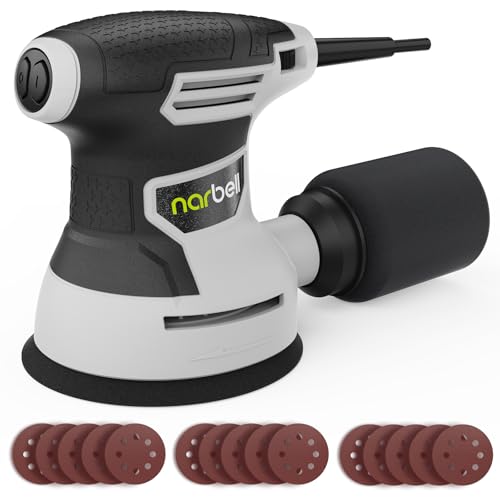
NARBELL Orbital Sander 3.0AMP(360W) 14000RPM Random Orbit Sander Tool

Metabo HPT 5-Inch Random Orbit Finishing Sander SV13YST

BOSCH GEX18V-5N 18V Brushless 5 Inch Cordless Random Orbit Sander

DEWALT Random Orbit Sander PSA 5-Inch DWE6420
More Details On Our Top Picks
Ceiling work gets old fast, so a drywall sander like this makes sense for large overhead patches and popcorn removal. The foldable, extendable handle matters because reach is the whole job here, and the LED light helps you keep track of missed spots along uneven surfaces.
Its six-speed range from 800 to 2200 RPM gives you room to slow down on sensitive areas and speed up on broader passes. The dust collection setup is the real draw for a busy renovation space, although long sessions still call for good cleanup habits and a steady hand.
Strong Points
- Extended handle reach suits overhead drywall work.
- Built-in lighting helps you spot uneven patches.
- Variable speed gives you more control on different wall textures.
- Dust collection reduces the mess around the work area.
- 15 sanding discs help you get started without hunting for extras.
Things To Consider
- Best for wall and ceiling tasks, not finish carpentry.
- The larger format takes more storage space than a palm sander.
- Overhead use can still feel tiring during long jobs.
Feature Snapshot
Who It Suits Best
You’ll get the most out of this on drywall repairs, ceiling texture removal, and remodeling work where reach matters more than fine finishing.
A Better Fit Elsewhere
WORKPRO 5-Inch Random Orbit Sander works better for furniture prep and smaller wood surfaces that need lighter touch-ups.
The rotary format puts this in a different lane from the sanding-only picks above, and that matters for auto care work. A 7-inch, 180mm head covers broad panels well, so you can work on hoods, doors, and larger painted areas without feeling cramped.
That size is the upside and the caution at once, since rotary tools are less forgiving than random-orbit sanders. For most garage users, it fits best where you want speed on broad body panels and you already have a careful hand.
What We Like
- Larger pad size covers broad surfaces efficiently.
- Rotary action suits car polishing and buffing tasks.
- Helpful for bringing a more uniform look to larger panels.
- The included pad set gives you a more complete starting kit.
Room For Improvement
- Rotary motion takes more control than a random-orbit sander.
- Less suited to delicate beginner use on small pieces.
- Car-focused design makes it less useful for home sanding projects.
Core Details
Who Should Grab It
You’re a good match for this model if your weekend work centers on car polishing, paint correction prep, or larger buffing passes.
Skip It When
Metabo HPT SV13YST makes more sense for household sanding and furniture finishing, where a palm-style random-orbit tool is easier to live with.
This one lands in a very practical middle ground, especially for sanding shelves, tabletops, and smaller cabinet parts. Six speeds from 7000 to 14000 RPM give you a useful spread, and the 2.5 amp motor suggests enough muscle for routine woodworking without pushing into bulky territory.
The dust collector and 15 sanding sheets make it easy to get set up for a first project or a weekend refresh. Compared with the Protmex drywall tool, this is far better suited to closer-up wood work, though it still asks you to keep your pressure light and your passes even.
Best Bits
- Speed range handles rougher sanding and lighter smoothing.
- Compact 5-inch size works well on common woodworking pieces.
- Dust collector helps keep the bench cleaner.
- 15 included sheets reduce the need for immediate extras.
- 2.5 amp power is a sensible fit for everyday shop use.
Small Caveats
- Five-inch size covers less area than larger sanding heads.
- Best suited to wood prep, not heavy construction cleanup.
- Dust collection still benefits from regular emptying during longer jobs.
Details At A Glance
Made For
You’ll appreciate this most for home woodworking, light refinishing, and bench-top projects where a tidy, familiar palm tool fits the workflow.
Look Elsewhere When
DEWALT DWE6420 is the better match for shoppers who want a more established all-purpose random-orbit sander with a familiar form factor.
For smaller benches and tighter workspaces, this palm sander keeps things straightforward. The 3.0 amp, 360W motor and 14000 RPM top speed point to a lively feel, while the 5-inch format stays easy to steer around edges and corners.
It sits closer to the WORKPRO than to the bigger drywall tool, but the lighter footprint can feel friendlier during longer sanding passes. The honest read is that this is most useful when you value control and simple handling more than maximum surface coverage.
Upsides
- 5-inch palm style is easy to guide on small projects.
- Six speed settings give you more control over the finish.
- 14000 RPM top speed helps with brisk sanding passes.
- Dust bag support is helpful for routine shop cleanup.
- 15 included sheets make it ready for basic jobs.
Points To Note
- Smaller format means slower coverage on large panels.
- Dust bags still need regular emptying in wood-heavy use.
- Best suited to light and medium sanding, not rough demolition work.
Quick Facts
The Right Fit
You’re looking at a solid match for apartment workshops, garage benches, and smaller home projects where space and handling matter as much as sanding power.
Another Choice May Suit
Protmex Drywall Sander 1000W Popcorn Ceiling Removal Tool is the better route for tall walls and overhead renovation tasks.
Finishing work lives or dies on comfort, and this model leans into that with a palm-style grip and compact body. The 230W, 2.8 amp motor, plus the 9000 to 13000 RPM range, gives you a steadier, more measured sanding feel than the faster WORKPRO and NARBELL picks.
The hose connector stands out for cleaner shop habits, especially in a small garage or basement setup where dust gets everywhere. You may find it especially appealing for cabinet faces, trim, and furniture refresh work, where control matters more than aggressive removal.
Positives
- Palm-style grip feels natural in longer finishing sessions.
- Compact build is easier to move around edges and corners.
- Dust collection hose connector supports cleaner work areas.
- Variable speed helps you slow down for more careful passes.
Softer Spots
- Lower top speed than some other picks here.
- Best suited to finishing, not heavy stock removal.
- Hose setup adds one more item to keep track of.
Core Details
Whose Shelf It Belongs On
You’re in the right place with this one if you spend time on furniture, trim, and finish prep where a smoother touch beats raw speed.
Reach For A Different Pick When
BOSCH GEX18V-5N is the more flexible choice for cordless jobsite work where outlets are hard to manage.
Cordless sanding changes the rhythm of a job site, and this bare-tool Bosch is built for that kind of freedom. The brushless motor is the key term here, meaning the internal motor design avoids brush wear and usually runs more efficiently than older brushed setups.
That matters most when you’re moving between rooms, ladders, or outdoor work areas and don’t want a cord to slow the pace. Since this is the bare tool, it makes the most sense for someone who already has compatible batteries and wants a cleaner, more mobile sanding setup.
Reasons To Buy
- Cordless format keeps movement easy around the job.
- Brushless motor supports efficient operation and less upkeep.
- 5-inch size keeps it familiar and easy to handle.
- Bare-tool format suits existing Bosch battery setups.
Areas To Watch
- You’ll need compatible batteries and a charger already on hand.
- Best value depends on how often you work away from outlets.
- Cordless convenience can feel unnecessary in a fixed shop setup.
Technical Sheet
Built With In Mind
You’ll get the most from this on jobs that move around a lot, especially renovation days, punch-list work, and garage projects with limited outlet access.
Where A Sibling Pick Shines
Metabo HPT SV13YST is the better match for a corded shop where you want a lighter purchase commitment and a simpler plug-in workflow.
This DEWALT lands as the steady, familiar option at the end of the list. The 5-inch random-orbit format is a practical size for sanding shelves, trim, and flat panels, and it fits the kind of daily shop use that rewards consistency over novelty.
It does not chase the cordless freedom of the Bosch or the specialty reach of the drywall pick, and that’s part of its appeal. For most home projects, a straightforward corded tool like this can feel as dependable as a sturdy work apron, plain but useful.
Highlights
- 5-inch size works well for common woodworking tasks.
- Random-orbit motion helps reduce swirl marks on surfaces.
- Good fit for routine home and garage sanding.
- Simple corded setup keeps the workflow easy to understand.
Minor Gripes
- No specialty features for overhead or cordless work.
- Standard format may feel plain next to newer models.
- Best for routine sanding rather than niche tasks.
Feature Card
Best Suited To
You’re a strong match for this one if you want a familiar corded sander for home repairs, furniture prep, and regular workshop chores.
Swap It Out When
BOSCH GEX18V-5N makes more sense for mobile work, while Protmex is the smarter route for ceiling and wall sanding.
How To Choose The Right Electric Sanders
Match The Sander To The Surface
Wall and ceiling jobs need reach, so a drywall sander with an extendable handle and dust collection makes more sense than a compact palm tool. Furniture prep, trim, and tabletops usually call for a 5-inch random-orbit model because it gives you steadier control on smaller areas.
Rotary polishers belong with vehicle surfaces, where pad size and motion help on broad painted panels. That’s the main dividing line: choose by surface first, then by speed or brand.
Pay Attention To Speed And Control
Variable speed matters more than a lot of shoppers expect. A range like 7000 to 14000 RPM gives you room to work faster on rough passes and slow down for cleaner finishing.
The trade-off is simple, more speed can mean less forgiveness, especially on delicate wood or paint. For that reason, a slower, more controlled model often suits finish work better than a high-RPM tool built for heavier removal.
Think About Dust And Cleanup
Dust collection is not just a neat extra, it changes how comfortable the job feels. A dust bag, hose connector, or built-in collector helps keep your workspace visible and reduces the amount of cleanup after a sanding session.
That said, collection systems fill up, need emptying, and work best when the sanding pad stays aligned on the surface. In a small garage or basement shop, that maintenance can matter as much as the motor itself.
Choose Corded Or Cordless With Purpose
Corded sanders suit benches, garages, and repeat use where power access is easy. Cordless models cost more because you’re also paying for battery compatibility and more portable convenience.
For mobile repair work, that upgrade can be worth it. For a fixed workshop, a corded model usually gives you a simpler setup and less to keep track of.
A Quick Reality Check
Mistakes Worth Dodging
A common misstep is choosing too much tool for the job. A drywall sander looks impressive, but it’s clumsy for cabinet doors, just as a small palm sander is slow on big ceiling repairs.
Another trap is ignoring dust handling. Sanding without a plan for debris turns a short project into a messy cleanup, especially in a home shop or finished room.
The Upgrade Payoff
Higher-tier models usually bring better ergonomics, stronger motors, brushless construction, or cordless freedom. Those features cost more because they improve comfort, runtime, and day-to-day handling, not just raw specs.
Paying up makes sense for frequent use, tight spaces, or jobs where a sore hand or tangled cord slows you down. For occasional weekend sanding, a simpler corded model can still be the smarter spend.
Final Thoughts
The right electric sander makes the job feel calmer, cleaner, and less awkward in your hands. For drywall and ceiling work, Protmex stands apart, while WORKPRO, NARBELL, Metabo HPT, and DEWALT suit more familiar wood-sanding duties. BOSCH earns its place for cordless mobility, and SPTA belongs in the auto detailing lane. Pick the shape that matches your surfaces, and the rest gets easier.