You need aviation snips that match the cut you make most, not just the label on the package. Left-offset, right-offset, and straight designs each solve a different sheet-metal problem, and the wrong shape turns a clean job into a clumsy one. This roundup focuses on useful differences, so you can match the tool to HVAC work, garage projects, or regular metal trim without second-guessing the handle in your hand.
The Shortlist At A Glance

IRWIN Left Cut Offset Snip (2073211)

IRWIN Straight Aviation Snip (2073113)
MIDWEST Blackout Offset Snip Set MWT-6510CO-NP
TOOLEAGUE 12-Inch Forged Blade Aviation Snips
Finder 12-Inch Long Straight Aviation Snips

MIDWEST Special Hardness Left Offset Snip MWT-SS6510L

MIDWEST Straight Cut Offset Snip MWT-6510S
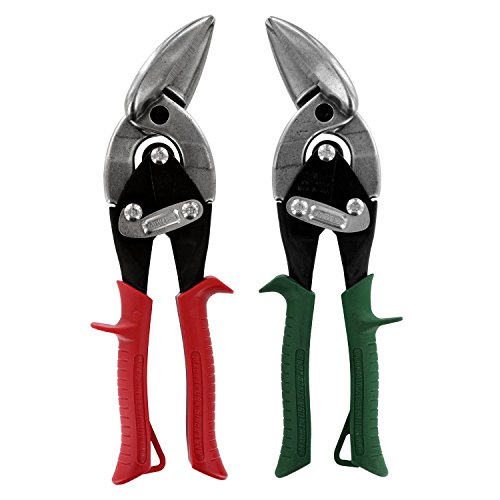
Midwest Tools and Cutlery MWT-6510C Offset Snip Set

MIDWEST Blackout Left Offset Snip MWT-6510LO
The left-offset layout helps keep your hand clear while you steer along tighter curves and short trim cuts. The compound cutting action adds mechanical advantage, so the squeeze feels more efficient than basic straight snips, and the textured grips should suit long HVAC sessions or garage sheet work.
The honest trade-off is that offset snips take a little more orientation at first, especially if you mostly use straight cutters. That said, you get a handy E-Z close latch for storage, and the compact shape makes it a sensible starter choice for anyone building a small metal-working kit.
Strong Points
- Left-offset head keeps knuckles above the cut line.
- Compound action reduces hand strain on routine trimming.
- Textured grips add control with oily or dusty hands.
- E-Z close latch makes storage tidier in a tool bag.
Things To Consider
- Left-cut geometry takes a little practice for straight runs.
- The compact format may feel less commanding on thicker sheet.
- Wipe the blades after use to slow surface wear.
Feature Snapshot
Who It Suits Best
You get the most from this snip when you handle mixed repair work, light HVAC trimming, or sheet metal shaping around the shop.
A Better Fit Elsewhere
MIDWEST Blackout Aviation Snip, Left Cut Offset Tinner Shears – MWT-6510LO suits you better when you want a more specialized offset feel for repeated left-curving cuts.
Compared with the offset IRWIN above, this straight version keeps the cutting path more direct, which helps on long runs and general sheet trimming. The textured grips and compound action point to easy handling in a workshop, and the close latch is useful once the job is done.
You may find this the simpler tool to reach for in a home repair kit, especially for people who do not want to sort through left and right cutting variants every time. The trade-off is less curve-focused flexibility, so the snip feels most natural on straight cuts and broad shaping.
What We Like
- Straight cutting path feels simple and predictable.
- Compound action supports steady, repeatable trimming.
- Textured grips help keep control during longer jobs.
- Close latch keeps the tool easier to store.
Room For Improvement
- Less specialized for tight curved work than offset models.
- Tool bag storage still benefits from blade wiping.
- Hand position can feel basic beside more shaped handles.
Core Details
Made For
You fit this tool well when you want one dependable straight snip for household metalwork, light fabrication, or maintenance tasks.
Skip It When
TOOLEAGUE 12-Inch Forged Blade Aviation Snips make more sense for you when thicker-feeling materials and a longer handle matter more.
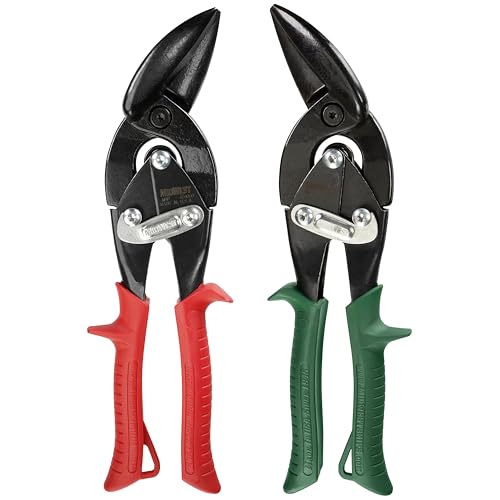
This two-piece set is built for people who regularly switch between left and right curves, because separate offset snips reduce the awkward wrist angles that single-tool compromises create. The Blackout finish gives it a more intentional shop-tool look, while the Kush’N-Power grips suggest a stronger hold during longer cutting sessions.
Compared with the two IRWIN picks, this set feels more serious about task separation, and that usually matters in a busy metal shop or renovation space. One thing worth considering is storage, since a two-tool set needs a little more room, but that extra space buys you more control on repeated trim work.
Highlights
- Left and right offsets cover more cut directions.
- Separate tools reduce hand strain from forced angles.
- Kush’N-Power grips give a fuller hold in use.
- Made in the USA adds appeal for some shop setups.
- Blackout styling makes the set easy to spot in a crowded box.
Softer Spots
- Two tools take more drawer space than a single snip.
- The set makes most sense for regular use, not occasional trimming.
- Keeping both blades clean helps preserve smooth cutting feel.
Details At A Glance
Built With In Mind
You suit this set best when metal trimming is a regular job and you want separate left and right tools instead of making one snip do everything.
Another Choice May Suit
IRWIN Aviation Snip, Straight (2073113) is the simpler match for you when one general-purpose cutter is all you need.
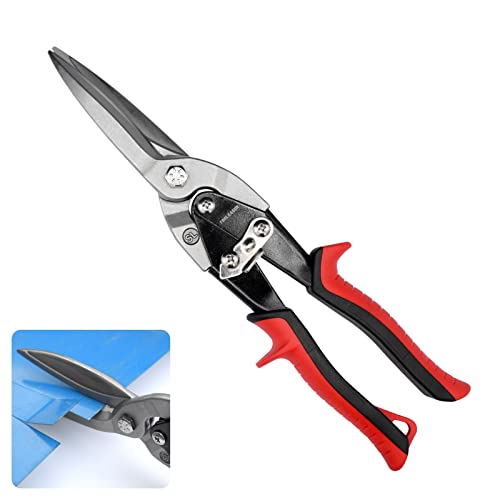
Length matters here, because the 12-inch body gives you more leverage and a steadier feel on longer cuts. The forged CR-V steel blade and full heat treatment point toward a tougher build than lighter hobby snips, which is useful in a shop that sees sheet metal, aluminum, and regular DIY cleanup.
The trade-off is that a longer cutter can feel less nimble in tight corners, so this is not the most delicate tool in the roundup. Still, the sharper tooth tip language suggests better bite at the start of a cut, and that is handy when you want a more confident first squeeze.
Best Bits
- 12-inch body adds leverage for longer trim lines.
- CR-V steel blade supports tougher day-to-day use.
- Heat-treated construction points to stronger wear resistance.
- Sharp blade tip helps start cuts more cleanly.
- Works for sheet metal and aluminum projects.
Points To Note
- Longer handles can feel bulky in cramped spaces.
- The extra reach may be more than casual users need.
- Dry storage and blade wiping help slow dulling and rusting.
- Less suited to very tight detail turns.
Quick Facts
Who Should Grab It
You fit this snip well when your projects lean toward longer straight cuts and medium-duty shop work.
Look Elsewhere When
IRWIN Tin Snip with Left Cut Offset (2073211) is a better match for you when hand clearance and left-curving control matter more.
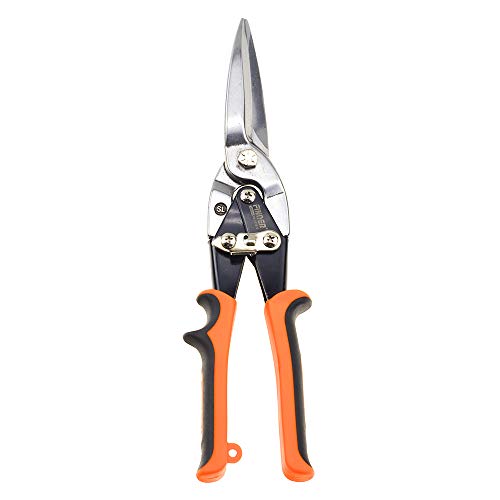
That 12-inch, long straight profile gives you a lot of reach across wider sheet sections, and it also keeps the hand positioned safely above the work surface. The CR-V blade and comfortable grip make sense for industrial-style tasks, though the language here points more to confidence and control than to fine detail work.
Compared with the shorter IRWIN options, this one feels better suited to users who want extra leverage and a more open cutting stance. The honest read is that the longer body may feel slightly less nimble in tight layouts, but it earns its place on broader panels and hard-material jobs.
Upsides
- Long straight profile reaches across wider panels.
- Blade placement keeps your hand higher than the cut line.
- CR-V blade suits regular metal cutting chores.
- Comfortable grip helps during repeated passes.
Minor Gripes
- The long body can feel less nimble in tight corners.
- Storage takes a little more room than shorter cutters.
- Blade care matters after work on abrasive materials.
Feature Rundown
The Right Fit
You get the most from this model in workshop use, metal sheet trimming, and jobs that reward longer reach over fine corner work.
Where A Sibling Pick Shines
IRWIN Aviation Snip, Straight (2073113) suits you better when you want a simpler straight cutter without the longer-body feel.
This left-cut offset model is aimed at users who value clean tracking along left curves and long trim lines. The stainless-steel cutting shears build hints at easy cleanup and a more corrosion-resistant material choice than plain steel, which can matter in damp garages or busy service trucks.
The trade-off is familiar: a specialized offset snip does a certain job very well, but it asks you to keep track of its directionality. Compared with the simpler IRWIN straight snip, this one feels more focused and a little more exacting, which is good news for careful sheet work.
Bright Spots
- Left offset shape helps with long leftward curves.
- Stainless-steel cutting shears are easier to keep tidy.
- Special hardness wording points to a tougher cutting edge.
- Made in the USA may matter to some shoppers.
Areas To Watch
- Left-only focus narrows its all-purpose appeal.
- Requires a bit of orientation for straight runs.
- Regular blade wiping still helps preserve smooth action.
Spec Overview
Perfect Match For
You fit this snip best when your work centers on careful left turns, trim runs, and cleaner storage habits.
A Better Fit Elsewhere
MIDWEST Aviation Snip, Straight Cut Offset Tinner Shears – MWT-6510S is the better choice for you when you want a more flexible straight-cut companion.
This Midwest snip sits in the useful middle ground between a straight cutter and a more specialized offset shape. The Glidetech forged blades and Kush’N-Power grips point to a tool built for steady movement across a variety of sheet tasks, from straight runs to pinch-thru-point style trimming.
Compared with the B000HB35AO IRWIN straight snip, this model reads as a more shop-focused upgrade, especially for people who want stronger blade language and a more deliberate grip design. The catch is that its strengths make the most sense in regular use, not in the occasional one-off trim job.
Reasons To Buy
- Offset straight-cut shape adds flexible handling.
- Glidetech forged blades point to a sturdier cut path.
- Kush’N-Power grips support longer work sessions.
- Good fit for mixed cutting tasks in a shop.
Small Caveats
- Feels more specialized than a basic straight snip.
- Regular cleaning helps the blades stay smooth.
- Less compelling for very occasional use.
Feature Card
Whose Shelf It Belongs On
You suit this model best when you want one snip that can handle a broad share of sheet-metal chores without feeling too barebones.
Another Choice May Suit
IRWIN Left Cut Offset Snip (2073211) is the simpler fit for you when you want a more compact offset tool for leftward trimming.
The draw here is precision right out to the blade tip, because that pinch-thru-point design is meant to reduce extra strokes and keep trim cuts more exact. That matters in clean-sheet work, especially when you want the cut to stay controlled all the way to the end instead of wandering near the tip.
Compared with the MIDWEST Blackout set, this pack feels more centered on the cutting action itself than on grip styling or finish. You may find it especially useful in trim-heavy jobs where accurate finishing is worth more than a fancy look, though the two-piece format still asks for a bit more storage space.
Standout Traits
- Pinch-thru-point cutting reaches the blade tip more cleanly.
- Reduces the need for extra finishing strokes.
- Offset pair helps with more than one cutting direction.
- Good match for detailed trim work.
Honest Caveats
- Two-piece format takes a little more room in storage.
- Best value shows up in regular precision work.
- Blade care remains part of ownership.
Technical Sheet
Made For
You fit this set best when trim accuracy matters and you want offset snips that can finish a cut cleanly.
Reach For A Different Pick When
IRWIN Aviation Snip, Straight (2073113) is the simpler route for you when one straightforward cutter is enough.
This one is the sibling to the offset Midwest set above, but it narrows the focus to left-cut work in a single-tool format. The Blackout styling, Kush’N-Power grips, and pinch-thru-point approach make it feel tuned for people who often trace leftward curves and want a cleaner, less cluttered kit.
Compared with the dual-pack MWT-6510C, this version asks less of your storage space and more of your cut-direction discipline. That trade works well for trim-heavy users, though the narrower specialization means a straight-cut all-rounder like the IRWIN 2073113 can still be the simpler everyday grab.
Bright Spots
- Left offset shape helps with curved and trim cuts.
- Kush’N-Power grips support a steadier hold.
- Pinch-thru-point design helps the blade track farther to the tip.
- Single-tool format keeps the kit simpler to carry.
Areas To Watch
- Left-cut focus narrows its all-around usefulness.
- Still benefits from routine blade cleaning after use.
- Less flexible than a two-direction offset set.
Core Details
Best Suited To
You fit this model best when left-curving trim cuts come up often and you want a focused offset snip without extra parts.
Swap It Out When
MIDWEST Aviation Snip, Straight Cut Offset Tinner Shears – MWT-6510S suits you better when you want a more flexible straight-cut option.
How To Choose The Right Aviation Snips
Cut Direction Comes First
Left-cut, right-cut, and straight snips are not interchangeable, even when they look close on the shelf. Left-offset models suit leftward curves and trim work, while straight designs feel calmer on long, direct runs.
Shop by the cut path you use most in sheet metal, HVAC trim, or garage projects. That simple match does more for day-to-day comfort than chasing the flashiest blade label.
Handle Shape And Leverage Matter
Compound action gives mechanical advantage, which means the handles do more of the work for you than a basic pair of shears. In a busy kitchen-style rhythm or a long metal project, that can make repeated squeezes feel less tiring.
Longer 12-inch bodies usually add leverage, while shorter tools can feel easier to steer in cramped spaces. The right balance depends on whether you value reach or quick hand movement.
Blade Material And Build Style
CR-V steel, forged blades, and stainless-steel cutting sections each point to a different ownership feel. CR-V, short for chromium-vanadium, is often used for toughness, while stainless steel is usually easier to keep tidy after a job.
You do not need the heaviest build for every task, but more demanding trimming work often benefits from firmer blades and a stronger grip. For occasional household use, a simpler tool can make more sense and take less room.
Comfort And Storage Make Real Differences
Textured grips and close latches sound minor until the tool lives in your hand for a full afternoon. A secure grip helps control, and a latch keeps the snips closed in a drawer, pouch, or tool belt.
For commuters who keep a kit in the truck or contractors who pack up every day, that small convenience adds up fast. The best choice is the one that stays comfortable, stores cleanly, and fits your work style without fuss.
Things Worth Knowing First
Common Shopping Slip Ups
Many people grab the wrong cut direction, then wonder why the tool feels awkward on the first curve. Another common miss is choosing a longer snip for cramped work, which can make tight spaces feel even tighter.
Check the blade style before you commit, and match it to the sheet-metal shape you handle most. That step saves you from a tool that looks right but fights the job.
What The Higher Tier Buys
More expensive aviation snips usually bring forged blades, better grip design, or a more specialized cut shape. Those details matter most when you cut often, need cleaner control, or want less hand fatigue over repeated jobs.
The upgrade makes less sense for occasional trim work. In that case, a simpler straight or offset snip does the job without adding extra bulk or cost.
Frequently Asked Questions
What Is The Main Difference Between Straight And Offset Aviation Snips?
Straight snips track more directly through long cuts and general trimming. Offset snips keep your hand higher and usually feel better on curves.
Do You Need Left And Right Cut Snips?
You do not need both for casual use, but separate directions help when you cut curves often. A single straight snip can still cover many basic tasks.
Is A Longer Aviation Snip Better?
A longer body often adds leverage and reach across wider sheet material. The trade-off is a little less agility in tight spots.
What Does Compound Action Mean?
Compound action uses linked pivots to multiply cutting force. That usually makes repeated squeezes feel easier than with basic hand shears.
How Should You Store Aviation Snips?
Wipe the blades after use and close the latch before putting them away. A dry drawer, pouch, or tool chest helps them stay in better shape.
Final Thoughts
The right aviation snips feel almost invisible in use, which is exactly what you want from a hand tool. A straight model works well for broad cuts, while left- and right-offset designs make curve work easier on your hands. The best match depends on how often you trim sheet metal, how tight your work area is, and whether you value leverage, grip comfort, or direction-specific control. Choose the shape that fits your tasks, and the tool will feel like part of the job instead of a hurdle.