You want a splitting tool that matches the wood on your pile, not just the label on the box. Some of these picks suit backyard firewood prep, while others make more sense for camping, kindling, or heavier rounds that need a cleaner bite.
The right shape, handle length, and head weight can save effort fast, especially when your weekend task turns into a stack of uneven logs. You’ll see where a long-handled axe helps, where a compact hatchet makes more sense, and where the trade-offs start to show.
Quick Look At The Shortlist
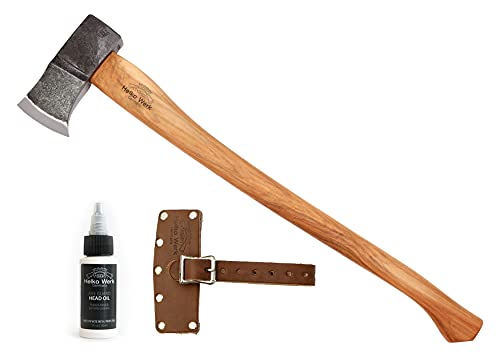
1844 Helko Werk Germany Traditional Saxon Heavy Log Splitting Axe (13588)
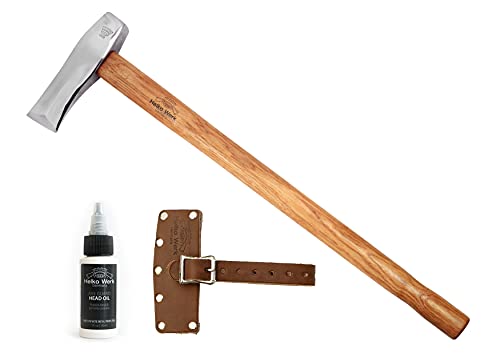
1844 Helko Werk Germany Classic Nordic Large Splitting Axe (13521)

Fiskars 36" Super Splitting Axe
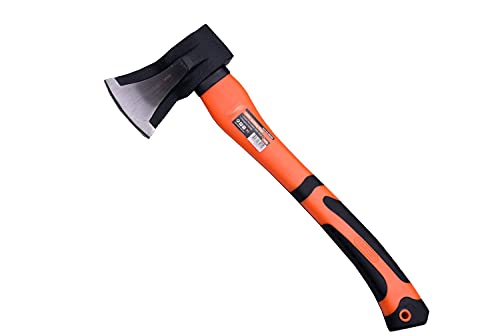
Edward Tools Wood Splitting Maul 17"

DESHIL 15 inch Chopping Hatchet Axe

DESHIL 15-Inch Wood Splitting Hatchet Axe

INTERTOOL Hatchet for Chopping Wood and kindling HT-0261

DESHIL 10 inch Outdoor Hatchet Axe Mini Camping Axe with Sheath-Blue

Fiskars X25 Splitting Axe, 28" Wood Splitting Axe
More Details On Our Top Picks
The Saxon profile gives this Helko Werk a serious, work-first feel, and the 6-1/4-pound head points it toward heavier rounds instead of casual kindling duty. The 31-inch handle should suit you well in a woodshed or stacked-firewood setup, where reach and momentum matter more than quick, one-handed taps.
Compared with the lighter camp tools in this roundup, this one asks for room and a steadier swing. It makes sense for you if your wood pile tends to include stubborn splits and you want a German-made axe with a classic, no-frills shape.
Strong Points
- 6-1/4-pound head helps the axe carry more momentum through dense wood.
- 31-inch handle gives you leverage for controlled two-handed swings.
- The Saxon style suits heavy splitting better than a camp hatchet.
- Good fit for a woodshed rhythm where repeat swings matter.
Small Caveats
- The weight can feel tiring during long sessions with smaller logs.
- It is less convenient for quick campsite jobs or pack carry.
- You will want regular care for the handle and cutting edge.
Core Details
Who It Suits Best
You get the most from this one in a home firewood setup or a property with larger, denser logs.
Where Another Pick Suits Better
The Fiskars X25 Splitting Axe suits you better for a lighter, more versatile tool that still handles medium to large logs.
This Helko Werk leans into a Scandinavian-style head, so you get a shape that feels built around clean entry and controlled release from the wood. The 5.5-pound head and 31-inch handle put it close to the first Helko pick, but with a slightly lighter feel that may suit you better for repeated rounds on a long stack.
For most backyards, that balance makes it easier to keep swinging without feeling quite as brute-force as the Saxon model. It suits you best if you want a traditional splitting axe that still feels deliberate and tidy in the cut.
Upsides
- Scandinavian head shape supports a clean splitting motion.
- 5.5-pound head gives solid drive without going as heavy as Item 1.
- 31-inch handle adds leverage for two-handed work.
- Good match for firewood stacks that need steady progress.
Points To Note
- It still asks for room, so tight sheds can feel cramped.
- The lighter head may need more effort on knotty rounds.
- Regular edge care matters, especially with seasonal storage.
Feature Card
Who Will Love This
You suit this pick well if you want a traditional splitter for regular firewood work and prefer a slightly lighter feel than the Saxon axe.
Another Choice May Suit
The Edward Tools Wood Splitting Maul 17" fits you better for compact splitting chores where a shorter tool is easier to control.
The long 36-inch layout changes the feel right away, because you get more reach and a bigger swing arc than either Helko Werk axe above. Fiskars pairs that with a FiberComp handle, a fiberglass-composite handle material, so the tool is built for damping shock while you work through medium to extra-large logs.
You may find the length a little much in a cramped woodshed, but in an open yard it makes the task feel more controlled and less crowded. For people who split a lot of firewood at once, that extra length can save effort across a long session.
Best Bits
- 36-inch reach gives you strong leverage for bigger swings.
- FiberComp handle is aimed at reducing hand and arm feedback.
- Built for medium to extra-large logs, not just small pieces.
- The longer setup can help you work through piles more efficiently.
Areas To Watch
- The size is less friendly for storage in tight spaces.
- It can feel oversized for quick kindling work.
- Longer tools need more clear swing room and attention.
Technical Sheet
The Right Fit
You fit this axe well if your splitting area has room and your wood pile includes bigger logs that need more committed swings.
Look Elsewhere When
The INTERTOOL Hatchet for Chopping Wood and kindling HT-0261 suits you better for lighter camp tasks and smaller pieces.
This maul sits in a useful middle zone, with a 17-inch length and 3-pound head that feels more compact than the longer splitting axes above. The combined axe-and-sledge design, meaning the head shape borrows from both striking tools, gives it a sturdier feel for splitting kindling and smaller wood.
In a busy garage or by a backyard stack, that shorter format can be easier to store and bring out for quick jobs. The honest read is that you give up reach, but you gain a tool that feels manageable for smaller splitting tasks.
What We Like
- 3-pound head keeps the tool easier to handle than full-size splitters.
- Shorter 17-inch frame fits better in smaller work areas.
- Forged steel head suggests durable, work-ready construction.
- The rubber sheath helps with storage and safe edge covering.
Worth Noting
- Short length means less leverage on heavier rounds.
- It is better for kindling and small splits than big trunk sections.
- The sheath adds a storage step after use.
Feature Rundown
Best Suited To
You fit this maul best if your splitting job centers on kindling, smaller rounds, and lighter yard work.
Skip It When
The Fiskars X25 Splitting Axe is the better call for you once the logs get larger and you want more reach.
A 15-inch hatchet like this makes sense when you want something that travels well from the truck to the campsite or out to a yard pile. The fiberglass handle, a reinforced handle material, is meant to soften hand shock, and that matters most when you are doing repeated small splits or trimming kindling.
Compared with the Edward Tools maul, this one feels more nimble and less demanding to carry. You may find it a better companion for camping chores than a full splitter, especially when space in your pack or storage bin is tight.
Reasons To Buy
- 15-inch size stays easy to transport and store.
- Fiberglass handle helps make repeated use feel less harsh.
- Works well for kindling, small splits, and camp chores.
- Good size for mixed outdoor utility, not just one task.
Trade Offs
- Shorter reach limits use on bigger logs.
- It gives up leverage compared with the longer axes in this list.
- Edge care and sheath storage still matter after use.
Details At A Glance
Whose Shelf It Belongs On
You suit this hatchet best if your outdoor kit needs a small, versatile splitter for camp chores and light yard work.
A Better Fit Elsewhere
The INTERTOOL Hatchet for Chopping Wood and kindling HT-0261 is a more familiar all-round camp choice for people who want a simpler hand axe.
This DESHIL keeps the same 15-inch footprint as the previous hatchet, but it adds a forged steel blade and an anti-slip, shock-reduction handle. Forged steel means the head is shaped under high pressure, which is often a good sign for a tool meant to take repeated impacts.
For backyard kindling or light splitting, that extra blade focus can feel reassuring without turning the tool into a bulky chore. The throw-friendly note also hints at a dual-purpose setup, though you’ll care more about control and grip than novelty in normal use.
Bright Spots
- Forged steel blade gives the head a sturdy work feel.
- Anti-slip handle helps keep control in dry or sweaty hands.
- Shock-reduction handle design can soften repeated impact feel.
- Compact size fits light splitting and general outdoor use.
Room For Improvement
- It remains a short tool, so big rounds are not the target.
- Throwing use is secondary to its role as a splitter.
- Like most compact hatchets, edge upkeep matters after storage.
Spec Overview
Made For
You fit this hatchet well if you want a compact splitter with a more polished handle feel for outdoor chores.
Where Shoppers Go Wrong
The Fiskars 36" Super Splitting Axe makes more sense for you once the logs get larger and leverage matters more than portability.
This INTERTOOL model stays focused on the basics, which is often enough for campsite fire prep or simple yard cleanup. The 15-inch size keeps it close to the DESHIL camp hatchets, but the plain hand-axe approach makes it easy to picture in a go-to tool bin.
In most sheds, that straightforward shape is a virtue because it does not ask for special handling or a huge storage footprint. You’ll appreciate it most if you want one small axe that can handle kindling without feeling overbuilt.
Highlights
- 15-inch format suits camp kits and small storage spaces.
- Shock-absorbing fiberglass handle helps with comfort on repeated swings.
- Anti-slip grip supports steadier control in outdoor use.
- Simple, familiar shape makes it easy to reach for often.
Minor Gripes
- It is still a small axe, so bigger rounds stay outside its lane.
- Shorter reach means less driving force than the long Fiskars picks.
- Routine edge care is part of owning any compact hatchet.
Core Details
Who Should Grab It
You suit this hatchet if you want a familiar, uncomplicated tool for kindling, campsite work, and light chopping.
Swap It Out When
The Fiskars X25 Splitting Axe is a better match for you when the job shifts from light prep to medium-size firewood.
The 10-inch length makes this DESHIL the smallest carry-friendly tool in the roundup, and that changes how you’ll use it. It is built more like a grab-and-go mini hatchet for kindling, twigs, and backyard touchups than a serious round splitter.
The included sheath is handy for storage, especially in a small garage, a daypack, or a compact camping box. The trade-off is plain enough, the tiny size is easy to pack, but it gives you less leverage than every other axe here.
Best Bits
- 10-inch size is the easiest to carry and store in the list.
- Anti-slip fiberglass handle helps with grip during light tasks.
- Sheath adds a practical layer for transport and storage.
- Works well for kindling and small branch cleanup.
Things To Consider
- Very short reach limits power on anything larger than small sticks.
- It is more of a mini utility axe than a true splitter.
- You will likely use it alongside a larger tool for heavier work.
Feature Snapshot
Perfect Match For
You fit this mini axe best if you want the smallest tool here for light camp carry and tiny backyard jobs.
Reach For A Different Pick When
The INTERTOOL Hatchet for Chopping Wood and kindling HT-0261 is better for you once you want a fuller 15-inch hand axe instead of a mini format.
This Fiskars sits in a very workable middle ground, with a 28-inch split-length setup that gives you more leverage than the 15-inch hatchets but less bulk than the 36-inch model. The forged steel blade and shock-absorbing handle make it the most flexible-feeling option for regular firewood work, especially in a yard where you want one tool to cover a lot of ground.
You may find it easier to live with than the heavy Helko Werk axes because it stays useful without feeling specialized. For many households, that middle path is the sensible one, since it handles medium to large logs without asking for the storage space of the longest splitter.
Standout Traits
- 28-inch length balances leverage and easier handling.
- Forged steel blade gives the head a hard-working feel.
- Shock-absorbing handle helps soften the swing experience.
- Sheath adds practical protection during storage.
Softer Spots
- It is not as compact as the smaller hatchets in this roundup.
- Very large or stubborn rounds may still favor a heavier tool.
- Storage is simpler than the 36-inch axe, but not tiny.
Feature Card
The Right Fit
You suit this axe best if you want one splitter that can handle regular firewood work without feeling oversized.
Where A Sibling Pick Shines
The Fiskars 36" Super Splitting Axe suits you better when you want more reach and a larger swing for heavier rounds.
How To Choose The Right Ax For Wood Splittings
Match Head Weight To The Wood You Split
Head weight changes how much force the tool carries into the log, so it should match the wood you handle most often. Heavier heads, like the 6-1/4-pound Helko Werk Saxon model, suit stubborn rounds and larger stacks, while lighter heads make repeated work feel less tiring.
That trade-off matters in real use because a heavy head can do more of the work, but it also asks more from your shoulders and back. For mixed household firewood, a middle-weight option often feels easier to live with over time.
Use Handle Length As A Leverage Guide
Handle length affects both reach and control, and the difference shows fast once you swing a few pieces. A 36-inch axe like the Fiskars Super Splitting Axe gives you more arc and momentum, while a 10-inch mini hatchet is far easier to stash and carry.
Longer handles usually help on larger logs, yet they need more open space and cleaner form. Shorter handles work better for kindling, camp chores, and quick backyard tasks where portability matters more than raw force.
Look Closely At Handle Material And Grip
Fiberglass and composite handles show up often for a reason, since they can soften hand feedback and keep the tool feeling more manageable. The FiberComp handle on the Fiskars 36-inch model and the shock-reduction handles on the DESHIL picks are aimed at that sort of comfort.
A wood handle can feel classic and steady, which is part of the appeal on the Helko Werk axes, but it usually asks for more care. You will want to store any axe dry, keep the edge protected, and check the handle regularly for wear.
Choose The Form That Matches Your Routine
A maul, a full splitting axe, and a compact hatchet do not serve the same job, even when the marketing copy sounds close. The Edward Tools maul suits smaller splits and kindling, the Fiskars and Helko Werk axes suit regular firewood, and the compact DESHIL and INTERTOOL picks fit light camp work.
The best match is usually the tool that disappears into your routine instead of fighting it. That is the real test, whether you want one dependable splitter for the shed or a small axe that rides along in a vehicle or camp kit.
Things Worth Knowing First
Mistakes Worth Dodging
One common miss is choosing too much axe for too little wood, which leaves you carrying extra weight you do not need. Another is choosing a short hatchet for big rounds, then wondering why every swing feels like work.
Handle length, head weight, and intended use need to line up. That simple check saves you from storing the wrong tool and dragging it out for jobs it was never meant to handle.
The Case For Spending Up
Higher-tier axes usually cost more because of the head design, steel quality, handle construction, and the amount of finishing that goes into them. The Helko Werk models and the top Fiskars picks show that difference through heavier, more specialized builds and more deliberate materials.
You feel that upgrade most in frequent use, especially when your pile of firewood is large enough to make comfort and consistency matter. For occasional kindling, a simpler hatchet often makes more sense.
Frequently Asked Questions
What size axe works best for firewood?
A mid-length splitting axe around 28 to 36 inches usually gives you a practical mix of leverage and control. Smaller hatchets work better for kindling than for full firewood rounds.
Do heavier axe heads split wood easier?
A heavier head can help drive through dense logs with less effort from your arms. The trade-off is more fatigue during long sessions.
Is a maul different from a splitting axe?
Yes, a maul usually feels heavier and is shaped for tougher splitting work. A splitting axe is generally a bit lighter and more agile.
What handle material should you choose?
Fiberglass and composite handles usually feel more forgiving during repeated swings. Wood handles bring a classic feel, but they often ask for a little more upkeep.
Do compact hatchets work for camping?
Yes, compact hatchets are a strong fit for kindling, small branches, and light campsite chores. They are not the tool you want for larger logs.
Final Thoughts
The best choice depends on how much wood you split, how much space you have, and whether you want one tool for the shed or a smaller axe for travel. The Helko Werk axes suit heavier traditional work, the Fiskars picks cover broader everyday splitting, and the compact DESHIL and INTERTOOL options keep things simple for camp or light yard use. Match the tool to your pile, and the job gets easier fast.