Your axe, hatchet, or field knife works better with a clean edge, and the right sharpener makes that job less fussy. This roundup focuses on bench stones, pocket sharpeners, and field-friendly tools that fit different routines, from a backyard shed to a camping pack. You get a clearer path to the right shape, grit, and size without sorting through marketing fluff.
The Shortlist At A Glance

Work Sharp Benchtop Whetstone Knife Sharpener

Angerstone Axe Sharpener Dual Grit 180/320

Angerstone 3.8” Oversized Axe Sharpener Dual Grit 180/320

Honoson 2 Pack Folding Pocket Diamond Sharpener 400/600
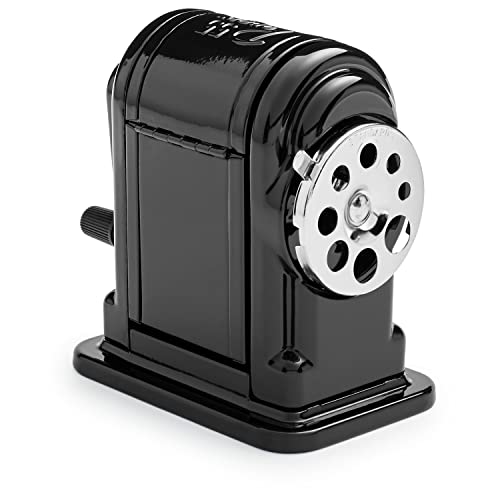
X-ACTO Ranger 55 Classroom Manual Pencil Sharpener
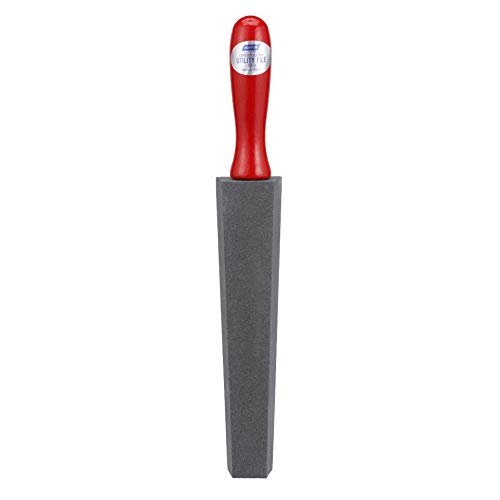
Norton Crystolon Utility File Sharpening Stone 14”

SHARPAL 178N 3-In-1 Pocket Knife Sharpener 4-Inch

SHARPAL 216N Dual-Grit Diamond Sharpening Stone

AccuSharp Pocket Stone Sharpener with Pouch
More Details On Our Top Picks
Bench sharpening makes the most sense for you when the work happens at home, not out in the yard. This Work Sharp setup stands out for its adjustable guide angles, set at 15 degrees or 17 degrees, with the option to remove the guides and sharpen freehand.
That gives you a useful middle ground between consistency and control, especially for kitchen knives, pocket knives, and fillet blades. The trade-off is simple, it fits a bench routine better than a grab-and-go pack, so it suits you most when you keep tools in one place.
Strong Points
- Guides help you keep a repeatable edge angle.
- Freehand mode gives more room for skill work.
- Fits several blade types, which helps one setup cover more jobs.
Points To Note
- It takes a little more space than a pocket sharpener.
- Bench use makes it less convenient for field carry.
- You may prefer a simpler stone if you only need quick touch-ups.
Feature Rundown
Who It Suits Best
You suit this best if you sharpen knives at a bench and want a steadier, more deliberate process.
Where A Sibling Pick Shines
SHARPAL 178N 3-In-1 Pocket Knife Sharpener fits commuters and pack carry better because it lives in a much smaller body.
This one leans into straightforward axe maintenance, and that suits a lot of garage or shed routines. The dual-grit puck uses 180 on one side and 320 on the other, so you can work from rough edge repair toward a cleaner finish without switching tools.
It’s also made from fired corundum, which is a hard abrasive ceramic used for grinding and sharpening, and that usually points to steady wear resistance. The leather sheath is a practical touch for storage, though the puck form still asks for a bit of hand control during use.
What We Like
- Two grit levels give you a simple rough-to-fine path.
- The puck shape feels suited to hatchets and axes.
- The included sheath helps keep it together in a tool bag.
- Corundum construction is a solid fit for repeated sharpening sessions.
Room For Improvement
- Puck sharpening still depends on your hand technique.
- It is less versatile than a larger bench stone.
- The compact size may feel small for bigger sweeping passes.
Core Details
Made For
You suit this well if you keep an axe or hatchet in regular use and want a compact maintenance tool.
Another Choice May Suit
Norton Crystolon Utility File Sharpening Stone fits you better when you want a long handled tool for field sharpening larger blades.
The larger 3.8-inch surface is the headline here, and that matters more than it sounds. A bigger puck gives you a steadier contact area on axes and hatchets, so the motion feels less cramped during repeated passes.
That extra size makes sense for bushcraft trips, camping kits, or garden work where the tool may see more than one blade in a day. The cowhide sheath adds a straightforward carry solution, though the oversize body takes up more room than the smaller Angerstone puck.
Highlights
- Oversized face gives you more contact area for broad blades.
- Dual grits help you manage both repair and refinement.
- Cowhide sheath makes storage easier in a field kit.
- Good fit for outdoor use where a stable sharpening surface matters.
Softer Spots
- The larger body is less compact than pocket-sized options.
- Hand control still matters, especially on narrow edges.
- It is more specialized than a multi-tool sharpener like SHARPAL 216N.
At A Glance
Best Suited To
You suit this if you want a field sharpener with more surface stability for camping or bushcraft use.
Swap It Out When
SHARPAL 178N 3-In-1 Pocket Knife Sharpener fits you better when you need a lighter carry piece for mixed blade types.
Two folding sharpeners in one set make this an easy fit for a shed, greenhouse, or camping bin. The diamond surfaces and 400/600 grit pairing give you a finer approach than the coarser axe pucks above, so this makes more sense for pruning tools, loppers, and garden blades that need maintenance rather than major repair.
It also folds, which helps protect the abrasive face and makes pocket storage less awkward. The trade-off is that it’s less specialized for heavy axe work, so you get more usefulness across lighter blades than brute force on thick edges.
Bright Spots
- Two tools in the set give you backup or shared use.
- Folding design makes storage simpler.
- Fine grits suit maintenance work on garden blades.
- Diamond surface tends to feel efficient on touch-up jobs.
Minor Gripes
- It is better for lighter sharpening than major reshaping.
- The pocket format can feel small for bigger blades.
- You may need a coarser tool for neglected axes.
Details At A Glance
The Right Fit
You suit this best if your work leans toward pruners, loppers, and other garden tools that need regular touch-ups.
Look Elsewhere When
Angerstone Axe Sharpener Dual Grit 180/320 suits you better when your main job is restoring a rough axe or hatchet edge.
This is the outlier in the group, and that helps you see the category more clearly. It’s a manual pencil sharpener with a mountable body, so it belongs in classrooms, studios, and shared desks rather than a workshop full of steel blades.
The adjustable fit for eight pencil sizes adds convenience for heavier classroom use, especially when several pencil types are in circulation. The trade-off is obvious, it doesn’t address axes at all, so it only makes sense here for mixed tool lists and people who also need a dependable pencil sharpener.
Upsides
- Mountable design helps it stay put on a desk or wall.
- Eight pencil-size settings make it adaptable for shared use.
- Manual operation keeps the setup simple.
Things To Consider
- It is outside the axe-sharpener lane.
- Best value depends on whether you actually need pencil sharpening.
- Mounted use means it is not a portable pocket tool.
Feature Card
Whose Shelf It Belongs On
You suit this if your desk or classroom needs a fixed manual pencil sharpener, not a blade tool.
Reach For A Different Pick When
Work Sharp Benchtop Whetstone Knife Sharpener suits you better if your real goal is knives and edged tools.
Long handled sharpening tools tend to matter more once you step outside the kitchen. At 14 inches overall, this Norton file gives you reach for field sharpening, which is useful for axes, hatchets, mower blades, and spades when the work happens away from a bench.
The premium silicon carbide abrasive is a coarse cutting surface, so it leans toward fast material removal rather than fine finishing. That makes it a strong fit for practical outdoor tool upkeep, though you’ll probably want a finer stone nearby for a cleaner final edge.
Reasons To Buy
- The 14-inch length gives you good reach on larger tools.
- Wooden handle improves control during outdoor use.
- Silicon carbide works well for coarse sharpening jobs.
- Useful for field kits where a bench stone feels too bulky.
Honest Caveats
- Coarse grit is not meant for a polished finishing edge.
- The long body takes more room than pocket stones.
- You need to manage your angle carefully to avoid uneven results.
Quick Facts
Built With In Mind
You suit this if you sharpen in the field and want a long handled tool for larger garden or outdoor equipment.
Where A Sibling Pick Shines
SHARPAL 216N Dual-Grit Diamond Sharpening Stone fits you better if you want more grit flexibility in a flatter, more compact form.
Small carry tools earn their keep fast, especially in a glove box, tackle bag, or day pack. The SHARPAL 178N combines a diamond rod with a 600-grit sharpening surface, so it works as a compact tool for straight blades, serrated edges, and hooks rather than a single-purpose stone.
The aluminum handle adds a more solid feel than lightweight plastic pocket gear, and the 4-inch form keeps it easy to stash. The catch is that it favors quick maintenance over heavy reshaping, so you’ll get the most from it on blades that only need regular touch-ups.
Best Bits
- Three sharpening functions in a small carry size.
- Works on straight blades, serrations, and hooks.
- Aluminum handle gives it a sturdier hand feel.
- Easy to keep in a pocket, pack, or tackle kit.
Small Caveats
- It is built for touch-ups more than major repair.
- The short length leaves less working surface than a bench stone.
- Mixed-use tools take a bit of learning to use well.
Spec Overview
Who Should Grab It
You suit this if you want a pocket-friendly sharpener for travel, fishing, or everyday carry kits.
Skip It When
Angerstone 3.8” Oversized Axe Sharpener suits you better when your main task is broad axe or hatchet work.
This SHARPAL stone lands in the middle ground between coarse repair and finer upkeep, which makes it especially useful around the yard. The 220 and 600 grit pairing gives you one side for heavier shaping and another for cleanup, so axes, hatchets, machetes, hedge shears, and lawn mower blades can all live on the same tool path.
That wide target range is the main reason to look here instead of the narrower pocket options. It’s still a manual stone, so it asks for consistent hand pressure, but the dual-grit layout helps reduce how many tools you need in a workshop.
Positives
- Two distinct grit levels cover both rough and fine work.
- Broad tool compatibility helps a workshop stay uncluttered.
- Diamond surface is well suited to repeated maintenance.
- Good match for blades that move between garden and shop use.
Areas To Watch
- Manual use means your angle control still matters.
- It is not as pocket-friendly as the SHARPAL 178N.
- You may need a steadier setup for larger mower blades.
Feature Snapshot
Right Fit For
You suit this if you want one stone for several garden and workshop tools, not a separate sharpener for each job.
Not Your Match When
AccuSharp Pocket Stone Sharpener with Pouch suits you better if portability matters more than tool coverage.
At 3 inches, this is the smallest stone in the roundup, and that’s exactly its point. The dual-sided design gives you a simple path for restoring and honing straight blades, while the pouch makes it easier to keep in a camping kit or tackle bag.
Because it is diamond-based, it leans toward efficient edge maintenance in a compact format. The smaller footprint is handy, though it also means less surface to work with, so it fits you best for short sharpening sessions rather than broader blade repair.
What We Like
- Very compact size suits small packs and glove boxes.
- Dual-sided layout gives you basic sharpening flexibility.
- Pouch helps with storage and loose-gear protection.
- Works well for straight blades that need quick maintenance.
Trade Offs
- The small face leaves less room for long strokes.
- It is less suited to major axe work than larger stones.
- Diamond faces can feel aggressive on a very light touch.
Feature Card
Whose Shelf It Belongs On
You suit this if you want a pocket stone for travel, camping, or a small fishing kit.
A Better Fit Elsewhere
Norton Crystolon Utility File Sharpening Stone 14” suits you better when you need reach for larger outdoor tools.
How To Choose The Right Ax Sharpeners
Start With The Tool You Actually Own
Axes and hatchets need a different feel than kitchen knives, and that starts with stone shape and grit. A puck-style sharpener gives you a compact surface for broad field tools, while a long file or bench stone gives you more sweep and control for steady hand work.
Coarser grits, such as 180 or 220, remove more material and help repair tired edges. Finer steps, like 320, 400, 600, and above, are better for smoothing after the rough work is done.
Match Size To Where You Sharpen
Bench users usually do better with a larger stone or guided system, since the extra surface helps with repeatable angle work. Campers and trail crews often prefer pocket tools or a sheathed puck because they fit into the gear already packed.
That size choice affects comfort too. A 14-inch file reaches well on larger blades, but a 3-inch pocket stone disappears into a small kit with almost no fuss.
Think About Angle Control And Grip
Guides help newer sharpeners keep a stable angle, which matters because edge consistency often matters more than speed. Freehand tools reward practice and give you more flexibility, but they also ask for a steadier hand.
Grip design matters just as much. A wooden handle, aluminum body, leather sheath, or folding shell all change how easy the tool feels during a long session.
Choose Grit For The Job In Front Of You
For damaged edges, start coarse and move upward only after the shape is back. For blades that already cut well but just need upkeep, a finer diamond face or whetstone finish usually makes more sense.
That’s where the right sharpener saves time. You stop forcing one tool to do every job, and the edge work feels cleaner from the first pass to the last.
Things Worth Knowing First
Common Shopping Slip Ups
A lot of people grab a pocket stone for an axe and then wonder why the work feels slow. The better move is to match the tool to the blade size, then check whether the grit range starts coarse enough for the edge you have.
Another common miss is overlooking storage. A sheathed puck, folding sharpener, or handled file is much easier to keep organized in a shed, pack, or drawer.
The Upgrade Payoff
Higher-tier sharpeners usually cost more because of the abrasive material, the handle design, and the range of grit options. Diamond surfaces, larger bodies, and more precise angle control tend to make the tool feel more controlled and less fussy over time.
That upgrade makes sense for you when you sharpen often or work across several tool types. For occasional touch-ups, a simpler stone can still be enough.
Frequently Asked Questions
What grit works best for an axe?
Coarser grits like 180 or 220 help repair dull or uneven edges. Finer grits work better after the shape is back and you want a smoother finish.
Can you sharpen a hatchet with a pocket stone?
You can, but the smaller face slows you down on broader blades. A puck or longer file usually feels easier for that job.
Do guided sharpeners help beginners?
Yes, because they reduce angle guessing and make repeat passes easier to manage. They also suit home sharpening stations better than carry kits.
Are diamond sharpeners better than whetstones?
Diamond surfaces usually cut faster and stay compact, which helps with field use. Whetstones often feel more traditional and can give you more control on bench setups.
What should you sharpen first in a tool kit?
Start with the tool you use most often, because that gives you the quickest payoff. For many people, that means an axe, hatchet, pruners, or a dependable pocket knife.
Closing Thoughts
The right ax sharpener depends less on brand name and more on where you do the work, how much edge repair you need, and whether you want a bench tool or something that rides in a pack. For home use, the Work Sharp Benchtop Whetstone gives you the most controlled setup. For field carry, the SHARPAL 178N and AccuSharp Pocket Stone keep things compact, while the Angerstone and Norton options lean harder into axe and outdoor tool upkeep. Pick the shape that matches your routine, and the edge work gets a lot less frustrating.