Sharp edges make outdoor chores less of a slog, whether you split kindling at camp, clean up a hatchet in the shed, or keep garden tools moving smoothly. This roundup focuses on axe sharpeners that fit different habits, from pocket-sized stones to guided systems with more control. You’ll see where each one earns its place, and where a different style makes more sense.
Quick Look at the Shortlist

Angerstone Axe Sharpener Dual-Grit 180/320 Puck

Angerstone Axe Sharpener 3.8-Inch Oversized Puck

Bogoni Rolling Knife Sharpener Diamond and Ceramic
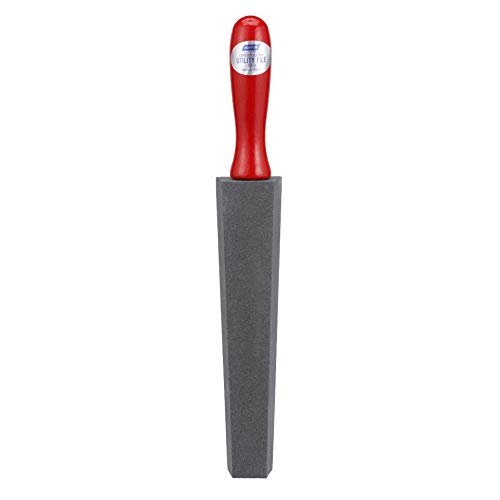
Norton Crystolon Utility File Sharpening Stone

SHARPAL 127N Dual-Grit Diamond Sharpening File

SHARPAL Pocket Knife Sharpener and Garden Tool Sharpener

CAMILLUS GLIDE V-Notch Multi-Angle Sharpener

Work Sharp Ken Onion Knife Sharpener Tool
More Details On Our Top Picks
The Angerstone puck format keeps things simple, which helps when you want to touch up an axe without carrying a larger setup. Corundum, a hard abrasive mineral used for grinding, gives you a practical mix of cutting speed and durability, while the 180 and 320 grits cover shaping and refinement. The leather sheath adds a little protection in a toolbox or pack, though it still calls for sensible storage.
Compared with the Norton file later in this list, this one feels more compact and easier to pack, though it gives you less reach on longer blades. For campers, property owners, and anyone who keeps a hatchet in regular rotation, it offers a straightforward way to maintain an edge without much fuss.
Strong Points
- Dual grits give you a roughing side and a finer side in one puck.
- Corundum construction suits repeated use in a workshop or garage.
- The small shape fits well in a field kit or tool bag.
- The sheath helps keep the stone from rubbing against other gear.
Room For Improvement
- The compact size means more hand work than a guided system.
- You may find it slower on badly worn edges.
- The puck shape asks for a steady grip during use.
Feature Snapshot
Who It Suits Best
You’ll get the most from this pick if you want a compact stone for hatchets, axes, and general tool upkeep around home or camp.
Where A Sibling Pick Shines
Angerstone Axe Sharpener 3.8-Inch Oversized Puck suits you better when you want more stone surface for steadier field sharpening.
That larger 3.8-inch face gives this Angerstone a steadier feel than the smaller puck above, especially when your hands are cold or you’re working outdoors. The bigger contact area helps you keep more of the blade on the stone, which makes the motion feel less fiddly on axes and hatchets. The cowhide sheath is a nice field touch, though leather still benefits from dry storage after a damp day.
For bushcraft, campsite cleanup, and garden work, the size advantage matters more than flashy extras. You may prefer this one over the first Angerstone when you want more control from a broader surface, while the Work Sharp system later in the list suits a more guided shop setup.
What We Like
- The oversized face gives you more usable sharpening area.
- Dual grits cover both coarse work and finer finishing.
- The larger puck feels steadier during outdoor use.
- Cowhide storage helps keep the stone contained in a pack.
Points To Note
- The larger body adds a bit more bulk in a pack.
- Hand sharpening still asks for some consistency from you.
- Leather storage needs care after wet outings.
Details At A Glance
Built With In Mind
This suits you best for bushcraft, camping, and outdoor tool care, especially when a broader sharpening face feels easier to manage.
A Better Fit Elsewhere
Norton Crystolon Utility File Sharpening Stone works better for long-reach touch-ups on bigger blades and yard tools.
After two hand stones, this one shifts into guided sharpening, which can feel easier for kitchen knives and pocket blades that need a repeatable angle. The 15 and 20 degree magnetic settings are useful because angle control, the tilt of the edge against the abrasive, often matters as much as the abrasive itself. Diamond and ceramic discs also give you a more structured path from shaping to finishing, plus the leather strop helps refine the edge at the end.
That extra control comes with a trade-off, since this is less pack-and-go than the first two Angerstone pucks. For home cooks, hobbyists, or anyone who wants a more exact process than a freehand stone, Bogoni stands apart from the simpler field tools in the roundup.
Highlights
- Magnetic angle settings help keep strokes more consistent.
- Diamond and ceramic parts cover different sharpening stages.
- The leather strop adds a final refinement step.
- It works beyond axes, so you get wider use at home.
Small Caveats
- The setup takes more counter space than a small puck.
- It suits a fixed work area better than a pack.
- More moving parts mean more care during storage and cleanup.
Technical Sheet
Whose Shelf It Belongs On
You’ll like this most if you want a guided sharpener for kitchen knives, pocket knives, and light tool work at a home bench.
Swap It Out When
Camillus GLIDE fits better for a compact multi-tool sharpener that stays ready in a tackle box or gear bag.
The 14-inch length changes the feel right away, because you get much more reach than the pocket stones earlier in the list. Silicon carbide, a hard sharpening abrasive, makes sense for utility use where you want a coarse file style tool for axes, hatchets, mower blades, and spades. The wooden handle gives you a familiar grip, which matters when you’re working outdoors and don’t want the tool to feel awkward in the hand.
This is the kind of sharpener that suits a shed, truck box, or field kit where long tools are common. The honest read is that it’s less refined than the guided Bogoni option, but it covers bigger surfaces with fewer passes and feels built for job-site practicality.
Upsides
- The long body gives you reach on larger tools.
- The handle makes the file easier to control.
- Coarse grit suits quick edge work on worn blades.
- It handles more than axes, which broadens day-to-day use.
Areas To Watch
- Coarse grit leaves more room for follow-up finishing.
- The long shape is less pocketable than a puck.
- Wood needs basic care in damp storage spots.
Core Details
The Right Fit
This suits you best for heavy outdoor chores, especially when the tool set includes axes, spades, and mower blades.
Look Elsewhere When
SHARPAL 127N makes more sense for finer control and a wider grit range on mixed garden tools.
SHARPAL 127N sits in a sweet spot between the simple puck sharpeners and the more elaborate guided system. The 325 and 1200 grit pair gives you a coarse stage for shaping and a much finer stage for edge cleanup, which is useful when you maintain lawn tools, hedge shears, and an axe with the same file. The leather strop adds one more finishing touch, and the handle makes the file easier to control than a bare stone.
Compared with the Norton file, this one gives you a finer finishing option, which helps when your gear needs more than just a rough edge reset. It suits a home workshop well, though it still asks you to manage the angle by hand rather than rely on a clamp or rail.
Best Bits
- The grit spread gives you both shaping and finishing.
- The handle improves control during longer sharpening sessions.
- The leather strop adds a clean finishing step.
- It works across garden and yard tools, not just axes.
Minor Gripes
- Hand angle control still depends on your consistency.
- It takes a little more care than a simple pocket puck.
- The file format is less compact than a small stone.
Feature Rundown
Perfect Match For
You’ll like this most if you keep a mix of garden tools and blades in regular rotation and want one file that handles more than one task.
Another Choice May Suit
Angerstone Axe Sharpener 3.8-Inch Oversized Puck fits better for a simpler field kit with a broader stone face.
This SHARPAL combo leans into broad usefulness, which helps when your tool drawer holds both pocket knives and yard tools. The mix of straight-edge and serrated knife support, plus the ability to handle an axe, pruners, shears, scissors, and mower blades, makes it feel like a catch-all kit for routine upkeep. The gift-pack framing and greeting card add a small presentation touch, though the real value is still in the tool coverage.
Compared with the more focused Angerstone pucks, this is less about one job and more about covering many small tasks around the house and garden. For someone who wants one practical sharpener for mixed gear, it’s easy to justify, while the CAMILLUS option later is better if you want something smaller and simpler.
Reasons To Buy
- The tool list covers a wide range of household and yard items.
- It supports both straight and serrated knife edges.
- You can keep one kit for multiple small maintenance jobs.
- The bundle format makes it useful for gifting.
Worth Noting
- The broad feature set adds some complexity.
- It is less specialized than a dedicated axe stone.
- Storage is easier when you keep all parts together.
Spec Overview
Who Should Grab It
This suits you best if your home tools are spread across the kitchen, shed, and yard, and you want one sharpener for many small jobs.
Reach For A Different Pick When
Work Sharp Ken Onion Knife Sharpener Tool is the smarter move for a more adjustable bench-style setup.
CAMILLUS GLIDE keeps the format small, and that matters when you want a sharpener that can live in a tackle box, pack, or glove compartment. The V-notch design gives you a simple place to start the blade, while the ceramic carbide build offers a practical blend of smooth finishing and quicker material removal. Multi-angle use adds flexibility for knives, axes, shears, and hooks, though it still makes the most sense for light, portable sharpening.
Compared with the SHARPAL combo, this one is narrower in scope but much easier to carry around. For anglers, campers, and tool users who value a compact backup sharpener, it makes a tidy case for itself.
Positives
- The small frame packs easily with other gear.
- The V-notch helps guide the blade into place.
- It handles several common tool types in one compact body.
Softer Spots
- The compact body is better for touch-ups than major repairs.
- It offers less surface area than a puck or file.
- Lightweight tools can feel less steady on very dull edges.
Feature Card
Built With In Mind
You’ll like this best as a compact backup sharpener for camping kits, fishing gear, or light household tool touch-ups.
Where A Sibling Pick Shines
Angerstone Axe Sharpener Dual-Grit 180/320 Puck works better for more focused axe and hatchet maintenance.
This Work Sharp system sits at the more adjustable end of the group, which is exactly where it should be for people who sharpen often and want more control. The knife, scissor, serrated blade, and tool support make it especially useful for a workshop or garage setup, where a dedicated station can stay put. Compared with the handheld stones in the first half of the list, it asks for more space but gives you a more organized process.
For hobbyists and home users who are done with guesswork, that extra structure can feel worth the step up. The trade-off is obvious enough, since this is less portable than the pucks and files, but it suits steady bench work very well.
What We Like
- The adjustable system gives you more control over sharpening sessions.
- It covers several blade types, including serrated edges and scissors.
- A fixed setup works well for repeated maintenance jobs.
Things To Consider
- The bench-style format needs more storage room.
- It is less portable than the pocket and file options above.
- More adjustability usually means a bit more setup time.
Core Details
Who Will Love This
This fits you best if you sharpen regularly at a bench and want a more controlled setup than a handheld stone can offer.
Where Shoppers Go Wrong
Angerstone Axe Sharpener Dual-Grit 180/320 Puck makes more sense when portability matters more than a fixed station.
How To Choose The Right Axe Sharpeners
Match The Sharpener To Your Blade Work
Axe sharpeners split into a few broad styles, and the right one depends on how rough the edge usually gets. A dual-grit puck like the Angerstone models suits routine touch-ups, while a long file such as the Norton Crystolon helps when the edge is wider or the tool is larger. Guided systems like the Bogoni and Work Sharp are better for people who want angle control and a more repeatable process.
The shape matters as much as the abrasive. A compact puck travels easily, a file gives you reach, and a bench-style system stays ready for repeated sharpening sessions. That’s the trade-off in plain terms, portability versus control.
Think About Grit And Abrasive Type
Grit is the roughness of the sharpening surface, and lower numbers remove more metal while higher numbers refine the edge. A coarse side helps restore a worn blade, then a finer side smooths things out, which is why dual-grit tools make so much sense for general use. Diamond and ceramic tend to suit different sharpening preferences, with diamond usually feeling more aggressive and ceramic leaning more toward finish work.
You do not need the most elaborate grit spread for every job. For camp axes and garden tools, a simple coarse-and-fine setup often covers more ground than a highly specialized system.
Size, Grip, And Storage Still Matter
Field use changes everything. A leather sheath, wooden handle, or smaller puck body helps when the sharpener lives in a pack or truck, while a longer file is easier to control on bigger tools but takes up more room. Leather and wood also ask for a little more care after wet work, so dry storage matters.
For garage use, a larger base or guided sharpener can feel cleaner and calmer to handle. For trail or property work, a compact tool usually makes more sense, even if it gives up some refinement.
What To Weigh Before You Choose
Mistakes Worth Dodging
A common slip is picking a sharpener that sounds versatile but feels awkward on the blade you actually use most. Another is buying a tiny stone for heavy edge repair, then wondering why it feels slow on a worn axe. The safer move is to start with your most common task and choose the shape that fits it.
Storage gets overlooked too. A leather sheath, wooden handle, or loose abrasive tool needs a bit of care, especially in damp sheds and packed tool bins.
The Upgrade Payoff
Higher-tier sharpeners usually cost more because they add control, more materials, or a more organized sharpening path. Magnetic angle guides, paired abrasives, and adjustable bench systems take more parts to build, and that often shows up in the price. You also pay for convenience, since repeatable setup can save time for people who sharpen often.
The upgrade makes sense when you maintain several knives or tools on a regular schedule. For occasional axe touch-ups, a simpler puck or file often gets the job done with less fuss.
Frequently Asked Questions
What grit range works best for an axe sharpener?
A coarse side around the lower grit range helps reset a dull edge. A finer side gives you a cleaner finish after the heavier work is done.
Are pocket-sized sharpeners enough for axes?
They can be, especially for routine edge maintenance and camping use. A larger file or oversized puck feels easier on broad, worn blades.
Do guided sharpeners help beginners?
Yes, because the angle support removes some guesswork. That can be a real help if you want steadier results on kitchen knives and light tools too.
What material lasts well in a sharpening tool?
Diamond, ceramic, corundum, and silicon carbide all show up for good reason. Each one brings a different mix of aggressiveness, finish, and feel in hand.
Which option is easiest to carry outdoors?
Compact pucks and small V-notch tools are the easiest to pack. Longer files and bench systems make more sense once you have a fixed work area.
Closing Thoughts
The right axe sharpener comes down to how you work, not just how sharp you want the edge to be. A simple puck is easy to carry, a long file gives you reach, and a guided system brings more control to the bench. Once you match the tool to the way you handle axes, hatchets, and garden gear, the choice gets much clearer. Pick the style that fits your routine, and you’ll spend less time wrestling the blade and more time getting the job done.