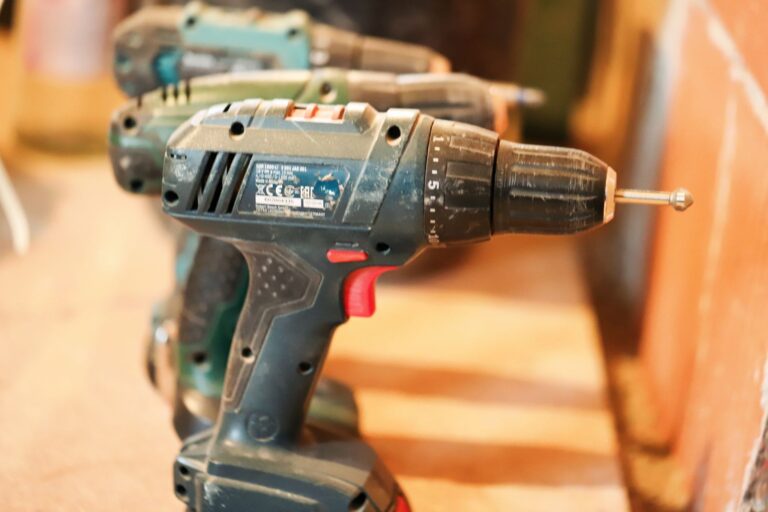
Battery-powered nail guns make sense when you want clean fastening without dragging a hose, setting up a compressor, or wrestling with cords in tight spaces. You’ll appreciate that difference most during trim work, shelving installs, upholstery touchups, and jobsite punch lists where quick positioning matters more than brute force. The nine picks below cover brad, pin, finish, staple, and roofing use, so you can match the tool to the task instead of forcing one gun to do everything. Some are bare tools for an existing battery system, while others include the battery and charger you need to get moving.
The Shortlist At A Glance

WEN 20V Max Cordless 18-Gauge Brad Nailer (20512)
PIN NAILER CMPCT 20V 23G

Metabo HPT NT1850DG 18-Gauge Cordless Brad Nailer Kit

CRAFTSMAN V20 Brad Nailer CMCN618B
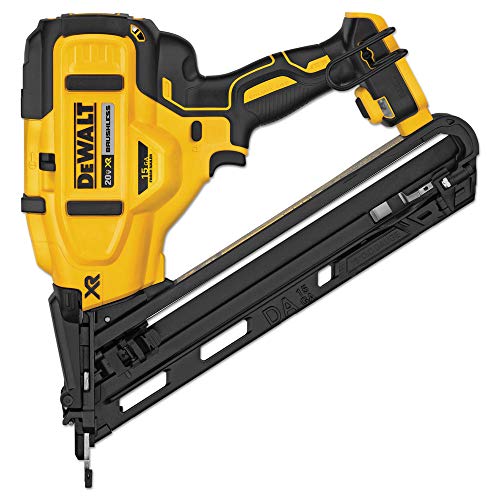
DEWALT DCN650B Nailer Angled Finish 20V 15Ga

Ryobi 18V ONE+ Airstrike Brad Nailer P321

BATAVIA 2-in-1 Cordless Brad Nailer & Stapler Kit

Worx Nitro 20V 18GA Cordless Brad Nailer WX842L PowerShare
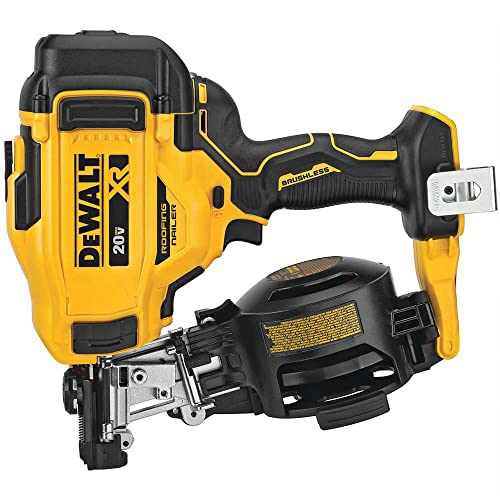
DeWalt 20V MAX Brushless 15 Degree Cordless Roofing Nailer
More Details On Our Top Picks
The WEN 20512 makes sense for trim jobs where you want a brad nailer that arrives as a ready-to-go kit, not just a bare tool. The included 2.0Ah battery keeps the package straightforward, and that matters in a garage workshop or a weekend renovation where you do not want to assemble pieces from several orders.
Compared with the more specialized picks later in this list, this one feels like a sensible starting point for light finish work. The trade-off is that a starter-friendly kit usually carries less system flexibility than a tool-only model, so long-term value depends on whether you plan to stay with WEN gear.
What We Like
- Includes battery and charger, so you can get moving without extra parts.
- 18-gauge brads suit baseboards, casing, and small trim details.
- The cordless layout keeps you mobile around ladders and wall sections.
- Good fit for a first cordless nailer in a home shop.
Minor Gripes
- The kit focus is handy, but it may feel less adaptable than tool-only options.
- Owners of larger tool systems may prefer a model that matches an existing battery platform.
- As with any finish nailer, nail choice and depth setting still matter on harder stock.
Feature Snapshot
Who It Suits Best
Home improvers who want a simple trim nailer kit will get the most out of it.
Where A Sibling Pick Shines
Ryobi 18V ONE+ Airstrike Brad Nailer P321 suits someone already invested in a larger battery lineup.
A 23-gauge pin nailer earns its place on delicate trim, tiny moldings, and craft work where even a brad feels too visible. This compact version makes the most sense in a busy shop or on detail projects around the house, where you care more about discreet fastening than heavy holding power.
Compared with the 18-gauge WEN above, this one works with a finer fastener and leaves a smaller footprint. The honest trade-off is that pin nails do less to anchor thicker stock, so this is a precision tool rather than an all-purpose finish gun.
Highlights
- 23-gauge pins are a smart match for delicate trim and light craft assembly.
- Compact layout helps in tight corners and tabletop work.
- Smaller nail holes usually mean less visible touch-up afterward.
Things To Consider
- It is better for fine work than for heavier trim installation.
- Pin nails offer less grip than brads, so thicker pieces may need another tool.
At A Glance
The Right Fit
Detail-oriented DIYers who build small trim pieces or decorative projects will like the lighter touch.
Another Choice May Suit
Metabo HPT NT1850DG 18-Gauge Cordless Brad Nailer Kit suits you better for fuller trim work and stronger fastening.
This Metabo HPT kit leans into runtime and portability in a way that suits frequent trim installers. The listed 700 shots per charge gives you a clear sense of how it is positioned, and the 5/8-inch to 2-inch nail range covers a useful spread for molding, casing, and light cabinetry.
Compared with the WEN kit, this one looks more tuned for repeat work and a larger battery ecosystem thanks to MultiVolt compatibility. The trade-off is plain enough, tool capability matters more here than starter simplicity, so it fits best in a setup that sees regular use.
Positives
- 700 shots per charge is a strong signal for longer sessions between battery swaps.
- Handles 5/8-inch to 2-inch nails, which covers a practical range of trim tasks.
- Compact body helps in overhead installs and ladder work.
- MultiVolt compatibility broadens the battery side of ownership.
- The included 2.0Ah lithium-ion battery keeps the kit immediately usable.
Areas To Watch
- The kit focus may be more than casual hobby use really calls for.
- Longer runtime helps, but finish quality still depends on depth tuning and material density.
- Battery compatibility helps most if you already own related Metabo HPT gear.
Core Details
Whose Shelf It Belongs On
Regular renovators and trim installers will get the strongest value from it.
Swap It Out When
BATAVIA 2-in-1 Cordless Brad Nailer & Stapler Kit fits better for upholstery and lighter craft tasks.
This bare-tool CRAFTSMAN makes the most sense for someone already living inside the V20 battery system. The headline figure, up to 420 nails per charge, points to a tool that should handle a fair amount of trim work before you need to stop and recharge.
Compared with the Metabo HPT kit, this one is more about battery-platform convenience than bundled completeness. That trade-off works in your favor during a brand-loyal setup, but it leaves you with less value straight out of the box than the kit-based options.
Bright Spots
- Up to 420 nails per charge is a useful benchmark for short to medium trim jobs.
- Bare-tool format helps you avoid paying for another charger and battery you may already own.
- 18-gauge format keeps it in the familiar finish-nailer lane.
Softer Spots
- You need a compatible V20 battery, so the upfront package is lean rather than complete.
- Tool-only packaging is efficient, but not as convenient for a first purchase.
Details At A Glance
Built With In Mind
You will get the most from it in a CRAFTSMAN-equipped home workshop or on small renovation jobs.
Look Elsewhere When
WEN 20V Max Cordless 18-Gauge Brad Nailer (20512) is the better fit for someone who wants a battery and charger included.
The angled 15-gauge format puts this DEWALT in a different lane from the brad nailers above. That matters in cabinet trim, thicker casing, and other finish jobs where a little more holding strength is welcome and the nail path benefits from the angled nose.
It leans toward the installer who wants a more substantial finish tool rather than a delicate detail nailer. The compromise is that it is less subtle than 18-gauge options, so it suits visible trim work that still needs a clean result, not tiny decorative pieces.
Reasons To Buy
- 15-gauge fasteners bring more holding power than the finer brad models here.
- The angled layout helps in tighter trim positions and around awkward joints.
- Better fit for thicker casing and more substantial finish work.
Room For Improvement
- It is less suited to delicate trim than the 18- and 23-gauge picks.
- The bare-tool style means you need an existing battery setup.
Technical Sheet
Best Suited To
Finish carpenters and serious home improvers working on casing, chair rail, or similar trim will appreciate the format.
Reach For A Different Pick When
Worx Nitro 20V 18GA Cordless Brad Nailer WX842L PowerShare is the better fit for lighter trim where a smaller hole matters more.
The Ryobi P321 is built around a familiar idea, keep the tool simple for people already using 18V ONE+ batteries. That makes it a sensible match for trim touchups, small remodels, and weekend projects where battery sharing matters more than a bundled starter kit.
Compared with the CRAFTSMAN bare tool, this one sits in a very similar space, though it will appeal more to Ryobi households. The catch is obvious, tool-only convenience is great for system owners, but it is a weaker first buy for someone starting from zero.
Best Bits
- Tool-only format suits anyone already invested in Ryobi batteries.
- 18-gauge brads fit common trim, casing, and molding jobs.
- AirStrike styling keeps the layout cordless and uncluttered.
Points To Note
- Battery and charger are separate, so the first setup takes more planning.
- Best value shows up once you already own compatible Ryobi gear.
Core Details
Who Should Grab It
Existing Ryobi tool owners who want a matching nailer for light finish work are the clearest fit.
Where A Sibling Pick Shines
WEN 20V Max Cordless 18-Gauge Brad Nailer (20512) is more straightforward for someone who needs a battery and charger in the box.
BATAVIA takes a more casual, multi-use route than the trim-focused tools above. The 2-in-1 setup, plus the included nails and staples, makes it practical for upholstery refreshes, light wood assembly, and mixed DIY jobs where you do not want to juggle several tools.
At 1.6 pounds, it keeps fatigue down during handheld use, and the 4V battery is paired with a compact form that suits smaller tasks. The trade-off is that this is still a light-duty tool, so it belongs in the hobby and home-project lane rather than serious carpentry.
Strong Points
- 2-in-1 layout gives you brad-nailer and stapler functions in one tool.
- Included nails and staples reduce the need to source supplies separately.
- 1.6-pound weight helps during longer handheld sessions.
- Up to 1,200 staples per charge is useful for steady DIY work.
- Up to 40 pins per minute gives you a sense of light-task pace.
Small Caveats
- Light-duty design is better for home projects than for demanding trim installation.
- The 4V platform is modest, so heavy-duty expectations would be misplaced.
- Staple and nail supplies still need occasional restocking.
Feature Card
Perfect Match For
DIYers who do upholstery, craft assembly, or simple home repairs will get the most from it.
Where A Sibling Pick Shines
Worx Nitro 20V 18GA Cordless Brad Nailer WX842L PowerShare is the better fit for anyone who needs a more serious trim tool.
The Worx Nitro feels aimed at people who want a more polished trim nailer without jumping to a specialty tool. Its 18-gauge format, battery included package, and tool-free jam release make it easy to picture in trim, molding, and baseboard work around the house.
Compared with the Ryobi and CRAFTSMAN bare tools, this one offers a more complete out-of-box path. The honest read is that the extra convenience matters most when you want fewer interruptions, especially on interior finish jobs where small delays add up.
Upsides
- Battery and charger are included, which simplifies the first setup.
- Tool-free jam release makes routine cleanup less of a chore.
- 18-gauge brads fit common trim, molding, and baseboard tasks.
- Up to 2-inch nail support gives you room for a broad finish range.
Worth Noting
- It is still a trim tool, so it is not meant for heavier structural fastening.
- Convenience features help, but a clean result still depends on correct depth setting.
- Battery-supplied bundles can feel redundant for people already deep in another platform.
Feature Rundown
Who Will Love This
Home trim installers who want fewer setup hassles and a broader nail range will appreciate it.
Not Your Match When
DeWalt 20V MAX Brushless 15 Degree Cordless Roofing Nailer is the better fit for roofing work, not interior trim.
This DeWalt stands apart because it is built for roofing, not general trim. The brushless motor design usually points to efficient power delivery, and the 15-degree coil format fits the kind of workflow you’d expect on shingles and roof decking rather than living-room baseboards.
Compared with every brad and pin nailer earlier in the list, this one solves a different problem entirely. That specialization is the strength, though it also means the tool only makes sense for roofing tasks or crews that want a dedicated cordless roofing setup.
What We Like
- Roofing-specific design keeps the tool focused on shingle work.
- Brushless motor setup is a sensible fit for cordless jobsite use.
- 15-degree coil format suits roofing-style fastening.
- Tool-free nail tray can make loading simpler on the roof.
Honest Caveats
- It is specialized gear, so it is not a substitute for a finish nailer.
- Roofing tools bring a steeper learning curve than simple trim nailers.
- Dedicated maintenance matters because roofing use is harsher than indoor finish work.
Spec Overview
Who It Suits Best
Roofing crews and serious home renovators who need a dedicated shingle nailer will be the clearest match.
Skip It When
WEN 20V Max Cordless 18-Gauge Brad Nailer (20512) is the more sensible choice for ordinary interior trim work.
How To Choose The Right Battery Powered Nail Guns
Match The Gauge To The Job
Gauge tells you nail thickness, and it changes both holding strength and how visible the fastener hole will be. An 18-gauge brad nailer fits a lot of trim, baseboard, and casing work, while 23-gauge pin nailers leave a much smaller mark for delicate pieces. Fifteen-gauge finish nailers sit higher on the holding-strength side, so they suit thicker trim and more demanding interior work.
The practical question is simple, you want the least visible fastener that still holds the material safely in place for normal use. Too fine a gauge can leave you reaching for another tool on the next project, and too heavy a gauge can leave larger holes than your finish deserves.
Check The Battery Setup Before You Commit
Some of these tools include a battery and charger, while others are bare tools meant for an existing platform. That difference matters in a real workshop, because a complete kit saves setup time, but a tool-only model can make more sense for someone already owning compatible batteries. The battery system is part of the value, not just an accessory.
Platform compatibility also affects long-term convenience. Ryobi ONE+, CRAFTSMAN V20, Metabo HPT MultiVolt, and Worx PowerShare each reward brand consistency in different ways, so the smartest choice is usually the one that fits the tools already on your shelf.
Think About Reach, Weight, And Job Length
Long trim runs, overhead work, and ladder use make weight and balance feel more important than a spec sheet suggests. A lighter tool like the BATAVIA 2-in-1 Cordless Brad Nailer & Stapler Kit can feel easier for small tasks, while a more substantial finish or roofing nailer makes sense only when the job calls for it. That difference becomes obvious after a few rooms or a long stretch of roofline.
Shot count, nail range, and jam handling also shape day-to-day ownership. Higher output and easier clearing matter most for frequent users, while casual DIY work can stay focused on simple ergonomics and a package that arrives ready to use.
Choose By Project, Not By Hype
Interior trim, furniture repair, upholstery, and roofing each ask for a different tool shape. A brad nailer is a workhorse for many home projects, a pin nailer is gentler for detail work, and a roofing nailer belongs in a much narrower lane. Matching the tool to the job keeps the finish cleaner and the experience less frustrating.
For most households, the best result comes from buying the narrowest tool that still covers the work you actually do. That approach costs less in confusion later, and it usually leads to a cleaner final look.
A Quick Reality Check
Mistakes Worth Dodging
One common slip is choosing the wrong gauge for the material in front of you. Another is buying a bare tool before checking whether you already own the matching battery platform, since that can turn a simple purchase into a second round of spending.
Depth adjustment, jam handling, and nail length range deserve attention too. A tool can look versatile on paper and still feel awkward on a real project if it cannot handle the trim thickness you use most often.
The Upgrade Payoff
Higher-tier models usually cost more because they bring better battery integration, stronger output, more useful nail ranges, or features like tool-free jam release. Those additions matter most for frequent use, especially when you spend long hours on trim or roofing work and do not want small interruptions to stack up.
For occasional weekend projects, the extra spend often makes less sense unless the convenience is obvious in your daily routine. For repeat jobs, cleaner loading and better runtime can feel worth it very quickly.
Frequently Asked Questions
What gauge works best for trim?
18-gauge brad nailers cover a lot of trim and molding work without leaving an oversized hole. For delicate decorative pieces, 23-gauge pin nailers leave a subtler mark.
Do you need a battery and charger included?
Not always, because tool-only models make sense for people already using the same battery line. A complete kit is easier for a first cordless setup.
Is a cordless nail gun strong enough for home projects?
Yes, for trim, baseboard, casing, upholstery, and light repair work, cordless models are a practical fit. Roofing and heavier finish jobs need the right specialty tool.
Why does tool-free jam release matter?
It shortens the pause when a fastener misfeeds. That keeps routine maintenance less annoying during a work session.
Which type is best for a first purchase?
An 18-gauge brad nailer with a battery included is the easiest starting point for most home projects. It covers more everyday tasks than a pin nailer or roofing gun.
Closing Thoughts
Your best match depends on the work sitting in front of you, not the loudest spec on the page. For trim and general home projects, an 18-gauge brad nailer is the safest place to start, while pin and roofing models make sense only when you need their narrower strengths. Tool-only versions reward brand loyalty, and complete kits help when you want to get moving with less setup. Choose the tool that fits your actual projects, and the whole cordless setup feels a lot more useful.