Staining a deck goes faster when your brush actually matches the job. A wide deck brush helps cover boards without constant reloading, while smaller chip brushes and angled trim brushes make sense for rails, edges, and fence details.
These eight picks cover the usual mix of backyard boards, fences, masonry, and exterior touch-ups. You’ll see where width, handle style, and pole compatibility matter most, so you can choose a brush that fits your space instead of fighting it.
The Shortlist At A Glance

Foxtrot Deck Stain Brush 7-Inch

Genixart Double Thick Chip Paint Brush 3 Inch

Precision Defined 7-Inch Limewash Deck Stain Brush
Pro Grade Angled Paint Brushes 1.5 Inch, 3 Pc

Magimate Deck Brush Stain Applicator 7 Inch

Mitclear Deck Stain Brush Applicator 59IN, 7IN Wide

Bates- Deck Stain Brush Applicator 7.5 Inch
Genixart Double Thick Chip Paint Brush 4 Inch
More Details On Our Top Picks
Wide deck work is where this brush makes the most sense, because the 7-inch head is built for covering boards without constantly stopping to reload. The threaded handle also points to extension-pole use, which matters on bigger decks, low rails, and concrete edges where bending gets old fast.
Compared with the smaller Genixart chip brushes later in this list, this one is about speed rather than precision. You may still want a detail brush for corners, but for a typical backyard deck, the Foxtrot model keeps the work moving at a steady pace.
Strong Points
- 7-inch width helps cover broad boards in fewer passes.
- Threaded fit supports extension-pole use for longer reach.
- Works across wood and concrete, so it suits mixed exterior surfaces.
- Good match for long deck runs where repeated dipping gets tiring.
Points To Note
- The broad head is less nimble around tight balusters and narrow trim.
- Large brushes need a careful rinse after use so dried stain does not build up near the bristles.
- Most useful on bigger flat areas, so smaller projects may feel overbuilt.
Feature Snapshot
Who It Suits Best
Homeowners tackling a full deck, porch floor, or broad concrete edge will get the most value from this size and setup.
A Better Fit Elsewhere
Precision Defined 7-Inch Limewash Deck Stain Brush fits more mixed-surface jobs, especially for people who want a synthetic-bristle option with the same wide-format feel.
The 3-inch head puts this brush in a different lane from the wide deck tools above. It suits narrower surfaces, fence touches, and wall work where a smaller brush gives you better edge control without carrying a full-width applicator.
The wooden handle gives it a plain, familiar feel, which usually suits people who prefer a simple hand tool over a pole-mounted setup. For occasional staining, varnish touch-ups, or paste-style jobs, the smaller head can feel easier to manage in tight spaces.
What We Like
- 3-inch size gives you more control around trim and narrow boards.
- Wooden handle keeps the grip straightforward and familiar.
- Useful for varnish, paste, gesso, and limewash tasks beyond deck stain.
- Handheld format works well for quick touch-ups and small sections.
Small Caveats
- Small coverage means larger deck floors will take longer.
- Hand brushing can leave you working closer to the surface for longer stretches.
- Cleaning matters here, especially with thicker coatings that can settle in the bristles.
Core Details
Made For
Detail-minded DIYers working on fence boards, trim, or patchwork stain jobs will appreciate the smaller footprint.
Another Choice May Suit
Fox Trot Deck Stain Brush 7-Inch is the better match for large deck surfaces and faster coverage.
This pick looks close to the Foxtrot model on size, but the synthetic bristle build makes it feel more purpose-built for paint, stain, and sealer use. That matters on jobs where you want a consistent glide across wood, fence boards, concrete, masonry, or railing details.
The threaded handle keeps it in the same standing-work category as other pole-ready brushes here, though the material mix may appeal more to people who prefer synthetic bristles for broad exterior coverage. In a mixed yard setup, that versatility can save you from swapping tools every few minutes.
Highlights
- 7-inch width supports fast work on broad exterior areas.
- Synthetic bristles suit paint, stain, and sealer applications.
- Compatible with an extension pole for easier reach.
- Handles wood, fence, concrete, masonry, and railing surfaces.
- Good fit for properties where surface types vary.
Worth Noting
- Wide heads still need care near corners and rail joints.
- Extension-pole use helps comfort, but it also asks for a bit more control.
- Cleaning synthetic bristles after sticky coatings keeps the brush usable longer.
Details At A Glance
Right Fit For
Homeowners handling mixed outdoor surfaces, especially decks that lead into masonry or railing sections, should find this one easy to work with.
Where A Sibling Pick Shines
Bates- Deck Stain Brush Applicator 7.5 Inch makes more sense for the largest boards, while this Precision Defined brush feels more versatile across different materials.
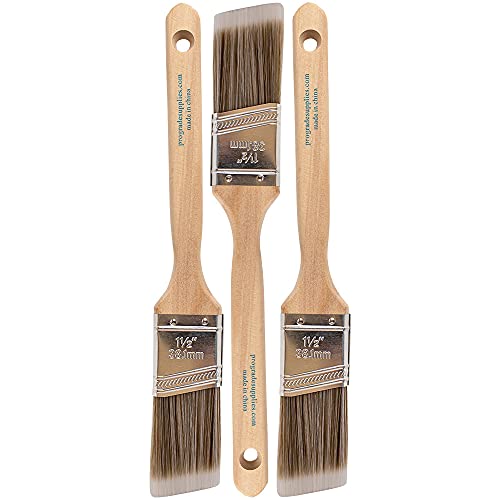
After two wide applicators, this angled set is the one that makes rail ends, trim lines, and fence edges feel more manageable. The 1.5-inch size is small enough for detail work, while the medium-stiff bristles give you more structure than a floppy touch-up brush.
The set format also helps in a real deck-staining setup because you can keep one brush for stain, another for sealer, or keep a backup ready. Softwood handles keep the feel plain and light, though the trade-off is that this set is less about speed and more about careful edging.
Bright Spots
- Angled shape helps you trace trim and edges with more control.
- Three-brush set gives you rotation for stain, sealer, or backup use.
- Medium-stiff bristles hold shape well on more detailed work.
- Compatible with interior and exterior jobs, so it stays useful beyond one project.
Areas To Watch
- The small head is not built for broad deck floors.
- Brush sets take a little more storage space than a single applicator.
- Careful cleaning matters when you move between oil-based and latex-based materials.
Technical Sheet
Whose Shelf It Belongs On
People who finish decks with careful edges, clean trim lines, or multiple coating types will get the most use from this set.
Skip It When
Magimate Deck Brush Stain Applicator 7 Inch suits big floor sections far better and keeps you moving faster on broad boards.
Magimate leans into the same broad-format idea as the Foxtrot and Precision Defined brushes, but the extra-thick, soft head suggests a more cushioned spread across wood decks, fences, floors, and walls. That kind of head tends to feel steady on large, flat areas where you want coverage without a scratchy drag.
The threaded connection is useful for extension work, and the large 7-inch span keeps it in the same time-saving category as the other wide brushes here. The honest read is that it feels best for ongoing exterior jobs, not little touch-up tasks that only need a narrow brush.
Positives
- Large 7-inch head helps cover more surface in fewer sweeps.
- Soft, thick brush head suits broader stain and sealer passes.
- Threaded fit supports extension use for standing-height work.
- Useful on decks, fences, walls, and floor surfaces.
- Good for longer jobs where a larger brush reduces repetition.
Minor Gripes
- The wide head is less precise near posts and corners.
- Large brushes can take more storage room after cleanup.
- Best suited to bigger surfaces, so small jobs may feel awkward.
Feature Card
The Right Fit
Deck owners who want one broad applicator for floorboards, fences, and wall sections will get a lot of use from this format.
Look Elsewhere When
Genixart Double Thick Chip Paint Brush 3 Inch is better for narrow trim, small repairs, and detail-heavy touch-ups.
The 59-inch handle changes the feel completely, because you’re no longer depending on a separate pole for reach. That can be a comfort win on deck edges, fences, patio walls, and furniture surfaces where you want a long tool already in hand.
Compared with the other wide brushes here, Mitclear suits people who like built-in reach and fewer accessories on site. The catch is simple: the extra length can feel awkward in tighter storage spaces, so it works best for a garage or shed with room to spare.
Reasons To Buy
- Built-in 59-inch handle removes the need for a separate extension pole.
- 7-inch width still gives you broad coverage.
- Useful across decks, fences, patios, walls, and furniture.
- Long handle helps reduce repeated bending on larger projects.
Areas To Watch
- The long handle can be harder to store than a shorter brush.
- Built-in reach may feel less flexible than a removable pole system.
- Wide heads still need careful cleanup after stain or sealer use.
Core Details
Built With In Mind
People who want a long-handled applicator for outdoor work and prefer fewer attachments will appreciate this setup.
Where Shoppers Go Wrong
Bates- Deck Stain Brush Applicator 7.5 Inch makes more sense for the fastest broad-surface coverage, especially on larger deck boards.
This is the widest brush in the group, and that extra half-inch over the 7-inch models matters more than it sounds on broad decking. For long board runs, the larger head can reduce overlap and keep the pace steady, though it also asks for a little more room near posts and corners.
It sits in the same pole-ready family as the Foxtrot and Precision Defined brushes, but the 7.5-inch span pushes it toward heavy surface work. For most backyard decks, that makes it a strong fit when you care about speed more than pinpoint precision.
Best Bits
- 7.5-inch width gives the broadest coverage in this lineup.
- Threaded handle supports extension use for standing work.
- Helpful for large deck stain and sealer applications.
- Well suited to exterior wood treatment on fences and walls.
Honest Caveats
- The wider head is harder to steer in compact areas.
- Edge work usually still needs a smaller brush afterward.
- Large tools benefit from careful washing and drying after use.
At A Glance
Who Should Grab It
Large-deck owners who want the broadest brush in this group will feel the time savings most clearly.
Where A Sibling Pick Shines
Precision Defined 7-Inch Limewash Deck Stain Brush is easier to manage for mixed-surface work and a touch more balanced in tighter outdoor layouts.
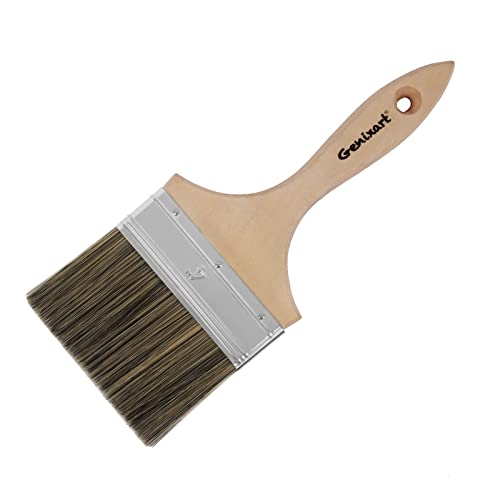
The 4-inch size lands in a useful middle ground, especially compared with the smaller 3-inch Genixart brush and the much wider deck applicators above. That makes it easier to handle on fence panels, furniture, and wall sections where you want more coverage than a trim brush without moving up to a full deck head.
The wooden handle keeps the feel straightforward, and the same chip-brush format works across varnish, paste, gesso, and limewash tasks. For a mixed household toolkit, this is the sort of brush that earns its keep through simple flexibility rather than flashy hardware.
Plus Points
- 4-inch width sits between detail control and broad coverage.
- Useful for walls, fences, and furniture in addition to staining.
- Wooden handle gives it a familiar hand-tool feel.
- Works across several coating types, so it stays versatile.
Room For Improvement
- Still smaller than the wide deck brushes, so floors take longer.
- Handheld format means more arm movement on larger projects.
- Careful cleaning helps keep the bristles from stiffening after use.
Feature Rundown
Who Will Love This
Home improvers who want one brush for fence touch-ups, furniture work, and moderate-sized stain jobs will get the most out of it.
Swap It Out When
Magimate Deck Brush Stain Applicator 7 Inch is the better fit for broad deck floors, especially when speed matters more than hand control.
How To Choose The Right Brush For Staining Decks
Width Sets The Pace
Brush width changes the whole rhythm of deck staining. A 7-inch or 7.5-inch applicator covers wide boards quickly, while a 3-inch or 4-inch chip brush gives you cleaner control around trim, rails, and posts.
That trade-off is the first thing to sort out. Big surfaces reward wide heads, but narrow corners and detailed fence work usually feel easier with a smaller brush.
Handle Style Changes Comfort
Extension-pole threading matters on larger decks because it lets you work standing up instead of crouching over every board. A built-in long handle, like the Mitclear option, also helps, though it takes more room to store.
Handheld brushes are simpler and lighter. They make sense for short stain runs, touch-ups, and smaller structures where pole use would be more trouble than help.
Bristle Type And Coating Match
Synthetic bristles are useful for a broad mix of coatings, especially paint, stain, and sealer jobs around outdoor surfaces. Chip brushes with thicker heads lean more toward controlled hand application and mixed craft-style tasks.
Think about the material you use most. A brush that suits your usual coating saves time and reduces that stop-start feeling that slows a weekend project.
Match The Brush To The Site
A large, open deck calls for speed and reach, while a railing-heavy setup asks for precision and a smaller footprint. Concrete edges, masonry, and furniture add another layer, because surface shape affects how easily the bristles can follow the line.
That’s where a mixed shortlist helps. The right brush is rarely the same for every part of the yard, and a small backup brush often matters more than people expect.
What To Weigh Before You Click
Wrong Turns To Avoid
One common mistake is buying a broad deck brush for a small trim job. Another is choosing a tiny chip brush and then wondering why a full deck takes all day.
Storage gets overlooked too. Long-handled tools and wide heads need a place to dry flat or hang cleanly, or you’ll spend more time dealing with them later.
The Upgrade Payoff
Higher-tier brushes in this category usually give you better reach, wider coverage, or a more specialized shape. That extra spend often shows up in less fatigue, smoother passes, and fewer awkward hand positions on larger projects.
It’s worth stepping up when you stain long decks, work on mixed outdoor surfaces, or want a brush that feels steady over a full afternoon. For a tiny touch-up job, a simpler brush is usually enough.
Frequently Asked Questions
What width works best for deck stain?
Wide brushes around 7 inches suit broad deck boards and long outdoor runs. Smaller 3-inch and 4-inch brushes are easier near edges, posts, and tight trim.
Do you need a pole-ready brush?
A pole-ready brush helps on large decks because it reduces bending and keeps your reach more consistent. Smaller brushes work fine for short projects or detail areas.
Can one brush handle stain and sealer?
Yes, several of the brushes here are built for both stain and sealer. You still need careful cleaning between uses so residue does not affect the next coat.
What brush type works for railings?
Angled or smaller chip brushes usually feel easier on railings because they follow narrow edges more cleanly. Wide deck applicators are better once you move onto open boards.
Is a long handle better than an extension pole?
A built-in long handle is simpler to grab and use right away. An extension-pole brush gives you more flexibility because you can remove the pole for tighter work.
Closing Thoughts
A good brush for staining decks should match your actual project, not just look impressive in a product photo. Wide, pole-ready picks make the most sense for long boards, while smaller chip brushes earn their place on trim, rails, and narrow fence work. The best choice is the one that fits your deck layout, your storage space, and the amount of reach you want on hand. Pick the shape that fits the job, and the rest gets easier fast.