You want sanding gear that fits real projects, not just a spec sheet. This roundup leans into orbital sanders and a few useful accessory and pneumatic options for weekend furniture fixes, garage prep, and finishing work in tighter spaces.
Some picks run on air, some plug in, and one is a cordless tool-only option that suits an existing platform. The mix matters because the right choice for a trim project is not always the right choice for a car panel or a long tabletop.
Quick Shortlist For Fast Comparison
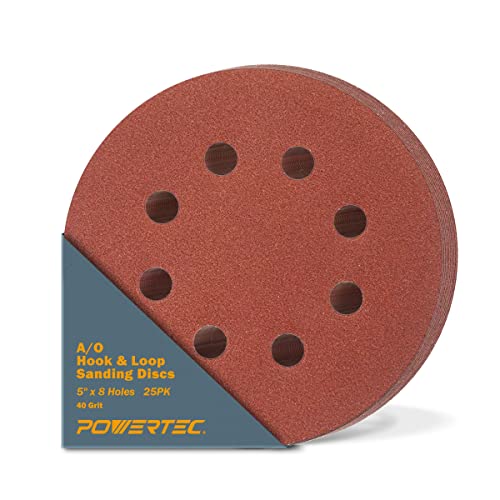
POWERTEC 25PK 40 Grit 5-Inch Sanding Discs
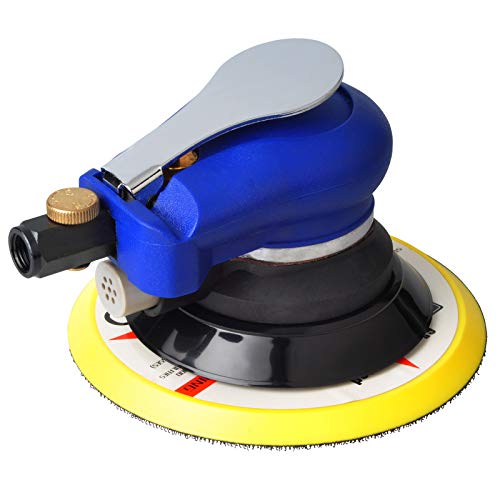
PROSHI 6-Inch Random Orbit Air Sander

Gedu Professional Air Random Orbital Palm Sander 6 Inch

Gedu Professional Air Random Orbital Palm Sander

ONEAND 18V Cordless 5-Inch Random Orbit Sander Tool Only

WORKPRO 5-Inch Random Orbit Sander 6 Variable Speeds

Autolock Air Random Orbital Sander with Extra 5 and 6 Backing Plate

Autolock 5-Inch Air Random Orbital Sander
More Details On Our Top Picks
Some sanding jobs burn through discs faster than you expect, especially on rough pine edges or paint prep. This POWERTEC pack leans toward plain utility, with 40-grit abrasive, hook-and-loop backing, and 8-hole pads that suit common random-orbit setups.
The trade-off is simple, you are buying consumables rather than a machine, so this helps most when your sander is already a familiar part of the garage. For weekend furniture refreshes, a pack like this keeps the work moving without forcing a brand change.
Strong Points
- 40-grit paper gives you aggressive material removal for rough shaping and old finish cleanup.
- Hook-and-loop backing makes disc swaps quick, which matters during long sanding sessions.
- 8-hole layout works with many dust-pulling orbital pads, helping keep debris under control.
- 25-pack sizing suits recurring shop work, so you are not restocking every other project.
Points To Note
- These are coarse discs, so they are not the right starting point for fine finish stages.
- Disc life will depend heavily on the material you sand and how much pressure you lean on.
- You need a compatible 5-inch, 8-hole pad to get the intended fit.
Feature Snapshot
Who It Suits Best
DIY woodworkers who keep a 5-inch orbital sander on hand and need coarse abrasive on tap will get the most from this pack.
Skip It When
PROSHI 6“ Random Orbit Air Sanders fits better for shop setups that need the machine itself rather than replacement discs.
Air tools change the equation for anyone already running a compressor, and this PROSHI sander sits in that lane. The 6-inch pad gives you more coverage than the smaller 5-inch class, so broad panels and tabletops can move a little faster.
The hook-and-loop face keeps disc changes straightforward, though the whole setup still depends on shop air, hose management, and a compressor that keeps up. That makes it a stronger fit for garage work than for a casual one-tool household.
Highlights
- 6-inch sanding face covers more material per pass than a smaller pad.
- Hook-and-loop function supports fast abrasive changes during staged prep.
- Air-powered design suits users who already have a compressor and hose setup.
- Helpful for larger flat surfaces, where extra pad width saves time.
Minor Gripes
- You need compressed air, so this is not a stand-alone household tool.
- Air tools add hose drag and compressor noise to the workspace.
- Owners generally need to keep fittings and hoses clean for steady airflow.
Quick Facts
Who Will Love This
Garage hobbyists and shop users with a compressor will appreciate the larger pad and simple abrasive change system.
A Better Fit Elsewhere
WORKPRO 5-Inch Random Orbit Sander 6 Variable Speeds suits you better for corded control and built-in dust handling in a small home workspace.
Long sanding runs can wear on your hands quickly, so the low-vibration setup here matters more than it sounds. In a body shop, cabinet shop, or repair garage, a dual-action pneumatic sander like this is meant to keep the pad moving while reducing the harsh feel that cheaper tools often bring.
The 6-inch format also gives you a little more reach on wider panels, which is useful on doors, tabletops, and painted sheet goods. The honest read is that it makes the most sense in an air-tool environment, since the compressor and hose are part of the real cost of owning it.
What We Like
- Low-vibration design helps reduce hand fatigue during longer sessions.
- Dual-action motion is a strong match for smoothing and finish prep.
- 6-inch pad covers broader areas than smaller palm sanders.
- Air-powered setup suits shop work where compressor access is routine.
Softer Spots
- It depends on compressed air, so home users need the right setup.
- Hose routing and compressor upkeep add some ownership overhead.
- Its size feels less nimble in tight corners than a smaller sander.
- Vibration reduction helps, though it does not remove fatigue entirely.
Feature Rundown
Built With In Mind
You get the most from this sander in a shop that handles regular refinishing, panel prep, or medium-volume sanding work.
Where A Sibling Pick Shines
PROSHI 6“ Random Orbit Air Sanders is a simpler match for anyone who wants the broader 6-inch air format without leaning into a heavier-duty feel.
This Gedu pick tracks closely with the bigger 6-inch model, but the listing is tighter and easier to read as a straightforward pneumatic palm sander choice. That makes it appealing for someone who wants the dual-action format without extra bells getting in the way.
In practical terms, it fits workshop sanding, auto prep, and general smoothing jobs where air power is already part of the setup. The trade-off is familiar, because the tool only earns its keep when you already have compressor support and do not mind a tethered workflow.
Bright Spots
- Dual-action motion supports smoother sanding passes on varied surfaces.
- Low-vibration design should feel calmer in longer work sessions.
- Compact palm style suits controlled hand placement in the shop.
- Good fit for users who already rely on pneumatic tools.
Worth Noting
- No size detail is listed here, so pad expectations should stay flexible.
- Air-tool ownership means hoses, fittings, and compressor care still matter.
Core Details
Right Fit For
Shops that already run pneumatic gear and want a simpler orbital palm sander for steady prep work will feel at home here.
Another Choice May Suit
WORKPRO 5-Inch Random Orbit Sander 6 Variable Speeds suits home use better when you want corded power and adjustable pace in one package.
Cordless sanding is about mobility first, and this ONEAND tool-only version fits that idea well. Since the battery and charger are sold separately, it makes the most sense for someone already invested in the same 18V platform and tired of dragging cords around a project site.
A 5-inch random orbit format is a practical middle ground for shelves, trim, and smaller furniture parts. The trade-off is obvious, because the real value depends on your existing battery stash, so this is less appealing as a standalone first purchase.
Reasons To Buy
- Cordless design gives you freedom around stairs, patios, and tight rooms.
- 5-inch pad size suits common home sanding tasks without feeling oversized.
- Tool-only format helps existing platform users avoid paying for duplicate batteries.
- Useful for quick touchups where hauling out a corded sander feels clumsy.
Areas To Watch
- You need a compatible battery and charger before the tool is useful.
- Battery care and storage become part of regular ownership.
- Run time will depend on the pack you already own.
Details At A Glance
Whose Shelf It Belongs On
You already own compatible 18V batteries and want a portable orbital sander for light home projects or scattered repair work.
Where Shoppers Go Wrong
WORKPRO 5-Inch Random Orbit Sander 6 Variable Speeds is the safer choice for someone who wants a complete corded setup from the start.
Variable speed matters more than many people expect, especially when you move from rough stock to final smoothing. This WORKPRO model gives you six speed steps and a 2.5 amp motor, so it reads like the most adjustable corded option in this group for general home use.
The dust collector and 15 included sanding sheets make it easier to start a project without hunting for extras on day one. Compared with the air tools above, the maintenance burden is lighter for a typical garage, although cord management and sheet replacement still shape the experience.
Standout Traits
- Six speed settings let you slow down for finish work and speed up for stock removal.
- 2.5 amp motor gives it enough muscle for common woodworking tasks.
- Dust collector helps keep the work area cleaner during indoor sanding.
- Included sandpapers reduce the first-round shopping list.
- 5-inch format stays familiar and easy to control for most DIY tasks.
Small Caveats
- The cord limits reach compared with a cordless tool.
- Dust collection still needs regular emptying to stay useful.
- Speed control helps, though it cannot replace careful technique on soft wood.
Spec Overview
Made For
Weekend woodworkers who want a corded orbital sander with speed control, dust handling, and a familiar 5-inch footprint will get the most from it.
Swap It Out When
ONEAND 18V Cordless 5-Inch Random Orbit Sander Tool Only suits you better when movement matters more than corded runtime and you already own the battery system.
An extra backing plate can save headaches in a busy shop, because it gives you more than one pad-size path without swapping to a different machine. This Autolock model is aimed at wood, composites, and metal, so it reads as the most flexible air-powered pick in the group.
The appeal is practical rather than flashy, and that is exactly why it stands out. You still need compressor support, but the included 5-inch and 6-inch backing plate idea gives you more room to adapt work as projects change shape.
Upsides
- Extra backing plate expands how you can set up the tool.
- Works across wood, composites, and metal according to the listing.
- Air-powered format suits shops already built around pneumatic gear.
- Dual-action design supports smoother finishing passes.
Room For Improvement
- Air setup still means compressor, hose, and fittings to manage.
- Switching between tasks can take more storage space than a single-pad tool.
- Pad accessories should be kept organized so the extra plate stays useful.
Feature Card
Best Suited To
Shop users who move between different substrates and want one pneumatic sander with a bit more setup flexibility will appreciate this pick.
Look Elsewhere When
WORKPRO 5-Inch Random Orbit Sander 6 Variable Speeds suits a home garage better when you want a corded tool with dust collection and less air-system overhead.
Auto body work asks for control more than drama, and this 5-inch pneumatic sander stays in that lane. Its smaller pad size is easier to guide on curves, metal panels, and polishing prep, which makes it a sensible shop companion for detail-oriented work.
Compared with the 6-inch air picks above, this one is better suited to tighter spaces and more localised sanding passes. The compromise is less coverage per stroke, yet that is often the right trade for users finishing panels or smoothing smaller sections.
Best Bits
- 5-inch pad is easier to steer around panels and smaller surfaces.
- Pneumatic format suits garages that already run compressed air.
- Good for wood, metal, and auto body prep according to the listing.
- Smaller footprint helps in tighter work areas.
Honest Caveats
- Needs a compressor, so it is not a stand-alone solution.
- Smaller pad means more passes on broad surfaces.
- Air-tool upkeep includes hoses, couplers, and basic cleanup.
Technical Sheet
The Right Fit
You handle panels, trim, or small refinishing jobs and already have a compressor in the garage.
Where A Sibling Pick Shines
Autolock Air Random Orbital Sander with Extra 5 and 6 Backing Plate fits broader projects better because the extra plate gives you more sizing flexibility.
How To Choose The Right Budget Orbital Sanders
Pad Size, Speed, And Control
A 5-inch pad is usually the sweet spot for household sanding because it stays nimble on shelves, trim, and furniture parts. A 6-inch pad covers more ground and works better on tabletops, panels, and other broad surfaces.
Variable speed matters too, because soft wood and finish prep need a gentler touch than rough stock removal. A fixed-speed tool can still do useful work, but speed control gives you more room to adapt as the project changes.
Corded, Cordless, Or Air-Powered
Corded sanders suit garages and spare rooms where you want steady runtime and fewer interruptions. Cordless models help on stairs, porches, and quick repair jobs, though battery planning becomes part of ownership.
Air-powered sanders make sense in a shop with a compressor already in place. That setup can feel smooth and efficient, yet hoses, fittings, and compressor noise are part of the package.
Dust Handling And Cleanup
Dust collection is not just about a tidier floor, because it also helps you see the surface you are smoothing. A bag or collector can keep indoor work less messy, while a compatible pad pattern helps the tool pull debris away from the contact area.
People doing regular DIY work often underestimate cleanup time. A sander that manages dust well usually saves you a little frustration after the job ends.
Match The Tool To The Project
For furniture refinishing, control and low vibration matter more than raw pace. For car panels or composite surfaces, a pneumatic sander with the right pad size can feel more natural.
Accessory packs only help once you already own the machine, so discs belong in the plan too. The cleanest choice is the one that fits your existing tools, your workspace, and the kind of sanding you actually do.
Things Worth Knowing Before You Choose
Common Shopping Slip Ups
Plenty of first-time shoppers focus on grit or pad diameter and ignore compatibility. The result is a sander or disc set that looks right but does not match the pad pattern, power source, or backing plate you already own.
Another common miss is buying an air tool before checking compressor capacity. That choice can turn a simple sanding task into a noisy setup exercise.
The Upgrade Payoff
Higher-tier sanders usually earn their keep through better control, stronger motors, smoother vibration behavior, or more thoughtful dust handling. Those touches matter most during longer sessions, because they reduce the little annoyances that add up.
Paying more can make sense for frequent shop use, large panels, or detailed finishing work. For occasional touchups, a simpler model often keeps things sensible without asking for extra hardware or extra upkeep.
Frequently Asked Questions
What Size Orbital Sander Works Best For Home Use?
A 5-inch orbital sander usually gives you the best blend of control and coverage for common DIY jobs. It is easier to guide on shelves, trim, and smaller furniture parts than a larger pad.
Do You Need Variable Speed?
Variable speed helps a lot when your projects move between rough sanding and finish prep. It gives you more control on soft woods and less risk of overdoing one area.
Are Air Sanders Better Than Corded Models?
Air sanders can feel smooth and compact, especially in a shop with a compressor already in place. Corded models are easier for most homes because you do not need extra pneumatic gear.
What Makes Dust Collection Worth It?
Dust collection keeps the work area cleaner and helps you see what you are sanding. It also reduces the time you spend sweeping after the tool goes back on the shelf.
Should You Buy Discs Separately Or With The Sander?
A sander bundled with discs makes sense for a first setup or a small project list. Separate disc packs are smarter once you already know the pad size and grit range you use most.
Final Thoughts
Your best choice depends on how you work, not just on the badge on the side of the tool. Corded models such as WORKPRO suit everyday home sanding, air tools fit garage setups, and the ONEAND cordless option makes sense only when your battery system is already in place. For disc restocking, POWERTEC is the simple support piece that keeps the job moving. Match the machine to your workspace, and the sanding gets a lot less annoying.