You’re comparing orbital sanders because the wrong one can leave you with swirl marks, hand fatigue, or more cleanup than you planned. A 5-inch compact model, a 6-inch pneumatic pick, or a cordless tool all change the feel of a job in a real shop, garage, or home project space. This roundup keeps the focus on how each sander fits your workflow, not just on motor numbers. You’ll see where a lighter palm sander helps, where air power makes sense, and where cordless convenience pays off.
Quick Look At The Shortlist

Dynabrade Dynorbital-Spirit 5″ Random Orbital Sander

Dynabrade Dynorbital-Spirit 6″ Random Orbital Sander
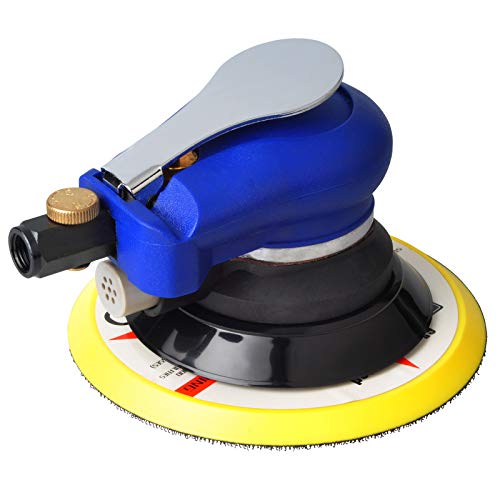
PROSHI 6″ Random Orbit Air Sanders

Gedu Professional Air Random Orbital Palm Sander

ONEAND 18V Cordless 5 in. Random Orbit Sander

WORKPRO 5-Inch Random Orbit Sander

Metabo HPT 5-Inch Random Orbit Finishing Sander SV13YST

AVID POWER 20V Cordless Orbital Sander 5 Inch
More Details On Our Top Picks
The 5-inch pad keeps this Dynabrade focused on smaller surfaces, edge cleanup, and finish work where control matters more than raw coverage. Its 3/16-inch orbit, meaning the sanding pad moves in a small circular path, leans toward a smoother finish than a more aggressive cut, which suits cabinet parts and trim well.
You may find the non-vacuum setup simpler in a compact tool room, though it also means you’ll want a separate dust plan nearby. Compared with the 6-inch Dynabrade below, this one feels like the tighter, more detail-minded sibling.
Strong Points
- 5-inch pad fits tighter surfaces and narrower work areas.
- Small 3/16-inch orbit helps keep the finish more controlled.
- Pneumatic motor suits shops already set up for air tools.
- The lighter footprint makes extended edge work less awkward.
Points To Note
- Non-vacuum design leaves dust handling to your own setup.
- You need an air system, so it’s not a standalone electric tool.
Feature Rundown
Who Will Love This
You get the most from this in a workshop that already runs pneumatic tools and values controlled finish work over wide-area sanding.
Another Choice May Suit
Gedu Professional Air Random Orbital Palm Sander suits you better for broader sanding sessions where a low-shake grip matters more than the Dynabrade 59020’s tighter 5-inch footprint.
The 6-inch pad gives you more coverage per pass than the 5-inch Dynabrade above, so larger tabletops, panels, and broad flat stock move faster under the tool. Its 3/8-inch orbit is more assertive, which helps when you want a stronger sanding bite before finishing stages.
That extra reach is useful in busy shops, though it can feel like more tool than you need for delicate corner work. For most large-surface projects, the trade-off is worth it, and the pneumatic design keeps it in the same air-tool lane as the smaller Dynabrade.
What We Like
- 6-inch pad covers more surface with each pass.
- 3/8-inch orbit brings a stronger cutting feel.
- Pneumatic power suits established shop air setups.
- Works well for sanding broad, flat material.
- Helpful for users who want fewer overlap passes.
Room For Improvement
- The larger pad can feel less nimble on tight edges.
- Non-vacuum design means dust collection needs outside help.
- Pneumatic use ties it to compressor availability.
Core Details
Best Suited To
You’re a good match for this one when you spend most of your time on large panels, doors, or other broad surfaces that benefit from a wider pad.
A Better Fit Elsewhere
Dynabrade Dynorbital-Spirit 5″ Random Orbital Sander fits better for trim work and tighter control, especially where the smaller pad feels easier to guide.
The PROSHI takes a simple route, which can be useful in a garage where you want a straightforward air sander rather than a feature-heavy setup. The hook-and-loop face, a backing system that grips sanding discs with matched fastener patches, makes disc swaps easier during repetitive prep work.
That plain approach keeps the learning curve low, though you’ll still want to think about air supply and dust control. Compared with the two Dynabrade models, this one looks less polished on paper, but it may suit a hands-on shop that values direct function over refinement.
Highlights
- Hook-and-loop pad helps speed up abrasive changes.
- 6-inch size gives useful coverage for broad sanding.
- Air-powered format suits compressor-equipped workspaces.
- Simple design keeps operation easy to understand.
Small Caveats
- The listing gives fewer detail points than some rivals.
- Air-tool setup still depends on compressor access.
- Dust handling will need your own support gear.
Technical Sheet
Who Should Grab It
You’ll appreciate this most in a no-frills shop where a 6-inch air sander with easy disc changes fits everyday prep jobs.
Where A Sibling Pick Shines
WORKPRO 5-Inch Random Orbit Sander is the better fit for you if you want a more fully specified electric option with built-in speed control and a dust collector.
The Gedu leans into comfort, starting with its palm-style layout and dual-action pneumatic motion, where the pad both spins and orbits for a more even sanding path. Low vibration matters in longer sessions, because a steadier tool usually feels easier to guide across cabinet doors, fenders, or workbench parts.
Its 6-inch size gives you broad coverage, though that also means the tool feels more suited to flat or gently curved surfaces than tight corners. Compared with the more aggressive Dynabrade 6-inch unit, this one reads as the smoother, softer-spoken option.
Positives
- Palm-style body supports a natural grip for longer use.
- Low vibration helps reduce hand strain during extended sanding.
- Dual-action motion is useful for smoother finish work.
- 6-inch pad gives good coverage on wider surfaces.
- Pneumatic setup suits shops already using air tools.
Honest Caveats
- Air-tool dependence still limits portability.
- The 6-inch pad is less nimble in cramped spots.
Spec Overview
Whose Shelf It Belongs On
This belongs with you if longer sanding sessions and a gentler hand feel matter more than maximum portability.
Swap It Out When
Dynabrade Dynorbital-Spirit 5″ Random Orbital Sander makes more sense for tighter detail work where a smaller pad and smaller orbit feel easier to control.
CORDLESS freedom is the point here, and that matters a lot on a driveway, jobsite, or half-finished room where outlet access can get awkward. The 5-inch format keeps the body manageable, while the 18V platform, which refers to the battery system voltage, makes it easier to carry the tool from task to task.
The trade-off is simple, because this tool-only listing means you need to already own the matching battery and charger. Compared with the wired WORKPRO, this pick suits mobility first, not all-day plug-in convenience.
Bright Spots
- Cordless setup helps you move around without a cord.
- 5-inch size stays handy for general sanding jobs.
- Tool-only format can suit existing 18V owners well.
- Useful for quick repairs in places away from outlets.
Areas To Watch
- You need a compatible battery and charger separately.
- Cordless runtime depends on the battery you already own.
- It gives up some station-to-station consistency versus corded tools.
Details At A Glance
Built With In Mind
You’ll get the best fit from this when your projects move around the house, garage, or jobsite and battery portability matters more than anything else.
Look Elsewhere When
Metabo HPT 5-Inch Random Orbit Finishing Sander SV13YST is the smarter choice for steady corded finishing work where you want a built-in dust port and a lighter body.
The WORKPRO makes a strong case for home workshops because it pairs a 2.5 amp electric motor with six speed settings and a dust collector. Variable speed means you can slow the pad for finer work or open it up for faster stock removal, which helps when you move from raw lumber to a smoother prep stage.
It also ships with 15 sanding sheets, so you can get started without hunting for extras right away. Compared with the cordless ONEAND, this one is the more straightforward plug-in choice, and compared with the more premium-feeling Metabo HPT, it leans practical rather than refined.
Reasons To Buy
- Six speed settings give you useful control across jobs.
- 2.5 amp motor is well matched to home sanding tasks.
- Dust collector helps keep cleanup more manageable.
- Included sanding sheets reduce the need for immediate add-ons.
- 5-inch pad fits common woodworking and repair work.
Worth Noting
- Corded use keeps you near an outlet.
- The included extras are helpful, but the overall setup stays basic.
Feature Card
Made For
You’re in the sweet spot for this one if you want a practical corded sander for woodworking, repairs, and general garage use.
Reach For A Different Pick When
AVID POWER 20V Cordless Orbital Sander 5 Inch fits better for you if cord-free movement matters more than the WORKPRO’s plug-in simplicity.
The Metabo HPT feels built for people who sand often, because the palm-style grip and compact body support a more relaxed hold during longer finishing sessions. Its 230W, 2.8 amp motor and 9,000 to 13,000 RPM range give you a useful middle ground, not too soft and not overly aggressive.
The dust collection hose connector is a practical touch for cleaner workspaces, especially in a garage or small shop with a shop-vac nearby. Compared with the WORKPRO, this one reads as the cleaner, more comfort-minded option, while still staying corded and straightforward.
Best Bits
- Palm-style grip feels natural during repeated use.
- Variable speed helps you tune the finish pace.
- Dust hose connector supports cleaner sanding setups.
- Compact, lightweight build is easier to guide.
- Motor and speed range suit finishing tasks well.
Minor Gripes
- It still needs a cord, so mobility is limited.
- The finishing focus makes it less about heavy removal.
Core Details
The Right Fit
You’ll like this most for frequent finish sanding where comfort, control, and a cleaner work area all matter.
A Better Fit Elsewhere
Dynabrade Dynorbital-Spirit 6″ Random Orbital Sander suits you better for larger panels and faster coverage, especially in an air-tool shop.
The AVID POWER keeps things portable, and the 20V cordless setup is handy for small rooms, shelves, or quick touch-ups where hauling a cord feels like more trouble than it’s worth. Six speed settings and a 7000 to 11000 RPM range give you enough control for everyday sanding without making the tool feel fussy.
Including 30 sandpapers and a dust collection bag gives the kit a more complete feel than the bare-bones cordless ONEAND, especially for a first cordless setup. The trade-off is that battery-powered tools always depend on charge management, so you’ll want to keep that in mind for longer workdays.
Standout Traits
- Cordless design makes movement around the project easier.
- 5-inch size works well in smaller work zones.
- Six speed settings help you adapt the sanding pace.
- 30 sanding sheets and a dust bag add useful starter value.
- Good fit for quick work between rooms or workstations.
Room For Improvement
- You’ll need to stay aware of battery charge.
- It’s better for light to medium jobs than rough stock removal.
- Cordless convenience usually brings some runtime planning.
Feature Snapshot
Perfect Match For
You’re the right fit for this sander if you want cordless convenience for small projects, tight spaces, or quick sanding jobs around the home.
Where Shoppers Go Wrong
WORKPRO 5-Inch Random Orbit Sander is the safer choice for you if plug-in consistency and a built-in dust collector matter more than battery freedom.
How To Choose The Right Orbital Sanders
Pad Size And Surface Type
Pad size changes the job more than many people expect. A 5-inch pad is easier to guide around trim, cabinet doors, and small panels, while a 6-inch pad covers broader areas faster. Larger pads make sense for doors and tabletops, but they can feel clumsy in tight corners.
The work surface matters just as much. Smooth finishing on a tabletop calls for a different feel than rough prep on lumber or paint removal on a panel. That’s why the Dynabrade 5-inch and 6-inch models sit on different parts of this list.
Power Source And Mobility
Corded electric sanders suit a fixed bench or shop corner, especially when you want steady power and fewer pauses. Cordless models help more on stairs, outdoor projects, or rooms where the nearest outlet is inconvenient. Air-powered tools fit workshops already built around compressors, and that setup can feel as tidy as a dedicated bench area.
The catch is planning. A cordless tool asks you to think about batteries, while a pneumatic tool asks you to think about air supply and hoses. For occasional home use, a corded model often stays the least complicated.
Speed, Orbit, And Finish Control
Variable speed gives you room to slow the tool down for delicate work or open it up for faster removal. Orbit size matters too, because a smaller orbit tends to feel more restrained, while a larger one cuts more visibly. That’s why the Dynabrade 59020 and 59010 feel different even though both are pneumatic.
You do not need the most aggressive motion for every project. Finish sanding usually rewards control, and rough prep usually rewards pace. Match the motion to the stage of the job, not just the label on the box.
Dust Management And Grip
Dust collection helps the workspace stay cleaner and makes it easier to see the surface you’re refining. A hose connector works well with shop-vac setups, while a dust bag or collector can be enough for lighter home projects. The cleaner the path in front of the pad, the easier it is to judge your progress.
Grip shape matters just as much during longer sessions. Palm-style bodies usually feel more natural in the hand, and low-vibration designs can help the tool feel less tiring. That’s a real difference for anyone sanding several panels in a row.
What To Weigh Before You Click
Mistakes Worth Dodging
A common misstep is choosing a sander only by pad size and ignoring the power source. Another is forgetting that non-vacuum pneumatic models leave dust control to your own setup. Tool comfort also gets overlooked, even though a shaky grip can wear you down fast.
The cleaner path is to start with your workspace. A garage with a compressor points toward air tools, while a small room or apartment workshop often points toward a corded or cordless pick.
The Upgrade Payoff
Higher-tier models usually cost more because they bring better grip design, smoother motion, stronger motor support, or better dust hookup features. Those details matter most during longer sessions, where a comfortable body and steadier control save effort. The Metabo HPT and Dynabrade picks show that difference well.
Spending up makes sense when sanding is a repeated task, not a once-a-year chore. For occasional shelf work, a simpler tool often does enough.
Frequently Asked Questions
What size orbital sander suits most home projects?
A 5-inch sander usually fits most home tasks because it balances control and coverage. A 6-inch tool makes more sense for wider panels and doors.
Is cordless better than corded for sanding?
Cordless tools help most when you move around a lot or work away from outlets. Corded tools stay easier for long bench sessions because you do not need to think about charge level.
What does variable speed change?
Variable speed lets you slow the pad for finer work or speed it up for quicker sanding. That flexibility helps you use one tool for several stages of a project.
Why does dust collection matter so much?
Dust control helps keep the work surface visible, which makes it easier to judge finish quality. It also reduces cleanup time in a shop or garage.
Do air sanders make sense for home use?
Air sanders make sense when you already own a compressor and use air tools often. For a casual home setup, electric models are usually simpler to live with.
Closing Thoughts
Your best orbital sander depends on how you work, not just on how the listing looks. Small pads help with control, large pads help with coverage, cordless models help with movement, and pneumatic models fit tool-heavy shops. The strongest choice is the one that matches your space, your pace, and the kind of finish you want to leave behind. Pick the lane that feels natural, and the sanding gets easier fast.