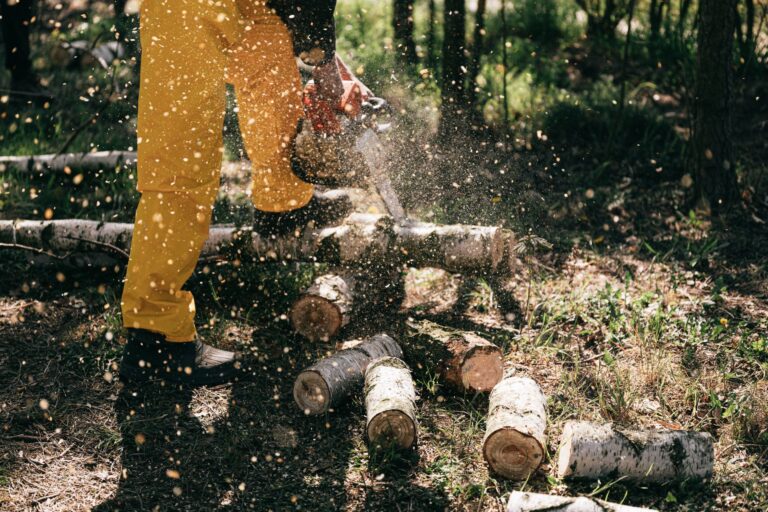
Cutting firewood goes smoother when your tool matches the job, whether you’re marking logs, trimming storm debris, or splitting weekend stacks for the shed. The right chainsaw setup saves time, reduces awkward handling, and helps you keep cut lengths more consistent across a full pile. You’ll find compact cordless options, corded workhorses, a gas model for tougher cutting, and a few measuring tools that make repeat cuts much easier.
Quick Look At The Shortlist

THE MINGO Ultimate Firewood Measuring Tool

sunchers Mini Chainsaw Cordless, 6 Inch Electric Chainsaw

Greenworks 24V 10″ Cordless Compact Chainsaw

Handy 16 Inches Magnetic Firewood Measuring Ruler

OSROENE Firewood Measuring Tool, 16” Plus 2”, 4” and 6” Extension

OSROENE Firewood Measuring Tool, 16” Plus 2”, 4” and 6” Extension, 2 Pack
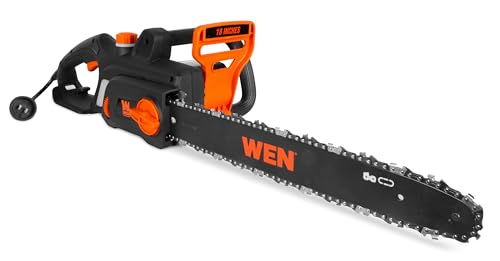
WEN Electric Chainsaw, Corded, 15-Amp, 18-Inch (CP1518)

NEO-TEC 62CC Gas Powered Chainsaw, 18 to 22 Inch Bars
Marking firewood by hand can eat up time, especially in a busy woodpile where every log seems to want a different length. THE MINGO Ultimate Firewood Measuring Tool keeps that step more orderly with its 16-inch wheel setup, so you can mark repeated cuts without guessing. It’s a planning accessory, not a cutting tool, and that distinction matters.
You’ll like it most in a home wood lot, at a stove-side stacking area, or beside a sawbuck where consistent lengths matter more than speed. The trade-off is obvious, it only helps with layout, so it won’t replace a chainsaw or even a ruler for every odd job. Still, for repeat firewood batches, it brings welcome structure.
What We Like
- 16-inch wheel format supports repeatable log length marking.
- Useful for keeping stacks more uniform from one load to the next.
- Simple role, so there’s little to learn before use.
Things To Consider
- It’s an accessory, so it does not cut wood on its own.
- Best results come from a steady setup and careful handling around rough logs.
Feature Card
Who Will Love This
You’re the best fit for this pick if you split and stack firewood in repeat sizes and want a simpler marking step.
A Better Fit Elsewhere
Greenworks 24V 10″ Cordless Compact Chainsaw makes more sense for someone trimming branches and cutting lighter firewood in one tool.
This cordless mini saw is shaped for quick yard work rather than full-day log processing. Its light body and one-hand control are the main appeal, especially for trimming small limbs, clearing brush, or handling odd cuts where a larger saw feels clumsy. The auto oiler helps keep the chain lubricated during use, which matters more than many casual shoppers expect.
For weekend pruning or grab-and-go cleanup, the balanced feel will likely be the deciding factor. The honest read is that the 6-inch bar keeps the reach modest, so this is a trim tool first and a firewood cutter second. Compared with THE MINGO marker, it’s the actual cutting option in this list, just on a much smaller scale.
Strong Points
- Compact body is easy to steer around branches and tight spaces.
- One-hand use helps during quick jobs around the yard.
- Auto oiler supports smoother chain movement during routine cutting.
- Lightweight feel can reduce strain on longer cleanup sessions.
Room For Improvement
- Six inches of bar reach limits bigger firewood jobs.
- Battery-powered tools need charging discipline before longer workdays.
- Less suited to heavy hardwood than the corded WEN or gas NEO-TEC options.
Quick Facts
Built With In Mind
You’re in the sweet spot with this one if you want a compact saw for light yard cleanup and occasional small wood cutting.
Swap It Out When
WEN Electric Chainsaw, Corded, 15-Amp, 18-Inch (CP1518) suits bigger firewood batches and longer cutting sessions better.
Greenworks lands in that useful middle ground where you want more reach than a mini saw, but not the bulk of a big gas model. The 10-inch bar gives you more breathing room for storm cleanup, pruning, and smaller firewood cuts, and the included 2.0Ah battery and charger make the kit feel ready for straightforward home use. It’s a tidy fit for yards that need regular upkeep rather than heavy logging.
For many homeowners, that balance is the point. The 24V platform won’t feel as muscular as the WEN corded saw or the NEO-TEC gas option, yet it’s much easier to keep nearby for quick work. The included support coverage is a plus on paper, though practical value still depends on how often you expect to use it.
Upsides
- 10-inch bar offers more reach than a mini chainsaw.
- Good fit for mixed home chores like pruning and storm cleanup.
- Battery and charger included, so the kit is more complete out of the box.
- Cordless design keeps movement simple in a yard without outlets.
Minor Gripes
- Smaller battery platform may feel limited for larger firewood piles.
- Not as forceful as corded or gas models for thick hardwood.
Details At A Glance
Whose Shelf It Belongs On
You’re in the right place here if your yard work swings between pruning, storm cleanup, and a few firewood cuts.
Where A Sibling Pick Shines
sunchers Mini Chainsaw Cordless, 6 Inch Electric Chainsaw is better for very light trimming and quick one-hand jobs.
This ruler-style marker keeps your firewood lengths more orderly without adding much clutter to the work area. The magnetic base is the neat detail here, because it helps the tool stay put while you measure and mark logs, and the fiberglass rod should feel practical for repeated yard use. It suits people who split wood in batches and want fewer uneven pieces in the pile.
Compared with THE MINGO marker, this pick leans more into a ruler format than a wheeled accessory. That makes it feel familiar right away, which is handy in a damp shed or a rough outdoor setup. The trade-off is that you’re still relying on your own measuring routine, so consistency comes from your process as much as from the tool.
Highlights
- Magnetic base helps the ruler stay positioned during use.
- Fiberglass rod adds a practical, work-friendly feel.
- 16-inch length fits a common firewood sizing workflow.
- No assembly needed, so it’s ready for straightforward shop or yard use.
Points To Note
- Accuracy still depends on careful handling and a steady cutting habit.
- Best suited to measuring, not cutting or shaping wood.
Core Details
The Right Fit
You’re the best match for this pick if you want a simple measuring aid for consistent firewood lengths.
Another Choice May Suit
OSROENE Firewood Measuring Tool, 16” Plus 2”, 4” and 6” Extension works better for shoppers who want more length options built in.
OSROENE adds more flexibility than the simpler magnetic ruler above, thanks to the extra 2-inch, 4-inch, and 6-inch extension pieces. That matters in a shed or yard where log lengths vary and you don’t want to keep reaching for a different measuring setup. The magnetic format still keeps the process quick, while the added sections give you more ways to match the cut to the pile.
For mixed firewood stacks, that’s a useful middle ground. The honest read is that a more complex measuring setup takes a little more attention than a fixed ruler, but the payoff is clearer when you work with several cut lengths. Compared with the 2-pack version, this one suits a single station or a solitary firewood routine.
Reasons To Buy
- Extension pieces add more cut-length options.
- Magnetic design supports easier positioning during marking.
- Good fit for homes that process different firewood sizes.
Softer Spots
- More parts mean a bit more to keep track of in storage.
- Less streamlined than a fixed-length marker for simple repeat cuts.
Feature Rundown
Best Suited To
You’ll get the most from this pick if you cut firewood in a few different lengths and want one measuring tool to cover them.
Reach For A Different Pick When
Handy 16 Inches Magnetic Firewood Measuring Ruler makes more sense for a simpler setup with fewer moving parts.
This 2-pack version follows the same flexible measuring idea as the single OSROENE entry, but it makes more sense for shared spaces. A second tool helps when one stays in the garage and the other lives by the wood pile, or when more than one person helps process logs. That kind of convenience matters more than it sounds, especially during a busy stacking day.
Compared with the one-pack model, the setup is easier to split across work zones. You still get the 16-inch base and the extension pieces, so the core job stays the same, just with less handoff and less searching around for the marker. That said, more pieces also mean a bit more storage to keep organized.
Bright Spots
- Two-pack layout works well for shared wood-cutting routines.
- Extension set gives you several length choices.
- Useful for keeping one marker at the saw and one near storage.
Areas To Watch
- Extra piece count can make storage a little busier.
- The added flexibility is more than some simple firewood routines need.
At A Glance
Who Should Grab It
You’re the right match if more than one person handles firewood tasks or you like to keep a marker in two places.
Not Your Match When
OSROENE Firewood Measuring Tool, 16” Plus 2”, 4” and 6” Extension fits better for a single station with less gear to manage.
WEN brings a more serious cutting profile than the compact battery saws above. The 15-amp motor and 18-inch bar make it a stronger fit for longer cuts, bigger yard cleanup, and firewood work that would feel slow on a mini saw. Corded power also means you don’t have to think about battery charge, which is helpful for garage-to-yard jobs that tend to run long.
The trade-off is the cord itself, since it adds planning and limits how far you can roam. For a home woodpile near an outlet, that’s usually manageable, and the cut capacity is the real payoff. Compared with Greenworks 24V 10″ Cordless Compact Chainsaw, this one leans harder into raw cutting work rather than easy grab-and-go convenience.
Best Bits
- 15-amp corded setup supports sustained cutting without battery breaks.
- 18-inch bar gives more reach for larger pieces of wood.
- Good match for steady firewood prep in one work area.
Worth Noting
- Extension cords add setup planning and movement limits.
- Less portable than battery-powered saws for scattered yard work.
Technical Sheet
Made For
You’re the best fit here if your firewood prep happens close to power and you want a stronger corded saw.
Look Elsewhere When
Greenworks 24V 10″ Cordless Compact Chainsaw suits a more mobile, lighter-duty routine around the yard.
NEO-TEC is the most serious cutting option in this lineup, and the 62cc gas engine makes that plain. The dual-tank layout, with separate fuel and oil capacities, is built for longer work sessions, while the anti-vibration system and non-slip handle aim to keep the saw more manageable in hand. For storm cleanup, thicker firewood, or rough property work, that combination matters.
The fuel mix ratio is clearly marked, which helps reduce guesswork during setup, though gas tools always ask for more attention than corded or battery models. That’s the trade-off for the extra reach and muscle. Compared with WEN’s corded saw, this one gives you more freedom from outlets and more confidence on heavier wood, but it also asks for a more hands-on routine.
Plus Points
- 62cc gas engine suits tougher cutting jobs and bigger firewood.
- Available bar range gives you more flexibility for different tasks.
- Anti-vibration system can help reduce hand and arm fatigue.
- Dual-tank setup supports longer sessions before refueling.
Small Caveats
- Gas tools need more upkeep than battery or corded saws.
- Fuel mixing adds one more step before work starts.
- Heavier-duty build may feel like too much for simple pruning.
Core Details
Perfect Match For
You’re the right fit if you cut substantial firewood, clear storm debris, or want a gas saw for demanding property work.
Skip It When
WEN Electric Chainsaw, Corded, 15-Amp, 18-Inch (CP1518) makes more sense for lighter upkeep with less maintenance.
How To Choose The Right Chainsaw For Firewoods
Match The Saw To The Wood You Actually Cut
Firewood work covers a wide range, from branch cleanup to chunky rounds that push smaller tools hard. A 6-inch mini saw handles light trimming and odd cuts, while 10-inch and 18-inch bars step up for fuller logs and regular pile prep. Gas saws sit at the heavy end, where thicker hardwood and storm debris justify the extra power.
Bar length matters because it shapes what you can cut in one pass. Short bars are nimble, but they slow down larger pieces, while longer bars cover more wood with less repositioning. For most home stacks, the sweet spot sits somewhere between compact convenience and enough reach to avoid fighting the log.
Think About Power Source Before Anything Else
Cordless saws are easier to move around the yard, especially for pruning, trimming, and quick cleanup. Corded models bring steadier output, which makes sense near a garage, workshop, or outlet. Gas tools ask for more upkeep, but they reward you with longer range and stronger cut capacity.
That trade-off is the real decision point. A battery saw can feel like a small hammer for weekend chores, while a gas model is more like a full toolbox on its own. You’ll notice the difference most when the job runs long or the wood gets stubborn.
Don’t Overlook Measuring Tools
Firewood prep gets easier when every log lands at the same length. Measuring rulers and marking accessories help you repeat that length without eyeballing each cut, which reduces waste and keeps stacks cleaner. They don’t replace a saw, but they do make the saw work smarter.
THE MINGO marker and the OSROENE measuring tools show that firewood buying is not only about cutting power. Sometimes the smartest addition is the piece that keeps your pile consistent. That matters most for anyone splitting wood in bulk or stacking for a stove or hearth.
Balance Convenience Against Maintenance
Compact cordless saws are easier to store, carry, and clean up after use. Corded saws need cord management but usually keep their routine simpler, since there’s no fuel mix to handle. Gas saws demand the most attention, yet they can be the right call for larger properties and heavier wood loads.
Your best fit depends on how often you cut and how far you have to carry the tool. A small backyard user may never need the extra burden of a gas engine, while a property owner with storm cleanup on the calendar may value that power every season. That’s the kind of practical match that matters here.
Things Worth Knowing Before You Choose
Mistakes Worth Dodging
Many shoppers focus on bar length alone and ignore how they’ll power the saw. That can lead to a tool that’s strong on paper but awkward in real use, especially in a yard without easy outlet access or when the job stretches past one battery charge.
Another common slip-up is buying a cutting saw when the real need is a marking tool. A firewood ruler or wheel marker can save plenty of time, and it pairs well with a saw rather than replacing it. That small distinction keeps the whole process cleaner.
The Upgrade Payoff
Higher-tier models usually cost more because they bring stronger motors, bigger bars, better vibration control, or more complete kits. You also tend to get better fit for longer sessions, which matters when the woodpile is large or the property work never seems to stop.
The extra spend makes the most sense for heavier cutting, frequent use, or tougher wood. For lighter yard cleanup, a compact cordless saw or a simple measuring accessory often covers the job without adding bulk you won’t use every week.
Frequently Asked Questions
What size chainsaw works best for firewood?
Most home firewood jobs fit well in the 10-inch to 18-inch range. Smaller saws work for trimming, but larger logs call for more bar length and steadier cutting power.
Do you need a gas chainsaw for firewood?
You only need gas power when the wood is larger, the work is frequent, or you want more range away from outlets. For lighter home use, cordless and corded saws are often easier to live with.
Are measuring tools actually useful for firewood?
Yes, especially when you want logs cut to the same length every time. They help reduce guesswork and keep stacks more uniform.
Is a mini chainsaw enough for firewood?
It can handle small branches and light cutting jobs. Bigger rounds and regular stacking usually call for more reach than a 6-inch bar gives you.
Which option is easiest to maintain?
Corded and cordless saws usually ask for less upkeep than gas models. Measuring tools are simpler still, since they’re mainly about keeping cuts consistent.
Closing Thoughts
The best chainsaw for firewoods depends on how you work, not just on how much power sounds impressive. A compact cordless saw suits quick yard cleanup, a corded model fits steady home cutting, and a gas saw earns its place when the wood is thicker and the job runs longer. Measuring tools also deserve a spot in the conversation, because repeatable log lengths make the rest of the work easier. Choose the tool that matches your pile, your space, and your pace, and the whole process feels less like a chore.