Contact adhesives earn their keep on jobs where clamps, screws, or patience alone won’t solve the problem. You’re usually bonding trim, upholstery, laminate, foam, or mixed materials, so fit matters more than flash.
Some options lean toward heavy shop work, while others make more sense for smaller repairs or spray-on coverage. The picks below help you match the adhesive to the surface, the size of the job, and how much control you want during application.
Quick Look At Our Shortlist

DAP Weldwood Original Contact Cement 1 Gal

DAP Weldwood Landau Top & Trim HHR Spray Adhesive 14 oz

DAP Weldwood Original Contact Cement 3 Oz
DAP Weldwood Landau Top & Trim HHR Spray Grade 1 Gal

Gorilla Ultimate Spray Adhesive White 12.2 oz

S-18 All-Purpose Adhesive 4 oz Can

3M Fastbond Contact Adhesive 30NF Neutral

3M Fastbond Contact Adhesive 30NF Neutral 1 Quart
More Details On Our Top Picks
Large sheet goods, laminates, and broad surface repairs are where this gallon can makes sense. You get the kind of capacity that suits a workshop bench, not a tiny touch-up drawer.
The tan finish matters less than the job size here, and that’s the point, it’s built for coverage rather than visual finesse. The trade-off is obvious, the container is more than many casual users need, so storage and handling matter.
Strong Points
- Gallon size suits repeated shop use.
- Good fit for wide laminate or trim work.
- Useful for projects where coverage matters more than pinpoint application.
- Pairs well with larger panels and longer work sessions.
Things To Consider
- That much product can be more than needed for small household repairs.
- Brush-on application asks for neat handling and a clean workspace.
- Open-container storage takes a little care after use.
Feature Snapshot
Who It Suits Best
You’re the right fit for this one if you handle larger trim, laminate, or cabinet work and want a bulk container on hand.
Where A Sibling Pick Shines
DAP Weldwood Original Contact Cement 3 Oz is the better match for small repairs, travel kits, or a first try at the category.
Spray format changes the pace of the job, and this can is aimed at that faster workflow. Automotive interiors, foam, upholstery fabric, and vinyl all fit the kind of use it describes, so you’re looking at a more flexible option than the gallon brush-on from DAP.
The listed coverage of up to 79 square feet per can gives you a practical sense of scale, while the full-cure window of about 24 hours keeps expectations realistic. The honest read is that spray coverage helps with awkward surfaces, but overspray control still matters a lot in a garage or shop.
What We Like
- Spray delivery works well on curved or awkward panels.
- Handles a broad spread of materials, including foam and vinyl.
- Coverage claims suit medium-size trim and interior jobs.
- Clear spray format helps when the bond line shouldn’t show.
Small Caveats
- Spray work usually calls for masking and decent ventilation.
- The 24-hour cure means patience still matters after placement.
- Overspray can waste product on delicate work areas.
Details At A Glance
Built With In Mind
You’ll get the most from this one in auto trim work, upholstery tasks, or laminate jobs that benefit from a sprayed web pattern.
Reach For A Different Pick When
Gorilla Ultimate Spray Adhesive fits better for shoppers who want more nozzle control and broader household material coverage.
Small containers solve a different problem, and this one is about convenience rather than volume. It makes sense for a drawer, a toolbox, or the kind of quick repair that never needs a gallon of adhesive sitting nearby.
Compared with the 1-gallon DAP option, you give up bulk efficiency in exchange for easier storage and less waste on small jobs. A compact can like this is often the safer starting point for occasional use, though frequent shop projects will outgrow it quickly.
Bright Spots
- Small size stores neatly in a tool bag or drawer.
- Good for patch work and short-run repairs.
- Less intimidating than a large container for first-time use.
Areas To Watch
- Frequent projects will burn through a small container fast.
- Brush application still asks for patience and cleanup.
Core Details
Whose Shelf It Belongs On
You’ll appreciate this most for occasional home fixes, craft work, or an emergency tube you can keep close.
Skip It When
DAP Weldwood Original Contact Cement 1 Gal suits people who handle repeated cabinet, laminate, or panel work and need more volume.
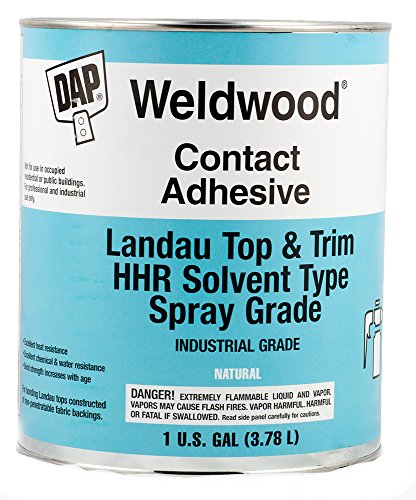
This gallon-size spray grade adhesive fits the kind of project that keeps going after the first pass. Automotive upholstery, foam, and vinyl are the stated sweet spot, so it lands in the same lane as the 14-ounce DAP spray, but with a larger supply for heavier use.
Heat and water resistance are useful signals for garage work, and the permanent bond description points toward jobs that need staying power. The trade-off is simple: a bigger container can be more practical for a shop, yet less convenient for the occasional home repair.
Highlights
- Gallon size suits larger or repeated upholstery jobs.
- Spray grade format supports broad surface coverage.
- Useful for foam and vinyl in vehicle interiors.
- Heat and water resistance are helpful in demanding spaces.
Worth Noting
- Bulk size can feel excessive for one-off repairs.
- Spray work still benefits from careful masking.
- Storage takes a little more room than smaller cans.
Feature Rundown
The Right Fit
You’re in the right place for this pick if you handle repeated upholstery work or larger automotive projects.
A Better Fit Elsewhere
3M Fastbond Contact Adhesive 30NF Neutral makes more sense for indoor jobs where a water-based formula and lower odor matter more.
This Gorilla option leans hard into spray control, and that is what sets it apart from the DAP sprays. The adjustable nozzle with low, medium, and high settings gives you more say over pattern width, which helps on jobs where a clean edge matters.
Wood, metal, leather, laminate, rubber, plastics, and more are all part of its stated range, so it fits mixed-material projects in a way that many single-focus adhesives don’t. One thing worth considering is that a versatile spray still asks for disciplined application, especially on visible surfaces or overhead work.
Positives
- Adjustable spray settings add real control.
- Web pattern helps with even coverage on larger surfaces.
- Broad material compatibility suits varied household and shop repairs.
- Heat and moisture resistance help in tougher spots like headliners.
- Aggressive tack supports fast grab on many surfaces.
Room For Improvement
- Spray products still need masking and cleanup.
- Fine control depends on keeping the nozzle clear.
- Some jobs may call for a more traditional brush-on formula.
Feature Card
Who Should Grab It
You’ll like this most if you tackle mixed-material projects and want a spray adhesive with more control than a basic can.
Another Choice May Suit
DAP Weldwood Landau Top & Trim HHR Spray Adhesive 14 oz is a tighter fit for automotive interior work and simpler coverage needs.
S-18 stands out for material range, especially where porous and non-porous surfaces need to meet in the same project. The product page also points to rubber-to-metal work, which makes it feel more specialized than the general-purpose spray options above.
Water resistance, strong peel strength, and oil resistance all matter in real life because the bond has to hold up after the job leaves the bench. The trade-off is that a specialty can in a 4-ounce size is better suited to targeted repairs than broad coverage.
Best Bits
- Works across a wide mix of materials.
- Good fit for rubber and neoprene tasks.
- Water-resistant behavior helps in tougher environments.
- Useful where peel strength matters more than speed.
Points To Note
- Small can size keeps it in the repair category.
- Specialty use means it may be more than casual jobs need.
- Careful storage helps preserve a small container between projects.
Spec Overview
Made For
You’ll get the most from this on specialty repair work where unusual material pairings need a dependable bond.
Look Elsewhere When
Gorilla Ultimate Spray Adhesive is the easier match for broader household projects that need adjustable spray coverage.
Neutral, low-odor, water-based bonding gives this 3M option a different feel from the solvent-heavy sprays above. For indoor work, that matters because the application environment can be just as important as the bond itself.
You may find this a calmer choice for workshops, classrooms, or home projects where odor control and clean handling matter. The main trade-off is that a water-based formula can feel less aggressive than some solvent sprays, so the fit depends on the material pair and the pace of the job.
Reasons To Buy
- Water-based build suits indoor use well.
- Low odor helps in enclosed spaces.
- Neutral finish keeps the focus on the bond line.
- Good choice for careful, controlled application.
Softer Spots
- Some heavy-duty tasks may call for a more aggressive formula.
- Water-based products often reward a slower, more deliberate workflow.
Feature Snapshot
Perfect Match For
You’re likely to appreciate this most in indoor shops, classrooms, or home spaces where lower odor is part of the brief.
Swap It Out When
3M Fastbond Contact Adhesive 30NF Neutral, Low-Odor, Water-Based Adhesive, Bonding Range of 4 Hours, 1 Quart Can gives you a longer working window for slower, more exact placement.
This quart-size 3M formula keeps the same low-odor, water-based profile as the other Fastbond pick, but the four-hour bonding range changes the pace of the job. That extra working time is useful when alignment matters, especially on larger panels or jobs with awkward contact points.
For careful work, the longer open window can feel like a small luxury, almost like a little breathing room in the middle of a rushed repair. The trade-off is that more working time is only useful when you’re willing to wait for placement and proceed deliberately.
Standout Traits
- Four-hour bonding range gives you more placement flexibility.
- Water-based formula suits indoor use.
- Low odor helps in enclosed work areas.
- Quart size fits more involved projects than the smaller 3M option.
Minor Gripes
- Longer working time does not replace careful surface prep.
- Quart size can be more than casual repairs need.
- Deliberate application matters more than speed.
Technical Sheet
Built With In Mind
This one suits people who want more time to position materials cleanly and prefer a water-based product for indoor jobs.
Not Your Match When
3M Fastbond Contact Adhesive 30NF Neutral is the simpler choice for indoor projects that do not need the extra four-hour window.
How To Choose The Right Contact Adhesives
Match The Formula To The Surface
Contact adhesives work best when the formula fits the material pair, not just the brand name. Foam, vinyl, laminate, metal, rubber, and upholstery each place different demands on tack, spread, and cleanup.
Brush-on cement suits broad, flat work where you want direct control. Spray formats help on panels and curved surfaces, where an even coat is harder to get with a brush.
Think About Working Time And Placement
Some products grab quickly, while others give you more time to position the pieces. That matters on cabinet faces, automotive trim, and any job where alignment has to be right the first time.
Shorter windows feel efficient, but they leave less room for mistakes. Longer windows can calm the process, although they usually reward careful prep and patience.
Size Matters More Than You Think
A 3-ounce or 4-ounce container makes sense for repairs, sample jobs, and tool-bag storage. Gallon-size containers belong on benches where you’re doing repeated or large-format work.
Oversized packaging can be wasteful for one-off fixes, while tiny containers become frustrating on bigger projects. The sweet spot depends on how often you’ll actually use the adhesive.
Keep Application Conditions In Mind
Sprays usually need masking and decent airflow, especially in a garage or enclosed room. Water-based formulas are often a calmer fit indoors, while solvent-based options tend to suit tougher shop and upholstery tasks.
Heat, moisture, odor, and cleanup all shape day-to-day ownership. Those details are boring until you’re halfway through a project, then they matter a lot.
What To Weigh Before You Choose
Common Shopping Slip Ups
A common mistake is choosing by container size alone. A gallon sounds handy, but it can be overkill for small fixes, while a tiny can disappears fast on repeat jobs.
Another miss is ignoring the application format. Brush-on and spray-on formulas behave differently, so the right one depends on the surface and the room you’re working in.
The Upgrade Payoff
Higher-tier contact adhesives usually cost more because they offer more control, broader material compatibility, or a friendlier working environment. Adjustable nozzles, water-based chemistry, and longer bonding ranges all add convenience.
That extra spend makes sense for frequent projects, indoor use, or awkward materials like upholstery and foam. For a simple repair, the simpler formula is often enough.
Frequently Asked Questions
What surfaces usually work well with contact adhesives?
They’re commonly used on laminate, foam, vinyl, wood, metal, rubber, leather, and fabric. The exact fit depends on the formula and the surfaces you’re joining.
Is spray contact adhesive better than brush-on cement?
Spray is often easier on large or curved panels, because it lays down more evenly. Brush-on cement gives you more direct control for flat, smaller jobs.
Do these adhesives need time before the pieces touch?
Yes, most contact adhesives are meant to be coated on both sides before joining. The exact open time depends on the product, so the listing details matter.
Which type makes more sense indoors?
Water-based, low-odor formulas usually fit indoor spaces more comfortably. They are often easier to live with in workshops, classrooms, or home repair areas.
What size should you choose for occasional repairs?
Small cans around 3 or 4 ounces are practical for light, occasional fixes. Bigger containers make more sense once your projects start repeating.
Final Thoughts
You get the best results from contact adhesives when the formula matches the job instead of the other way around. Big shop work points toward DAP’s gallon options, while smaller or indoor projects often fit the 3M water-based choices more comfortably. Spray control matters for upholstery and trim, and compact cans are handy for quick repairs. Pick the one that fits your materials, your space, and how often you’ll actually reach for it.