Copper work asks for the right cutter, not just any sharp wheel. You want something that fits the pipe size you handle most, trims cleanly, and won’t turn a simple job into a fight with the tool. The eight picks below cover hand tools, ratchet designs, and a cordless option, so you can match the cutter to your workspace, pace, and material mix.
Quick Look At Our Shortlist

LENOX Tube Cutter 1/8 to 1-1/8 Inch

LIBRATON Copper Tube Cutter 1/4 to 2-3/4

Milwaukee 2471-20 M12 Cordless Copper Pipe Cutter

Spurtar Mini Pipe Cutter Tool 1/8 to 1-1/8
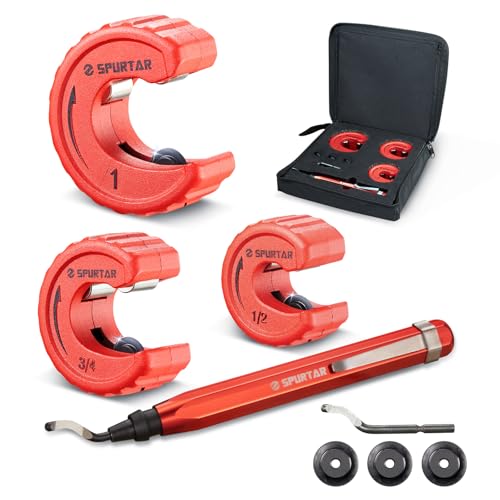
Spurtar 4pcs Pipe Cutter Set with Deburring Tool
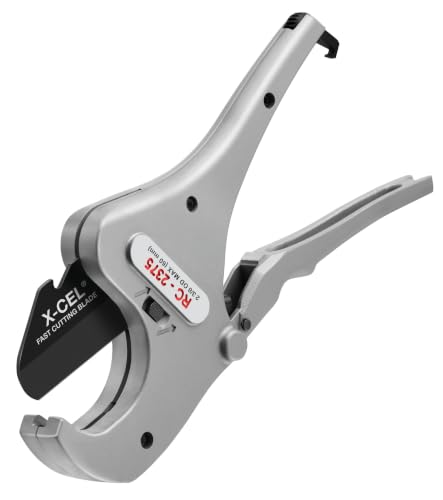
RIDGID 30088 RC-2375 Ratchet Action Pipe Cutter

Ridgid 31642 Model 152 Quick-Acting Tubing Cutter

iCrimp Copper Tubing Cutter 3/16 to 1-1/4
More Details On Our Top Picks
For everyday copper work, this LENOX cutter feels built around protection as much as cutting. The full-stop feed system keeps the wheel and rollers from touching, which matters when you want the tool to stay consistent over repeated use. A spare cutting wheel sits in the handle, so you’re less likely to get stuck mid-project.
That setup suits home repairs, under-sink work, and other jobs where you’d rather keep the tool simple than move up to a powered option. Compared with the Milwaukee cordless pick below, it asks for more hand effort, but it also keeps maintenance easy and storage compact. The honest trade-off is range, since this model stays focused on smaller pipe sizes.
Strong Points
- Full-stop feed design helps protect the wheel and rollers.
- Spare wheel storage in the handle keeps a backup close at hand.
- Compact hand tool format works well in a crowded toolbox.
- Good fit for routine trim work on standard copper runs.
Things To Consider
- The size range stays on the smaller side, so larger pipe runs call for another pick.
- Hand-driven cutting can feel slower during repeated cuts.
- Like most wheel cutters, it benefits from basic cleaning after use.
Feature Snapshot
Who It Suits Best
Home DIYers and maintenance techs handling smaller copper lines will get the most from this straightforward hand cutter.
Where A Sibling Pick Shines
Ridgid 31642 model 152 Quick-Acting Tubing Cutter suits you better for faster repeat cuts on larger tubing.
This LIBRATON cutter stands out for size coverage, which matters once your copper jobs jump between small service lines and thicker sections. The broad range makes it easier to keep one tool on hand for mixed repairs, and the included deburring tool helps after the cut, where rough edges can slow the next step.
Compared with the LENOX above, you get a much wider working range, so this one fits busier plumbing kits better. The trade-off is a little more tool to manage, especially in a small pouch or apron pocket. For garages, HVAC closets, and general repair carts, that balance makes sense.
What We Like
- Wide diameter coverage keeps the tool useful across more repair jobs.
- Deburring support helps smooth edges after cutting.
- Useful for copper, and the size spread adds flexibility.
- Hand tool design keeps setup simple.
Room For Improvement
- Its broader size range means it takes more storage space than a mini cutter.
- Heavier-duty builds can feel less nimble in tight access spots.
- Tool care still matters, especially around the wheel and cutting channel.
Details At A Glance
Who Will Love This
Plumbers and repair-focused DIYers who work across several pipe sizes will appreciate the flexibility here.
Another Choice May Suit
Spurtar Mini Pipe Cutter Tool 1/8 to 1-1/8 works better for you in cramped spots where a smaller body matters more than range.
For anyone who cuts copper all day, cordless convenience changes the pace of the job. This Milwaukee model uses automatic adjustment around type K, L, and M copper pipes, so it handles sizing without the same amount of manual setup as a wheel cutter. The sealed head also helps keep water out, which is useful around plumbing work where damp conditions are common.
Compared with the hand tools in this roundup, this one makes the most sense on repeat cuts, especially in service work or renovation projects. The trade-off is obvious, since battery and charger needs add to the setup, and the tool itself is less minimal than a simple manual cutter. For jobsite speed, though, the difference is hard to ignore.
Upsides
- Automatic adjustment reduces setup time around compatible copper pipe sizes.
- Cordless format supports mobile work across job sites.
- Sealed head is a practical fit for plumbing environments.
- Good match for repeated cutting tasks.
Softer Spots
- The battery is not included, so you need to account for the rest of the M12 setup.
- It makes more sense for frequent use than for an occasional cut.
- Powered tools usually take a little more storage room than hand cutters.
Quick Facts
Made For
Service plumbers and renovation crews who cut copper often will get the most value from this powered option.
Skip It When
LENOX Tube Cutter 1/8 to 1-1/8 Inch makes more sense for occasional household repairs that do not justify a cordless setup.
Small tools matter when you’re working in a cabinet, under a sink, or inside a vehicle repair bay. This Spurtar cutter keeps the body light and uses a knurled screw knob, which gives you finer control over cutting pressure than a loose-feeling wheel tool. The powder-coated finish is also a sensible touch for general corrosion resistance and everyday handling.
Unlike the wider-range LIBRATON pick, this one stays compact and easy to swing around tight fittings. It does have a clear material limit, though, because it’s aimed at soft and harder copper, brass, aluminum, and similar thin pipe walls rather than stainless steel or PVC. That makes it a smart pocket tool, not a universal cutter.
Best Bits
- Small body works well in cramped working spaces.
- Knurled knob gives you better pressure control.
- Coated finish helps the tool stand up to everyday wear.
- Useful for plumbing, HVAC, and general repair tasks.
Points To Note
- It is not suited to stainless steel or PVC.
- Very thick wall tubing sits outside its intended use.
- Keeping the wheel clean helps the cutter stay smooth over time.
Core Details
Built With In Mind
Plumbers, HVAC techs, and DIY fixers who work in cramped places will appreciate the small footprint.
Look Elsewhere When
LIBRATON Copper Tube Cutter 1/4 to 2-3/4 suits larger mixed-size plumbing runs better than this compact model.
This set makes sense for a garage or first-time plumbing kit because it gives you several fixed sizes instead of one adjustable body. The separate deburring tool is useful after the cut, since freshly sliced tubing often needs edge cleanup before the next connection. For a person building out a basic tool drawer, that combination feels practical.
Compared with the single-tool Spurtar mini cutter, this package is better for someone who wants a ready-made size lineup for common jobs. The trade-off is less flexibility at each cutter than you get from an adjustable unit, so you’ll want to choose the right cutter for the pipe rather than winding one body around every size. That’s not a flaw, just the nature of a kit like this.
Reasons To Buy
- Three cutter sizes cover common pipe diameters without guessing.
- Deburring support helps you finish the edge after cutting.
- Useful for organized tool storage in a home or service kit.
- Good option for people who prefer dedicated tools over adjustment.
Minor Gripes
- Fixed-size cutters mean you need the right piece for the job.
- A set takes more drawer space than a single compact cutter.
- Keeping all four pieces clean and together takes a little upkeep.
Feature Card
The Right Fit
Home improvers and light-duty plumbing kits suit this set well because the sizes are already sorted for you.
Where A Sibling Pick Shines
iCrimp Copper Tubing Cutter 3/16 to 1-1/4 works better for you when you want one cutter with more material flexibility.
Ratchet action changes the feel of a cut, especially where space is tight and a full spin just isn’t practical. This RIDGID model is made for plastic and multilayer tubing, so it fits jobs that go beyond copper alone, and the 1/8 inch to 2-3/8 inch outside diameter range gives it a broad service footprint. The aluminum body keeps the tool from feeling bulky in the hand.
Compared with the LENOX and Spurtar hand cutters, this one is more about leverage than compact simplicity. It makes the most sense in plumbing installs where tubing material varies and the cutter needs to reach awkward angles. One thing worth considering is that it’s not the leanest option for a basic copper-only toolkit.
Highlights
- Ratchet action helps in confined working positions.
- Broad size coverage supports a variety of tubing jobs.
- Aluminum construction keeps the tool manageable.
- Good fit for mixed-material plumbing work.
Areas To Watch
- Its focus leans toward plastic and multilayer tubing rather than copper alone.
- Ratchet tools take a little more familiarity than basic wheel cutters.
- Storing a larger-bodied cutter can be less convenient in a small pouch.
Technical Sheet
Whose Shelf It Belongs On
Plumbers who handle plastic, multilayer, and tight-space cuts will find this one especially useful.
Swap It Out When
LENOX Tube Cutter 1/8 to 1-1/8 Inch is the simpler fit when your work stays focused on small copper lines.
This Ridgid model is aimed at speed and control, which suits repetitive tubing work better than a bare-bones cutter. The X-cel knob uses a larger, more ergonomic shape, so turning feels easier during longer jobs, especially when you’re cutting several lengths in a row. The wide pipe range also makes it more versatile than the smaller LENOX unit above.
For professional plumbing or a serious home workshop, that quicker feel is a real advantage. The trade-off is that this model makes more sense when you expect frequent use, since the larger body and quick-action design are more tool than a casual one-off project usually needs. It’s a steady, thoughtful choice rather than a flashy one.
Standout Traits
- Quick-acting design supports faster repeat cuts.
- Large X-cel knob improves hand comfort during turning.
- Wide size range helps with varied tubing jobs.
- Good fit for users who value smoother adjustment.
Worth Noting
- The larger body takes up more kit space than a mini cutter.
- It makes the most sense for regular use rather than rare repairs.
- Like other wheel cutters, periodic blade care helps keep it smooth.
At A Glance
Best Suited To
Experienced plumbing hands and frequent renovators will appreciate the faster turning feel and wide size coverage.
Where Shoppers Go Wrong
Spurtar Mini Pipe Cutter Tool 1/8 to 1-1/8 is the better compact choice for users who care more about pocket size than speed.
This iCrimp cutter earns a place because it brings extra blades into the package, which helps reduce the headache of replacing worn parts later. The size range sits in a useful middle ground for copper tubing, and the listing also points to stainless steel and CSST compatibility, so the tool covers more material types than a copper-only cutter. That extra reach gives it a practical edge for mixed-install kits.
Compared with the Spurtar set, this pick is better for someone who wants one adjustable cutter instead of several fixed sizes. The trade-off is that the all-in-one body still needs attention after use, especially around the wheel and cutting channel, to stay smooth. For a service bag or backup kit, the balance is solid.
Positives
- Two replacement blades add useful backup value.
- Mid-range pipe coverage handles many common tube sizes.
- Works across more than one material type.
- Good choice for a repair bag or spare kit.
Small Caveats
- More material flexibility can also mean more care in matching the tool to the job.
- Wheel cutters still need routine cleaning to stay smooth.
- It is less specialized than a dedicated copper-only cutter.
Core Details
Right Fit For
DIY repair kits and light trade use suit this cutter well because the extra blades and wider material support are genuinely handy.
Consider Something Else When
Milwaukee 2471-20 M12 Cordless Copper Pipe Cutter makes more sense for high-volume jobs that need powered speed.
How To Choose The Right Copper Pipe Cutters
Match The Cutter To Your Pipe Range
Pipe size is the first filter worth checking, because a cutter that sits too narrow will waste time fast. Smaller hand tools like the LENOX and Spurtar mini models suit compact copper lines, while wider-range options such as LIBRATON and Ridgid 31642 Model 152 cover more service work. That difference matters most in homes or shops where one project might involve several diameters.
Think About Access And Hand Effort
Tight mechanical spaces reward smaller bodies and simpler turning action. A ratchet cutter, such as the RIDGID 30088 RC-2375, helps where there’s not much room for a full spin, while the Milwaukee cordless model reduces hand effort on repeated cuts. For occasional repairs, a basic wheel cutter usually keeps things lighter and easier to store.
Choose For Material, Not Just Copper
Some cutters stay focused on copper, brass, and aluminum, while others also cover plastic, multilayer tubing, stainless steel, or CSST. That detail matters because a tool tuned for softer metal can behave differently from one built for multi-material work. A mixed-material install kit benefits from broader compatibility, but a copper-only setup often does better with a simpler, more focused cutter.
Plan For Maintenance And Backups
Wheel cutters last longer when you keep the cutting path clean and avoid forcing the tool. Replacement wheels or blades add peace of mind, which is why the LENOX handle storage and the iCrimp two-blade bundle are useful details, not just marketing extras. For busy plumbing bags, that small backup can save a return trip to the storage shelf.
A Quick Reality Check
Mistakes Worth Dodging
A common slip is choosing a cutter by size alone and ignoring the material list. Another is buying a large multi-purpose tool for a tiny repair kit, where the extra bulk just gets in the way. A third is forgetting that hand cutters need a little routine care, especially after dirty work.
The Upgrade Payoff
Higher-tier cutters usually cost more because they bring smoother turning, stronger bodies, better range, or powered action. That upgrade starts to matter when you cut often, work in awkward spaces, or move between pipe sizes in one job. For occasional household repairs, a simpler cutter often gives you plenty without the extra weight.
Frequently Asked Questions
What size copper pipe cutter should you choose?
Pick a cutter that covers the pipe size you use most often, then leave a little room for nearby sizes. A narrow model suits light home repairs, while a wider tool helps in mixed plumbing work.
Do you need a deburring tool?
A deburring tool helps smooth the inside edge after cutting, which can make the next step cleaner. Sets like the Spurtar 4pcs Pipe Cutter Set with Deburring Tool build that step in from the start.
Is a cordless cutter worth it?
A cordless cutter makes the most sense when you cut often or need to move quickly through repeated jobs. For occasional use, a hand cutter usually keeps things simpler.
Can one cutter work on more than copper?
Some models handle brass, aluminum, stainless steel, plastic, multilayer tubing, or CSST, depending on the listing. Always match the tool to the material list before you rely on it for a job.
Why do some cutters include replacement blades?
Replacement blades help extend the useful life of the tool and reduce downtime later. That matters most in a kit you expect to use often.
Final Thoughts
Your best choice comes down to how much cutting you do, how tight your workspaces get, and whether you need one tool or a full kit. The LENOX stays simple and dependable for smaller copper jobs, the LIBRATON covers more sizes, and the Milwaukee cordless option fits heavier use. Smaller spaces point you toward the Spurtar mini cutter, while the Ridgid options shine when you want smoother action and more leverage. Choose the tool that fits your actual plumbing day, not the most ambitious one on the shelf.