Choosing the right copper tube cutter saves time, reduces mess, and helps you make cleaner cuts in tight spaces, under sinks, or on jobsite runs. You also want the right balance of reach, blade style, and grip, because a tiny hand tool and a powered cutter solve very different problems. This roundup keeps the focus on practical use, so you can match the cutter to plumbing repairs, HVAC work, or garage projects without overbuying. The right tool feels steady in your hand and makes routine cuts feel less like a chore.
The Shortlist At A Glance

LENOX Tube Cutter 1/8 to 1-1/8 Inch

LIBRATON Copper Tube Cutter 1/4 to 2-3/4 Inch

Milwaukee 2471-20 M12 Cordless Copper Pipe Cutter

Spurtar Mini Pipe Cutter Tool 1/8 to 1-1/8 Inch
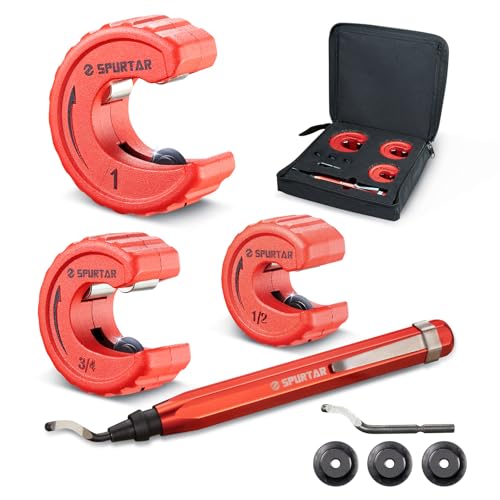
Spurtar 4pcs Pipe Cutter Tool Set with Deburring Tool

Ridgid 31642 Model 152 Quick-Acting Tubing Cutter

iCrimp Copper Tubing Cutter 3/16 to 1-1/4 Inch

Ridgid 32920 Model 15 Screw Feed Tubing Cutter
More Details On Our Top Picks
The Lenox cutter keeps the focus on a simple, useful range, from 1/8 inch to 1-1/8 inch. That makes it a strong fit for everyday copper work around sinks, fixtures, and tighter service spaces where you want a hand tool that stays predictable.
The full-stop feed system matters because it keeps the wheel and rollers from touching, which helps protect the cutting parts over time. The spare wheel stored in the handle is also handy, though the trade-off is that this is still a manual tool, so repeated cuts take more effort than a powered option like the Milwaukee 2471-20.
Strong Points
- Covers a practical small-to-mid range for common copper jobs.
- Full-stop feed design helps reduce wear on the cutting parts.
- Spare wheel in the handle keeps a backup close at hand.
- Compact format suits under-sink work and tool bags.
Things To Consider
- Manual turning gets slower on longer work runs.
- Best for copper tubing tasks, not a broad multi-material role.
Feature Snapshot
Who It Suits Best
You get the most from this one in a home repair kit or light professional setup where a dependable manual cutter is enough.
A Better Fit Elsewhere
Ridgid 31642 Model 152 suits you better for faster repeat cuts, especially in busy trade work where the larger knob helps.
The LIBRATON model stretches farther than the Lenox, covering a wider 1/4 inch to 2-3/4 inch range. That broader span makes it useful for mixed plumbing kits, especially around repair work where tube sizes change from one job to the next.
You also get a deburring tool, which helps smooth the inside edge after a cut so the tubing is ready for the next step. The honest trade-off is that more range usually means a slightly bulkier feel, so it suits service vans and home shops better than a tiny pocket kit.
What We Like
- Wide cutting span helps cover more tube sizes in one tool.
- Deburring support saves a separate step after cutting.
- Useful for copper jobs that jump between small and larger diameters.
- Works well in repair kits where versatility matters more than minimal size.
Worth Noting
- Larger reach can feel less nimble in tight cabinet corners.
- Manual layout still asks for steady hand pressure and regular cleaning.
- Like most cutters in this category, it rewards blade care over rough storage.
Core Details
Who Will Love This
You fit this cutter best when you want one manual tool for a mixed set of copper repair tasks, rather than a single narrow use.
Another Choice May Suit
Spurtar Mini Pipe Cutter Tool 1/8 to 1-1/8 Inch fits you better for cramped areas where a smaller body matters more than broad reach.
This Milwaukee stands apart because it goes cordless, so you are not leaning on hand force for every cut. For plumbing crews that move from room to room, that can feel like switching from a hand saw to a powered saw, only in a much smaller package.
The head is sealed against water entry, which suits wet service areas and routine plumbing environments. The trade-off is clear: this is a power tool only, battery not included, so it fits best inside an existing M12 setup rather than as a standalone grab-and-go cutter.
Best Bits
- Cordless operation reduces manual effort on repeat cuts.
- Automatic adjustment handles type K, L, and M copper pipe.
- Water-resistant head suits damp plumbing conditions.
- Useful for job sites where speed matters more than ultra-compact size.
Room For Improvement
- Battery is not included, so you need an existing compatible setup.
- Power-tool format adds weight and parts to store.
- Best value lands with users already inside the M12 system.
Technical Sheet
The Right Fit
You get the most out of this cutter in active trade work, especially where you already carry Milwaukee M12 tools.
Reach For A Different Pick When
Ridgid 32920 Model 15 is the better fit for you when you want a manual cutter with tighter control and no battery planning.
The Spurtar Mini keeps its footprint small, which makes it easy to work around sink basins, appliance hookups, and other cramped spots. Compared with the LIBRATON option, it gives up reach, but that smaller body can be a real advantage in a crowded utility cabinet.
The adjustable range covers 1/8 inch to 1-1/8 inch, and the wheel housing plus large knurled knob help you guide cutting pressure with more control. The electrostatic powder coating is meant to resist rust and corrosion, though it still pays to wipe the tool down after use and store it dry.
Highlights
- Small body fits places where longer cutters feel awkward.
- Knurled adjustment knob gives you finer pressure control.
- Works with copper, brass, and aluminum tubing.
- Powder-coated finish helps the tool hold up in the toolbox.
- Useful for plumbing, HVAC, and general repair tasks.
Areas To Watch
- Not suited to stainless steel, PVC, or acrylic tubing.
- Wall thickness stays limited to the stated soft-tube range.
- Blade care matters, especially after cutting gritty material.
Feature Card
Best Suited To
You fit this cutter best when you spend a lot of time in tight service areas and want a small manual tool you can place precisely.
Skip It When
Spurtar 4pcs Pipe Cutter Tool Set makes more sense for you when you want a size-matched kit instead of a single compact cutter.
This set leans into convenience by giving you three cutters and one deburring tool in the same package. For a garage shelf or service cart, that saves the usual hunt for the right size when you already know the tube diameter you are working with.
The trade-off is flexibility, because a size-matched set is less adaptable than an adjustable cutter like the LIBRATON or the Ridgid 31642. Even so, for straightforward jobs, that simplicity can be a strength, especially when you want the right cutter already sorted by size.
Reasons To Buy
- Three cutters cover common fixed sizes without fiddling.
- Deburring tool keeps finishing close to the cutting step.
- Handy for organized workspaces and repeat-size jobs.
- Less setup time suits routine plumbing or repair tasks.
Softer Spots
- Fixed sizes are less flexible than an adjustable cutter.
- Set storage takes more drawer or pouch space.
- Cleaning and reboxing the pieces matters to keep the kit orderly.
Details At A Glance
Who Should Grab It
You suit this kit best when you want a tidy, size-specific setup for common tubing jobs and already know the diameters you handle most.
Another Choice May Suit
Ridgid 32920 Model 15 fits you better when you want screw-feed precision in a single cutter instead of a fixed-size kit.
The Ridgid 31642 leans into speed, and the larger X-CEL knob is the detail that tells you who it serves. In a busy shop or service truck, a faster adjustment can matter more than having the smallest tool in the drawer.
Its 1/4 inch to 2-5/8 inch range covers a broad spread, which makes it flexible enough for regular plumbing routines. The compromise is that a larger quick-acting cutter can feel less nimble than the simpler Spurtar Mini when you are squeezed into a cabinet corner.
Upsides
- Fast adjustment helps shorten repeat cutting cycles.
- Broad tube range handles many common plumbing sizes.
- Larger knob feels easier to work with in hand.
- Solid fit for frequent field use and service work.
Points To Note
- More size range usually comes with a larger tool body.
- Manual operation still depends on steady pressure and clean blade care.
Feature Rundown
Built With In Mind
You fit this cutter best when you handle tubing often and want a manual tool that keeps pace with heavy day-to-day use.
Where A Sibling Pick Shines
Spurtar Mini Pipe Cutter Tool 1/8 to 1-1/8 Inch is the better fit for you when tight access matters more than speed.
The iCrimp gives you a wider material story than the pure copper cutters above, since it is described for stainless steel and CSST tubing too. That extra reach can matter in mixed renovation work, where you may be switching between copper lines and other tubing types in the same project.
Two replacement blades are included, which is a practical plus for anyone who wants to keep the tool in service longer without scrambling for parts. The trade-off is that multi-material capability can invite overuse, so it makes sense to keep it for the materials the listing actually names rather than pushing it into the wrong job.
Plus Points
- Broader material support helps in mixed project settings.
- Two replacement blades improve long-term convenience.
- Good fit for renovation kits that handle varied tubing.
- Coverage from 3/16 inch to 1-1/4 inch is practical for many tasks.
Small Caveats
- Not every tubing type benefits from the same cutting rhythm.
- Replacement blades are useful, but they still need storing carefully.
- A broader feature set can be more than you need for simple copper-only work.
Core Details
Whose Shelf It Belongs On
You fit this cutter best when your repair work mixes copper with other tubing materials and you want some spare blade support from day one.
Not Your Match When
Ridgid 31642 Model 152 suits you better when you want a more traditional single-purpose copper cutter with a quick adjustment feel.
The screw-feed design is the reason this Ridgid earns a place here, because it gives you slower, more deliberate control over the cut. For finish-minded plumbing work, that extra control can matter more than speed, especially around visible runs or delicate access points.
Its 54 mm capacity and heavy-duty wheel support a focused working range, and that keeps the cutter relevant for the common tubing sizes listed here. The trade-off is that you are choosing precision over quick movement, so it suits careful hands better than anyone chasing the fastest cycle.
Positives
- Screw-feed control helps you fine-tune each cut.
- 54 mm capacity covers the stated tube range well.
- Heavy-duty wheel gives the tool a work-ready feel.
- Good match for careful, finish-oriented cutting tasks.
Honest Caveats
- Slower adjustment makes it less suited to rushed repeat work.
- Best suited to users who value control over speed.
Spec Overview
Who It Suits Best
You fit this cutter best when you want slow, exact control for tidy cuts in a shop or home plumbing setup.
Look Elsewhere When
Milwaukee 2471-20 M12 Cordless Copper Pipe Cutter is the smarter move for you when powered speed matters more than manual precision.
How To Choose The Right Copper Tube Cutters
Match The Tool To The Tube Size
The first thing to check is the diameter range, because the cutter has to fit the pipe you actually handle. A compact model like the Spurtar Mini suits tight spots, while a wider cutter such as the LIBRATON makes more sense for mixed repair bags.
Range matters more than marketing language. A 1/8 inch to 1-1/8 inch cutter covers a very different kind of day than a 1/4 inch to 2-3/4 inch tool, so keep your usual tubing sizes in mind before you decide.
Decide Between Manual And Powered Control
Manual cutters give you simple control, lower complexity, and less to carry. Powered options like the Milwaukee 2471-20 save effort on repeat cuts, especially during busy plumbing work where your hands already do enough.
The trade-off is setup. Cordless cutters need a compatible battery system, while screw-feed and quick-acting hand tools ask for more of your own turn-by-turn effort.
Think About Blade Care And Finishing
Tube cutters live or die by wheel condition, pressure control, and how cleanly they finish the edge. Models that include spare or replacement blades, like the Lenox and iCrimp, make upkeep easier over time.
A deburring tool also helps because it smooths the cut end after slicing. That matters in real jobs, since a cleaner edge usually means less fiddling at the next connection point.
Choose For Your Work Setting
Home repair work usually rewards a smaller manual cutter with a comfortable knob and a modest size range. Trade use leans toward faster adjustment, stronger feel, and less fatigue across many cuts.
The honest read is that no single cutter fits every setup. Your best match depends on how often you cut, how tight the access gets, and whether you want a simple hand tool or a powered helper.
What To Weigh Before You Choose
Wrong Turns To Avoid
Many shoppers focus only on maximum capacity and ignore the body size. That can leave you with a cutter that reaches the right diameter but feels awkward in cabinets, behind fixtures, or near cramped framing.
Another common miss is skipping the material list. A cutter built for copper and brass does not automatically suit stainless steel, PVC, or acrylic, so the tube type has to match the listing.
The Upgrade Payoff
Higher-tier cutters often cost more because they add faster adjustment, stronger wheels, or extra parts like replacement blades. Those details matter most in professional settings where the tool gets used often and downtime is annoying.
For occasional household work, a basic manual cutter usually covers the job just fine. The upgrade makes more sense once you want less hand fatigue, cleaner repeat cuts, or a tool that stays in rotation all week.
Frequently Asked Questions
What size copper tube cutter do you need for home use?
A 1/8 inch to 1-1/8 inch cutter covers many common home plumbing tasks. Wider models help when your repair work jumps between larger lines.
Are powered cutters worth it for occasional jobs?
Powered cutters shine when you make repeated cuts or want less manual effort. For a few small repairs, a hand cutter is usually easier to store and simpler to grab.
What is deburring, and why does it matter?
Deburring removes the rough inner edge after a cut. That smoother finish helps the tubing move into the next step with less fuss.
Do all tube cutters work on stainless steel?
No, the material list has to say so. A copper cutter that handles brass or aluminum still may not suit stainless steel.
How do you keep a tubing cutter working well?
Keep the wheel clean, store the tool dry, and avoid forcing it through the wrong material. Spare or replacement blades help extend useful service.
Final Thoughts
You can keep this choice simple by starting with your tube sizes, then deciding how much speed or control you want. A small manual cutter suits quick household repairs, while a quick-acting or powered model makes more sense for steady trade work. The Lenox, LIBRATON, Milwaukee, Spurtar, and Ridgid options each solve a slightly different version of the same problem, which is why the right fit depends on your day-to-day use. Pick the one that matches your space, your material, and your pace, and the tool will feel useful instead of fussy.