You’re probably here because a wobbly pry bar, a tired claw hammer, or a flimsy nail puller turns small jobs into slow ones. The right tool makes trim work, demo cleanup, masonry fixes, and nail removal feel controlled instead of messy. This roundup stays focused on real job-site usefulness, not shiny extras.
The Shortlist At A Glance

IRWIN Hammer Fiberglass General Purpose Claw 16 oz. (1954889)

ESTWING Gad Pry Bar 18 Inch GP-18

Spec Ops Tools Nail Puller Cats Paw Pry Bar 11 Inch Molding Bar
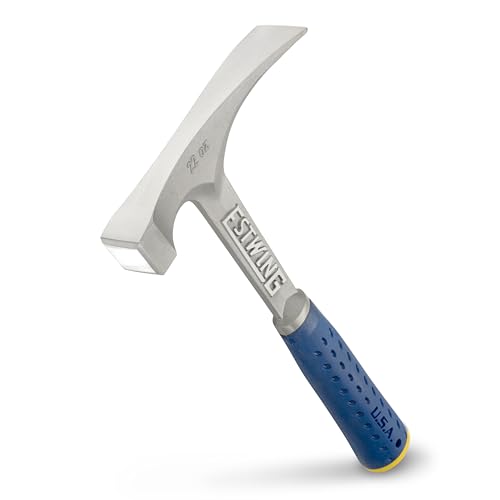
ESTWING Bricklayers/Mason’s Hammer 22 oz E6-22BLC
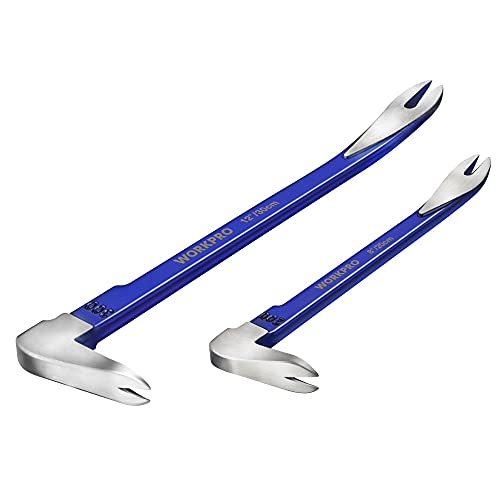
WORKPRO 2-Piece Nail Puller Set 12 Inch Pry Bar 8 Inch Mini Crowbar

ESTWING Pro Claw Moulding Puller 10 Inch MP250G

Bates Cats Paw Nail Puller 8 Inch

Real Steel 10 Inch Double Ended Nail Puller Cats Paw Pry Bar Construction 0691
More Details On Our Top Picks
A 16-ounce claw hammer like this sits in a sweet spot for everyday jobs, from hanging trim to pulling nails without feeling oversized. The fiberglass handle helps keep weight sensible, and the forged steel head gives you the kind of durability that matters in a toolbox used weekly, not just occasionally.
The ProTouch grip is the detail that makes it friendlier during longer sessions, especially in a busy garage or on household repairs that stretch past a quick fix. Compared with the pry-bar focused picks later in this list, this one is the straightforward hammer that covers a lot of common ground.
Strong Points
- 16-ounce weight suits general household hammering.
- Forged steel head adds solid impact confidence.
- Fiberglass handle keeps the feel practical for regular use.
- ProTouch grip helps during longer repair sessions.
- Good fit for toolkits that need one dependable hammer.
Areas To Watch
- It’s a general-purpose hammer, so specialty tasks still call for a dedicated pry tool.
- The fiberglass build can feel less traditional than a classic wood handle.
Feature Snapshot
Who It Suits Best
Home repair shoppers and weekend DIYers who want one hammer for everyday work will get the most from this shape and weight.
A Better Fit Elsewhere
ESTWING Pro Claw Moulding Puller 10 Inch MP250G suits trim-heavy projects better, especially for people who spend more time prying than striking.
This pry bar leans hard into rough use, with a pointed tip on one end and a chisel end on the other. For rockhounds, contractors, or anyone prying apart stubborn material, that dual-end layout gives you more ways to work without swapping tools.
The one-piece forged build matters because pry bars take ugly abuse, and the shock reduction grip adds a little comfort during repeated leverage moves. Compared with the lighter nail-pulling tools in this roundup, the GP-18 feels built for stubborn material first and finesse second.
What We Like
- Pointed and chisel ends give you two distinct jobs in one bar.
- Forged one-piece construction suits rough, repeated leverage work.
- Shock reduction grip helps during longer prying sessions.
- Strong fit for rock splitting and heavy material separation.
Small Caveats
- Its shape is more specialized than a general hammer or basic crowbar.
- The 18-inch format can feel long in tight indoor spaces.
Core Details
Built With In Mind
People handling masonry, stone, or rough outdoor demolition will get the most from the shape and leverage here.
Skip It When
WORKPRO 2-Piece Nail Puller Set 12 Inch Pry Bar 8 Inch Mini Crowbar is the easier fit for remodel work where you want smaller tools and more flexibility.
This cat’s paw style puller is aimed at prying, demolition cleanup, and nail removal where precision matters more than raw length. High-carbon steel gives it the sort of hard-working feel that suits trim teardown, small framing corrections, and salvage work.
Compared with the IRWIN hammer, this is the tool you reach for once the nail has to come out instead of just getting driven in. It also feels smaller and easier to steer than the longer Estwing pry bar, which helps in tighter spots around molding or cabinets.
Highlights
- High-carbon steel construction supports hard daily use.
- Compact 11-inch size helps in close quarters.
- Cat’s paw shape works well for nail extraction.
- Useful for trim removal and demolition cleanup.
Things To Consider
- It’s best viewed as a specialized puller, not a general pry bar for every task.
- The shorter body gives less reach than the 18-inch Estwing bar.
- Regular wipe-downs help keep steel tools ready after dusty renovation work.
At A Glance
Right Fit For
Trim carpenters, remodelers, and salvage-minded DIYers will appreciate the smaller size and focused nail-pulling shape.
Another Choice May Suit
Real Steel 10 Inch Double Ended Nail Puller Cats Paw Pry Bar Construction 0691 suits people who want a more specialized double-ended layout for embedded nails.
A masonry hammer like this has a very different job from the claw hammer above, and that difference shows fast on brick or block work. The 22-ounce head gives you more driving force, while the forged steel body fits the kind of impact-heavy use masonry usually demands.
The shock reduction grip is a welcome detail for extended sessions, especially on repair jobs where you’re tapping, chipping, and adjusting all day. It’s the kind of specialized tool that feels right in a contractor bag, though casual DIYers may only need it for occasional stone or brick work.
Best Bits
- 22-ounce head supports masonry-focused striking.
- Forged steel construction suits repeated impact.
- Shock reduction grip helps with hand comfort.
- Useful for brick, block, and similar material work.
Worth Noting
- It’s specialized, so it won’t replace a standard claw hammer for everyday carpentry.
- Finish may vary, which matters less in use than in presentation.
Technical Sheet
Whose Shelf It Belongs On
Bricklayers, masons, and renovation crews handling stone or block work will benefit most from this focused hammer.
Look Elsewhere When
IRWIN Hammer Fiberglass General Purpose Claw 16 oz. (1954889) is the easier all-around choice for homes where one hammer has to cover many chores.
Two bars give this set a practical edge, because remodeling rarely asks for one fixed size all day. The 12-inch bar brings more reach for trim, panel, and pallet work, while the 8-inch mini crowbar handles tight spots where a larger pry bar would feel clumsy.
The polished pry end is useful for slipping into narrow gaps, and the multi-sided forged steel shape is the sort of thing that makes the tool feel more confident under load. Compared with the single-purpose Spec Ops puller, this set is broader in reach, though it trades some specialization for flexibility.
Upsides
- Two sizes cover both tight spots and broader leverage tasks.
- Useful for baseboards, trim, panels, and pallet teardown.
- Forged steel build supports harder prying work.
- Good companion set for kitchen remodel or salvage projects.
Room For Improvement
- Neither bar is as specialized as a dedicated molding puller.
- The set is more about flexibility than fine finish work.
- Steel tools like this need occasional cleaning after dusty jobs.
Details At A Glance
The Right Fit
DIY remodelers and pallet recyclers who want a small set instead of a single bar will get a lot of practical use here.
Where A Sibling Pick Shines
ESTWING Pro Claw Moulding Puller 10 Inch MP250G suits finish carpentry better when delicate trim removal matters more than having two sizes.
Trim removal can get messy fast, and this puller is built for the kind of careful work that protects surrounding wood. The precision-thin claw and high-leverage layout make more sense for molding, baseboards, and headless nails than the broader bars in this roundup.
That no-slip cushion grip is a useful touch during close-up finish work, especially in older homes where material can resist more than expected. Compared with the WORKPRO set, this one gives you a more focused tool rather than two general pry sizes.
Positives
- High-leverage shape helps with stubborn pull jobs.
- Precision-thin claw suits delicate molding removal.
- Designed for headless nail extraction.
- No-slip cushion grip helps control in tight spaces.
Points To Note
- It’s tuned for finish work, so heavy demolition calls for a stronger pry bar.
- The narrow claw can feel specialized in general shop use.
Spec Overview
Best Suited To
Finish carpenters and homeowners removing molding or baseboard in older houses will appreciate the slim claw and controlled leverage.
Reach For A Different Pick When
Real Steel 10 Inch Double Ended Nail Puller Cats Paw Pry Bar Construction 0691 is the stronger match for shoppers who want a double-ended layout for embedded nails.
This 8-inch puller keeps things simple, which is exactly why it can earn a spot in a small toolbox or a kitchen drawer kit. The gooseneck-style leverage helps with prying, and the metal build gives it the sturdy feel you want for light demolition and nail extraction.
It sits closer to the Spec Ops puller than the larger Workpro set, but without the more specialized trim-focused shape. For occasional home tasks, that straightforward setup is often enough, though heavier remodeling work may call for something longer.
Bright Spots
- Compact size stores easily and travels well between rooms.
- Gooseneck shape improves leverage for small prying jobs.
- Metal construction supports everyday nail pulling.
- Simple layout keeps the tool easy to grab and use.
Softer Spots
- Shorter reach limits its comfort on bigger demolition tasks.
- It’s more of a small-task tool than a full remodel bar.
Core Details
Who Will Love This
Apartment dwellers, casual DIYers, and anyone keeping a small emergency tool kit will appreciate the compact footprint.
Swap It Out When
IRWIN Hammer Fiberglass General Purpose Claw 16 oz. (1954889) makes more sense for shoppers who need a true hammer alongside the pry tool.
Double-ended nail pullers are built for stubborn, embedded fasteners, and this one leans into that job with a forged carbon-steel body. The precision-honed claws and 180-degree beveled nail slots give you more ways to get under difficult nails, especially in cramped framing or old lumber.
That tighter, more technical feel makes it a sensible step up from the Bates 8-inch puller for jobs where you want more control and more ways to engage the nail. The trade-off is that it’s still a focused specialty tool, not a general pry bar for every demolition task.
Standout Traits
- Forged carbon-steel body supports demanding pull work.
- Double-ended layout gives you more working angles.
- Precision-honed claws help with embedded or headless nails.
- Beveled nail slots add useful flexibility in tight spaces.
Honest Caveats
- It’s purpose-built, so broad pry-bar jobs may feel secondary.
- The 10-inch format is manageable, but still more tool than a tiny trim puller.
- Carbon steel benefits from basic upkeep after dusty work.
Feature Card
Who Should Grab It
People who deal with old framing, stubborn fasteners, or routine demolition cleanup will get the most from the dual-ended layout.
Another Choice May Suit
Spec Ops Tools Nail Puller Cats Paw Pry Bar 11 Inch Molding Bar is the easier match for trim-focused work where a slimmer puller feels more natural.
How To Choose The Right Crowbar And Hammers
Match the tool to the job
A hammer does one kind of work very well, and pry bars do something completely different. The IRWIN 16 oz. claw hammer fits common home tasks, while the Estwing Gad and the Real Steel puller are better when the fastener or material refuses to give up easily.
Length matters just as much as shape. An 18-inch bar gives you more leverage, but an 8-inch puller can feel far easier to handle in cabinets, baseboards, or small repair spaces.
Look at grip, balance, and material
Forged steel usually means a tougher feel and better confidence under load, especially on bars and masonry hammers. Fiberglass, like the IRWIN handle, can make a general hammer more approachable for repeated use, while cushion or shock reduction grips help during longer sessions.
The trade-off is simple: more grip comfort can come with a tool that feels less bare-bones, and heavier heads can feel slower in hand. For most DIY work, the sweet spot is a tool that feels controlled before it feels impressive.
Think about reach and precision
Crowbars and cat’s paws sound similar, but the details decide whether the tool behaves like a helper or a nuisance. Precision-thin claws, beveled slots, and pointed tips matter when you’re pulling finish nails or working in tight trim gaps.
Broader bars make more sense for rough demolition, pallet teardown, and masonry-style leverage. If your work shifts between finishes and rough framing, a two-piece set like WORKPRO can cover more ground than a single-purpose bar.
Choose for your actual workspace
A small apartment repair kit, a garage toolbox, and a contractor bag all ask for different proportions. Short tools store easily and feel nimble, while longer bars earn their keep on stubborn prying jobs and deeper leverage tasks.
That’s why the right choice often comes down to the space you work in most often. Busy kitchens, older homes, and rough outdoor work each reward a different balance of reach, control, and toughness.
Things Worth Knowing First
Common Shopping Slip Ups
The easiest mistake is buying a general-purpose tool for a very specific job. A claw hammer won’t replace a masonry hammer on brick, and a trim puller won’t feel right on heavy demolition.
Another common miss is ignoring size. An 18-inch bar can be awkward in tight indoor areas, while an 8-inch puller may feel short once the work gets rough.
The Upgrade Payoff
Higher-tier crowbars and hammers usually cost more because of the steel quality, forging method, and grip design. One-piece forged construction, precision claws, and softer handle inserts all add to the finished tool.
That extra spend makes sense when you use the tool often or you work around delicate surfaces. Finish carpenters, remodelers, and masonry users feel the difference faster than casual users do.
Frequently Asked Questions
What’s the difference between a crowbar and a cat’s paw?
A crowbar is usually broader and better for prying or lifting. A cat’s paw is shaped more for catching and pulling nails.
Do you need a masonry hammer for brick work?
A masonry hammer makes brick and block work easier because its shape suits striking and light shaping. A regular claw hammer can handle basic household jobs, but it is not the same tool for masonry tasks.
Is a longer pry bar always better?
Longer bars give you more leverage, which helps with stubborn material. Shorter bars are easier to control in trim, cabinets, and other tight spaces.
What material should you look for first?
Forged steel is the common sign of a tougher pry tool or hammer head. Fiberglass handles can make a hammer feel more comfortable for routine use.
Can one tool handle both prying and nail pulling?
Some tools can cover both, but they usually lean toward one job more than the other. A general hammer can pull nails, yet a dedicated cat’s paw or moulding puller handles stuck fasteners more cleanly.
Final Thoughts
The right crowbar or hammer saves time in ways you notice immediately, especially once a nail won’t budge or trim starts fighting back. For everyday homes, the IRWIN hammer and the WORKPRO set cover a lot of ground without feeling overly specialized. For harder jobs, the Estwing pry bar, masonry hammer, and Real Steel puller bring the kind of purpose-built control that makes stubborn work less frustrating. Pick the tool that matches your most common project, and the rest of the toolbox gets easier to live with.