Dust control gets messy fast in a garage, workshop, or woodworking space, and the right setup saves you from constant filter clogging and extra cleanup. You also want something that fits your space, your tools, and how often you work. This roundup keeps that practical, with cyclone-style separators and dust-moving gear that suits both small shops and busier work areas.
The Shortlist At A Glance

Vacmaster Professional Beast Series VFB511H 0201 5-Gallon Wet/Dry Vac

Cyclone Dust Separator Kit for 4
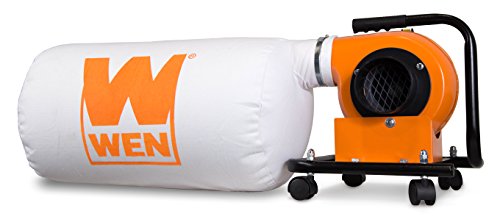
WEN Woodworking Dust Collector DC3401

Shop-Vac 8 Gallon 6.0 Peak HP Stainless Wet/Dry Vac 5989400

DEWALT Dust Separator DXVCS002 6 Gallon Poly Tank

DEWALT Dust Separator DXVCS003 10 Gallon Stainless Tank
More Details On Our Top Picks
Vacuuming up sawdust, offcuts, or garage grit gets easier with a 5-gallon body that stays fairly compact while still giving you room to work. The Beast Series name signals a tougher utility style, and that matters most in busy garages where the tool gets hauled around, parked, and used for more than one task.
Its wet-dry format makes it a flexible cleanup tool for home projects, though it’s still a vac rather than a true stationary dust collector. Compared with the separator kits below, this one suits you better for mixed messes, especially where floor debris matters as much as fine dust.
What We Like
- 5-gallon capacity keeps you from emptying it after every small cleanup.
- The wet-dry design covers dust, chips, and spill duty in one unit.
- Compact size helps in crowded garages or utility closets.
- Useful for general shop cleanup, not just woodworking dust.
Things To Consider
- It is not a dedicated cyclone separator, so ultra-fine dust control depends on your setup.
- A utility vac like this needs regular filter and tank cleaning to stay efficient.
- For fixed woodworking stations, the WEN DC3401 or a DEWALT separator may fit better.
Feature Snapshot
Who It Suits Best
You get the most from this model in a garage, basement shop, or vehicle cleanup setup where one tool has to do a lot of jobs.
Where A Sibling Pick Shines
The DEWALT DXVCS002 fits woodworking-focused cleanup better, since it is built around dust separation rather than broad wet-dry use.
This one is the simplest route for a woodworking setup that already has a shop vac or collector in place. The 4-inch format is important because it points toward common dust-collection hose work, and the separator’s job is to catch heavier chips before they load up the main system.
That makes it a smart fit for sawdust-heavy stations where you want less strain on the vac and less junk in the filter path. Compared with the Vacmaster utility vac, this is far more about preserving airflow in a shop system than cleaning floors or spills.
Bright Spots
- Cyclone separation helps keep heavier debris out of the main collector.
- That can reduce how often you stop to empty or clean filters.
- The 4-inch setup matches common woodworking dust-collection runs.
Room For Improvement
- It is a kit, so installation and hose matching take some planning.
- The setup works best in a woodworking lane, not as a catch-all cleanup tool.
- You still need to manage bins, hoses, and filter maintenance around it.
Core Details
Built With In Mind
You are the best match for this kit if your shop already has ducting or vacuum hardware and you want cleaner airflow at the source.
Another Choice May Suit
The WEN DC3401 makes more sense for a smaller standalone shop setup because it pairs collection with a motor and bag in one unit.
The WEN DC3401 sits closer to a true shop collector than the first two picks, and that changes the whole feel of ownership. A 12-gallon bag gives you more collection headroom than the Vacmaster’s 5-gallon tank, while the mobile base and optional wall mount give you some room to shape the setup around your shop.
That flexibility is useful in a small woodworking space where the floor plan changes around benches, saws, and seasonal storage. The trade-off is that it asks for a little more commitment than a portable vac, so it suits a dedicated work zone better than quick household cleanup.
Standout Traits
- 12-gallon bag gives you more collection space than a compact vac.
- Mobile base helps you roll it where the work happens.
- Optional wall mount opens up floor space in tighter shops.
- Designed with woodworking dust in mind, not general wet cleanup.
Points To Note
- It asks for a more permanent shop setup than a small utility vac.
- The bag will need regular emptying and cleanup in dusty use.
- It is less versatile than a wet-dry unit for mixed messes.
Quick Facts
Whose Shelf It Belongs On
You benefit most here in a woodworking shop that stays set up for longer sessions and needs a more dedicated collector.
Look Elsewhere When
The Shop-Vac 5989400 is a better match for mixed garage cleanup, especially where blowing function and portability matter more than a fixed collector layout.
The 8-gallon stainless tank gives this Shop-Vac a tougher feel than the Vacmaster, and that matters in a garage where tools get bumped and dragged around. The blowing function adds another layer of usefulness for clearing sawdust from corners, benches, and driveway edges, which makes it feel broader in day-to-day ownership.
You may find it especially handy in a jobsite or workshop that deals with both wet messes and dry debris. The stainless shell should be easier to live with over time than a plain painted tank, though it still needs the usual wipe-downs and filter care to stay ready.
Highlights
- 8-gallon tank gives you more room than the smaller Vacmaster.
- Stainless construction adds a sturdy, work-ready feel.
- Blowing mode helps move dust out of awkward spots.
- Useful for garages, jobsites, and workshop cleanups.
Minor Gripes
- Stainless steel can still show fingerprints and needs regular wiping.
- It is more of a cleanup vac than a dedicated dust separator.
- Larger capacity brings a little more bulk to store and move.
Details At A Glance
Perfect Match For
You are a strong match for this vac if your space needs one tool that handles both garage debris and workshop dust without fuss.
A Better Fit Elsewhere
The DEWALT DXVCS003 suits longer dust-collection runs better, especially where you want a larger separator tank for repeated shop use.
This DEWALT separator is the clearest bridge between portable cleanup gear and a more disciplined cyclone setup. The 6-gallon poly tank keeps the unit lighter than stainless, and the separator format helps hold back heavier material before it reaches your vacuum or collector.
That makes it a sensible choice for dusty tool stations where you want a cleaner path through the system without moving up to a larger fixed collector. Compared with the WEN DC3401, it leans more toward separation efficiency than all-in-one dust collection.
Reasons To Buy
- 6-gallon tank size stays manageable in smaller workshops.
- Poly tank keeps the overall build lighter to handle.
- Separator format helps reduce load on the main vacuum.
- The design suits woodworking dust better than mixed household cleanup.
Areas To Watch
- Plastic tank construction may feel less rugged than stainless alternatives.
- You still need a compatible vacuum or dust system behind it.
- Separator-focused gear asks for some planning around hoses and placement.
Spec Overview
Made For
You fit this best in a woodworking shop that wants cleaner airflow and a lighter, more manageable separator housing.
Reach For A Different Pick When
The Shop-Vac 5989400 makes more sense for general cleanup, especially when blowing function and stainless construction matter more than cyclone separation.
This is the most shop-oriented model in the group, and the 10-gallon stainless tank makes that clear right away. You get more collection room than the 6-gallon DEWALT separator, which helps in longer sessions where stopping to empty a tank gets old fast.
The stainless build also gives it a sturdier, more serious feel for a dedicated workspace. For most home woodshops, it’s the kind of upgrade that makes sense once you’re tired of smaller systems filling up too quickly.
Best Bits
- 10-gallon tank stretches the time between emptying stops.
- Stainless steel gives it a tougher, more durable feel.
- 99.5% efficiency suits dust-heavy woodworking routines.
- Works well in a more permanent shop layout.
Small Caveats
- It takes up more room than the smaller DEWALT separator.
- Stainless construction usually means a heavier-feeling setup.
- The scale makes it less casual than a portable wet-dry vac.
Technical Sheet
Who Should Grab It
You get the most out of this model in a dedicated woodworking space where collection volume matters as much as separation quality.
Where Another Pick Fits Better
The DEWALT DXVCS002 makes more sense for tighter shops or lighter systems, especially when you want a smaller tank and easier handling.
How To Choose The Right Cyclone Dust Collectors
Match The Machine To The Mess
Start with the kind of debris you make most often. A wet-dry vac such as the Vacmaster or Shop-Vac works well for mixed cleanup, while separator kits and dedicated collectors are more at home with sawdust, shavings, and machine dust.
Capacity matters too, because tank or bag size affects how often you stop to empty. A 5-gallon vac stays nimble, but a 10- or 12-gallon setup suits longer shop sessions better.
Think About Your Shop Layout
Wall mounting, mobile bases, and hose runs can matter more than raw power in a crowded workspace. The WEN DC3401 shows why, since it gives you setup flexibility that a standard vac can’t match.
In a small garage, a lighter poly tank may be easier to move around than stainless steel. In a more permanent shop, sturdier construction often feels worth the extra footprint.
Look Past One Spec
Peak horsepower, motor amp draw, and separator efficiency each tell part of the story, but none of them tells the whole thing. Pair the number with the job, because stronger suction means little if the tank is too small for your workflow.
For woodworking, cyclone separation helps keep chips out of the main filter path. For general cleanup, a blowing port or wet-dry function can matter more than a highly specialized collector.
What To Weigh Before You Click Through
Common Shopping Slip Ups
A lot of people focus on power and ignore compatibility. A 4-inch separator kit needs the right hose and system behind it, or it turns into extra setup without much payoff.
Storage and emptying also get overlooked. Larger tanks help during long sessions, but they also need more room and more cleanup when the job is done.
Where The Extra Money Goes
Higher-tier models usually spend more on larger tanks, sturdier materials, and better separation design. Stainless steel and bigger collection capacity tend to raise the cost because they suit heavier, longer use.
That upgrade makes sense for a dedicated workshop or anyone who fills smaller tanks fast. For occasional cleanup, a simpler wet-dry vac or smaller separator can be the more sensible fit.
Frequently Asked Questions
What’s the difference between a dust separator and a dust collector?
A separator catches heavier debris before it reaches the vacuum or collector, which helps protect the rest of the system. A collector is the machine doing the actual pulling and storing.
Do these work for sawdust and chips?
Yes, the woodworking-focused picks are built around that kind of debris. The separator kits and dedicated collectors fit that job better than a general-purpose wet-dry vac.
Is stainless steel worth it?
Stainless steel usually makes sense in a shop that sees frequent use or rough handling. It adds a sturdier feel, though it can also mean more weight.
How much capacity do you really need?
Smaller tanks work for quick cleanup and lighter use. Bigger tanks help if you run tools for longer stretches or dislike stopping to empty often.
Can one setup handle both dust and wet messes?
Wet-dry vacs can cover both, which is why they suit mixed cleanup so well. Dedicated cyclone systems are usually better when dust collection is the main goal.