Cut-resistant gloves solve a very practical problem, your hands stay protected while you still need grip, feel, and enough flexibility to keep working. That balance matters in a workshop, on a dock, in a kitchen, or anywhere sharp edges show up without warning. The right pair depends on the job, because carving basswood, handling sheet metal, and working around wet fish all ask for different traits. You’ll see that difference clearly in this lineup.
The Shortlist At A Glance
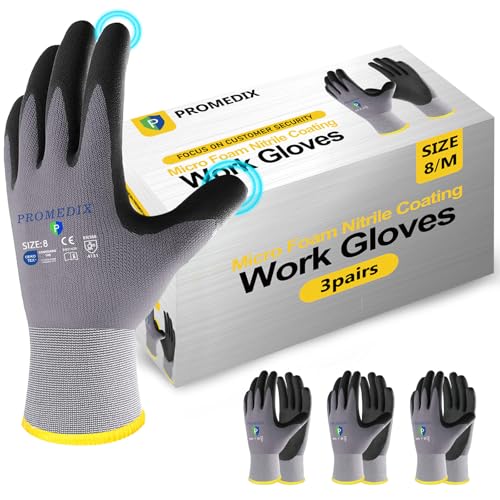
PROMEDIX P Nitrile Coated Work Gloves

Superior Glove Endura 378GOBKL Large
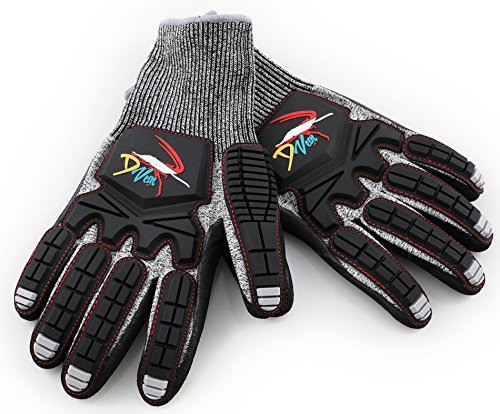
D Vein Lobster Diving Gloves

Schwer CR7120 3 Pairs A6/A7 L

BeaverCraft Wood Carving Gloves CRG


More Details On Our Top Picks
That nitrile-coated palm gives this pair a more sure-handed feel than a plain knit glove, so it makes sense for sorting hardware, moving boxes, or handling tools in a home garage. The seamless nylon and spandex shell should flex cleanly through the fingers, which helps during longer shifts where stiff material turns annoying fast.
The honest trade-off is that this style leans toward grip and dexterity, not the heavier feel you’d want for harsh abrasion or major cut hazards. For general shop work, though, it sits in a very practical middle ground.
What We Like
- Nitrile palm coating supports a steadier hold on tools and parts.
- Seamless knit construction helps reduce pressure points during long wear.
- Stretchy nylon and spandex make finger movement feel less restricted.
- Good fit for everyday bench work, warehouse tasks, and light assembly.
Points To Note
- This is more of a grip-first work glove than a heavy barrier pair.
- Light gloves like this usually need regular inspection for wear on the palm.
Feature Snapshot
Who Will Love This
You’ll like this most for routine shop tasks, packing work, and light repair jobs where grip matters more than bulk.
Where A Sibling Pick Shines
Superior Glove Endura 378GOBKL Large suits harsher outdoor labor better, especially when leather coverage and tougher handling matter more than flexibility.
This leather pair feels built for rougher jobs, especially outdoors where wet surfaces and scuffed materials are part of the routine. Compared with the lighter knit PROMEDIX P option, it gives you a sturdier hand feel that suits hauling, yard cleanup, and other work that beats up gloves quickly.
The water-resistant finish helps in damp conditions, though leather still asks for basic care and drying after use. That trade-off is fair for the added durability, and it makes this a sensible everyday work glove for people who want a tougher shell without going full industrial.
Bright Spots
- Leather build gives a more rugged hand feel for hard-use tasks.
- Water-resistant treatment helps in damp outdoor conditions.
- Good match for hauling, yard work, and jobsite cleanup.
- Less fussy than highly specialized gloves for mixed chores.
Room For Improvement
- Leather usually needs more drying and care than knit work gloves.
- You may find it less airy than lighter palm-coated options.
- Bulkier feel can slow fine fingertip tasks.
Core Details
Best Suited To
People who work outside often, especially on chores that mix abrasion, grip, and moisture.
A Better Fit Elsewhere
Schwer CR7120 3 Pairs A6/A7 L makes more sense for anyone who wants touchscreen use and a lighter, more versatile set for indoor jobsite tasks.
Marine work changes the game, and this pair speaks to that with its aramid fiber build. Aramid is a heat- and cut-resistant synthetic fiber, and here it’s aimed at rough underwater contact, so lobster spines, reef edges, and crab shells are the obvious use case.
Compared with the land-based gloves in this roundup, it is far more specialized, which is exactly the point. You get stronger protection for fishing and diving tasks, but you give up everyday versatility, so this makes the most sense for people who actually spend time in saltwater gear.
Reasons To Buy
- Aramid fiber is suited to abrasive marine environments.
- Built for sharp shells, spines, and rough reef contact.
- Good match for spearfishing and lobster handling.
- More focused protection than general workshop gloves.
Softer Spots
- Specialized design limits how useful it feels off the water.
- Sea use often means careful rinsing and drying after each trip.
Details At A Glance
The Right Fit
You’re in the sweet spot for this pair if you dive, spear fish, or harvest shellfish around sharp underwater surfaces.
Another Choice May Suit
NoCry Cut Resistant Work Gloves suit workshop or jobsite use better, since they’re built around everyday handling rather than water-specific contact.
This set leans hard into utility, with PU coating, touchscreen use, and a non-slip grip all pulling in the same direction. PU, or polyurethane, usually brings a thinner coating feel than bulky rubbery finishes, so the hand stays more agile during work that needs accuracy.
Because you get three pairs, it also fits jobsite rotation better than a single premium pair like Superior Glove Endura 378GOBKL Large. The trade-off is simple, these are more of an all-purpose workhorse than a specialized heavy shield.
Standout Traits
- Three-pair pack makes rotation easier for regular use.
- PU coating supports cleaner grip on handled materials.
- Touchscreen support keeps phone checks less awkward on site.
- Works across wood, glass, cargo, and maintenance jobs.
- Good balance for people who move between task types.
Areas To Watch
- Pack contents are sent randomly, so exact pairing can vary.
- Touchscreen gloves often work best for quick taps, not long typing.
- Light coatings can wear faster under rough abrasion.
Technical Sheet
Whose Shelf It Belongs On
This belongs with people who want one glove set for several shop tasks, not a single-purpose specialist.
Where Another Pick Suits Better
BeaverCraft Wood Carving Gloves CRG fits closer to carving benches and food prep, where fingertip control matters more than jobsite flexibility.
Carvers tend to want more feel than bulk, and this pair is clearly shaped around that need. The level 5 cut rating makes it a more serious option for whittling and knife-driven hobby work, while the food prep mention broadens it beyond the bench a little.
Compared with the Schwer CR7120 set, it feels more focused and less like a general site glove. That narrower focus is the point, although you may find the fit philosophy less appealing for heavy construction or cargo work.
Best Bits
- Level 5 rating fits serious carving and slicing tasks.
- Useful for whittling, woodworking, and some kitchen prep.
- Shaped for hand control rather than heavy bulk.
- Good match for hobbyists who use sharp hand tools.
Small Caveats
- Specialized purpose means less appeal for broad jobsite use.
- Carving gloves often need a close fit to feel natural.
Feature Card
Who Should Grab It
You’ll get the most from this pair in carving shops, hobby benches, and kitchens where controlled knife work is part of the day.
Look Elsewhere When
Kebada ANSI A2 Model C2 Large fits better for lighter general chores and three-pair convenience.
ANSI A2 sits on the lighter side of cut protection, so this pair makes sense for work where dexterity matters more than rugged shielding. The PU coating and touchscreen support round out the package for quick handling jobs, inventory work, and light repairs around the house or shop.
Because it comes as three pairs, it works well for people who rotate gloves often or need spares in a toolbox. The trade-off is straightforward, lighter protection keeps the glove comfortable, but it also places it below the heavier-duty options in this roundup.
Highlights
- Three-pair set gives useful backup and rotation.
- ANSI A2 level suits lighter handling tasks.
- PU coating helps with clean contact on tools and parts.
- Touchscreen support keeps quick device checks simpler.
Honest Caveats
- Lighter cut rating means it suits less demanding work.
- Regular glove rotation can help stretch usable life.
At A Glance
Who It Suits Best
This is a smart fit for light-duty shop work, storage tasks, and everyday handling where you want a balanced, affordable-feeling setup.
Skip It When
Superior Glove Endura 378GOBKL Large is the more sensible option for harsher outdoor wear and rougher materials.
Metal fabrication asks for feel, grip, and enough coverage to handle small edges without making the hand clumsy. This nylon industrial glove with palm coating points in that direction, and it should suit assembly-style work where finesse matters more than thick padding.
Compared with the bulkier leather options here, it’s easier to imagine wearing for repeated, precise hand movements. The catch is simple, light-duty gloves earn their keep through comfort and dexterity, not through the sort of heavy shielding people expect on rougher cuts.
Plus Points
- Light-duty feel works well for detailed hand movement.
- Palm coating supports grip during fabrication tasks.
- Nylon shell keeps the glove from feeling overly heavy.
- Good match for bench work and repeated handling.
Worth Noting
- Light-duty build is less suited to severe wear.
- Thin work gloves often need closer attention to palm abrasion.
Quick Facts
Built With In Mind
You’ll appreciate this most in fabrication shops, parts bins, and light industrial work where dexterity keeps the day moving.
Where Shoppers Go Wrong
BeaverCraft Wood Carving Gloves CRG is the better match for carving and kitchen knife work, where a tighter safety focus matters more than fabrication comfort.
This pair aims for the busy-shop sweet spot, with nitrile palms, touchscreen use, a reinforced thumb crotch, and a breathable knit shell all pulling in the same direction. The thumb crotch is the joined area between thumb and palm, and reinforcing it matters because that spot takes repeated stress during gripping, lifting, and tool handling.
Compared with the PROMEDIX P gloves, it feels more built out for rougher routine use and damp work surfaces. The nitrile waterproof palms are the standout here, though the trade-off is a little less of the soft, minimal feel some lighter gloves give you.
Best Bits
- Nitrile waterproof palms help in damp or messy work areas.
- Reinforced thumb crotch adds a useful wear point.
- Breathable knit shell keeps the glove more comfortable through the day.
- Touchscreen support is handy for quick device checks.
- Good all-around fit for workshops and jobsite tasks.
Areas To Watch
- Waterproof palms help, but the rest of the glove still needs care after wet work.
- More features usually mean a slightly less minimal feel.
- Close fit matters here, since thumb wear points do real work.
Core Details
Who It Suits Best
This is a strong fit for people who work in shops, garages, or mixed indoor-outdoor spaces and want one glove that handles a lot of ordinary mess.
Reach For A Different Pick When
D Vein Lobster Diving Gloves makes more sense for wet marine use, since it is built around spearfishing and underwater contact.
How To Choose The Right Cut Resistant Gloves
Match The Protection To The Job
Cut resistance is not a single thing, because a glove that feels fine for packing boxes can still be the wrong call for knife work or sharp metal. ANSI A2, A6/A7, and Level 5 all point to different protection tiers, so the number matters as much as the brand name. For carving, glass work, or fabrication, lean toward the higher tier that still leaves you enough finger control.
That balance is the real decision. Heavier protection often means more stiffness, and lighter gloves usually feel better for repeated handling but ask you to accept a thinner barrier.
Choose Material For Your Work Scene
Leather, nitrile, PU, nylon, spandex, and aramid each behave differently in the hand. Leather brings tougher wear for rough outdoor tasks, nitrile helps with grip and moisture, PU tends to keep a lighter feel, and aramid is the more specialized fiber used for sharper hazards.
You’ll feel those differences quickly in daily use. For a workshop, a palm-coated knit glove can stay agile enough for constant tool changes, while on a dock or reef, the material needs to hold up to wet abrasion and sharp contact.
Fit And Dexterity Matter More Than You Think
A glove that fits poorly becomes annoying fast, even when the spec sheet looks strong. Close fit helps touchscreen use, grip precision, and tasks that depend on fingertip control, like carving or parts sorting.
Too much bulk can slow you down, while too little structure can make the glove shift around under load. The best match feels stable without making your hand work against the material.
Think About Maintenance And Rotation
Work gloves usually last longer when you treat them like tools, not throwaway accessories. Leather benefits from drying and basic care, while coated knit gloves usually do better with regular inspection at the palm, thumb, and fingertips.
A spare pair helps too. People who rotate gloves across shifts often get more usable life from them, and that matters in garages, warehouses, and busy home shops.
A Quick Reality Check
Wrong Turns To Avoid
A common mistake is choosing a high cut rating without checking whether the glove still suits the task. Heavy protection can feel clumsy for fine work, and light-duty gloves can be too thin for harsh edges.
Another easy miss is ignoring the palm and thumb zone. Those are the places that wear first, especially in work that involves lifting, gripping, or constant tool contact.
The Case For Spending Up
Higher-tier gloves usually cost more because the materials, coating quality, and construction are doing more work. Aramid fibers, reinforced wear points, and more refined coatings all add to the price of making a glove that can handle tougher use.
That upgrade pays off most in rough daily environments, like fabrication shops, marine work, or jobs that put the same pressure point under stress all day. For lighter chores, the extra spend can be unnecessary.
Frequently Asked Questions
What does cut resistance actually mean?
It means the glove is built to slow down slicing contact from sharp objects. The protection level still depends on the glove’s rating, material, and overall construction.
Are cut resistant gloves the same as puncture resistant gloves?
No, those terms point to different hazards. Some gloves help with both, but one rating does not automatically cover the other.
Which material works best for everyday shop tasks?
For many routine jobs, palm-coated knit gloves strike a good balance between grip and comfort. You’ll usually get easier finger movement than with heavier leather pairs.
Do touchscreen gloves feel less protective?
Not necessarily, but the feature usually matters more for convenience than for protection. The glove still needs the right cut level and material for the job.
How should you size work gloves?
Start with your normal hand size, then check whether the glove is meant to fit snugly or leave a little room. A close fit usually works better for precision tasks and device use.
Closing Thoughts
The best cut resistant gloves for you depend on the job in front of you, not the longest feature list. PROMEDIX P makes sense for flexible everyday handling, Superior Glove Endura brings tougher leather coverage, and D Vein serves a very specific marine role. Schwer, BeaverCraft, Kebada, Ansell, and NoCry each fill their own lane, from light-duty finesse to practical all-around jobsite use. Choose the pair that matches your sharp edges, your grip needs, and how long you expect to wear them.