D handle jigsaws earn their keep in garages, job sites, and weekend workshops because they give you a steady grip and a clearer line of control. You’re probably here because you want a tool that can curve through plywood, handle trim work, or stay composed during longer cuts without turning fussy. The seven options below cover cordless freedom, corded consistency, and beginner-friendly control, so you can match the saw to the way you actually work.
The Shortlist At A Glance

Makita DJV184Z 18V LXT Brushless Cordless Variable Speed Jig Saw (Tool Only)

Makita 4350FCT Top Handle Jig Saw (Tool-Less Blade Change)
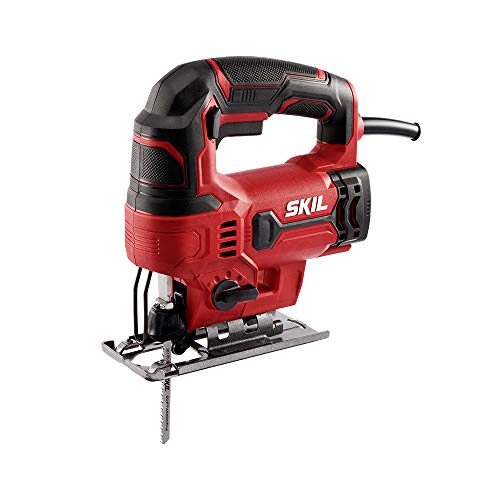
SKIL 5 Amp Corded Jig Saw JS313101
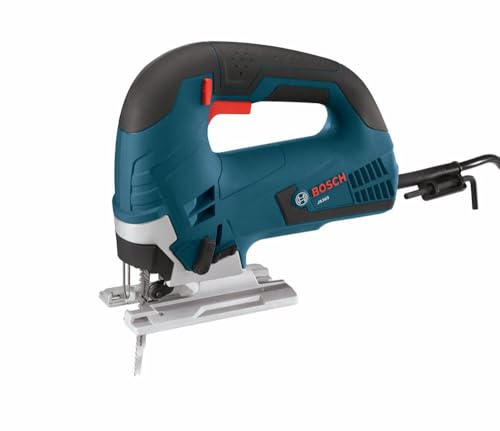
BOSCH JS365 120V 6.5 Amp Top-Handle Jigsaw Kit

HYCHIKA 6.7A Jig Saw 800-3000SPM (6 Speeds, 4 Orbital Sets)
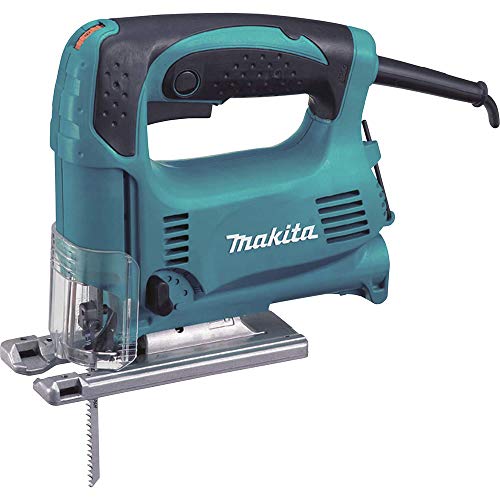
Makita 4329K Top Handle Jig Saw

DEKOPRO Corded Electric Jigsaw Tool with 6 Variable Speeds
More Details On Our Top Picks
This Makita stands out for cordless work where cord drag gets old fast, especially on trim pieces or cuts made away from a bench. The brushless motor type matters because it usually means less internal wear and better efficiency than brushed designs, which suits you well on longer project days. XPT, Makita’s name for enhanced dust and moisture resistance, adds peace of mind in a busy garage, though it’s still a tool-only setup that asks you to already own the battery platform.
Compared with the corded picks later in this list, it gives you more freedom of movement and less cable management. That trade-off shows up in runtime planning, so this one fits you best when portability matters more than staying tethered to the wall.
Strong Points
- Brushless drive supports smooth, efficient cutting.
- Cordless setup helps on ladders and wide sheets.
- XPT adds useful jobsite resilience.
- Variable speed gives you more control over material changes.
Things To Consider
- Tool-only packaging means you need a compatible battery and charger.
- Battery management matters more than with a corded saw.
Feature Snapshot
Who It Suits Best
Weekend remodelers and frequent DIY users who already own Makita batteries will get the cleanest fit here.
Where A Sibling Pick Shines
The BOSCH JS365 makes more sense for you if you want a corded setup with a built-in kit and no battery planning.
Blade changes get old in a hurry during mixed-material projects, and this Makita is built around removing that annoyance. The tool-less blade change is the main draw, so you spend less time fussing at the clamp and more time actually cutting. In a workshop where you swap blades for wood, plastic, and thin sheet goods, that convenience feels practical rather than flashy.
Unlike the cordless DJV184Z above, this one keeps the cord in play, which many home shops actually prefer for steady power. The honest read is that it suits you best when convenience at the blade mount matters more than cordless reach.
What We Like
- Tool-less blade changes save time during project switching.
- Top-handle layout feels natural for guided curves.
- Corded power avoids battery planning.
- Well suited to repeated blade swaps in a busy shop.
Worth Noting
- Corded use keeps you near an outlet.
- Older design means it lacks the cordless flexibility of newer Makita options.
- Tool-less convenience does not replace routine blade care.
Core Details
Best Suited To
You’ll appreciate this most in a home workshop where quick blade changes matter more than cord-free movement.
Another Choice May Suit
The Makita DJV184Z fits you better if you want a cordless saw for larger rooms, outdoor trim work, or places with limited outlets.
This SKIL model keeps things straightforward, which is often what you want for basic household cutting. A 5 amp corded setup usually gives you enough steady power for trim, shelving, and light renovation tasks without the battery questions that come with cordless tools. In a garage where simplicity matters, that can be enough on its own.
It sits below the Makita options in refinement, but the price-to-feature balance makes sense for occasional use. You may find it especially comfortable if your projects stay small and you’d rather spend on lumber than on a more complex saw.
Highlights
- Simple corded design suits basic task lists.
- 5 amp power is a practical step up from ultra-light tools.
- Easy to slot into a starter workshop.
- Works well for common home cuts.
Room For Improvement
- Less feature-heavy than the Bosch and HYCHIKA options.
- Cord use limits reach at the worksite.
Technical Sheet
Right Fit For
First-time tool owners and casual DIYers will get the most value from this straightforward layout.
Skip It When
The HYCHIKA is a better match for you if variable settings and orbital control matter more than a simple setup.
The Bosch is the pick that feels more purpose-built for controlled, detail-heavy cutting. Its 6.5 amp motor, variable speed control, and 45 degree bevel capability make it a better fit for people cutting joinery, trim edges, or angled pieces where accuracy matters. Up to 3,000 strokes per minute, or SPM, gives you the ceiling you want for faster work on lighter material.
Compared with the simpler SKIL model, this one offers more adjustment and a more workshop-ready feel. That extra capability does mean more controls to learn, so you’ll appreciate it most once you’re past the beginner stage.
Upsides
- 6.5 amp power supports more demanding cuts.
- Variable speed helps match the cut to the material.
- 45 degree bevel capacity expands project range.
- Up to 3,000 SPM suits quicker cutting on lighter stock.
- Kit format is useful for a more complete setup.
Points To Note
- More features usually mean a little more setup time.
- Corded design keeps you tied to an outlet.
Details At A Glance
Made For
Home renovators and trim-focused DIYers who want more control from a corded saw will feel at home here.
Look Elsewhere When
The SKIL JS313101 makes more sense for you if you want a simpler and lighter-duty corded option.
This HYCHIKA gives you a lot of control for the money, which is why it stands out in the middle of the lineup. Six speed settings, four orbital positions, and a bevel range to 45 degrees make it adaptable across wood, metal, and plastic work, while the laser guide helps you stay on line during longer cuts. A pure copper motor usually signals a more durable winding design, though you still get the feel of a value-minded tool rather than a premium one.
It has more adjustability than the SKIL and less polish than the Bosch, so it lands in a useful middle zone. You’ll probably like it most for mixed DIY work where flexibility matters more than brand prestige.
Bright Spots
- Six speed settings help match different materials.
- Four orbital positions broaden cutting behavior.
- Laser guide adds a helpful visual reference.
- Bevel capacity to 45 degrees supports common angled cuts.
- Included blades give you a head start on setup.
Areas To Watch
- More settings mean a little more learning up front.
- Feature density can feel busy for very casual users.
- Blade storage and swap habits still matter for clean results.
Feature Rundown
Built With In Mind
DIYers who switch between wood, plastic, and light metal work will get the most from the extra adjustment range.
Where A Sibling Pick Shines
The BOSCH JS365 is a better fit for you if you want a more established corded platform with a stronger workshop feel.
The 4329K is the kind of saw you keep close because it stays out of the way and handles common cuts without much drama. Makita’s top-handle layout suits straight or curved work in a home shop, and its simpler profile is often a relief after more feature-heavy options like the Bosch or HYCHIKA. In a small garage, that plain approach can feel like a smart trade.
It isn’t the flashiest tool in this group, and that’s part of the appeal. You’ll likely appreciate it most for steady household projects where comfort and predictability matter more than a long feature list.
Best Bits
- Straightforward top-handle design feels familiar quickly.
- Good fit for regular household cutting tasks.
- Less complicated than the feature-heavy models.
- Makita build style should suit frequent use well.
Small Caveats
- Fewer visible features than several rivals here.
- Best value shows up in routine use, not spec chasing.
Core Details
Whose Shelf It Belongs On
Homeowners who want a dependable general-purpose jigsaw for light renovation and craft work will like this layout.
Swap It Out When
The Makita DJV184Z fits better if you want cordless mobility for work far from an outlet.
DEKOPRO leans into beginner-friendly control, and that’s exactly where it makes sense. Six variable speeds, four orbital settings, and a metal base plate that moves to 0, 15, 30, or 45 degrees give you a useful amount of adjustment without making the tool feel intimidating. The tool-less blade clamp also helps in a garage where you want less fuss and more cutting.
It compares well with the SKIL for simplicity, but the extra adjustment range makes it more versatile for a first workshop. The trade-off is that the brand sits outside the more established names above, so long-term refinement may matter more to you than feature count.
Positives
- Six speed settings give you a broader control range.
- Four orbital positions help match blade action to material.
- Tool-less blade clamp keeps swaps quick.
- Adjustable metal base plate supports angled work.
Honest Caveats
- Brand recognition is lighter than Makita or Bosch.
- More adjustment than a starter user may need on day one.
- Blade alignment habits still matter for clean results.
Feature Card
The Right Fit
Newer DIYers and hobby woodworkers who want a flexible corded saw without a steep learning curve will get solid value here.
A Better Fit Elsewhere
The BOSCH JS365 makes more sense for you if you want a more established corded model with a deeper track record.
How To Choose The Right D Handle Jigsaws
Grip Style And Hand Feel
D-handle jigsaws place your hand in a top loop, which gives you a familiar steering position for curved cuts and finer line control. That layout tends to feel natural for trim work, shelf cutouts, and bench-top projects where you want to keep the blade on a pencil line. A top-handle body can feel steadier than a barrel grip for many casual users, though a barrel design may suit some hands better on long sessions.
Power Source And Runtime
Corded models like the SKIL, BOSCH, and DEKOPRO keep output steady as long as the outlet is available, which suits garage shops and indoor renovation work. Cordless picks like the Makita DJV184Z remove the cord from the equation, so they help on stairs, decks, and larger rooms. The trade-off is simple, corded tools ask less planning, while cordless tools ask more battery attention.
Control Features That Actually Matter
Variable speed lets you slow the blade for tighter curves or more delicate material, then speed up for faster straight progress. Orbital action changes how the blade moves through the cut, which can help on wood but may not suit every finish-focused job. A bevel range, such as 45 degrees, matters for angled joinery and trim transitions, and tool-less blade changes save time in any shop that swaps blades often.
Match The Saw To Your Workload
Occasional household cuts call for comfort and simplicity more than a long feature list. Frequent remodelers and hobby woodworkers usually benefit from stronger motors, better speed control, and easier blade changes. For portable work, prioritize cordless reach, and for repeat bench work, a corded saw often feels easier to live with.
A Quick Reality Check
Common Shopping Slip Ups
Many shoppers focus on speed numbers and ignore the rest of the setup, then discover the saw feels awkward in hand. Grip style, weight balance, and blade-change design affect day-to-day use just as much as motor strength. It also helps to match the saw to your material list, because a basic corded model can be enough for trim while a more adjustable saw suits mixed-material work better.
When The Extra Money Goes
Higher-tier jigsaws usually cost more because of finer speed control, more stable electronics, better grip feel, and smarter blade systems. Brushless motors, cordless platforms, and added cutting modes also tend to push the price up. The upgrade makes sense for frequent use, tougher materials, or projects where control matters more than simple on-off cutting.
Frequently Asked Questions
What makes a D handle jigsaw different?
A D handle jigsaw gives you a top loop grip that feels familiar and easy to steer. That shape often works well for curved cuts and general home use.
Is cordless or corded better here?
Cordless suits work away from outlets and jobs that move around the house. Corded suits steady shop use and avoids battery planning.
What SPM means on a jigsaw?
SPM means strokes per minute, the speed at which the blade moves up and down. Higher numbers help on faster cuts, while lower speeds give you more control.
Do orbital settings matter for casual users?
They do, but they are more useful once you start switching between smoother cuts and faster rough cuts. For very simple home tasks, one or two settings may be enough.
Which model is easiest for a beginner?
The SKIL JS313101 and the DEKOPRO corded saw are the most approachable choices here. They keep the controls simpler than the Bosch or the more advanced Makita cordless pick.