Choosing a framing hammer gets easier once you match the head weight, grip, and face style to the work in front of you. Some picks suit daily carpentry, others fit demolition, flooring, or heavier striking jobs, and the wrong mix can leave your arm doing extra work. You want a tool that feels steady in hand, lands cleanly, and fits the kind of projects you actually tackle. That’s what this roundup is here to sort out.
Quick Look At The Shortlist

IRWIN Fiberglass Claw Hammer 16 oz. (1954889)

Wilton B.A.S.H 12′ Sledge Hammer 4 Lb Head (20412)
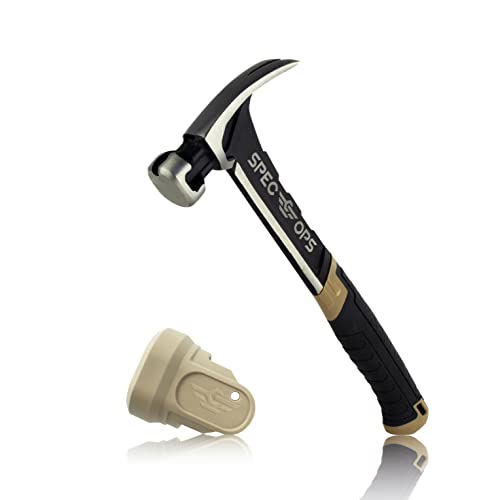
Spec Ops Tools Nailing Hammer 20 Oz with Mallet Cap

Fiskars IsoCore 22 oz Milled-Face Framing Claw Hammer 16 in

ESTWING Ultra Series Hammer 19 oz Rip Claw Framing Hammer E6-19S

Goldblatt 16 oz. Low Recoil Double Face White Flooring Rubber Mallet Hammer

ESTWING Ultra Series Hammer 19 oz Rip Claw Framing Hammer EB-19SM

VAUGHAN DALLUGE 16 oz Titanium Framing Hammer VN07180
More Details On Our Top Picks
For general carpentry, this IRWIN keeps things straightforward. The fiberglass handle helps soften the feel of repeated strikes, while the forged steel head gives you a tougher striking end than a basic budget hammer usually offers.
That mix suits household repairs, light framing, and garage work without feeling bulky. The honest trade-off is that a 16 oz hammer won’t have the same driving force as the heavier picks later in this list, so bigger demolition jobs call for more mass.
Strong Points
- Fiberglass handle helps take some sting out of repeated swings.
- Forged steel head adds confidence for regular jobsite use.
- ProTouch grip gives you a steadier hold during longer sessions.
- 16 oz weight stays manageable for overhead or all-day carry.
Points To Note
- Light to midweight build is less suited to heavy demo work.
- The compact, general-purpose shape leaves out specialist extras.
- Fiberglass handles still benefit from basic care after rough storage.
Feature Rundown
Who It Suits Best
Home improvers and trim carpenters who want a familiar claw hammer with a comfortable grip will get the most out of it.
A Better Fit Elsewhere
Spec Ops Tools Nailing Hammer 20 Oz suits framers who want more reach, a mallet cap, and a more jobsite-focused layout.
This one moves away from framing work and into pounding territory. A 4 lb head gives you more striking force, and the 12 inch handle keeps the package compact for tight storage or quick grabs in a truck bed.
That shorter handle also means less leverage than a longer sledge, which is the trade-off you notice right away. For post driving, masonry tasks, and other blunt-force jobs, it makes more sense than the lighter claw hammers in this roundup.
What We Like
- 4 lb head delivers plenty of striking mass for tough tasks.
- 12 inch handle keeps the tool easy to store and carry.
- Simple layout suits direct, repetitive pounding work.
Small Caveats
- Not a framing hammer in the usual sense, so nail work is not its lane.
- Shorter handle reduces reach and leverage compared with larger sledges.
- The compact shape is practical, but it leaves less room for two-handed control.
Core Details
Who Will Love This
Contractors and property owners handling heavy pounding tasks will get more use from it than anyone shopping for a standard carpentry hammer.
Where A Sibling Pick Shines
Fiskars IsoCore 22 oz Milled-Face Framing Claw Hammer 16 in is the better fit for nail driving and general framing work.
The Spec Ops hammer lands in a useful middle ground for framing and carpentry work. A rip claw helps with nail pulling and light prying, while the smooth face keeps the striking end cleaner for everyday nail setting.
The shock-absorbing grip is the detail that matters most during longer sessions, especially on a jobsite where vibration adds up fast. The mallet cap gives you a bit more versatility than the plain claw hammers above, though it also adds another feature you may not need for casual household repairs.
Highlights
- Rip claw supports nail pulling and light demolition.
- Smooth face is well suited to cleaner striking work.
- Shock-absorbing grip helps make repeated swings feel less harsh.
- Mallet cap adds flexibility for mixed jobsite tasks.
- 20 oz weight gives you more driving force than a basic 16 oz hammer.
Areas To Watch
- Extra features make it a better fit for active trade work than basic home use.
- The 20 oz head may feel a bit much for light finish tasks.
- More parts and surfaces mean a bit more cleaning after dusty framing work.
Feature Snapshot
Built With In Mind
Framers, carpenters, and remodelers who need one hammer for several rough-in tasks will get the most from it.
Another Choice May Suit
IRWIN Fiberglass Claw Hammer 16 oz. (1954889) is the more relaxed pick for general home use and lighter carry.
This Fiskars model leans into comfort without giving up a serious framing profile. The IsoCore setup is built around shock reduction, and the 16 inch handle gives you more reach than a compact hammer while staying manageable.
The milled face matters too, because that textured striking surface helps the hammer catch nails more confidently in framing work. For longer projects, that extra control can feel like a steady hand at the end of the swing, though the more aggressive face may be less forgiving on delicate surfaces.
Reasons To Buy
- Shock reduction design helps reduce harsh feedback through the handle.
- 16 inch length adds leverage without becoming unwieldy.
- Milled face improves grip on nail heads for framing use.
- 22 oz head gives solid driving power for heavier carpentry work.
Worth Noting
- Milled face is less friendly around finished trim or decorative surfaces.
- The larger head brings more force, but it also adds more swing weight.
- Handle length may feel long in cramped repair spaces.
Quick Facts
Best Suited To
Framers and remodelers who want a more controlled swing with extra reach will get the best match here.
Skip It When
ESTWING Ultra Series Hammer 19 oz Rip Claw Framing Hammer E6-19S fits you better when a magnetic starter and smoother face matter more.
This ESTWING leans into efficiency with its magnetic nail starter, which helps you begin a nail with one hand instead of juggling the fastener at arm’s length. The smooth face keeps it better suited to clean nail work than the milled-face Estwing later in the list.
The rip claw also gives you the familiar pry-and-pull range that framing jobs demand. The honest trade-off is that it feels more purpose-built than the IRWIN at the top of the list, so casual users may not need every feature it brings.
Best Bits
- Magnetic nail starter supports easier one-handed nail placement.
- Rip claw adds useful leverage for pulling nails and light prying.
- Smooth face is a strong fit for cleaner striking tasks.
- Shock reduction grip helps soften repeated impact.
- 19 oz head keeps the tool substantial without going fully heavy.
Minor Gripes
- Magnetic starter is handy, though it is most useful in active framing work.
- Smooth face does not offer the extra bite of a milled version.
- More specialized than a plain general-purpose hammer.
Details At A Glance
Whose Shelf It Belongs On
Framers and serious DIY users who want faster nail starting and a cleaner striking face will appreciate it most.
Look Elsewhere When
Goldblatt 16 oz. Low Recoil Double Face White Flooring Rubber Mallet Hammer makes more sense for flooring and finish-sensitive assembly work.
Goldblatt shifts the category away from steel-on-steel striking and into softer impact work. The white, double-faced rubber head is built to leave less visible marking, which matters in flooring, woodworking, and paver setup where surface appearance counts.
The low-recoil idea is the real draw here, because the rubber head is meant to cut bounce and absorb some vibration after contact. Compared with the metal hammers above, it asks less of the material you strike, but it also gives up the driving bite you need for framing nails.
Upsides
- Double-faced rubber head supports softer, more controlled strikes.
- White surface helps avoid dark scuff marks on visible finishes.
- Low-recoil design can feel calmer in repeated assembly work.
- Works well for laminate flooring and other surface-sensitive tasks.
Room For Improvement
- Not meant for driving nails into framing lumber.
- Rubber tools need basic cleaning after dusty flooring or paver work.
- Less useful for demolition or rough carpentry than the steel picks.
Feature Card
Who Should Grab It
Flooring installers, cabinet builders, and woodworkers who need controlled tapping rather than nail driving are the best match.
A Better Fit Elsewhere
Fiskars IsoCore 22 oz Milled-Face Framing Claw Hammer 16 in is the smarter choice for structural carpentry and heavier nail work.
This version of the ESTWING keeps the same framing-minded shape but swaps to a milled face, which gives the nail head a little more bite during strikes. That texture makes a clear difference on rough lumber, especially on jobs where you want the hammer to settle into the nail instead of glancing off.
The magnetic starter and shock reduction grip carry over as well, so you still get that one-handed starting help and a calmer hold. Compared with the smooth-faced E6-19S above, this one speaks more directly to framers who spend their day in raw lumber rather than finish carpentry.
Best Bits
- Milled face improves purchase on nail heads.
- Magnetic starter helps set nails with one hand.
- Shock reduction grip supports longer framing sessions.
- Rip claw handles nail pulling and prying jobs well.
Honest Caveats
- Milled face is less friendly around finished surfaces.
- Best suited to rough carpentry, not delicate trim work.
- Like most high-use steel tools, it benefits from simple wipe-down care after dusty jobs.
Technical Sheet
Who It Suits Best
Carpenters and framers who prefer a textured striking face over a smooth one will get the most from this model.
Where Shoppers Go Wrong
ESTWING Ultra Series Hammer 19 oz Rip Claw Framing Hammer E6-19S is the cleaner match for anyone who wants the same platform with a smoother face.
The Vaughan Dalluge stands out because titanium changes the feel of a framing hammer in a meaningful way. A titanium head is designed to deliver force with less effort than steel, which can matter a lot on long job days where repeated swings pile up.
The magnetic nail holder adds another practical layer, especially for linemen, framers, and builders working on metal or sheet material. That combination makes it a more specialized tool than the IRWIN at the top of the list, and the payoff is clear for anyone who swings a hammer all day.
Bright Spots
- Titanium head is built for strong swings with less effort.
- Magnetic nail holder supports one-handed nail starting.
- Milled face helps the hammer grip nail heads more securely.
- Well suited to high-use construction environments.
Trade Offs
- Specialized design makes it less casual than the lighter general-purpose picks.
- Titanium framing tools tend to make more sense for frequent use than occasional repairs.
- Magnetic and milled features are excellent in rough work, but not necessary for simple household jobs.
Core Details
Right Fit
Full-time framers, linemen, and construction crews who swing often and want a lighter-feeling drive should look here first.
Reach For A Different Pick When
IRWIN Fiberglass Claw Hammer 16 oz. (1954889) is the simpler choice for light duty, home repairs, and lower-maintenance ownership.
How To Choose The Right Framing Hammers
Match The Hammer To The Work
Head weight sets the tone first. A 16 oz hammer feels easier to carry and quicker in tighter spaces, while 19 oz and 22 oz models bring more drive for framing lumber and tougher nail work. Sledge hammers belong in a different lane altogether, so don’t let a heavy striking tool crowd out a real carpentry hammer unless your job calls for blunt force rather than nail setting.
Face style matters just as much. A smooth face is kinder around cleaner surfaces, while a milled face has texture that helps it catch nail heads with less slipping. The trade-off is simple, textured faces can be less forgiving on finished material.
Grip, Reach, And Swing Comfort
Handle material and grip shape affect how a hammer feels after a long run of swings. Fiberglass and shock-reduction designs help soften feedback, while a shaped grip can keep the tool steadier in sweaty hands or dusty gloves. That kind of comfort matters most on framing days, demo days, and roof work where repeated impact adds up.
Length changes leverage too. A shorter handle is easier to pack and maneuver, but a longer one can help you generate more speed without working as hard. For overhead work or cramped spaces, a lighter, shorter option often feels less awkward.
Small Features That Change The Job
Magnetic nail starters save time during one-handed starts, especially on ladders or at awkward angles. Rip claws help with nail pulling and board prying, which makes them useful on rough-in and remodel work. Mallet caps and other add-ons make sense only when your projects regularly mix striking, pulling, and placement work.
Think about maintenance too. Steel heads and textured faces gather grime from framing dust, so a quick wipe-down keeps the tool easier to handle and easier to store. For most weekend work, a straightforward hammer is enough, but higher-feature models earn their keep when your tool has to do several jobs in one shift.
What To Weigh Before You Click
Traps First Timers Fall Into
One common mistake is chasing more weight than your work needs. A heavier head sounds capable, but it can feel tiring fast during trim tasks or overhead nailing. Another easy miss is choosing a milled face for everything, then finding it a bit too aggressive around cleaner surfaces.
Storage and carry also get overlooked. A compact sledge is still a sledge, not a framing hammer, and a specialty mallet won’t replace a real claw hammer for nail setting. Match the tool to the job so your kit doesn’t end up with a lot of overlap and not much range.
When Paying More Pays Off
Higher-tier framing hammers usually earn their keep through materials and comfort features. Titanium heads can reduce swing effort, shock-reduction handles can ease hand fatigue, and magnetic starters can speed up repetitive nail work. That extra spend starts to make sense once hammering becomes part of your daily routine instead of an occasional chore.
The upgrade is also about fit, not just force. Framers, carpenters, and remodelers who spend long stretches on site tend to notice grip quality and balance more than casual users do. For occasional repairs, a simpler hammer often gives you enough without padding the tool bag.
Closing Thoughts
Your best framing hammer depends on how hard you swing, how long you swing, and what you strike most often. The IRWIN is the easy everyday choice, the Spec Ops and ESTWING options serve active framing work well, and the Vaughan Dalluge makes sense when lighter swing effort matters most. For flooring or finish-sensitive jobs, the Goldblatt belongs in the bag too. Pick the hammer that fits your workday, and the rest gets easier.