Choosing the right framing hammer is less about flash and more about how it feels after a long day of nailing, prying, and pulling. The right head weight, grip, face style, and handle material can make daily carpentry feel steadier and less tiring, whether you’re hanging out on a remodel, setting wall plates, or working through demolition cleanup. This roundup focuses on tools that suit different hands, budgets, and job-site habits, so you can match the hammer to the work instead of forcing the work to fit the tool.
Quick Shortlist for Fast Comparison

IRWIN Fiberglass Claw Hammer 16 oz. (1954889)
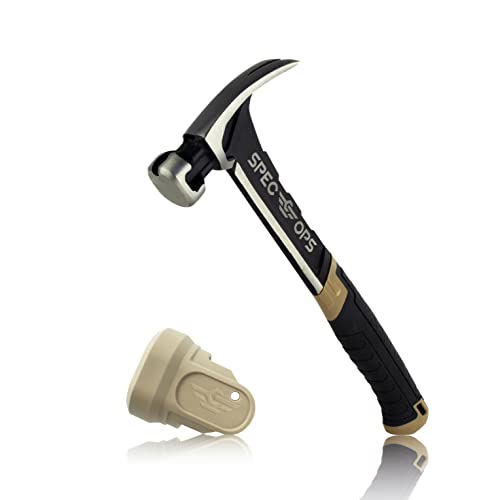
Spec Ops Nailing Hammer 20 Oz with Mallet Cap

Fiskars IsoCore 22 oz Milled-Face Framing Claw Hammer 16 in

ESTWING Ultra Series Hammer 19 oz EB-19SM

ESTWING Ultra Series Hammer 15 oz EB-15SM

ESTWING BIG BLUE Framing Hammer 25 oz E3-25SM

VAUGHAN DALLUGE Titanium Framing Hammer VN07180

OX 18 oz Framing Hammer Hickory Handle
More Details On Our Top Picks
Starting with the lightest-feeling option here, the IRWIN 16 oz claw hammer keeps the setup simple, which suits weekend repairs and smaller carpentry tasks. The fiberglass handle adds some give compared with bare steel, and the forged steel head gives you a sturdier striking end for routine use.
The ProTouch grip matters most when your hands get tired halfway through trim work or punch-list fixes. For general household jobs, that comfort focus is the real draw, though a 16 oz head can feel underpowered for heavier framing runs.
Strong Points
- Forged steel head should stand up well to routine job-site use.
- ProTouch grip helps keep the handle easier to hold during longer sessions.
- 16 oz weight stays approachable for smaller hands and light-duty work.
Points To Note
- The lighter head is less suited to repeated framing blows.
- Fiberglass usually feels less traditional than wood if you prefer a classic handle.
Feature Snapshot
Who It Suits Best
Home renovators and DIY carpenters who want a simple, comfortable hammer for lighter tasks will get the most from this one.
Where A Sibling Pick Shines
ESTWING Ultra Series Hammer 15 oz EB-15SM suits you better for a tougher all-steel build and a more job-site centered feel.
This Spec Ops hammer leans into flexibility, which helps on mixed jobs where framing can turn into light demolition before lunch. The rip claw gives you nail-pulling reach, while the smooth face makes cleaner contact for general carpentry work.
The mallet cap is the detail that changes how you’ll use it, since it lets the hammer take a softer impact role without needing a separate tool nearby. That makes sense for trim adjustments, framing alignment, and builder work where tool swapping slows things down.
What We Like
- Rip claw design helps with pulling nails and light prying.
- Smooth face suits cleaner strikes on carpentry tasks.
- Mallet cap adds useful crossover value on busy sites.
- Shock-absorbing grip should feel calmer in repeated use.
Small Caveats
- The feature set adds versatility, but it also adds a little complexity.
- That mallet-cap setup may matter more to multi-trade users than to pure framers.
Core Details
Built With In Mind
Carpenters, framers, and remodel crews who move between tasks often will appreciate how much ground this hammer covers.
Swap It Out When
ESTWING BIG BLUE Framing Hammer 25 oz E3-25SM suits you better for heavier framing where a more force-forward swing matters more than versatility.
The Fiskars IsoCore sits in the sweet spot for someone who wants more weight than a light household hammer without stepping up to a brute-force framing tool. The 22 oz head and 16 inch length give you a steadier swing, which can feel more controlled on repeated nailing runs.
Its milled face matters because texture helps the nail seat better, especially on rough stock that can be slick or uneven. That said, the longer handle can feel a touch large in tighter spaces, so it suits open framing and shed work better than cramped repair jobs.
Highlights
- 22 oz head brings a practical middle ground for many framing tasks.
- Milled face helps maintain grip on the nail head.
- 16 inch length gives leverage without turning the tool into a club.
- Shock reduction design should ease the feel of repeated strikes.
Areas To Watch
- The longer handle can feel bulky in narrow work areas.
- Textured faces can mark softer materials more readily than smooth faces.
Technical Sheet
Whose Shelf It Belongs On
This suits framers and remodelers who want a midweight tool with a calmer feel during long sessions.
Reach For A Different Pick When
IRWIN Fiberglass Claw Hammer 16 oz. (1954889) makes more sense for lighter household tasks and a simpler carry.
ESTWING’s 19 oz Ultra Series feels aimed at serious job-site use, especially for anyone who likes a one-piece steel build. The rip claw gives you pulling and prying utility, and the milled face adds extra bite on the nail.
The shock-reduction grip is the part that matters most during long framing runs, because steel tools can otherwise pass a lot of impact back into your hand. It still has the firm, direct feel many pros prefer, though the all-steel design will seem less forgiving than a wood-handle hammer.
Reasons To Buy
- One-piece construction tends to feel solid and dependable on site.
- Milled face helps with more secure nail starts.
- Rip claw handles pulling and prying without needing a separate pry tool right away.
- Shock-reduction grip adds comfort during repetitive swings.
Honest Caveats
- The steel build feels firmer in hand than softer-handle options.
- Milled faces can be less friendly on finish-sensitive surfaces.
Core Details
Right Fit
Framers and remodelers who want a steel hammer with a direct strike feel will find plenty to like here.
Another Choice May Suit
OX 18 oz Framing Hammer Hickory Handle suits you better if you prefer a warmer wood handle and a more traditional feel.
This 15 oz version keeps the ESTWING formula but trims the weight, which changes the feel in a useful way for overhead work and smaller framing tasks. The magnetic nail starter is the practical detail here, since it helps with one-handed starts before the first swing lands.
The lighter head won’t suit every full-framing workflow, yet it makes a lot of sense for people who value quick handling over heavy drive. It is the kind of tool that feels tidy in the hand, almost like it gets out of the way and lets you work.
Bright Spots
- 15 oz head keeps the hammer easier to carry and swing.
- Magnetic nail starter helps with one-handed positioning.
- Milled face gives better nail purchase than a smooth face.
- Shock reduction grip should feel steadier during repetitive work.
Room For Improvement
- The lighter head gives up some driving force on harder stock.
- It suits detail work more naturally than heavy production framing.
Feature Rundown
Made For
Carpenters who want a lighter steel hammer for smaller framing jobs and overhead work will appreciate this setup.
Look Elsewhere When
Spec Ops Nailing Hammer 20 Oz with Mallet Cap fits you better when you want more task crossover and a softer utility edge.
The BIG BLUE brings a heavier 25 oz head and a longer handle, so the hammer naturally leans toward faster driving and more force per swing. That makes it a serious option for framing crews who spend long stretches on repetitive build work.
The milled face adds traction on nail heads, which matters most when you’re working on rough lumber or keeping pace across a wall section. The trade-off is simple: more weight can help with output, but it also asks more from your shoulder and elbow by the end of the day.
Best Bits
- 25 oz head brings strong driving momentum.
- Longer handle helps create more swing power.
- Milled face improves nail contact on rough stock.
- Rip claw adds practical pulling and demo usefulness.
Minor Gripes
- The heavier build can feel demanding during long shifts.
- It is better suited to open framing than tight repair spaces.
Details At A Glance
Who Should Grab It
Framing crews and heavy-use tradespeople who want extra momentum from the hammer itself will appreciate this model.
Skip It When
IRWIN Fiberglass Claw Hammer 16 oz. (1954889) is the gentler choice for lighter household jobs and easier carry.
Vaughan’s titanium head changes the whole personality of a framing hammer, because it aims for strong swings with less strain than heavier steel designs. That matters most on long days, especially for linemen, framers, and builders who repeat the same motion over and over.
The magnetic nail holder adds one-hand starting support, which is handy on sheet material and metal-heavy work. You do trade away some of the classic heft of steel, but plenty of people prefer that lighter feel once the job stretches into the afternoon.
Upsides
- Titanium head keeps the tool lighter in hand than many steel options.
- One-hand nail holder helps with starts in awkward positions.
- Milled face improves contact on nail heads.
- Well suited to long, repetitive swings.
Worth Noting
- Titanium usually asks for a higher spend than basic steel builds.
- People who like a heavy, traditional swing may prefer a steel model instead.
Quick Facts
Whose Shelf It Belongs On
Pros who swing all day and want less fatigue from the tool itself will get the most out of this titanium build.
A Better Fit Elsewhere
ESTWING Ultra Series Hammer 19 oz EB-19SM makes more sense for someone who wants a firmer steel feel and a more traditional framing presence.
The OX hammer takes a traditional route with its American hickory handle, and that gives it a warmer, more familiar feel than the metal-bodied picks above. Hickory is a hardwood known for its natural damping, so the handle tends to soften some of the strike feedback that reaches your hand.
The engineered head is meant to help the hammer move quickly through the swing, which suits carpentry sessions where rhythm matters more than brute mass. It feels especially sensible for carpenters who like wood in hand and don’t mind a tool that looks and behaves a little more old-school.
Positives
- American hickory handle adds a classic feel and natural comfort.
- Wood handle construction can soften vibration compared with steel.
- Milled face helps the nail seat with more traction.
- 18 oz weight keeps it in a useful middle range.
Softer Spots
- Wood handles can call for more care than metal bodies.
- The traditional build may not suit everyone who prefers a firmer, all-steel feel.
At A Glance
Who Will Love This
Carpenters who prefer a wooden handle and a familiar swing feel will likely appreciate this model most.
Where Shoppers Go Wrong
ESTWING BIG BLUE Framing Hammer 25 oz E3-25SM fits you better when you want more strike force and a more aggressive framing rhythm.
How To Choose The Right Framing Hammers
Start With Head Weight And Swing Feel
Head weight shapes the whole experience more than many shoppers expect. A 15 to 16 oz hammer feels quicker and easier to carry, while 19 to 25 oz models bring more driving force for repeated framing work. The trade-off is simple, lighter tools reduce fatigue, heavier tools move nails faster with less effort from the arm.
For trim-adjacent carpentry or home repairs, lighter models like the IRWIN and VAUGHAN options make sense. For wall framing, decking, and demo-heavy days, the ESTWING BIG BLUE and the Spec Ops 20 oz hammer give you a stronger working rhythm. You’ll usually feel the difference by the second hour, not the second swing.
Choose The Face And Claw For The Job
A milled face has texture, which helps the hammer grip a nail head instead of glancing off. That matters on rough lumber, though it can leave more marks on softer material. A smooth face is cleaner for general carpentry, and a rip claw helps with nail pulling and light prying after the fasteners are set.
That’s why the Fiskars, ESTWING, VAUGHAN, and OX models lean more toward framing-first use, while the Spec Ops hammer offers a smoother face for mixed tasks. If demolition cleanup shows up often in your day, a rip claw earns its keep quickly. For delicate finish work, though, a textured face is usually more than you need.
Match Handle Material To Your Hands
Fiberglass, steel, titanium, and hickory all change how a hammer feels after repeated swings. Fiberglass tends to feel a little more cushioned, steel feels rigid and direct, titanium lowers carried weight, and hickory gives you a traditional, warmer grip. None is universally better, and the right choice depends on how much impact feedback you want in your hand.
For long shifts, the titanium Vaughan stands out for reduced strain, while the ESTWING steel models suit users who like a solid, planted feel. The OX hickory handle also deserves a look for carpenters who value natural vibration damping. It’s a bit like choosing a chair for a workshop stool, comfort matters more after the first hour than it does on the product page.
Look At Grip Features And Extra Helpers
Grip design can decide whether a hammer feels secure or tiring by the end of the day. Shock-reduction grips, like those on several ESTWING and Fiskars models, aim to soften impact feedback, while ProTouch and other contoured grips help the tool sit better in the hand. A magnetic nail holder or nail starter also saves time in awkward positions.
Those extra touches matter most on ladders, overhead work, and fast-paced framing where one hand is often doing too much already. They won’t replace technique, but they can make the tool easier to live with. For most people, the best hammer is the one that keeps your hand steady without making the tool feel bulky.
What To Weigh Before You Click
Common Shopping Slip Ups
Plenty of hammer choices go wrong because the weight looks right on paper but feels off in use. A heavy head can be great for framing and miserable for overhead repair, while a lighter head may seem easy until it struggles on dense stock.
Face style causes similar trouble. A milled face helps grip nails, but it can be harsher on softer surfaces, so you want to match the texture to the wood and the workload.
What The Higher Tier Buys
Higher-priced framing hammers usually spend their extra cost on material and balance. Titanium heads, one-piece forged steel bodies, shock-reduction handle designs, and magnetic nail holders all add manufacturing complexity, which is why premium tools often feel more refined in hand.
The upgrade tends to matter most for daily users who swing for hours at a time. For lighter weekend work, a simpler fiberglass or hickory model may already cover the job without asking for the extra spend.
Final Thoughts
Your best framing hammer depends on the work you do most often, not just the specs that sound strongest. For lighter home tasks, the IRWIN makes everyday sense, while the Estwing and Vaughan options suit harder use and longer sessions. If you want a practical middle ground, the Fiskars and Spec Ops picks are both easy to justify, and the OX brings a more traditional feel that plenty of carpenters still prefer. Choose the hammer that fits your swing, your grip, and the kind of day you actually have.