Diamond blades and angle grinders sound simple until you’re matching the wheel to the material. Concrete, porcelain, marble, grout lines, and mixed demolition work all ask for different cut styles, arbor fits, and edge designs. The picks below help you sort that out without overbuying a blade that fits the tool but not the task.
You’ll also see the trade-offs plainly: faster cutting can mean shorter edge life, specialty blades can be cleaner but narrower in use, and multi-purpose discs can be handy without being the quietest choice for finish work. That balance matters in a busy garage, remodel, or tile job.
Quick Look At The Shortlist

EDiamondTools 7″ Diamond Grinding Wheel 24 Segments
DCK Angle Grinder 4-1/2-Inch 6.7Amp KSM09-115S

GRAFF 6 Inch Diamond Blade for Angle Grinder 150 mm

Benchmark Abrasives 4 Inch Tuck Point Crack Chaser

SHDIATOOL 4-1/2 Inch Diamond Cutting Grinding Disc 5/8-11 Arbor

DEWALT Diamond Blade for Porcelain Tile DW4765
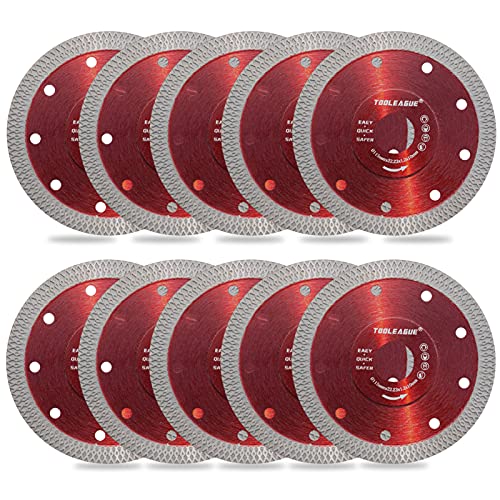
TOOLEAGUE 4-1/2 Inch Diamond Saw Blade 10Pcs

LOZLIN Diamond Blades 3-Pack 4.5″ Multi-Purpose Saw Blades
A 7-inch cup wheel like this suits concrete cleanup, masonry smoothing, and broad surface prep where coverage matters more than finesse. The 24 turbo segments and medium bond point toward steady bite on harder material, while the 5/8″-11 threaded arbor keeps it aligned with common grinder setups. That makes it a practical fit for remodel work, garage slabs, and patch repair.
The trade-off is straightforward, this is built for aggressive grinding rather than delicate finishing. Compared with the porcelain-focused DEWALT blade later in the list, it’s the rougher tool, and that’s exactly the point. You’ll appreciate it most in dusty jobsite conditions where speed and material removal matter.
Strong Points
- 24 segment layout helps cover wider patches without constant repositioning.
- Turbo-style edges suit fast concrete and masonry removal.
- 5/8″-11 arbor fits many standard angle grinder setups.
- Medium bond helps the wheel stay useful on hard surfaces.
Points To Note
- It’s a grinding wheel, so finish quality won’t match a fine tile blade.
- Concrete work usually means dust control and routine cleanup afterward.
- The 7-inch format feels more at home on surface prep than tight detail work.
Feature Snapshot
Who It Suits Best
You get the most from this wheel during concrete prep, patch cleanup, and masonry shaping on a standard grinder.
A Better Fit Elsewhere
Benchmark Abrasives 4 Inch Tuck Point Crack Chaser suits grout repair and narrow mortar joints better than this wider wheel.
This one makes sense for a garage or home shop that wants the grinder and starter discs in a single box. The 6.7-amp motor and 11,800 RPM rating point to lively handheld cutting, and the two safety guards give you setup flexibility for different disc styles. It’s more of an all-around tool than a specialty blade, which is useful for mixed projects.
Compared with the blade-only items in this roundup, the DCK gives you a starting kit rather than a single-purpose accessory. The 6-piece disc set covers cutting, grinding, and flap-disc work, so you can move from trimming metal to surface cleanup without hunting for extras. For first-time grinder owners, that can make the learning curve feel a lot less sharp.
What We Like
- Grinder plus discs gives you a broader starting setup.
- 6.7-amp motor supports common cut and grind tasks.
- 11,800 RPM suits general handheld work.
- Two guards help match different disc and task needs.
- Included cutting, grinding, and flap discs add day-one usefulness.
Minor Gripes
- It’s more general-purpose than the dedicated masonry blades above.
- Accessory kits need organization, or the small discs disappear fast in a busy shop.
- Users who want a specialty finish may prefer a narrower task-specific blade.
Core Details
Built With In Mind
You benefit most from this setup if you want a starter grinder for metal trimming, light shaping, and general shop use.
Another Choice May Suit
DEWALT Diamond Blade for Porcelain Tile DW4765 suits finish-focused tile work better than this broader tool-and-accessory bundle.
For stone, brick, marble, granite, and concrete work, this 6-inch blade aims at the middle ground between reach and control. The turbo style is meant to move material without feeling as blunt as a thick grinding wheel, so it fits mixed masonry jobs where you need cleaner handling than the EDiamondTools wheel offers. That balance matters on remodel days with several hard surfaces in play.
The 150 mm size gives you a little more bite than a 4-1/2-inch disc, though it still keeps the profile manageable on an angle grinder. You may find it more comfortable for longer straight cuts than a compact wheel, but it still asks for steady hands and the right safety setup. It’s a solid middle-road choice for general masonry cutting.
Highlights
- Works across several hard materials, including stone and brick.
- Turbo diamond design supports quicker cutting than a plain edge.
- 6-inch size gives you more reach than smaller grinder discs.
- Useful for mixed jobsite tasks where one material changes to another.
Trade Offs
- Specialized finish work still calls for a more targeted tile blade.
- Hard-surface cutting creates dust, so cleanup and ventilation matter.
- The larger diameter can feel less nimble in tight spots.
Technical Sheet
Who Will Love This
You’ll like this blade most for mixed masonry cutting where one tool needs to handle several dense surfaces.
Skip It When
Benchmark Abrasives 4 Inch Tuck Point Crack Chaser is the better fit for narrow repair joints and mortar cleanup.
Crack chasing is a very different task from broad grinding, and this 4-inch wheel reflects that narrower mission. It’s aimed at concrete, brick, and stone work where you need to open up grout lines or clean mortar joints rather than cover a wide slab. That narrower profile can feel almost surgical in the right repair job, especially compared with the broader GRAFF blade.
For tuck-pointing and crack cleanup, a purpose-built wheel is easier to trust than a general masonry disc. The smaller diameter also helps when you’re working in tighter areas where a larger wheel would feel awkward. It’s a repair-first choice, not a do-everything wheel.
Bright Spots
- Useful for grout and mortar repair work.
- Handles concrete, brick, and stone repair tasks.
- 4-inch size helps in tighter spaces.
- Specialized shape suits crack-chasing jobs better than general blades.
Areas To Watch
- It’s too specialized for broad cutting chores.
- Dust cleanup is part of any mortar or concrete repair project.
- The narrow use case makes storage and tool matching a little more deliberate.
Feature Card
Right Fit For
You’ll get the most value from this wheel during mortar repair, grout cleanup, and narrow concrete correction jobs.
Where A Sibling Pick Shines
EDiamondTools 7″ Diamond Grinding Wheel 24 Segments suits broader slab prep better than this narrower repair wheel.
This disc sits in a useful middle lane for marble and ceramic work, especially where you want both cutting and shaping in one accessory. The double-sided, vacuum-brazed build points to a more specialized surface interaction than a basic grinder wheel, so it suits careful shaping and edge refinement. Compared with the Benchmark Abrasives crack chaser, this one is far less about joints and far more about finish control.
For tile setters and remodelers, that combination can reduce tool swapping on smaller jobs. The 5/8-11 arbor makes it easier to pair with compatible grinders, and the 4-1/2-inch size keeps it familiar for common handheld work. The main trade-off is scope, since this is tuned for certain surfaces rather than everything in the shop.
Best Bits
- Cutting and grinding in one disc helps cut down on swaps.
- Marble and ceramic focus suits tile and finish work.
- 5/8-11 arbor supports common grinder compatibility.
- Double-sided construction adds useful working surface area.
- 4-1/2-inch size stays manageable for handheld control.
Softer Spots
- It’s specialized, so it won’t replace a broad masonry wheel.
- Finish-oriented use usually benefits from careful cleanup and slower pacing.
- The disc makes the most sense on compatible grinders, so fit checks matter.
Details At A Glance
The Right Fit
You’ll appreciate this disc most for marble and ceramic projects where cutting and shaping live close together.
A Better Fit Elsewhere
TOOLEAGUE 4-1/2 Inch Diamond Saw Blade 10Pcs is the better fit for shoppers who want a bundle for repeated tile cuts.
Porcelain tile asks for a cleaner, more controlled cut than rough masonry, and this 4-1/2-inch blade is built around that reality. The wet/dry design gives you flexibility on the job, which matters in bathrooms, kitchens, or small renovation spaces where tile edges need to look composed. It feels narrower in purpose than the SHDIATOOL disc, but that focus is part of its appeal.
For porcelain work, a dedicated blade usually saves frustration compared with a general diamond wheel. The smaller diameter keeps handling familiar, while the tile-specific build better suits finish-driven cuts than material removal chores. That makes it a reliable middle-ground choice for home tile projects and more polished installs.
Upsides
- Porcelain focus suits clean tile work.
- Wet/dry use adds flexibility across jobsite setups.
- 4-1/2-inch format fits common angle grinders.
- Helpful for visible cuts where edge quality matters.
Worth Noting
- It’s made for tile, so masonry grinding is not its lane.
- Porcelain jobs reward patience and careful alignment.
- The blade is more specialized than the multi-purpose options in this list.
Core Details
Whose Shelf It Belongs On
You’ll benefit most from this blade if your work centers on porcelain tile and you care about neat edge quality.
Look Elsewhere When
LOZLIN Diamond Blades 3-Pack 4.5″ Multi-Purpose Saw Blades makes more sense for mixed-material cutting across several surfaces.
A 10-piece bundle makes sense for tile work that repeats, especially in remodels where the grinder stays busy. The super-thin cutting profile is the main story here, because thinner blades usually help reduce material loss and keep tile cuts feeling cleaner. Compared with DEWALT’s single porcelain-focused blade, this package leans more toward quantity and routine use.
The wet-and-dry compatibility adds flexibility, so you can adapt to the setup your workspace supports. That said, a thin blade still asks for careful handling and clean alignment, especially on porcelain or marble edges where errors show quickly. For frequent tile setters, the bundle format can be the practical part, not just the quantity.
Reasons To Buy
- Ten-blade pack helps keep repeat projects moving.
- Super-thin profile suits cleaner tile cuts.
- Works in both wet and dry setups.
- Helpful for porcelain, granite, and marble jobs.
Small Caveats
- Thin blades are less forgiving than heavier cutting wheels.
- Tile work still benefits from steady feed pressure and careful alignment.
- The bundle makes more sense for ongoing use than a one-off repair.
Spec Overview
Perfect Match For
You’ll get the most from this set during repeated tile installs or renovations where a thinner blade helps keep cuts tidy.
Another Choice May Suit
DEWALT Diamond Blade for Porcelain Tile DW4765 suits a single-blade, finish-focused approach better than this 10-pack.
This 3-pack is aimed at the kind of job where the material keeps changing, from stone and tile to metal or plastic. That broad reach can be useful in a small shop, especially when you don’t want to switch accessories for every little task. Compared with the more specialized DEWALT and TOOLEAGUE tile blades, this set trades finish focus for flexibility.
The black-tooth design sounds built for tougher everyday use, though the broader material list means you should think of it as a utility set rather than a specialist blade. For repair work, craft tasks, and mixed renovation chores, that kind of range saves time. It’s a handy choice when your grinder needs to wear a lot of hats.
Positives
- Three-blade pack gives you backup for repeated use.
- Works across several materials, including stone, tile, metal, and plastic.
- Useful in mixed repair jobs where one surface leads into another.
- 4.5-inch format keeps it compatible with common angle grinders.
Room For Improvement
- Multi-purpose blades usually give up some specialization in return for range.
- Finish-sensitive tile work may still call for a dedicated porcelain blade.
- More material types can mean more careful setup choices at the bench.
Core Details
Made For
You’ll like this set most if your projects jump between different surfaces and you want a grinder blade that stays flexible.
Swap It Out When
GRAFF 6 Inch Diamond Blade for Angle Grinder 150 mm suits heavier masonry cutting better than this mixed-use set.
How To Choose The Right Grinder With Diamond Blades
Match The Blade To The Material
Tile, stone, concrete, and mortar all behave differently under a grinder, so the blade shape matters more than most people expect. A porcelain blade like DEWALT’s DW4765 is built for cleaner edges, while a grinding wheel such as EDiamondTools’ 7-inch cup wheel is built for removal and prep. That split matters because a specialty blade can cut cleaner, but it won’t always handle rough cleanup well.
Read the material list first, then think about the messiest part of the job. A homeowner opening grout joints needs a very different tool from someone dressing a slab edge or trimming stone pavers. The right match saves time and helps keep the tool from feeling like it’s fighting the surface.
Check Size, Arbor, And Grinder Fit
Disc diameter controls reach and control, while arbor size controls mounting compatibility. The common 4-1/2-inch format fits many compact grinders, the 6-inch GRAFF gives you more coverage, and the 7-inch cup wheel gives you still more surface contact. That extra size can be helpful, but it also changes balance and handling.
Arbor fit deserves the same attention. A 5/8-11 threaded arbor, like the one on SHDIATOOL and EDiamondTools, is easy to identify and helps narrow the search quickly. The honest read is simple, a blade that mounts cleanly is useful, and one that doesn’t fit well at all is just shelf clutter.
Think About Cut Style And Finish
Turbo segments, thin blades, and cup wheels each solve a different problem. Turbo edges, like the ones on the GRAFF blade, usually aim for faster cutting across hard material, while a super-thin blade such as TOOLEAGUE’s 10-pack leans toward cleaner tile cuts. Cup wheels, like EDiamondTools’, are about grinding and shaping, not pretty edges.
Your finish goal should lead the choice. If the cut will be visible, porcelain and ceramic blades deserve more attention. If the job is buried under patching, the broader and rougher options usually make more sense.
Choose For Job Frequency, Not Just One Task
Bundle count matters more than it first appears. A 10-pack like TOOLEAGUE’s can make sense for repeated tile work, while a 3-pack such as LOZLIN’s helps in mixed-use shops where accessories wear out at different times. For occasional jobs, a single specialty blade may be the cleaner buy.
Think about storage and maintenance too. Diamond blades last longer when they’re kept dry, labeled, and matched to the material they’re meant for, instead of getting tossed into a drawer with random discs. That small bit of organization pays off the next time a project starts in a hurry.
A Quick Reality Check Before You Choose
Mistakes Worth Dodging
One common slip is picking a blade by diameter alone. A 4-1/2-inch tile blade and a 7-inch grinding cup wheel may both fit a grinder family, but they’re built for very different results. Another easy miss is ignoring the arbor size, which can leave a perfectly good disc unusable on your tool.
It also helps to avoid treating multi-purpose blades as a cure-all. They can be handy for mixed chores, yet a dedicated porcelain blade or crack chaser usually gives you better control in focused work. Matching the task first keeps you from paying for capability you won’t use.
Why Top Tier Costs More
Higher-tier blades usually spend more on edge design, bond style, and the way the abrasive is set into the wheel. Vacuum-brazed or turbo-style construction, like what you see on SHDIATOOL and GRAFF, can change how the blade handles heat, wear, and feed pressure. That extra build work is part of why specialty tools cost more than plain general-purpose discs.
Paying up makes sense when your project demands cleaner edges, repeated use, or more predictable results on hard surfaces. For one quick repair, a simpler blade may be enough. For tiled kitchens, stone trim, or frequent remodel work, the upgrade usually earns its place through smoother handling and less frustration.
Closing Thoughts
Your best grinder choice comes down to the surface in front of you, not the marketing on the box. Broad grinding jobs point you toward the EDiamondTools wheel, porcelain work favors DEWALT or TOOLEAGUE, and mixed repair chores may be happier with GRAFF, SHDIATOOL, Benchmark Abrasives, or LOZLIN. Start with the material, then match the blade style, size, and arbor with care. That’s the simplest way to keep the tool useful and the work moving.