

Sharp little blades earn their keep in camp kits, glove boxes, kitchen drawers, and pocket carry. The right sharpener saves you from forcing a tired edge through rope, cardboard, fruit, or prep work, and it does it without turning maintenance into a project.
This roundup focuses on compact sharpeners that suit real routines, from quick touch-ups at home to field use between trips. You’ll see a mix of rolling systems, manual pull-through tools, pocket stones, and abrasive sticks, so you can match the tool to how you actually carry and use your knives.
Quick Look at the Shortlist

Bogoni Rolling Knife Sharpener 15° & 20° Magnetic Angle

HOTEC 4-in-1 Knife Sharpener

Honoson Diamond Retractable Knife Sharpener 2 Pieces
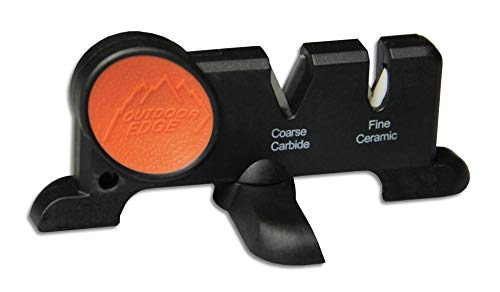
Outdoor Edge Edge-X Pocket Sized 2-Stage Sharpener
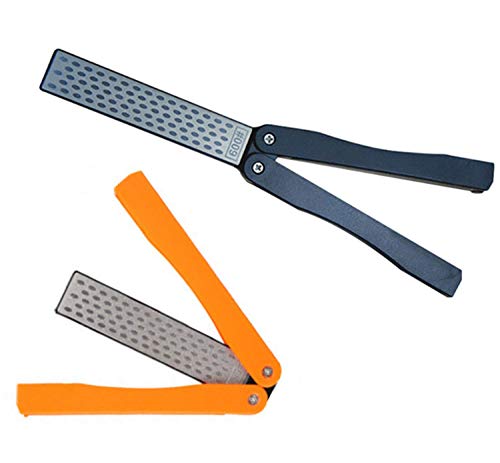
XILEWHZF 400/600 Grit Portable Diamond Sharpening Stone 2 Pcs

AccuSharp Pocket Stone Sharpener with Pouch, Diamond

AccuSharp Pocket Stone Sharpener with Pouch, Natural

Gatco Edgemate Pocket Knife Sharpener

Taganov 2-Stage Mini Pocket Knife Sharpener
More Details On Our Top Picks
Rolling sharpeners like this suit you when you want control without a steep learning curve. The magnetic angle setup, with 15° and 20° positions, points to a more guided sharpening style than a freehand stone, and that helps with kitchen knives as well as pocket blades.
The diamond disc handles faster metal removal, while the ceramic disc is the calmer finishing step, so the sequence makes sense for dull edges that need both repair and refinement. The leather strop rounds out the kit nicely, though the trade-off is a little more setup than a simple pull-through sharpener.
Strong Points
- Angle guidance helps keep your edge more consistent.
- Diamond and ceramic stages cover both repair and finishing.
- The leather strop adds a polishing step for cleaner edge feel.
- Works across kitchen knives and pocket carry, so you can keep one tool for several blade types.
Things To Consider
- The guided style takes a little more attention than a basic manual sharpener.
- It asks for a steadier hand on the roller path than a clamp system.
- Cleaning abrasive residue matters, especially after restoring a very dull edge.
Feature Rundown
Who It Suits Best
Home cooks and knife hobbyists who want guided sharpening with a cleaner final finish will get the most from this one.
Where A Sibling Pick Shines
Outdoor Edge Edge-X is the easier carry for hikers who want a simpler, pocket-sized field tool.
For a kitchen drawer that needs one tool to handle several jobs, this HOTEC model keeps things fairly straightforward. It combines a three-stage knife path with a separate scissors step, so you can move between cooking gear and household blades without setting up a different device.
The carbide plates are the more aggressive stage, the diamond rods cover a tougher abrasion role, and the ceramic stone gives you the finer finish. That spread gives you flexibility, though the trade-off is the usual one with pull-through tools, less edge nuance than a guided stone system like Bogoni’s rolling sharpener.
What We Like
- Knife and scissors support broadens the tool’s usefulness.
- Three sharpening stages let you move from heavy touch-up to finer finishing.
- The manual format stores easily in a kitchen drawer.
- Simple operation suits everyday maintenance more than detailed blade work.
Room For Improvement
- Pull-through designs usually give you less control over angle than a roller or stone.
- Scissors sharpening is one more step to learn, so the tool asks for a little patience.
- Regular cleaning keeps abrasive buildup from collecting in the slots.
Core Details
Made For
Busy kitchens that want a compact, no-fuss sharpener for knives and scissors fit this model well.
Another Choice May Suit
Bogoni Rolling Knife Sharpener fits better for anyone who wants more edge-angle guidance and a more deliberate finish.
Retractable sharpening rods make sense for compact kits, especially when you want two pieces you can stash separately. The diamond surface points toward quicker edge touch-ups, and the retractable format reduces the chance of the abrasive sitting exposed in a bag or toolbox.
You’ll likely appreciate these more for maintenance than for heavy repair, which is exactly where rods tend to earn their keep. Compared with the HOTEC pull-through model, this pair asks for more manual control but gives you a slimmer carry profile for outdoor or travel use.
Highlights
- Two-piece set gives you a spare or a way to keep one at home and one in a kit.
- Retractable design keeps the rods easier to pack.
- Diamond abrasive suits fast edge touch-ups on the move.
- Good match for outdoor gear and serrated tools that need occasional maintenance.
Softer Spots
- Manual rods depend on your angle control, so they suit steady hands more than rushed touch-ups.
- The format is better for maintenance than for rebuilding very dull edges.
- Repeated carry use means you’ll want to keep the retracting parts clean and dry.
Details At A Glance
The Right Fit
Hikers, campers, and tool-bag carry users who want a slim maintenance rod will get the most from this pair.
Look Elsewhere When
Outdoor Edge Edge-X suits you better when you want a steadier base and a more guided field sharpener.
The folding X-base is the detail that makes this one stand out in a pack or tackle box. It gives the tool a more settled stance than a bare handheld sharpener, which helps when you’re doing field maintenance or touching up kitchen knives away from the counter.
Carbide handles the faster shaping step, ceramic takes over for finer refinement, and that two-stage split keeps the process simple. The honest read is that this style suits people who want quick, repeatable results more than those chasing an ultra-fine, stone-finished edge.
Upsides
- The folding base adds stability during use.
- Two abrasive stages cover rough and finer edge work.
- Pocket-sized form works well in field kits and drawers.
- Useful for both outdoor blades and everyday kitchen knives.
Points To Note
- Carbide can remove metal quickly, so a light touch makes sense.
- The compact format is practical, though it does not feel as controlled as a full bench system.
- Moving parts and abrasive slots need basic cleaning after use.
Quick Facts
Who Should Grab It
Outdoor users who want a compact, steadier sharpener for trips, cabins, and everyday carry fit this model well.
Reach For A Different Pick When
AccuSharp Pocket Stone Sharpener with Pouch suits you better if you prefer a traditional stone feel and slower control.
This pair leans more hands-on than the pull-through tools above, and that’s the point. The 400/600 grit split gives you a coarse side for more aggressive work and a finer side for cleanup, which suits gardeners, home fixers, and knife users who like to feel the edge change under the stone.
The lightweight ABS handle should make grip easier than a bare stone, and the diamond whetstone surface is meant to speed up sharpening compared with older-style stones. The trade-off is that you’re doing more of the work yourself, so it’s better for patient maintenance than quick one-pass touch-ups.
Reasons To Buy
- Two grits let you move from shaping to finishing on one tool.
- Diamond abrasive is suited to durable, practical sharpening sessions.
- ABS handle adds comfort during longer hand sharpening tasks.
- Two pieces make it easier to separate tasks or keep one in a workshop and one at home.
Small Caveats
- Hand sharpening asks for more technique than a guided sharpener.
- The stone format takes a little more time and cleanup.
- Lightweight handles are handy, but they can feel less substantial than heavier blocks.
Feature Snapshot
Best Suited To
Hands-on shoppers who want a portable stone for workshop, garden, or outdoor use will appreciate this one.
Swap It Out When
Bogoni Rolling Knife Sharpener is a better fit for anyone who wants more guidance and less manual angle control.
AccuSharp’s diamond pocket stone feels like the classic answer for anyone who wants a small sharpening companion that travels easily. The 3-inch size keeps it compact, and the pouch matters more than it sounds, because it makes the stone easier to keep separate from loose tools or blade edges in a pack.
This version fits steady maintenance work for straight blades, fish hooks, and camping knives, and that broad use case is part of its appeal. Compared with the rolling Bogoni sharpener, you give up guided angles and get a more traditional, hands-on feel instead.
Positives
- Compact 3-inch form is easy to carry.
- Pouch adds practical storage and keeps grit from rubbing against other gear.
- Diamond surface is suited to routine repair, honing, and touch-up work.
- Works across several blade-related tasks, which makes it handy in mixed kits.
Areas To Watch
- Stone use asks for more technique than a guided sharpener.
- The smaller size can feel slow on very dull blades.
- Keeping the pouch and stone clean helps it stay pleasant to carry.
Core Details
Built With In Mind
Campers, anglers, and anyone who likes a traditional pocket stone with simple storage will get the most from this sharpener.
Where Shoppers Go Wrong
Choose the HOTEC 4-in-1 instead when you want an easier pull-through format for kitchen scissors and fast home use.
This natural version keeps the same compact pocket-stone idea, but the finish and feel may matter more to people who like a more traditional sharpening experience. In most workshop or camping setups, that slower, tactile approach is exactly what you want because it encourages attention to angle and pressure.
It still makes sense for straight blades, hooks, and outdoor gear, though the value here is less about speed and more about control. Compared with the diamond AccuSharp version, this one is the quieter, more old-school choice for people who enjoy stone sharpening as a process.
Best Bits
- Compact pocket-stone format is easy to stash.
- Pouch supports cleaner storage in packs and drawers.
- Natural stone style appeals to users who like a more traditional feel.
- Good for careful maintenance work on straight blades and outdoor tools.
Worth Noting
- Natural-stone sharpening can feel slower than diamond abrasive work.
- The pocket size still favors maintenance over heavy repair.
- Keeping the stone dry and protected helps preserve its surface.
Spec Overview
Who Will Love This
Traditional sharpening fans who want a pocket stone with a more classic feel will appreciate this version.
Where A Sibling Pick Shines
The diamond AccuSharp Pocket Stone Sharpener with Pouch suits you better if faster edge work matters more than a natural-stone feel.
The Gatco Edgemate leans into versatility, and that makes sense for people who keep more than one kind of blade on hand. Tungsten carbide is the faster-working abrasive here, so the tool is aimed at practical sharpening sessions rather than delicate finishing passes.
Because it is shaped for knives, scissors, shears, and tools, it sits comfortably between kitchen use and field use. You may find it especially useful in a garage, garden shed, or hunting pack, where one compact sharpener has to pull more than its own weight.
Bright Spots
- Works across a wide range of tools, which boosts everyday usefulness.
- Tungsten carbide supports quicker metal removal for worn edges.
- Compact build suits travel, field work, and drawer storage.
- Good pick for homes that use scissors and shears as often as knives.
Minor Gripes
- Carbide can feel aggressive on softer touch-up jobs, so lighter passes make sense.
- The format is practical, though it does not offer the finesse of a stone system.
- Tool use can leave residue, so a quick wipe after sharpening helps.
Feature Card
Whose Shelf It Belongs On
Anyone who wants one compact sharpener for mixed household and outdoor gear will get strong mileage from this model.
Skip It When
Bogoni Rolling Knife Sharpener is the better fit for you if edge-angle control matters more than speed and versatility.
Taganov keeps the formula simple, and that often works well for small kits where you just want a compact two-stage tool. The mini format makes it easier to tuck into camping gear, a go-bag, or a kitchen drawer without asking for much space.
Because it’s a basic two-stage sharpener, the appeal is speed and convenience rather than precision tuning. Compared with the feature-heavy Gatco or the more guided Bogoni setup, this one is the plainest fit for quick touch-ups and light maintenance.
Positives
- Mini size is easy to carry and store.
- Two-stage approach keeps sharpening simple.
- Works well for quick upkeep in travel kits and outdoor bags.
- Plain layout makes it easy to understand at a glance.
Trade Offs
- Simple two-stage tools usually give you less refinement than more advanced systems.
- The small body is handy, though it may feel less stable than larger sharpeners.
- Regular cleaning helps keep the compact slots from collecting grit.
Key Specs
Right Fit For
Travelers, campers, and casual home users who want a plain compact sharpener will find this one easy to live with.
Not Your Match When
Outdoor Edge Edge-X is the better option if you want a more stable pocket sharpener with a folding base.
How To Choose The Right Pocket Knife Sharpeners
Start With How You Carry Your Blade
Your carry style should shape the choice before anything else. Pocket carry and camping kits usually do better with small stones, retractable rods, or mini two-stage tools, while kitchen drawers can handle a pull-through unit or a rolling sharpener with more structure.
That matters because compactness and control rarely come in the same package. A pocket stone gives you flexibility, but it asks more skill; a guided sharpener gives you more consistency, but it takes up more room and often needs a steadier surface.
Match the Abrasive To The Job
Diamond abrasive cuts faster and works well on dull edges that need real correction. Ceramic tends to be gentler and better for finishing, while carbide is the aggressive option that suits quick shaping and routine upkeep.
That trade-off is easy to miss, and it’s where many shoppers get frustrated. Fast material removal is handy for a badly tired blade, yet it can feel too eager for light touch-ups, so the best fit depends on how often you sharpen and how much metal you want to remove.
Think About Angle Guidance
Angle control is where guided models earn their keep. A magnetic angle system or a stable folding base can make sharpening feel more repeatable, which helps when you want the same edge on a kitchen knife and a pocket folder.
Freehand stones still have a place, especially for people who like feel and fine control. The catch is that they reward practice, so beginners often do better with a design that helps hold the angle for them.
Choose For Maintenance, Not Rescue Alone
A small sharpener should fit into your routine, not sit in a drawer waiting for a crisis. Regular light touch-ups usually keep a pocket knife in better shape than rare heavy grinding sessions, and that is where many compact tools make the most sense.
For household use, the best pick is often the one you’ll reach for without thinking. In a garage, on a fishing trip, or in a busy kitchen, convenience matters almost as much as the abrasive itself.
Things Worth Knowing First
Hidden Buying Traps
One common mistake is choosing speed before control. Very aggressive carbide tools are useful, but they can remove more metal than you expect, which is a poor fit for fine pocket blades or regular kitchen maintenance.
Another trap is ignoring storage. A pocket stone with a pouch or a retractable rod stays cleaner and travels better, while an exposed abrasive surface can rub against other gear and collect grit.
What The Higher Tier Buys
Higher-tier sharpeners usually spend more on angle guidance, better materials, and extra stages. You are paying for smoother control, more durable parts, and a process that feels less improvised when you use it often.
The upgrade makes sense for people who sharpen several knives, care about edge consistency, or want one tool that handles more than quick rescue work. Casual users can stay simpler, but frequent users usually notice the difference in ease and repeatability.
Frequently Asked Questions
Are pocket knife sharpeners good for kitchen knives too?
Yes, many compact sharpeners can handle kitchen blades as well as pocket carry. The best fit depends on whether you want guided angle control, a pull-through format, or a hand stone.
What grit should you choose first?
A coarser side helps with reshaping a tired edge, while a finer side is better for finishing. A two-stage tool or a dual-sided stone gives you both in one compact package.
Do diamond sharpeners wear out quickly?
Diamond surfaces are chosen for fast cutting and practical upkeep, so they are common in portable sharpeners. They still need care, especially cleaning and dry storage after use.
Are pocket stones hard to use?
They take more hand control than a guided sharpener, so they suit people who enjoy a slower, more tactile routine. Once you get used to the angle, they can feel very natural.
Which style is easiest for beginners?
Pull-through and guided models are usually the easiest starting point. They reduce guesswork and make it simpler to keep a steady edge on a small blade.
Closing Thoughts
You have plenty of good ways to keep a pocket blade working well, and the right choice depends more on your routine than on any flashy feature list. A rolling sharpener suits you when control matters, a pull-through model makes sense for quick kitchen upkeep, and a pocket stone or rod fits a kit that lives on the move. Choose the style that matches how you actually sharpen, then let the edge care become part of the habit.



