Pocket sharpeners earn their keep when you need a touch-up away from the bench. You may be packing a tackle box, heading into a garden shed, or just keeping a kitchen blade ready between deeper sharpenings. The right model depends on edge shape, grit, size, and how much control you want in hand.
Quick Look At The Shortlist

EZE-LAP Diamond Round Sharpener Brass Handle

2 Pack Garden Tool Sharpener 400/600 Grit

Rolling Knife Sharpener Diamond and Ceramic Disc Kit

DMT Dia-Fold Double-Sided Pocket Sharpener FWEF

Smith’s 50364 Pocket Pal X2 Sharpener Outdoors Tool

SHARPAL 178N 3-In-1 Pocket Knife Sharpener
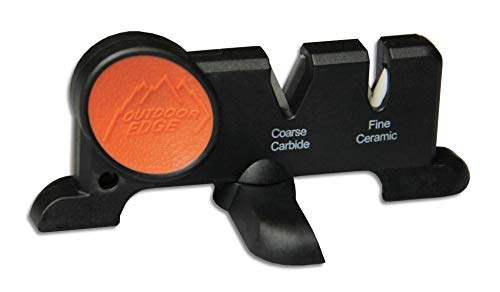
Outdoor Edge Edge-X Pocket Sized 2-Stage Sharpener
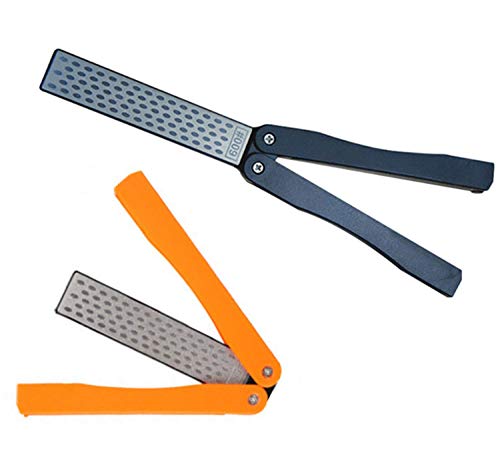
2 Pcs 400/600 Grit Handheld Double-Sided Sharpener

CAMILLUS GLIDE V-Notch Ceramic Carbide Sharpener
More Details On Our Top Picks
A round diamond sharpener makes sense for curved edges, gouges, and other spots where a flat stone feels awkward. The brass handle gives you a more solid grip than many bare-bones pocket tools, and that matters when you want control more than speed.
Compared with the flatter DMT and SHARPAL picks later in the list, this EZE-LAP option is built around shape first. You may find it especially useful in a shop drawer, a tackle box, or a small field kit where compact size still needs a precise touch.
Strong Points
- Round rod shape suits curved blades and concave edges.
- Diamond abrasive works well for fast touch-up work.
- Brass handle adds a steadier hand feel.
- Small size fits easily in a tool roll or kit pocket.
Points To Note
- Round profile is less versatile than flat-sided sharpeners.
- You may want a separate finisher for polished edges.
- The brass handle can feel a bit slick with wet hands.
Feature Snapshot
Who It Suits Best
You get the most from this one if you sharpen curved tools, fishing gear, or compact blades and want a simple hand tool that stays small.
A Better Fit Elsewhere
Outdoor Edge Edge-X fits better for you if you want a pocket sharpener with a more guided feel and a folding base for added steadiness.
Garden tools ask for a different kind of pocket sharpener, because pruners, loppers, and scissors usually need a broader, less delicate touch. The 400/600 grit pairing gives you a coarser side for quicker material removal and a finer side for cleaner refinement, which helps in a weekend shed or greenhouse.
Compared with the EZE-LAP rod, this pair feels more practical for flat edges and everyday outdoor maintenance. The trade-off is simple: it’s less specialized for curved surfaces, but you get a more familiar stone style that many people handle without much fuss.
What We Like
- Two-piece set gives you a spare in the kit.
- Double-sided grit setup covers shaping and finishing.
- Folding format helps protect the working surface in storage.
- Useful for pruning tools, small blades, and camp gear.
Small Caveats
- Flat stone format is less handy on curved blades.
- Diamond surfaces can feel aggressive on thin edges.
- Outdoor use means you’ll want to wipe grit off after use.
Core Details
Who Should Grab It
You’ll like this most if your sharpener needs center on garden maintenance, camp tools, and a simple flat surface you can fold and stash.
Where A Sibling Pick Shines
Smith’s 50364 Pocket Pal X2 is the better match for you if you want a sharper focus on outdoor utility features beyond the stone itself.
Some pocket sharpeners give you a narrow lane, and this one opens that lane a bit with guided angles and two disc materials. Diamond handles faster shaping, while ceramic tends to suit finer edge work, so the kit reads more like a small system than a single stone.
The magnetic 15° and 20° angle setup is the headline for anyone who likes repeatable edge geometry. That kind of guidance matters in a busy kitchen, and it also helps you avoid the guesswork that often comes with freehand pocket tools like the DMT or EZE-LAP picks.
Highlights
- Two disc materials cover coarse and finer edge work.
- Magnetic angle control supports more consistent sharpening.
- Includes a leather strop for edge finishing.
- Works for kitchen knives and compact carry blades.
- Guided setup suits newer sharpeners very well.
Room For Improvement
- More parts mean a slightly less pocket-first feel.
- Guided systems take more setup than a simple rod.
- Not the quickest choice for rough field touch-ups.
Details At A Glance
Whose Shelf It Belongs On
You fit this best if you want a compact kit that feels more guided than a plain stone and you sharpen kitchen knives alongside pocket blades.
A Better Fit Elsewhere
SHARPAL 178N makes more sense if you want a simpler 3-in-1 tool with a smaller footprint and less setup.
The DMT Dia-Fold leans toward finishing work, not heavy reshaping, and that makes its extra-fine and fine surfaces a smart match for people who already have an edge that mostly behaves. In a pocket sharpener roundup, that kind of restraint is useful, because not every blade needs an aggressive grind.
Compared with the rougher 400/600 grit options, this one feels more suited to maintenance between deeper touch-ups. The foldable body also keeps the working surfaces protected in a bag, which matters for tool rolls, glove boxes, and small benches where loose grit is a nuisance.
Upsides
- Extra-fine and fine surfaces support cleaner finishing.
- Foldable format travels well in a pocket or kit.
- Diamond surfaces suit regular edge upkeep.
- Good match for blades that already have a decent shape.
Areas To Watch
- Not the fastest choice for very dull edges.
- Fine grits are less forgiving on damaged blades.
- Folded storage still needs a dry place after use.
Spec Overview
Made For
You get the best fit here if your knives only need regular touch-ups and you prefer a compact folder over a multi-piece system.
Look Elsewhere When
Outdoor Edge Edge-X suits you better if you want a more visible two-stage setup with a folding base for extra stability.
This Smith’s model stands out because it bundles sharpening with outdoors utility, so it does more than just touch up a blade. The coarse and fine slots give you a quick two-step path for shaping and refining, and the preset angles help keep the process consistent without much guesswork.
Compared with the cleaner, single-purpose DMT and EZE-LAP options, this one feels more like a pocket emergency kit. The LED light, fire starter, signal whistle, and compass add usefulness in a pack or glove box, though that extra toolset also makes it less elegant than a plain sharpener.
Best Bits
- Two sharpening slots handle rough work and finishing.
- Preset angles help keep strokes more consistent.
- LED light and rescue tools add real outdoor utility.
- Fits well in camping, hiking, and glove-box kits.
- Yellow body is easy to spot in a crowded bag.
Honest Caveats
- Extra features make it bulkier than simpler pocket stones.
- Outdoor tools can add clutter for kitchen-only use.
- The sharpener portion is only part of the package.
Core Details
The Right Fit
You suit this best if you want one pocket tool that can handle blade upkeep and a few outdoor backup functions.
Another Choice May Suit
DMT Dia-Fold fits better for you if your priority is a more focused sharpening tool with a simpler carry profile.
The SHARPAL 178N keeps things tight and practical, with a 4-inch diamond rod and a compact aluminum handle that should feel familiar in a tool pouch or kitchen drawer. Straight blades and serrated edges both get attention here, and that wider fit makes it useful for everyday carry gear as much as for home prep.
Compared with Smith’s 50364, this one drops the rescue extras and focuses on sharpening first. That’s a cleaner trade, especially for you if you want less bulk and don’t need a whistle, compass, or light taking up space beside the abrasive surface.
Reasons To Buy
- Diamond rod handles straight and serrated edges.
- Compact body slips into a pack or drawer easily.
- Aluminum handle offers a tidy, durable feel.
- Useful for kitchen knives, pocket knives, and hooks.
Minor Gripes
- Rod-style tools still need steady hand control.
- The narrow format is less forgiving on damaged edges.
- Simple design means fewer bells and whistles.
Feature Rundown
Best Suited To
You get the most from this if you want a compact, no-frills sharpener for mixed blade types and everyday carry.
Swap It Out When
Rolling Knife Sharpener Diamond and Ceramic Disc Kit is a better fit for you if guided angles matter more than rod-style simplicity.
The Edge-X is aimed at people who want a small sharpener that feels a little steadier than most pocket models. The folding X-base helps it sit more confidently on a work surface, and the carbide plus ceramic pairing gives you both a rougher stage and a finer one for follow-up work.
Compared with the SHARPAL rod and the DMT folder, this one leans into a more planted sharpening stance. For a cabin, camp table, or kitchen counter, that extra stability can make the difference between a quick touch-up and a fussy session.
Bright Spots
- Two-stage setup covers shaping and refinement.
- Folding X-base adds welcome stability on flat surfaces.
- Small size keeps it friendly for packs and drawers.
- Useful for both outdoor blades and kitchen knives.
Trade Offs
- Base adds bulk compared with the simplest pocket tools.
- Carbide stage can feel assertive on thin edges.
- Works best on a flat, stable surface.
Feature Card
Who Will Love This
You suit this best if you want a pocket-sized sharpener that still gives you a steadier setup than a pure hand rod.
Reach For A Different Pick When
EZE-LAP Diamond Round Sharpener Brass Handle makes more sense for you if curved edges are the main job.
This two-piece set looks aimed at people who want a spare in the drawer, not just a single sharpening tool. The diamond whetstone surface and ABS handle give it a straightforward, practical feel, and the honeycomb-style face is meant to move through garden tools faster than a conventional stone.
Compared with the Honoson two-pack, this set leans harder into material efficiency and grip comfort. That makes it appealing for kitchen, garden, and outdoor jobs where you want an inexpensive, no-nonsense sharpener that can live in more than one place.
Standout Traits
- Two-piece format gives you flexibility across spaces.
- 400/600 grit range suits shaping and finishing.
- ABS handle should feel lighter in daily use.
- Diamond surface helps on garden and kitchen tools.
Honest Caveats
- Handheld format still depends on your stroke control.
- Stone-style tools take a little cleanup after use.
- General-purpose design is less specialized than some niche picks.
Technical Sheet
Built With In Mind
You fit this best if you want a simple two-pack for garden, kitchen, or shed use and you prefer a light handheld shape.
Where A Sibling Pick Shines
Honoson’s 2 Pack Garden Tool Sharpener is the better match if you want a folding pocket design with a stronger garden-first angle.
The CAMILLUS GLIDE brings a V-notch layout to the pocket sharpener space, which makes the sharpening path feel straightforward for many common tool shapes. Ceramic and carbide together give it a practical split between refinement and quicker edge work, and the multi-angle setup broadens how you can approach knives, axes, shears, and hooks.
Compared with the Outdoor Edge Edge-X, this one feels less about a built-in base and more about simple, direct hand use. That can suit a workshop apron, a hunting pack, or a utility drawer where you want one compact tool that covers several blade types without much ceremony.
Positives
- V-notch layout keeps the sharpening motion intuitive.
- Ceramic and carbide support different edge stages.
- Multi-angle design broadens tool compatibility.
- Works across knives, axes, shears, and hooks.
Worth Noting
- V-notch tools can feel limiting on unusual edge shapes.
- Carbide sections may remove material fairly quickly.
- You still need steady hand pressure for clean results.
Core Details
Best Suited To
You’ll like this most if you want a single pocket sharpener for a mixed tool bag and you prefer a guide that feels easy to follow.
Another Choice May Suit
DMT Dia-Fold Double-Sided Pocket Sharpener FWEF fits better for you if your main goal is fine finishing on knives rather than a broader multitool approach.
How To Choose The Right Pocket Sharpeners
Abrasive Type Sets The Pace
Diamond cuts faster, so it suits duller edges, garden tools, and outdoor blades that need a quicker reset. Ceramic and fine diamond surfaces are calmer choices for maintenance work, especially in a kitchen drawer where you only want to tidy an edge.
The trade-off is control versus speed. A faster abrasive removes more material, while a finer surface asks for more strokes but usually leaves a cleaner finish.
Shape Matters More Than You Think
Rod sharpeners help with curved blades and recessed spots, while flat stones work better on straight edges and pruning tools. V-notches and guided angle systems reduce guesswork, which helps you stay consistent without much setup.
You’ll get better results by matching the shape to the blade you carry most. A pocket tool that looks versatile on paper can still feel awkward in hand if the geometry does not suit your gear.
Portability Versus Stability
The smallest sharpeners slip easily into a pouch or glove box, but they usually depend more on your hand control. Folding bases, handles, and guided fixtures add steadiness, though they also add bulk.
For commuting kits, camp bags, and small workshop drawers, that balance matters a lot. A tool that stays put on a table can be easier to trust than a tiny rod that asks for very precise strokes.
Think About Maintenance Too
Diamond surfaces are practical, but they still need wiping and dry storage after use. Folding parts, metal handles, and extra attachments can also collect grime, so a simple cleaning routine helps the tool stay pleasant to use.
Plain, compact models are easier to stash, while multi-function designs ask for a little more attention. That extra care is usually worth it only when the added tools or angle control match your routine.
Things Worth Knowing First
Mistakes Worth Dodging
A common slip is choosing a pocket sharpener that looks versatile but does not suit the edge shape you actually use. Another is picking a coarse tool for every job, which can leave a blade rougher than needed for kitchen work.
Size matters too. Tiny tools travel well, but they can feel fussy in bigger hands or on longer sessions.
The Upgrade Payoff
Higher-tier models usually cost more because they add better angle control, extra abrasive stages, or sturdier folding hardware. That can make a real difference for people who sharpen often, especially when consistency matters more than speed.
The upgrade is worth it when you maintain several blades or use the sharpener in a kitchen, workshop, or hunting kit where repeatable control saves time. A basic pocket stone still makes sense for occasional touch-ups.
Frequently Asked Questions
What makes a pocket sharpener different from a bench stone?
A pocket sharpener is smaller and easier to carry, so it fits tools, packs, and drawers more comfortably. A bench stone usually gives you more surface area and a steadier working base.
Which grit works best for everyday use?
Mid-range grits like 400/600 are a practical starting point for mixed use. Finer surfaces suit upkeep, while coarser ones help when the edge needs more correction.
Are guided sharpeners easier to use?
Guided sharpeners reduce guesswork by steering the blade through a set angle or notch. That can help a lot in a busy kitchen or for someone who does not want to freehand every stroke.
Can you use one sharpener for kitchen and outdoor blades?
Yes, many pocket sharpeners work across both, as long as the blade shape matches the tool. A multi-stage model often fits mixed use better than a single-purpose rod.
How should you store a pocket sharpener?
Keep it dry and wipe away grit after use, especially on diamond surfaces. Folding models and tools with extra parts also do better when stored where they will not rub against other gear.
Closing Thoughts
You do not need a huge sharpening system to keep small blades useful. The best pocket sharpeners in this list cover different jobs, from curved edges and pruning tools to guided kitchen touch-ups and compact outdoor kits. Match the shape, grit, and carry style to the way you actually use knives, shears, or field gear. That simple filter will do more for your day-to-day results than chasing the fanciest setup.