

Power tool battery systems shape how long you can stay on task, how much gear you can carry, and how much hassle you avoid between charges. That matters whether you’re building a garage bench, trimming a yard, or keeping a mixed cordless kit alive for weekend projects. The shortlist below focuses on batteries, mounts, inverters, and power-head options that fit everyday use without leaning on flashy extras. You’ll see where each one fits, where it asks for a trade-off, and who gets the most value from it.
Quick Shortlist for Cordless Power

energup Ryobi 18V Replacement Battery 2-Pack with P117 Charger

SZWJT-LV DeWalt 20V Battery Rack, 4 Slot Black

Futurebatt 8.0 Ah Ryobi 18V Replacement Battery

DEWALT Powerstack 20V MAX Battery Starter Kit DCBP520C
SKIL PWR CORE 40 40V 2.5Ah Lithium Battery BY8705-00

EGO POWER+ Portable Inverter 400W PAD5000
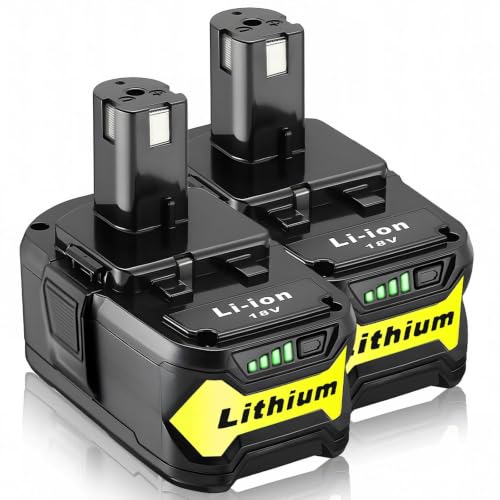
Ultraxxis Ryobi 18V Replacement Battery 2-Pack

EGO POWER+ Cordless Electric Power Head PH1420

ZeroKor Portable Power Station with Foldable 40W Solar Panel
More Details On Our Top Picks
That two-pack format makes sense for anyone keeping a Ryobi ONE+ kit in regular rotation, because you can keep one battery working while the other sits on the charger. The included P117 charger is the part that changes the rhythm, especially in a garage where tools get swapped all afternoon.
Compared with the single-battery options later in this list, this set leans toward convenience more than raw battery size. It suits weekend fixes, trim work, and light shop use, though the real trade-off is that the listing does not promise the broader platform feel you get from a full premium system.
What We Like
- Two batteries reduce downtime during staggered jobs.
- The charger helps keep a small toolkit moving.
- Ryobi ONE+ compatibility suits common cordless home setups.
- Handy for a garage shelf or utility cart.
Points To Note
- The set is aimed at Ryobi users, so it stays narrow in scope.
- You still need to match the pack to your existing tool line.
- Extra battery gear means a little more shelf space to manage.
Feature Rundown
Who It Suits Best
Home fixers with a Ryobi 18V kit will get the most from this set, especially around the house and garage.
A Better Fit Elsewhere
Futurebatt 8.0 Ah Ryobi 18V Replacement Battery suits longer tasks better, especially for anyone who wants more run time from a single pack.
Battery storage matters more than people expect, and this four-slot rack solves the usual garage pileup in a clean, wall-mounted way. Since it’s made for DeWalt 20V packs, it helps you sort the charging clutter from the working tools without taking a whole shelf.
Compared with the battery packs in this roundup, this one is about organization rather than runtime. The honest read is that it suits a workshop, trailer, or utility room far better than a portable jobsite bag, especially when your batteries tend to collect in one place.
Bright Spots
- Four slots help keep batteries visible and grouped.
- Wall mounting clears bench space fast.
- The black finish blends into most shop setups.
Softer Spots
- It only makes sense for DeWalt 20V packs.
- Wall placement asks for a little planning before installation.
- It organizes batteries, but it does not charge them.
Core Details
Made For
Shop tinkerers and garage organizers who keep several DeWalt 20V packs in circulation will get the most out of this rack.
Where A Sibling Pick Shines
energup Ryobi 18V Replacement Battery 2-Pack with P117 Charger suits someone who needs charging gear as part of the setup, not just storage.
An 8.0 Ah pack is the kind of spec that changes how often you interrupt a job, and that makes this Futurebatt option attractive for longer trimming sessions or a full afternoon of cordless work. Ah means amp-hours, which is the basic measure of capacity, so the larger number points to longer run time between charges.
Compared with the two-pack Ryobi set ahead of it, this one leans toward stamina instead of redundancy. You may find it especially useful in a busy home shop where a single pack gets passed from saw to drill to light-duty yard gear.
Upsides
- Large 8.0 Ah capacity supports longer stretches between charges.
- Fits several Ryobi 18V model numbers, which broadens usefulness.
- Works well for repetitive jobs that eat through smaller packs.
- One battery can simplify what you carry to the work area.
Minor Gripes
- A larger pack can feel bulkier on compact tools.
- Compatibility still stays inside the Ryobi 18V family.
- Single-battery ownership means you plan charging around the day.
Details At A Glance
The Right Fit
This suits Ryobi owners who care more about longer stretches of use than about carrying the smallest possible battery.
Another Choice May Suit
SKIL PWR CORE 40 40V 2.5Ah Lithium Battery BY8705-00 is a better match for someone already committed to SKIL’s 40V line.
DEWALT users looking for a more serious 20V pack will notice the Powerstack name right away, and the 5Ah capacity gives the kit a useful middle ground between size and stamina. Ah, again, is amp-hours, so the pack is built around longer practical runtime rather than a tiny footprint.
Compared with the Ryobi replacements earlier in the roundup, this one is about staying inside a higher-end tool family and keeping the pack matched to demanding DEWALT jobs. The trade-off is obvious enough, because it only helps people already invested in that platform, but for those setups it feels well placed.
Reasons To Buy
- 5Ah capacity supports longer tool sessions.
- Powerstack design suits users who want a more advanced 20V pack.
- Rechargeable format keeps it simple for regular tool rotation.
- Works neatly for a main drill or impact driver.
Room For Improvement
- It only makes sense inside the DEWALT 20V ecosystem.
- Higher-capacity packs can add weight to handheld tools.
- Starter-kit framing may matter less than the pack itself for some setups.
Feature Card
Whose Shelf It Belongs On
DEWALT owners who want a reliable, platform-matched battery for everyday tool work will get the most from it.
Skip It When
SKIL PWR CORE 40 40V 2.5Ah Lithium Battery BY8705-00 makes more sense for a shopper already set up around SKIL’s 40V ecosystem.
This SKIL pack keeps the focus narrow, and that can be a virtue for homeowners who already own several 40V tools from the same line. The 2.5Ah rating means it is aimed more at lighter tasks and shorter work sessions than at marathon use.
Compared with the heavier-duty DEWALT and Ryobi capacity plays above it, this one trades brute endurance for a simpler, brand-matched fit. It feels like the sort of battery you keep ready for trimming, edging, and quick seasonal jobs around the house.
Standout Traits
- Designed for all SKIL 40V tools, which keeps compatibility straightforward.
- Smaller capacity suits lighter handheld work.
- The lithium format fits modern cordless routines.
Small Caveats
- Shorter capacity means more frequent charging on larger jobs.
- It is only useful inside the SKIL 40V family.
- Light-duty framing makes it less appealing for long yard sessions.
Key Specs
Best Suited To
SKIL owners who need a straightforward spare battery for general home and yard work will feel right at home with it.
Look Elsewhere When
Futurebatt 8.0 Ah Ryobi 18V Replacement Battery is the better call for someone who values longer runtime over brand-specific 40V alignment.
This is the most different item in the roundup, because it turns a battery platform into usable AC power for small electronics. The 400W continuous output, plus 800W peak output for startup surges, gives you a clear sense of what it can handle without drifting into larger-generator territory.
Pure sine wave output matters for sensitive electronics, since it provides cleaner power than a rougher waveform, and that can make a difference in a tent, on a patio, or during a short outage. The honest trade-off is simple, the battery and charger are not included, so this works best for someone already inside the EGO ecosystem.
Best Bits
- Pure sine wave output suits sensitive devices.
- 400W continuous output covers modest power needs.
- 800W peak power helps with startup draws.
- Compact size makes it easier to store or pack.
Areas To Watch
- Battery and charger are not part of the package.
- Power output stays in a small-device range.
- It is a platform add-on, not a stand-alone source.
Technical Sheet
Who Should Grab It
EGO users who want a compact backup for charging small devices on the go will get the most from this inverter.
Reach For A Different Pick When
ZeroKor Portable Power Station with Foldable 40W Solar Panel is the better fit for someone who wants a more self-contained backup setup.
Ultraxxis follows the same Ryobi lane as the energup set, but here the emphasis sits on having a second two-pack option for people who want backup batteries without changing the tool ecosystem. That matters in a household where one pack lives on the charger while the other handles the current job.
Because the listing focuses on compatibility rather than extras, it suits straightforward tool ownership very well. The trade-off is that you are still staying inside the Ryobi 18V world, so anyone seeking a broader platform reset will want a different route.
Plus Points
- Two-pack format helps keep work moving.
- Ryobi 18V fit keeps it familiar for existing owners.
- Useful for households that split tools across rooms or jobs.
Things To Consider
- Compatibility is limited to Ryobi 18V gear.
- Two batteries still mean you need a storage spot.
- It does not solve charging on its own.
Feature Snapshot
Who Will Love This
Ryobi owners who prefer a simple two-battery setup for daily household tasks and small projects will appreciate it.
Swap It Out When
energup Ryobi 18V Replacement Battery 2-Pack with P117 Charger is the better fit for someone who wants the charger bundled in.
The PH1420 is less about one battery and more about turning the battery platform into the center of a yard-care system. That design makes sense for people who already own EGO attachments, because the power head becomes the shared engine that accepts different tool ends.
Compared with the batteries and inverter earlier in the roundup, this one asks you to think in terms of platform expansion. That can feel like a smarter path than collecting separate tools, although it only pays off when your yard tasks line up with the EGO Multi-Head setup.
Highlights
- Multi-head design supports several yard tasks from one base.
- Helps reduce duplicate tool purchases.
- Good fit for a growing outdoor tool system.
Worth Noting
- It works best only inside the EGO Multi-Head ecosystem.
- You still need compatible attachments to make it useful.
- It is a platform piece, not a complete tool by itself.
Core Details
Built With In Mind
Yard owners who already own or plan to collect EGO attachments will get the most from this power head.
Where A Sibling Pick Shines
EGO POWER+ Portable Inverter 400W PAD5000 is the better match for someone who needs small-device power instead of a yard tool base.
This ZeroKor kit moves beyond the usual battery-pack conversation and heads into portable backup power, with the foldable solar panel adding another layer of usefulness for campsites or outage prep. The 146Wh battery pack gives you a compact reserve, while the AC outlet keeps it flexible for small household electronics.
Compared with the EGO inverter above, this is the more self-contained setup, because the panel and battery are built into the story from the start. You may find it especially practical for car camping or apartment living, though the modest capacity means it stays in the small-device zone.
Standout Traits
- Foldable solar panel adds off-grid charging flexibility.
- 146Wh capacity suits compact backup tasks.
- AC outlet broadens the range of small devices you can support.
- Useful for travel bags, emergency bins, or a camper shelf.
Honest Caveats
- Capacity stays modest, so it fits smaller electronics best.
- The kit takes some storage space because of the panel.
- It is not meant to replace a larger home backup setup.
Quick Facts
Perfect Match For
Campers, apartment dwellers, and anyone building a compact emergency kit will get the most from this power station.
Not Your Match When
EGO POWER+ Portable Inverter 400W PAD5000 suits a shopper who already has the EGO battery ecosystem and only needs a small inverter add-on.
How To Choose The Right Power Tool Battery Systems
Match The Battery To The Tool Line
Compatibility comes first, because the battery shape, voltage family, and connector style decide whether the pack even fits your tool. A Ryobi 18V ONE+ battery belongs in that ecosystem, while a DEWALT 20V pack stays inside its own lane.
That sounds obvious, yet it’s the most common mistake in cordless tool shopping. Check the exact model line before you think about capacity or extras, and you’ll avoid a battery that looks close but sits useless on the shelf.
Capacity Changes How Often You Stop
Amp-hours, or Ah, tell you how much energy the pack stores, so larger numbers usually mean longer runtime. A 2.5Ah pack suits quick trimming or drill work, while an 8.0Ah pack makes more sense for longer sessions in a workshop or yard.
The trade-off is size and weight, since bigger packs can feel heavier on compact tools. For all-day use, that extra heft is often worth it, but for overhead work or lighter handheld tasks, a smaller pack can feel easier to live with.
Think About The Whole System
Some setups include only the battery, while others add a charger, mounting rack, inverter, or a multi-head power base. That difference changes how useful the purchase feels once it lands in your garage, truck, or gear closet.
For a home user with one drill and a compact saw, a simple replacement battery is enough. For someone building a larger cordless setup, a charger bundle or platform tool can save clutter and make the whole kit feel organized.
Pay Attention To Daily Use
Storage, charging routine, and portability matter just as much as raw output. A wall rack helps when your batteries always live in the same workshop, while a portable inverter or power station fits travel and backup needs.
Look at how the item fits your routine, not just the label on the box. The right choice usually feels like part of your workflow from day one, not an extra chore you need to manage.
Things Worth Knowing First
Common Shopping Slip Ups
The easiest mistake is buying into the wrong platform, then discovering the pack will not mate with your tools. Another common miss is underestimating runtime, especially when a light-duty pack gets asked to handle yard work or repeated cuts.
Storage gets overlooked too, and that matters for wall-mounted racks, charger bundles, and solar kits. A compact garage stays neater when you plan the battery home before you order the battery itself.
The Upgrade Payoff
Higher-tier batteries usually cost more because they lean on larger capacity, stronger output, or more advanced pack design. You are paying for longer sessions, steadier power, or a more complete platform fit, not just a fancier label.
That extra spend makes sense for frequent tool use, bigger yards, and job setups where downtime slows everything down. For occasional weekend jobs, a simpler battery or bundle often keeps your kit more practical.
Frequently Asked Questions
What does Ah mean on a power tool battery?
Ah stands for amp-hours, which is a capacity measure. Higher Ah usually means the battery can run longer before it needs charging.
Can you mix battery brands across tool platforms?
Most cordless systems are brand-specific, so mixing usually does not work. The battery and the tool need the same platform and connector design.
Is a bigger battery always better?
Not always, because larger packs often add weight and bulk. A smaller battery can feel better on light tools or overhead work.
What is a pure sine wave inverter?
A pure sine wave inverter produces cleaner AC output for electronics. That matters for small devices that prefer steadier power.
Why would you choose a battery rack instead of another battery?
A rack helps organize packs, clear bench space, and keep a garage tidy. It works best when you already have enough batteries and need a storage plan.
Closing Thoughts
Your best choice depends on the tool ecosystem you already own and the way you work around the house, in the garage, or outdoors. A two-pack with a charger makes sense for busy Ryobi users, while a premium DEWALT or EGO piece suits a more committed cordless setup. Storage and runtime matter just as much as brand fit, and the right balance can make daily jobs feel far less scattered. Pick the option that matches your routine, and the rest tends to fall into place.



