Choosing the right forge comes down to heat control, chamber size, and how much space you can give it in the shop or garage. Some of these picks suit knife making and heat treatment, while others make more sense for melting and casting non-ferrous metals like copper, silver, or aluminum. The right match keeps your workflow smoother and your setup less cramped. The wrong one can feel like a hammer with the wrong balance, serviceable but awkward.
Quick Look At The Shortlist

Simond Store Single Burner Portable Metal Propane Forge
VEVOR Single Horn Anvil 86Lbs Steel Anvil

ATkrou 2 Burner Propane Blacksmith Forge Kit

ATkrou 1 Burner Propane Blacksmith Forge Kit

ATkrou 4 Burner Propane Blacksmith Forge Kit

Nelyrho Complete 3KG Propane Melting Furnace Kit

Nelyrho 25KG Propane Melting Furnace Kit

VEVOR Portable 2 Burner Propane Forge

VEVOR Portable Propane Forge 3 Burners
More Details On Our Top Picks
That 2.75 x 4 x 10 inch internal chamber makes this Simond Store forge feel aimed at compact knife work more than big stock removal sessions. The single-burner layout keeps the setup simpler, and the 2600F rating gives you room for heat treatment, small forged tools, and other bench-size jobs.
You may find it especially handy in a garage where space is tight and gear needs to move out of the way fast. The trade-off is simple, a smaller chamber asks you to work in smaller batches, which suits beginners and casual smiths better than high-volume shop use.
Strong Points
- Compact footprint suits crowded workbenches.
- Single burner keeps setup straightforward.
- 2600F heat range fits knife making tasks.
- Small chamber helps you manage short pieces cleanly.
Room For Improvement
- The small interior limits larger workpieces.
- One-burner heat coverage can feel narrow on bigger stock.
- Storage still needs a dry corner, since coated metal gear lasts longer with basic care.
Feature Snapshot
Who It Suits Best
Beginners building a first knife-making station will get the most from this compact forge.
Where A Sibling Pick Shines
ATkrou 2 Burner Propane Blacksmith Forge Kit suits you better if you want broader heat coverage for longer stock.
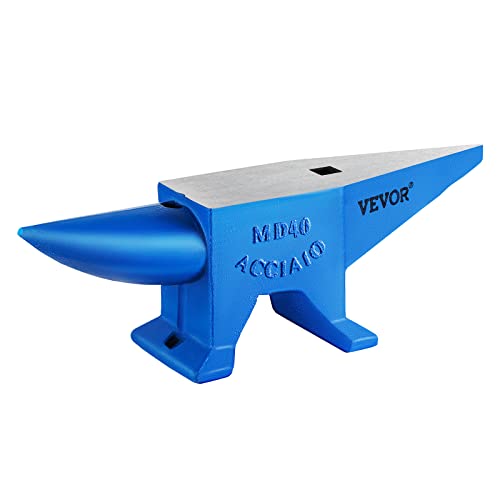
This anvil sits in the lineup as the shaping partner, not the heat source, and that matters for anyone setting up a real forge corner. At 86 pounds, it gives you a steadier striking base than a lightweight hobby block, while the single horn helps with curves, scrolls, and controlled forming.
In a shared garage or small shop, the weight is enough to stay put without feeling impossible to reposition. The honest read is that this is for smithing alongside a forge, not a stand-alone shortcut, so it fits best with people already planning to hammer often.
What We Like
- 86-pound mass helps reduce bounce during strikes.
- Single horn supports bending and forming work.
- Steel construction suits regular blacksmithing sessions.
- Works as a natural companion to propane forge setups.
Softer Spots
- It is not a forge, so you still need a heat source for metalworking.
- The weight is manageable, but not something you’ll want to move often.
Details At A Glance
Made For
Home smiths and jewelry makers who want a solid forming surface will appreciate this more than casual dabblers.
Another Choice May Suit
Simond Store Single Burner Portable Metal Propane Forge suits you better if you need the heat source before you need the anvil.
Two burners change the rhythm here, because heat spread matters once you move past very small stock. The stainless steel body and double-door layout make this a sensible middle ground for smiths who want more working room than the single-burner Simond Store unit without jumping straight into the larger quad-burner class.
For a home shop, that balance often feels right, especially for knife makers, farrier work, and general forging jobs that need even heat. The catch is that the bigger footprint asks for more bench or stand space, so it suits a dedicated corner better than a cramped shelf.
Highlights
- Dual burners help spread heat more evenly.
- Stainless steel construction brings a practical shop finish.
- Double doors support easier workpiece access.
- Good middle ground for mixed blacksmithing tasks.
Points To Note
- Needs more room than a single-burner forge.
- More parts mean a bit more setup attention.
- Regular cleanup helps keep doors and interior surfaces in good shape.
Core Details
Right Fit For
You get the best match here with general blacksmithing and knife-making work in a dedicated home shop.
Swap It Out When
ATkrou 1 Burner Propane Blacksmith Forge Kit suits you better when space matters more than heat spread.
Among the ATkrou options, this single-burner kit is the simplest path into propane forging. The stainless steel build and double doors keep it practical, while the 2600F rating makes it a natural fit for small knife work, light forging, and farrier-related tasks.
You may appreciate the lower-friction setup more than raw throughput, especially in a first shop where every extra burner adds another variable. The trade-off is less heat coverage than the two-burner model, so longer stock will need more patience and repositioning.
Bright Spots
- Single burner keeps the learning curve gentler.
- Stainless steel body fits workshop use well.
- Double doors make stock placement easier.
- Smaller setup suits compact spaces.
Small Caveats
- Heat spread is narrower than the two- and four-burner ATkrou models.
- Longer bars or wider stock may need more turning.
Feature Rundown
The Right Fit
This suits beginners and compact garage shops that want a straightforward first forge.
Reach For A Different Pick When
ATkrou 2 Burner Propane Blacksmith Forge Kit is the better call once you want a broader heated area.
The quad-burner layout pushes this ATkrou model toward heavier shop use, where larger pieces and batch heating matter more than portability. Compared with the one- and two-burner versions, the larger heating setup gives you more coverage for broader stock and longer work sessions.
That extra output makes sense for smiths who already know their way around forge work and want fewer pauses for reheating. The honest trade-off is size, because a four-burner forge usually asks for a stronger stand, more fuel planning, and more room around it.
Best Bits
- Four burners support wider heat coverage.
- Large-capacity layout suits bigger workpieces.
- Stainless steel body keeps the build practical.
- Double doors help with stock handling.
- Good fit for high-output shop routines.
Areas To Watch
- Needs more workspace than smaller ATkrou models.
- Fuel use and setup complexity can feel higher.
- Regular cleaning matters more with a larger chamber.
At A Glance
Whose Shelf It Belongs On
This belongs with experienced smiths who want more forge output for longer sessions.
Where A Sibling Pick Shines
ATkrou 2 Burner Propane Blacksmith Forge Kit makes more sense for smaller garages and lighter duty use.
This Nelyrho kit goes after melting and casting, not traditional knife forging, so it belongs in a different lane from the ATkrou and Simond Store forges. The included crucible, tongs, fire brick, and accessories give you a more complete starter setup for gold, silver, copper, and aluminum work.
For hobbyists setting up a first casting bench, that bundle saves you from piecing together the basics one by one. The trade-off is that the 3KG format is better for smaller pours and learning the process than for heavy shop throughput.
Upsides
- Starter bundle includes the main casting pieces.
- Built for non-ferrous metal projects.
- Good choice for a first melting station.
- Accessory mix makes setup more complete.
Minor Gripes
- Geared toward melting, not broad blacksmith forging.
- 3KG capacity suits smaller batches more naturally.
- Keeping crucible tools clean helps with repeat use.
Quick Facts
Perfect Match For
New casting hobbyists and garage metalworkers starting with small non-ferrous pours will get the most from this kit.
A Better Fit Elsewhere
Nelyrho 25KG Propane Melting Furnace Kit fits you better when your casting sessions move into larger batch territory.
This is the larger Nelyrho melt setup, and the 25KG capacity signals a very different scale from the 3KG kit. You get a burner, graphite crucible, tongs, fire brick, PTFE tape, thumb screw, brass torch, and manual, which makes the package feel ready for a serious bench or small foundry space.
The 135,000 BTU burner and 30 PSI regulator are the details that matter most, because they point to strong, stable heat for non-ferrous metals. In practical terms, that suits scrap recycling and repeated pours better than occasional hobby use, though the size and fuel demand naturally ask for more planning.
Reasons To Buy
- Large 25KG capacity suits bigger melt sessions.
- Complete accessory set reduces piecemeal setup.
- High-output burner supports faster heat-up.
- Good fit for recycling and casting work.
- Manual and hardware package help with assembly.
Worth Noting
- Size makes it less casual than smaller starter kits.
- More output usually means more fuel planning.
- After-use cleaning around the crucible area matters.
Feature Card
Built With In Mind
This suits hobbyists, fabricators, and small workshop users who want larger melting capacity for non-ferrous metals.
Look Elsewhere When
Nelyrho Complete 3KG Propane Melting Furnace Kit makes more sense for lighter, lower-commitment casting work.
VEVOR’s two-burner portable forge lands in a sweet middle lane for knife makers and general blacksmithing work. Compared with the smaller single-burner Simond Store option, it gives you more heating coverage without moving all the way up to the heavier ATkrou four-burner build.
The portable frame makes sense for smiths who work in a garage one day and a different corner the next. The included kit style also helps new setup owners, though any portable forge still rewards careful placement, ventilation planning, and routine cleanup after use.
Plus Points
- Two burners balance heat and manageability.
- Portable design suits changing workspaces.
- Large-capacity format helps with longer stock.
- Good middle step between compact and high-output models.
Areas To Watch
- Needs a bit more room than the most compact forge.
- Portable gear still benefits from stable storage and regular inspection.
Feature Rundown
Who Should Grab It
You get the best fit here if you want one forge that can handle everyday blacksmith tasks and still move around without much drama.
Skip It When
ATkrou 4 Burner Propane Blacksmith Forge Kit makes more sense for larger batches and longer heating sessions.
Three burners give this VEVOR model a clear edge in heat coverage over the two-burner portable version, and the hexagon chamber shape makes it feel built for more serious forging sessions. The cold-rolled steel body is another practical note, since that material is common in shop equipment that needs to handle regular use.
For metal forging work that includes longer bars or broader stock, the extra burner can save time and reduce hot spots. The trade-off is the same one you see in most larger propane forges, because more capacity usually means more room taken up in the shop and more attention to setup.
Standout Traits
- Three burners provide broader working heat.
- Hexagon chamber supports larger forge tasks.
- Cold-rolled steel build suits regular shop handling.
- Good upgrade path from a two-burner unit.
- Portable format still keeps placement flexible.
Honest Caveats
- Needs more space than compact two-burner options.
- Setup and fuel planning can feel more involved.
- Regular ash and scale cleanup helps preserve the chamber.
Technical Sheet
The Right Fit
This suits experienced smiths or committed hobbyists who want stronger heat coverage without moving to a massive stationary forge.
Where A Sibling Pick Shines
VEVOR Portable 2 Burner Propane Forge makes more sense for lighter setups and easier portability.
How To Choose The Right Propane Forges
Start With The Work You Actually Do
Knife making, farrier work, and general blacksmithing do not ask for the same setup as metal melting or casting. A compact single-burner forge like the Simond Store option suits smaller blades and heat treatment, while the Nelyrho furnace kits belong to melting and pouring non-ferrous metals.
That difference matters more than flashy burner counts. Match the tool to the job first, then decide how much capacity you want.
Count Burners Against Your Space
More burners usually mean broader heat coverage, which helps with longer stock and less frequent repositioning. The ATkrou and VEVOR multi-burner models make sense once you need more even heating across wider pieces.
The trade-off shows up in footprint, fuel planning, and setup effort. A single-burner forge stays simpler, and that can feel better in a garage that already holds a vise, grinder, and anvil.
Look Closely At Chamber Shape And Access
Internal shape changes how easy it is to place stock and rotate it under heat. Double doors can make loading less awkward, while a hexagon or wider chamber can help with certain longer pieces.
Think about the kind of projects you handle most often. For small knife work, compact dimensions can be an asset, but large forging sessions reward a roomier interior.
Think About Materials, Maintenance, And Setup
Stainless steel and cold-rolled steel are common choices in this category because they stand up well to workshop handling. Basic upkeep still matters, especially cleaning scale, keeping moving parts clear, and storing gear where moisture won’t linger.
The right pick should fit your routine, not fight it. A portable forge helps when your space changes, while a heavier anvil or larger furnace makes more sense once your shop has a fixed home.
Things Worth Knowing First
Hidden Buying Traps
One common mistake is choosing capacity before choosing use case. A large melting furnace looks impressive, but it will not replace a forge for knife work or farrier tasks.
Another slip-up is overlooking space. A bigger chamber and more burners are helpful only when your stand, ventilation, and workflow can handle them.
The Upgrade Payoff
Higher-tier propane forges usually cost more because you are paying for extra burners, larger chambers, sturdier steel, and fuller accessory packs. Those parts matter in a busy shop where even heat and repeatable setup save time.
That upgrade makes sense for frequent use, bigger stock, or mixed projects that need less compromise. For occasional work, a smaller forge often leaves more money and more bench space in your pocket.
Frequently Asked Questions
What size forge suits a first knife-making setup?
A compact single-burner forge is usually the easiest place to start. It keeps the footprint manageable and the heat zone easier to learn.
Do propane forges work for melting metal too?
Some do, but melting and forging are different jobs. The Nelyrho furnace kits are the better match for casting and melt work, while the ATkrou and VEVOR forges fit blacksmithing tasks.
How many burners do you need?
One burner suits small, simple work. Two or three burners help once you want broader heat coverage for longer stock.
Does a heavier anvil matter as much as the forge?
Yes, because a solid striking surface changes how controlled your hammer work feels. The VEVOR 86-pound anvil is a better companion once you start forging regularly.
Is portability worth prioritizing?
Portable designs help in shared garages and small shops. A fixed setup only makes more sense once your workspace is settled and your projects are larger.
Closing Thoughts
Your best propane forge depends on the work bench you already have, not the most aggressive spec sheet. The Simond Store unit makes sense for compact knife work, the ATkrou lineup covers a clean range from simple to serious, and the Nelyrho kits shift you into melting and casting instead of classic forging. VEVOR’s portable models sit in the middle for shop owners who want flexibility with more heat coverage. Choose the one that fits your projects, your space, and the pace you actually keep.