Choosing the right PVC cutter can save you from rough edges, crushed pipe, and a lot of extra cleanup. The picks below cover compact handheld tools, ratcheting cutters, and powered shears, so you can match the tool to the job instead of forcing one cutter to do everything. That matters in a busy workshop, under a sink, or on a jobsite where neat cuts keep the next step moving. You’ll also see where each tool is a strong fit, and where a different style makes more sense.
The Shortlist At A Glance

KNIPEX Tools PVC Pipe Cutter 902540

Rothenberger Rocut TC 42 Professional 52000

Ridgid PTEC 30000 Tubular Tailpiece Extension Cutter Red
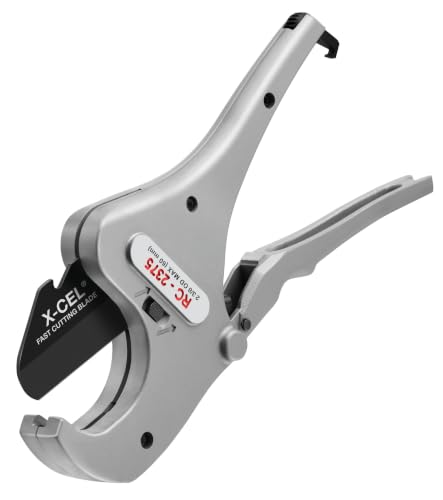
RIDGID RC-2375 Aluminum 2 Ratchet Action Pipe and Tubing Cutter Small

Milwaukee M12 12-Volt Cordless PVC Shear 2470-20

Ronan Multi-Cut Industrial Cutter

DEWALT Impact Connect Pipe Cutter DWAIPCIR

DOMINOX PVC Pipe Cutter 2-1/2 Inch Ratchet Tool

LIBRATON Pex Cutter 1-1/4 Inch Pex Pipe Cutter Tool
More Details On Our Top Picks
The KNIPEX cutter leans toward thicker plastic pipe, especially the 26 to 40 mm range, so it fits more demanding repair work than light trim jobs. The ratchet-style action spreads the cut over several squeezes, which helps when you’re working through dense wall material and want more control than a single-blade shear gives you.
Compared with the more general-purpose picks below, this one feels more focused on pipe size and material density than on all-around versatility. In a cramped utility area, that narrower purpose is a strength, though you’ll want a different tool for tiny tubing or mixed-material tasks.
What We Like
- Handles thicker plastic and composite pipe with more confidence than basic hand shears.
- Ratchet motion lets you work in stages, which can feel steadier on tougher cuts.
- Useful for renovation work where pipe wall thickness matters more than speed.
- Chrome finish and multi-component grip suggest a build meant for repeated use.
Small Caveats
- Its 26 to 40 mm focus makes it less flexible than the broader cutters in this list.
- The multi-stroke action takes more time than a powered option like the Milwaukee M12 shear.
- Cleaning the blade area matters after dirty plumbing work, since plastic shavings can collect there.
Feature Rundown
Who It Suits Best
You’ll get the most from this cutter in repair and remodel work where thick-walled plastic or composite pipe is the main task.
Another Choice May Suit
Rothenberger Rocut TC 42 Professional 52000 suits you better when you want a broader material list and a more all-purpose pipe cutter.
This Rothenberger model reads like the neat-finish option in the group, with a stainless steel V-edge blade and a design aimed at square cuts. That matters in plumbing runs where a crooked end can slow the next connection, and the low-effort cutting action helps when you’re making several cuts in a row.
Unlike the KNIPEX tool, which is more size-focused, this one is broader in material fit and more clearly built for finish quality. You may notice the benefit most in tidy installs, though the wider reach can feel like more tool than you need for the smallest jobs.
Reasons To Buy
- Handles PVC, PP, PE, PEX, PB, and PVDF, so it covers a wide plumbing mix.
- Right-angle cuts help joints line up cleanly in installed runs.
- Low-effort action is easier on your hands during repeated cuts.
- Stainless blade material supports a cleaner, more precise cutting feel.
- Strong choice for people who value control more than raw speed.
Worth Noting
- Its broader feature set can feel like more tool than a basic home trim job needs.
- The sharper focus on square cuts leaves less room for rough, quick snips.
Core Details
Made For
You’ll appreciate this most in plumbing work where straight, repeatable cuts matter and the pipe materials change from project to project.
A Better Fit Elsewhere
Milwaukee M12 12-Volt Cordless PVC Shear 2470-20 suits you better when speed and cordless handling matter more than a manual cutting feel.
This Ridgid is built for thin-wall tubing jobs where cleanup matters just as much as the cut itself. The cutter deburrs as it goes, so you don’t need to stop for a second tool before moving on, which is handy under a sink or in tight cabinet space.
Compared with the Rothenberger, it’s far more specialized and less about general pipe coverage. That narrower purpose is exactly why it works well for tailpiece extension work, though it’s not the tool you’d reach for on thicker pipe.
Positives
- Automatic deburring saves a separate cleanup step.
- Clean, straight cuts suit plumbing trim work.
- Fast handling helps in tight under-sink spaces.
- Designed for PE, PP, and thin-wall PVC tubing.
Areas To Watch
- Its specialty focus makes it less useful for thicker pipe jobs.
- Deburring hardware needs routine cleaning so shavings do not build up.
Details At A Glance
Who Should Grab It
You’ll like this most for sink repairs, tailpiece extensions, and other light plumbing work where a clean edge is the whole point.
Reach For A Different Pick When
KNIPEX Tools PVC Pipe Cutter 902540 is the better fit when your material is thicker and you need a more forceful ratcheting cut.
RIDGID’s RC-2375 stretches into a broad size range, which gives it more reach than the specialty tubing cutters above. The ratchet action helps it work through plastic and multilayer tubing with less hand strain, and that can matter on longer repair days.
It sits closer to the middle of the group than the tiny tailpiece tool, so you get more flexibility without moving into powered territory. The honest read is that it suits general plumbing tasks better than highly specific trim work.
Best Bits
- Fits a wide outside-diameter range from 1/8 inch to 2-3/8 inch.
- Ratchet design helps you keep control on tougher tubing.
- Works on plastic and multilayer tubing, which broadens its use.
- Aluminum body keeps the tool straightforward to carry and store.
Points To Note
- Its broader range does not replace a powered cutter for high-volume work.
- Storage is easier when the blade area stays dry and free of debris.
- Some thin tubing jobs may feel easier with a smaller specialty cutter.
Feature Card
Built With In Mind
You’ll get the most out of this cutter in general plumbing and service work where one tool needs to handle several tubing sizes.
Swap It Out When
Rothenberger Rocut TC 42 Professional 52000 is the cleaner match for you when precise right-angle cuts matter more than broad size coverage.
The Milwaukee M12 shear is the speed pick in this group, and cordless handling changes the feel right away in busy installs. Since it is sold as the bare tool, you need to account for the battery system you already own or plan to build around, which makes it better suited to existing Milwaukee M12 users.
Compared with the manual cutters here, it removes a lot of squeezing and hand fatigue from repetitive work. That said, the trade-off is obvious, you’re stepping into a powered tool that makes the most sense on frequent cuts rather than the occasional trim.
Strong Points
- Cordless setup keeps movement easy around a jobsite or garage.
- Shear format suits repeated cuts better than many manual tools.
- Good fit for installers who make a lot of PVC cuts in a day.
- Part of the M12 platform, so it fits users already invested there.
Room For Improvement
- Battery and charger are separate, so planning around the system matters.
- Power-tool storage and charging take more organization than a hand cutter.
- Best value shows up most clearly in frequent-use settings.
Technical Sheet
Perfect Match For
You’ll like this best if you already work with M12 tools and want a faster way to handle repetitive PVC cuts.
Look Elsewhere When
LIBRATON Pex Cutter 1-1/4 Inch Pex Pipe Cutter Tool suits you better for light home plumbing where a simple manual cutter is enough.
The Ronan Multi-Cut looks different from the pipe-first tools above because it’s built for a wider range of materials, not only PVC. Its blade-to-anvil action and offset pivot point are meant to increase cutting leverage, which helps in thick vinyl, rubber, leather, wood, and other dense materials.
That broad reach is handy for contractors, hobby work, and garage tasks where one tool needs to move between materials. The catch is that a mixed-use cutter can feel less specialized than the Rothenberger or Ridgid options when you want a very pipe-specific result.
Plus Points
- Handles plastic, rubber, wood, leather, vinyl, and similar materials.
- Offset pivot design helps give more cutting leverage.
- Replaceable blades extend the practical life of the tool.
- Safety lock adds a useful storage touch.
- Three extra blades included, which is helpful for frequent use.
Minor Gripes
- Its broad purpose means it is not as pipe-specialized as some rivals.
- Mixed-material tools usually need more attention to blade wear and cleanup.
Core Details
Whose Shelf It Belongs On
You’ll get the most value from this cutter if your jobs shift between pipe, hose, and assorted shop materials.
Skip It When
DEWALT Impact Connect Pipe Cutter DWAIPCIR is the sharper fit for you when your work is mainly PVC and you already use an impact driver.
This DEWALT attachment stands apart because it turns an impact driver into a pipe-cutting setup, which changes the workflow for faster installs. The diamond-grit cutting wheel is the notable part here, since that style is aimed at controlled material removal rather than a traditional hand-crush cut.
Compared with the Milwaukee shear, this is less about a self-contained power tool and more about expanding gear you already own. In a service van or jobsite kit, that can be a neat fit, though it only makes sense for people who want the driver-based format.
Bright Spots
- Lets an impact driver handle PVC cutting tasks.
- Diamond-grit wheel suits a controlled cutting approach.
- Good match for users who already carry DEWALT gear.
- Compact attachment style can help save bag space.
Softer Spots
- Needs a compatible impact driver, so the total setup is bigger than a standalone cutter.
- Attachment tools are best for people comfortable with powered accessories.
- Wheel care matters, especially after gritty jobsite use.
Quick Facts
The Right Fit
You’ll like this most if your tool kit already centers on an impact driver and you want a pipe cutter that travels light.
Where A Sibling Pick Shines
RIDGID RC-2375 Aluminum 2 Ratchet Action Pipe and Tubing Cutter Small suits you better when you want a manual tool that needs no driver at all.
The DOMINOX cutter leans into breadth, with a claimed capacity up to 2-1/2 inches and a ratchet mechanism that helps keep cutting effort manageable. The aluminum alloy body and SK5 blade combination makes it feel like the practical, no-frills option for people who need one hand tool for several pipe and hose jobs.
Against the more specialized cutters in this roundup, it gives you more size room without asking you to jump to a powered setup. The trade-off is that broad capacity can be useful on paper but still depends on the material thickness and how tidy you want the final edge.
Highlights
- Large claimed cutting capacity broadens the kinds of plumbing tasks it can handle.
- Ratchet action helps reduce hand strain on longer cuts.
- SK5 blade material points to a sharper cutting edge.
- Aluminum alloy body keeps the tool straightforward and durable-feeling.
- Good practical fit for home plumbing and general repair use.
Things To Consider
- Wide capacity does not replace the feel of a specialty cutter on fine work.
- Blade maintenance matters, especially with repeated use on mixed plastics.
- The broad label can hide the fact that some jobs still need a smaller, more exact tool.
Feature Rundown
Best Suited To
You’ll get the most out of this cutter in home repair setups that need one tool for several plastic pipe types and sizes.
Not Your Match When
Ridgid PTEC 30000 Tubular Tailpiece Extension Cutter Red is the better fit for you when thin-wall tubing and automatic deburring matter more than capacity.
The LIBRATON cutter keeps things straightforward, with an aluminum alloy body and an SK4 blade that aims for a sharp, durable cutting feel. Its range up to 1-1/4 inch makes it a sensible fit for home plumbing, especially where PEX, thin PVC, PPR, or similar plastic tubing show up in the same project.
It doesn’t try to be a universal monster tool, and that restraint helps. For small plumbing tasks, that’s often enough, while larger remodel work may push you toward the broader-capacity cutters in this list.
Standout Traits
- Compact size suits handheld plumbing work.
- SK4 blade material suggests a sharper edge for repeated cuts.
- Works across several plastic tubing types.
- Good match for homeowners and handymen who want a simple cutter.
Honest Caveats
- Its 1-1/4 inch range is narrower than the broader cutters above.
- Thin PVC and similar light materials fit better than thick pipe walls.
- Blade care and clean storage help it stay ready for the next job.
Spec Overview
Who Will Love This
You’ll like this most for small plumbing fixes, light PEX work, and quick cuts in tighter spaces around the house.
A Better Fit Elsewhere
DOMINOX PVC Pipe Cutter 2-1/2 Inch Ratchet Tool suits you better when you need a larger capacity and a broader reach across pipe sizes.
How To Choose The Right Pvc Cutters
Match The Tool To The Pipe
Pipe diameter matters first, because a cutter that suits 1-1/4 inch tubing can feel cramped on thicker lines. Ratchet cutters help when the material is dense, while shear-style tools make sense for repeated cuts and cleaner workflow.
You also want to think about material, not just size. PVC, CPVC, PEX, PE, PP, and multilayer tubing all behave a little differently, so the right tool starts with the pipe you actually handle most often.
Think About The Worksite
A tight cabinet under a sink calls for a smaller head and simple hand motion. Open jobsite work gives you room for longer handles, cordless power, or attachment-based tools like the DEWALT setup.
Storage matters too. A compact manual cutter slips into a tool bag easily, while a powered shear or accessory system needs more planning for batteries, charging, and blade care.
Look At The Edge You Want
Some jobs need a clean, square end more than raw speed. That’s where tools like the Rothenberger or Ridgid tailpiece cutter make sense, because a neat finish can reduce hassle during fitting and assembly.
Mixed-material cutters such as the Ronan appeal when your work jumps from pipe to hose to craft material. The trade-off is less specialization, so the finish may not feel as tailored as a pipe-only cutter.
Choose By Frequency Of Use
Occasional home repairs do fine with a manual ratchet cutter. Frequent installs or long repair runs start to favor cordless or impact-driven options, since your hand stays fresher and the pace stays steadier.
That’s the point where paying more can make sense. You’re not just buying a cutter, you’re buying less effort across the whole job.
Before You Click Amazon
Wrong Turns To Avoid
Shoppers often focus on the largest size number and forget about material fit. A broad capacity sounds helpful, but a cutter still needs to suit the wall thickness and pipe type you use most.
Another common miss is ignoring cleanup. Deburring, blade wiping, and dry storage sound small, yet they do a lot for long-term usability.
Why Top Tier Costs More
Higher-tier cutters usually pay for better blade materials, smoother ratchets, or powered convenience. Those upgrades matter most on repetitive work, where a cheaper tool can slow you down or leave more cleanup behind.
You also tend to get more focused design work. A premium manual cutter or a powered shear often feels more purpose-built than a basic all-purpose option.
Frequently Asked Questions
What size PVC cutter fits most home jobs?
A cutter in the 1-1/4 inch to 2-1/2 inch range covers many common home plumbing tasks. Smaller trim jobs can still call for a more compact tool.
Do ratchet cutters work better than standard hand cutters?
Ratchet cutters usually help when the pipe wall is thicker or your hand strength is limited. Standard cutters can feel faster on light tubing, but they depend more on hand pressure.
Is a powered PVC shear worth it?
A powered shear makes the most sense for frequent cuts and larger projects. For occasional repairs, a manual cutter is usually the simpler choice.
Can one cutter handle PVC and PEX?
Some cutters cover both, but not all do it equally well. Check the listed materials carefully, because thin PVC and PEX often fit different tool styles better.
How do you keep a PVC cutter in good shape?
Wipe the blade after use and clear out plastic shavings from the cutting path. Dry storage helps prevent grime build-up and keeps the action smoother.
Closing Thoughts
You can narrow this category fast once you match the cutter to the kind of pipe work you do most. For thick plastic pipe, the KNIPEX and Rothenberger stand out for different reasons, while the Ridgid tailpiece cutter is far more specialized for small, tidy plumbing tasks. If your projects are frequent, the Milwaukee or DEWALT options can save effort in ways a manual tool cannot. For simple home repairs, a compact ratchet cutter is often all you need, and that keeps the choice pleasantly straightforward.