Rust shows up in more places than just old tools in the shed. You might be handling boat hardware, battery terminals, chassis panels, bathroom stains, or steel parts that need a cleaner surface before paint goes on. This roundup keeps the focus on real use, so you can match the product to the mess instead of guessing from a label. Some picks remove buildup, some convert rust, and some leave behind a protective layer for later.
Quick Look At The Shortlist

STAR BRITE Instant Hull Cleaner Gel Spray 32 Oz
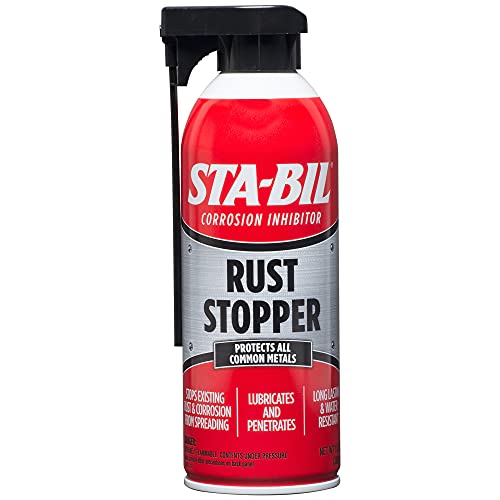
STA-BIL Rust Stopper Anti-Corrosion Spray 13 Oz

CorrosionX Heavy Duty Anti Rust Spray 12oz Aerosol

Meguiar’s G250524 Ultimate Iron Remover

Eastwood Internal Frame Coating Aerosol 14 Oz Black

Rust-Oleum 7830730 Stops Rust Rust Reformer Formula 8 oz Black

CLR Brands Calcium, Lime & Rust Remover Free & Clear 26 Oz
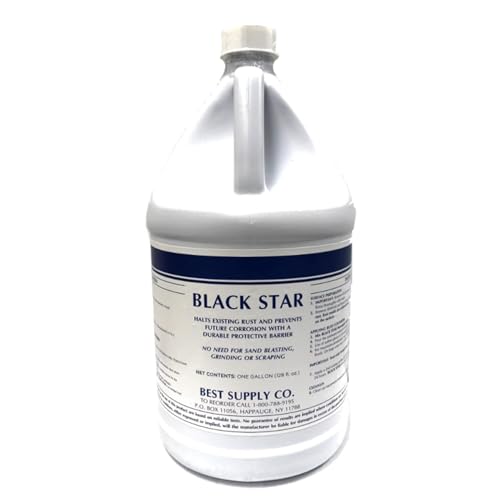
BLACK STAR MRO Chem Rust Converter 1 Gallon

CLR Brands Calcium, Lime & Rust Remover with Cling 22 oz Spray Bottle
More Details On Our Top Picks
Boat owners dealing with waterline stains usually want something that stays put, and this gel spray format is built for that kind of job. It works on fiberglass, plastic, and painted surfaces, so you can use it across the hull without juggling different cleaners.
The trade-off is simple, it’s aimed at marine cleanup, not general rust conversion. You’ll get more value from it on scum lines and grime than on workshop metal, and that makes it a smart match for dockside maintenance.
Strong Points
- Gel texture helps it cling instead of running off curved hull surfaces.
- Useful on fiberglass, plastic, and painted areas, which broadens where you can use it.
- Well suited to routine cleaning on boats that spend time in saltwater or marinas.
- The 32 oz size gives you room for repeated hull touchups.
Things To Consider
- It’s more of a marine surface cleaner than a true rust converter.
- The gel style can take a little more rinsing and wipe-down effort after use.
- You may find it overfocused on boat care for household metal jobs.
Feature Snapshot
Whose Shelf It Belongs On
Dockside owners, weekend boaters, and anyone cleaning scum lines on finished marine surfaces will get the most from it.
Where A Sibling Pick Shines
STA-BIL Rust Stopper is a better match for car parts and battery terminals, where corrosion control matters more than hull stain removal.
This one sits closer to a corrosion-protection spray than a cleanup-only product, which helps in garages and driveways where bare metal keeps getting exposed. It also gets mentioned for battery terminals, so it fits vehicles, bikes, boats, and RVs that need a protective layer on contact points.
The water-resistant formula and lubrication angle matter in daily use, especially around parts that squeak or stick after weather exposure. The honest read is that it’s strongest as part of routine upkeep, not as a dramatic fixer for badly neglected metal.
What We Like
- Helps protect exposed and painted metal from corrosion buildup.
- Battery terminal use adds value for vehicle maintenance.
- Water resistance makes sense for damp sheds, garages, and outdoor storage.
- Lubricating behavior can help with squeaks and sticky hardware.
- Works across cars, bikes, boats, and RVs, so it fits mixed-use toolkits.
Worth Noting
- It’s better for prevention and light rust control than for heavy surface restoration.
- Like most sprays in this role, it needs careful application around nearby parts.
- Owners who store gear for long stretches may still need periodic reapplication.
Core Details
Who It Suits Best
You’ll get the most from this around everyday vehicle maintenance, especially where terminals and exposed metal need ongoing protection.
A Better Fit Elsewhere
CorrosionX Heavy Duty Anti Rust Spray is the stronger match for harsh outdoor exposure and heavy-duty connectors.
Harsh weather is where this spray starts to make sense, especially on trailers, dockside hardware, barn doors, and equipment that gets soaked, washed, and handled often. The self-healing barrier and drip-resistant behavior point to a product meant to stay on the job instead of drying into a brittle shell.
You’ll notice the difference from STA-BIL Rust Stopper most on larger connectors and rugged surfaces, where a thicker protective layer has real value. One thing worth considering, though, is that a heavy-duty formula can feel like overkill for a simple household touchup.
Highlights
- Designed to hold up in rain, seawater, and pressure washing.
- Flexible barrier resists cracking, which helps on equipment that shifts or vibrates.
- Useful on larger battery posts and grounding lugs.
- Long service window makes it a strong fit for equipment that sits outdoors.
- Polar bonding is aimed at hidden corrosion in spots you can’t easily inspect.
Small Caveats
- Its strength is protection, so it is not the best match for cosmetic cleanup.
- The thicker formula may feel too specialized for light garage maintenance.
- Surface prep still matters, especially around grease and loose debris.
At A Glance
The Right Fit
Owners of boats, tractors, shop equipment, and outdoor power gear will appreciate the way it leans into long-term corrosion control.
Look Elsewhere When
Meguiar’s G250524 Ultimate Iron Remover makes more sense for painted bodywork that needs bonded iron removal before detailing.
This pick fits the paint-care side of the category, where bonded iron matters more than orange rust on a wrench. Detailers often look for that middle ground between cleaning and prep, and this product lines up with that need on exterior surfaces.
Compared with CorrosionX, it feels much more focused on surface cleanup than protection, which is a useful distinction. For a weekend car wash routine, that focus can be a plus, since you’re not paying for heavy industrial behavior you won’t use.
Upsides
- Targets iron contamination that sits on exterior finishes.
- Useful for paint prep before polishing, sealing, or other cosmetic work.
- More specialized than general rust sprays, which helps in detailing workflows.
- Compact form keeps it easy to store in a car-care cabinet.
Areas To Watch
- It is narrower in purpose than protective sprays like STA-BIL or CorrosionX.
- Paint-care users will still need separate products for true rust prevention.
- The smaller format may feel limited for large restoration jobs.
Feature Rundown
Who Will Love This
You’ll get the most value from it in a detailing setup, especially around cars that need cleaner paint before correction work.
Consider Something Else When
Rust-Oleum 7830730 Stops Rust Rust Reformer Formula is the better call for a small rusty metal patch you want to paint afterward.
Frame rails, bolt holes, and hollow sections are where rust likes to hide, and this aerosol is built for those awkward spaces. The extension tube matters here, because it lets you reach inside chassis openings instead of spraying the outside and hoping for the best.
Compared with Rust-Oleum’s reformer, this is more about internal coverage and less about quick visible patch work. The honest read is that it makes the most sense for vehicle owners who are comfortable with a more deliberate application process.
Best Bits
- The extension tube helps you reach frame cavities and bolt holes.
- Good fit for hidden areas where rust tends to start out of sight.
- Black finish works well for internal chassis sections.
- Useful for restoration work where thorough coverage matters more than speed.
Points To Note
- Application takes more care than a simple surface spray.
- Ventilation and protective gear are part of the job, so setup matters.
- It is focused on frame interiors, not general household rust cleanup.
- Owners working in tight garages may find the process a little fussy.
Details At A Glance
Perfect Match For
You’ll appreciate this most if you’re restoring a truck, SUV, or classic vehicle with boxed frames and hidden corrosion spots.
Skip It When
STA-BIL Rust Stopper is a simpler match for exposed terminals and everyday corrosion control around vehicles or bikes.
This reformer earns its place by turning rust into a surface that’s ready for paint, which is handy on fences, brackets, and small repair spots. It sits between cleaner and coating, so you’re dealing with a conversion step rather than stripping metal bare.
That makes it a practical choice for DIY fixes around the house or garage, especially where you want a neater finish without a full restoration process. The trade-off is that the 8 oz can is better for small jobs than big metal projects.
Reasons To Buy
- Converts rust into a paintable surface, which simplifies finishing work.
- Black color helps it blend on many repair areas.
- Small can size suits spot repairs and one-off fixes.
- Works well as part of a simple prep-and-paint routine.
Room For Improvement
- Small capacity limits it on larger panels or repeated projects.
- It is geared toward conversion, not heavy corrosion cleanup.
- Brush or spray prep still matters for a tidy finish.
Quick Facts
Built With In Mind
You’ll like this most for small-scale DIY repair work where a compact can is enough to handle the job.
Another Choice May Suit
BLACK STAR MRO Chem Rust Converter is a better fit for large steel surfaces and shop-scale coverage.
This one lives in the bathroom and kitchen end of the category, not the garage. The dye-free and fragrance-free formula suits people who prefer a cleaner-feeling product for sinks, tile, and hard water spots.
Because it’s built as a gentle descaler as well as a rust remover, it’s useful for routine cleanup on fixtures and surfaces that pick up mineral buildup. You may find it more versatile than a single-purpose rust spray, though it won’t replace a heavy-duty converter on steel.
Positives
- Works on calcium, lime, and rust, so it covers multiple bathroom messes.
- Free and clear formula avoids dyes and fragrances.
- Handy for sinks, tubs, shower walls, and other finished surfaces.
- Useful for regular household maintenance, not just occasional deep cleaning.
Softer Spots
- It belongs more in cleaning routines than rust conversion jobs.
- Large-scale metal restoration calls for a different kind of spray.
- Bathroom users will still need some wipe-down effort on textured surfaces.
Technical Sheet
Made For
You’ll get the most value from it in bathrooms, laundry rooms, and kitchens where hard-water residue keeps coming back.
Where Another Pick Suits Better
Rust-Oleum 7830730 Stops Rust Rust Reformer Formula is the better fit for rusty metal that needs a paintable finish.
The gallon size tells you exactly where this belongs, on larger steel projects that need broad coverage. Shop benches, gates, trailers, and fleet parts are a better match here than quick touchups on a single bracket.
Compared with Rust-Oleum’s small reformer, this is the bulk-use choice for bigger jobs and repeated application. The flip side is storage and handling, because a gallon container asks for more space and a more deliberate workflow.
Bright Spots
- Large gallon format suits big steel surfaces and multi-part projects.
- Built to convert rust on steel rather than just cover it.
- Helpful in workshops, farms, and fleet maintenance settings.
- Lets you cover more ground before needing another container.
Minor Gripes
- The size can be awkward for small home repairs.
- Storage takes more room than compact aerosol cans.
- It is most sensible where you have a lot of steel to treat.
Feature Card
Who Should Grab It
You’ll appreciate this most in a shop, barn, or service setting where large steel surfaces need repeated treatment.
Swap It Out When
CLR Brands Calcium, Lime & Rust Remover with Cling is the easier pick for vertical bathroom surfaces and lighter household staining.
This spray is built for awkward spots, and the cling factor is the reason it stands out. On vertical tile, shower edges, and other hard-to-reach surfaces, staying put matters as much as cleaning power.
Compared with the free-and-clear CLR bottle above, this one leans into reach and hang time rather than a simpler formula profile. For a bathroom where stains sit high or in narrow corners, that difference is easy to appreciate.
Standout Traits
- Clingy spray helps it stay on vertical and awkward surfaces.
- Targets calcium, lime, and rust in one household cleaner.
- Handy for bathrooms with built-up deposits and narrow edges.
- Spray bottle format makes directed application easy.
Honest Caveats
- It is still a cleaning product, not a rust converter for steel work.
- Textured grout and rough fixtures may still need extra wiping.
- Household-focused use means workshop users will need a separate option.
Core Details
Built With In Mind
You’ll get the most from this in bathrooms and other tight spots where a spray that clings beats a runny cleaner.
A Better Fit Elsewhere
Eastwood Internal Frame Coating Aerosol is the better choice for hidden chassis rust and automotive cavity work.
How To Choose The Right Rust Remover Sprays
Match The Formula To The Job
Rust remover sprays split into a few clear jobs, and that matters more than the brand name on the can. Some products convert rust into a paintable layer, while others prevent new corrosion or clean mineral stains from fixtures and bathroom surfaces.
The right choice depends on where the problem lives. For painted body panels, you want a cleaner or iron remover that respects the finish, while chassis work often calls for a converter or coating that can live on bare steel.
Think About Surface Access
Cling, gel, aerosol, and bottle spray each solve a different reach problem. A clinging spray helps on vertical tiles, a gel holds on hulls, and an extension tube reaches inside frame rails and bolt holes.
That detail sounds small until you’re working in a cramped garage or a boat slip. A product that stays where you put it usually wastes less time and makes cleanup simpler.
Balance Protection And Cleanup
Some sprays are about stripping or dissolving rust, while others leave behind a barrier that helps slow new corrosion. That difference matters because a cleanup-only formula can leave you doing the same job again sooner, while a protectant can keep working after the surface looks finished.
The trade-off is specialization. A tough protective spray may feel too heavy for a bathroom stain, and a household rust remover won’t replace a true underbody coating.
Size And Maintenance Matter Too
Small cans suit spot repairs and tight storage spaces, while gallon containers make sense for large steel projects. You also want to think about upkeep, because some formulas are easier to store between uses and some ask for careful ventilation, masking, or rinsing.
For a weekend mechanic, a compact can is usually enough. For someone maintaining trailers, farm tools, or a frame restoration project, a larger format saves repeated trips back to the shelf.
What To Weigh Before You Choose
Common Shopping Slip Ups
A common mistake is treating every rust remover like the same kind of product. That’s how you end up with a bathroom descaler for a steel frame job, or a paint-prep converter for a shower stain.
Another trap is ignoring access. A product without cling, reach, or an extension tube can be awkward on vertical surfaces and inside cavities.
The Upgrade Payoff
Higher-tier sprays usually spend the extra money on coverage, chemistry, or format. That can mean a thicker protective barrier, a self-healing film, a larger container, or a shape that works better in awkward spaces.
The upgrade tends to make sense for recurring jobs, outdoor gear, and vehicles that live in rough conditions. For small touchups, a simpler spray often makes more sense and leaves less product sitting unused.
Frequently Asked Questions
What’s the difference between a rust remover and a rust converter?
A rust remover lifts or dissolves rust so the surface can be cleaned. A rust converter changes the rust into a more stable layer that can be painted.
Can you use a rust remover spray on bathroom fixtures?
Some household sprays are made for calcium, lime, and rust stains on sinks, tubs, and tile. Harsh metal converters are better kept for steel and automotive work.
Are rust prevention sprays the same as rust removers?
No, they solve different problems. Prevention sprays focus on leaving a protective film, while removers focus on cleaning, converting, or preparing a corroded surface.
Do you need special tools with these sprays?
Often you just need a cloth, gloves, and enough ventilation for the job. Some products also work better with a brush, extension tube, or rinse step.
Which type works best for vehicle restoration?
Converters and frame coatings usually suit restoration work better than household cleaners. For small painted areas, a reformer or iron remover can be the better match.
Final Thoughts
The right rust remover spray depends on the surface in front of you, not the boldest label on the shelf. For boats, STAR BRITE and CorrosionX make sense in different ways, while Rust-Oleum and BLACK STAR cover the metal-prep side of the job. CLR handles household staining without feeling too aggressive. Match the formula to the mess, and you’ll get a cleaner result with less trial and error.