Choosing the right sander saves time, keeps surfaces cleaner, and helps you match the tool to the job instead of forcing the job to fit the tool. You may be sanding trim in a finished room, knocking down old ceiling texture, or shaping wood for a weekend project, and each task asks for a different kind of tool.
This roundup focuses on that difference. You get compact finish sanders, cordless options for moving around the house, a drywall-ready ceiling tool, and heavier machines for more aggressive material removal.
The Shortlist At A Glance

BOSCH GSS20-40 Orbital Finishing Sander 1/4-Sheet

Protmex Drywall Sander, 1000W Popcorn Ceiling Removal Tool

RYOBI ONEAND 18V Cordless 5 in. Random Orbit Sander Tool Only

Makita GV5010 5″ Disc Sander
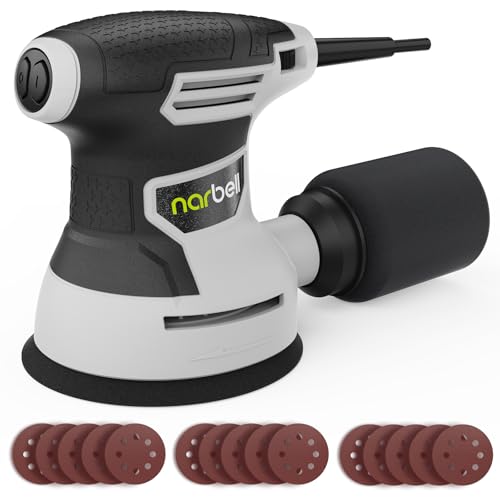
NARBELL Orbital Sander 3.0AMP (360W), 14000RPM Random Orbit Sander
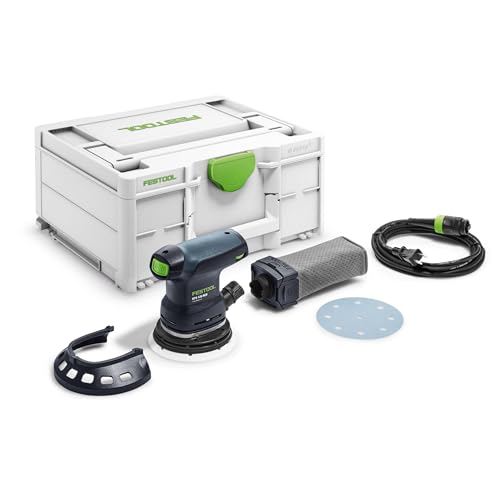
Festool 576070 Random Orbital Sander ETS 125 REQ-Plus

MAXXT Electric 5mm Random Orbital Sander, Brushless 350W 3A Palm Sander
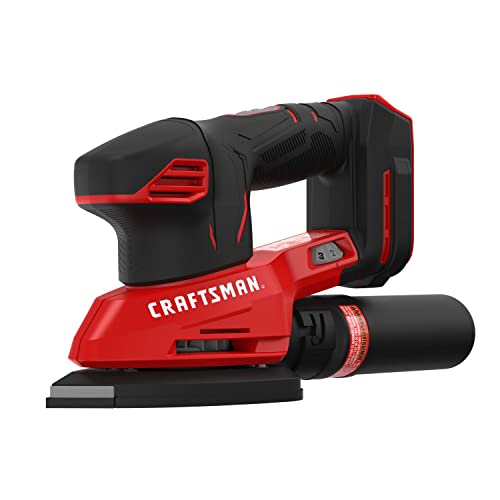
CRAFTSMAN 20V MAX Cordless Detail Sander, Tool Only (CMCW221B)
The BOSCH GSS20-40 sits in that useful middle ground where finish quality matters more than raw aggression. A 1/4-sheet pad keeps it easy to handle for cabinet edges, doors, and painted trim, and the 2 amp motor with 12,000 OPM gives you enough movement for steady smoothing without feeling unruly.
The dust collector helps in a shop or garage where cleanup can otherwise swallow your project time. Compared with the drywall-focused Protmex and the more aggressive Makita disc sander, this one makes more sense for controlled finishing work and for folks who want a straightforward corded tool without extra fuss.
Strong Points
- 1/4-sheet format suits tight finishing tasks.
- 12,000 OPM supports smooth surface prep.
- Dust collection helps reduce cleanup around the workbench.
- Compact size is easier to guide on trim.
Points To Note
- Sheet-style sanding covers less area than larger orbiters.
- Corded use keeps you near an outlet.
- The tool is better for finish work than heavy stock removal.
Feature Snapshot
Who It Suits Best
You get the most from this Bosch if your projects lean toward furniture refreshes, door sanding, and trim prep in a home shop.
Where A Sibling Pick Shines
Makita GV5010 makes more sense for heavier shaping, while this Bosch is the cleaner fit for controlled finishing passes.
Ceiling texture work is a different kind of sanding, and this Protmex is built for that messier job. The foldable and extendable handle helps you reach overhead areas without living on a ladder, while the vacuum dust collection and LED light make sense in dim rooms where visibility and cleanup both matter.
The six speed settings, from 800 to 2200 RPM, give you room to slow down on delicate areas and speed up where surface stripping is needed. Compared with the Bosch and the Makita, this one is much more specialized, so it suits renovation work better than everyday woodworking touch-ups.
Reasons To Buy
- Built for drywall and ceiling prep.
- Extendable handle helps with overhead reach.
- Vacuum pickup keeps dust more contained.
- LED light helps in dim spaces.
- Variable speed range gives you better control across surfaces.
Small Caveats
- Specialized design makes it less useful for fine furniture work.
- Large tools take more storage space than hand sanders.
- Cleaning dust parts after room prep adds one more task.
Details At A Glance
Built With In Mind
You get the most out of this Protmex during ceiling renovation, wall prep, and popcorn texture removal in a house or rental unit.
Another Choice May Suit
Festool 576070 Random Orbital Sander ETS 125 REQ-Plus is a better match for finish carpentry and smaller refinishing jobs.
Cordless sanding makes sense the moment your work moves between rooms, the garage, and the driveway. This RYOBI 18V orbit sander gives you that freedom, but it is sold as a tool only, so you need to already be in the brand’s battery system or be ready to add batteries and a charger separately.
The 5-inch format keeps it versatile for mid-size surfaces, which is a nice middle ground beside the smaller CRAFTSMAN detail sander and the more specialized Bosch. For portable home projects, that flexibility often matters more than chasing a heavier corded machine.
Upsides
- Cordless design makes setup simpler.
- 5-inch pad works for general sanding tasks.
- Light, portable format suits moving around a property.
- Good fit for users already in the battery platform.
Areas To Watch
- Tool-only packaging means you need compatible power gear.
- Battery runtime depends on the pack you use.
- It gives up some continuous run time compared with corded models.
Core Details
Right Fit For
You fit this RYOBI best if you already own compatible 18V batteries and want a mobile sanding tool for quick project movement.
Reach For A Different Pick When
Makita GV5010 works better for tougher removal jobs, while this RYOBI suits lighter sanding and easier handling.
The Makita GV5010 leans toward harder sanding jobs where you want faster surface change rather than delicate finishing. A 5-inch disc format gives you a broader footprint than the BOSCH finish sander, so it makes more sense for material shaping, old finish removal, and other work that asks for a stronger hand.
That extra bite comes with a trade-off, since disc sanders are less forgiving on fine edges and easier to overdo on delicate surfaces. For workshop users handling rough stock or renovation prep, though, the speed and straightforward build are exactly the point.
Best Bits
- Disc format suits more aggressive sanding.
- Broad contact area helps move material faster.
- Simple design is easy to understand at a glance.
- Useful for workshop prep and shaping.
Things To Consider
- Less forgiving on fine trim and edges.
- Heavier sanding action can leave more marks if rushed.
- Better for rough work than final smoothing.
Technical Sheet
Whose Shelf It Belongs On
You benefit most from this Makita if your workbench sees rough boards, prep sanding, and projects that need faster material removal.
Look Elsewhere When
BOSCH GSS20-40 Orbital Finishing Sander 1/4-Sheet is the better match for trim, doors, and smoother final passes.
The NARBELL lands in a practical place for home shops, especially around sanding cabinets, tabletops, and raw lumber. Its 3.0 amp, 360W motor and 14,000 RPM top speed point toward steady corded performance, and the six speed settings give you room to slow things down for more delicate wood surfaces.
The 5-inch pad and dust bag make it feel like a full starter kit rather than a bare tool. Compared with the cordless RYOBI, you give up mobility, but you gain corded consistency and a more complete package for a fixed work area.
Positives
- Six speeds support different sanding stages.
- 14,000 RPM suggests brisk surface smoothing.
- Dust bag helps keep the bench cleaner.
- Kit format is handy for first setup.
- 5-inch pad works well for common wood projects.
Softer Spots
- Corded use keeps you close to power.
- Kit tools usually need a little storage space.
- The dust bag still leaves some cleanup behind.
Feature Rundown
Made For
You fit this NARBELL well if you want an affordable corded orbit sander for furniture touch-ups and general woodworking.
A Better Fit Elsewhere
Festool 576070 Random Orbital Sander ETS 125 REQ-Plus suits you better when surface quality and precision matter more than starter-kit convenience.
Precision work usually asks for a calmer, more controlled sander, and that is the lane this Festool fills. The ETS 125 REQ-Plus format points toward detail sanding rather than rough shaping, so it fits finish carpentry, cabinet touch-ups, and other jobs where the surface needs to stay clean and even.
It sits above the Bosch and NARBELL in refinement, though the trade-off is that you are paying for a tool aimed squarely at careful finishing. For professionals and serious hobbyists who spend a lot of time chasing a clean surface, that focus makes sense.
Highlights
- Designed for fine surface control.
- Detail-sander format suits careful work.
- Good match for cabinet and trim finishing.
- Focused build suits long workshop sessions.
Worth Noting
- Specialized design is less useful for rough removal.
- Better suited to finish work than big-area sanding.
- Premium tools make the most sense for frequent use.
Core Details
Perfect Match For
You suit this Festool best if you care about refined finish quality on cabinetry, trim, and other visible surfaces.
Swap It Out When
Makita GV5010 is the more sensible choice for rough stock removal and less delicate sanding work.
The MAXXT feels built for long sessions in a workshop, especially where you want a corded tool with a bit more control built in. Brushless motors, meaning the motor avoids brush wear parts, often suit people who use tools often, and the 5 mm orbit paired with variable speed gives this sander a useful range for woodworking.
It also comes with a 6-inch sanding pad and ten sanding papers, which makes it easier to get started without hunting for basics right away. Compared with the NARBELL, this one feels more tuned toward a serious bench setup, while still staying simpler than a ceiling tool like the Protmex.
Bright Spots
- Brushless motor suits frequent workshop use.
- 5 mm orbit supports more controlled sanding.
- Variable speed helps match different jobs.
- 6-inch pad gives broader coverage.
- Included papers help you begin a project quickly.
Room For Improvement
- Corded format still limits range from an outlet.
- 6-inch size can feel large for narrow trim.
- Accessory storage adds another small workspace task.
Feature Card
The Right Fit
You fit this MAXXT well if you spend time in a garage shop and want a corded orbit sander that feels geared toward regular woodworking.
Where A Sibling Pick Shines
NARBELL Orbital Sander 3.0AMP (360W), 14000RPM Random Orbit Sander is the easier pick for a simpler starter kit, while this MAXXT leans more serious.
The CRAFTSMAN 20V MAX detail sander is the smallest-minded tool in this roundup, which is exactly why it earns a place. It works well for trim, tight corners, and touch-up tasks where a full-size orbit sander would feel clumsy, and the cordless design helps when outlets are awkwardly placed.
Tool-only packaging keeps it light, though you need the matching battery system to make it useful. Compared with the RYOBI 18V orbit sander, this CRAFTSMAN is the more precise choice, while the Bosch still handles broader finish work better.
Standout Traits
- Compact body reaches corners more easily.
- Cordless layout keeps the work area tidy.
- Good for trim, edges, and detail areas.
- Light footprint suits small project spaces.
Honest Caveats
- Tool only means batteries are separate.
- Small format is not meant for large panels.
- Detail sanders take more passes on broad surfaces.
Quick Facts
Built For In Mind
You get the most from this CRAFTSMAN when your work centers on tight spaces, corners, and light finishing around the house.
Where A Sibling Pick Shines
RYOBI ONEAND 18V Cordless 5 in. Random Orbit Sander Tool Only works better for broader sanding across panels and shelves.
How To Choose The Right Sanders
Match The Sander To The Surface
Pad size and tool type matter more than most people expect. A detail sander fits trim, corners, and touch-up work, a 1/4-sheet finisher handles cabinet edges and smaller flats, and a 5-inch random orbit sander covers everyday wood prep with less effort.
Disc sanders and drywall sanders sit in their own lanes. One is meant for faster material removal, the other for overhead cleanup and wall prep, so using the wrong style usually means more work, not better results.
Think About Power And Portability
Corded sanders suit long shop sessions and jobs where steady power matters. Cordless models make more sense when your work moves from room to room, especially for repairs on ladders, porches, or projects far from an outlet.
Tool-only listings are worth a closer look. They keep the upfront package simpler, but you need compatible batteries and a charger already in hand, so the real cost includes the platform you already own.
Look At Dust Control And Control Feel
Dust collection is not a small extra, it changes how pleasant the job feels. A dust bag or vacuum port helps keep your work visible and cuts down the cleanup that follows sanding, which matters a lot in occupied homes or small shops.
Orbit size, speed control, and handle shape also shape the experience. Smaller orbits and variable speeds help with finish work, while larger pads and stronger motors suit rougher stock or wall prep.
Things Worth Knowing First
Where Shoppers Go Wrong
Many people choose based on power alone and end up with a tool that is too aggressive for trim or too small for wall work. The better move is to start with the surface, then match pad size, orbit style, and dust control to that job.
Another common miss is forgetting accessory and power needs. Tool-only cordless sanders and specialty drywall tools can be excellent, but only when they fit the rest of your setup.
The Upgrade Payoff
Higher-tier sanders usually cost more because the motor feel, vibration control, and finish quality are better thought through. That matters most when you sand often, work on visible surfaces, or want less fatigue during longer projects.
For occasional use, a simpler corded model often makes more sense. For frequent furniture work or careful finishing, the smoother handling and tighter control can feel worth it very quickly.
Frequently Asked Questions
What kind of sander works best for trim?
A detail sander or a 1/4-sheet finishing sander usually fits trim best. Both give you more control near edges and corners than a larger random orbit model.
Do cordless sanders handle serious work?
They can handle plenty of home tasks, especially touch-ups and medium-duty sanding. Corded models still make more sense for long sessions and heavier removal.
Why does dust collection matter so much?
It helps you see the surface better while you work. It also means less cleanup after the sanding is done.
What is the difference between orbit and disc sanders?
Random orbital sanders are usually better for smoother finishes and less visible marks. Disc sanders are more aggressive and fit rougher shaping or faster stock removal.
Should you choose a tool-only cordless sander?
Yes, when you already own the matching battery system. It makes less sense when you would need to build the battery setup from scratch.
Closing Thoughts
Your best sander is the one that matches the surface in front of you, not the one with the most power on the page. For trim and finishing, the Bosch and Festool stand out, while the Makita and Protmex serve much tougher jobs. Cordless convenience belongs to the RYOBI and CRAFTSMAN, and the NARBELL plus MAXXT fill the practical middle ground for workshop use. Choose the tool that fits your space, your project type, and how often you plan to sand, and the rest gets much easier.