Corners ask for patience, not brute force. That’s why this list focuses on detail sanders, contour grips, oscillating tools, and a few smarter accessories that help you reach trim, edges, and cramped spots without chewing up the surrounding surface.
You’ll see clear differences here, from cordless convenience to corded consistency and from full tools to shape-specific sanding parts. For trim work, furniture touchups, model projects, and car detailing, the right pick depends on how tight the space is and how much control you want.
Quick Look At The Shortlist

POWERTEC 21 Profile Sander 10PCs Contour Sanding Grips
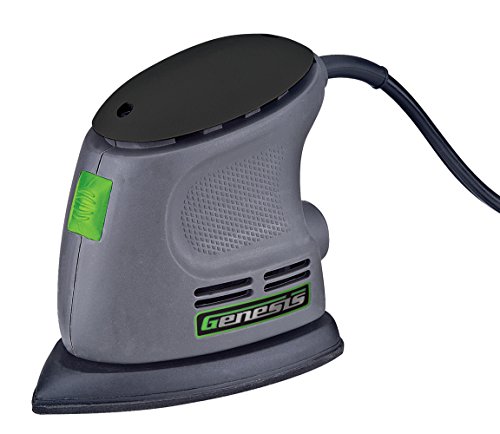
Genesis Detail Palm Sander GPS080

JORGENSEN Oscillating Tool 5° 4 Amp 7 Speed 70800

Niusken Cordless Car Buffer Polisher Kit
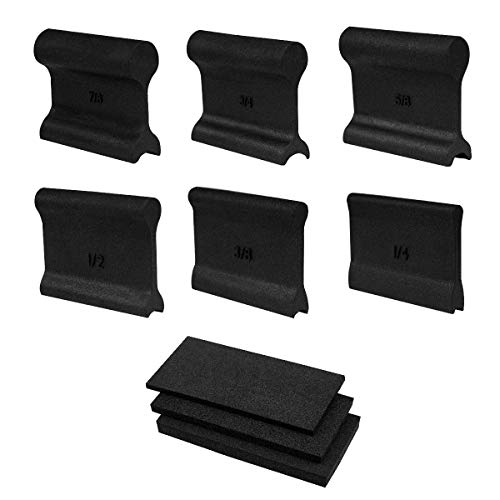
POWERTEC 71441 Flexible Contour Sanding Grips Set
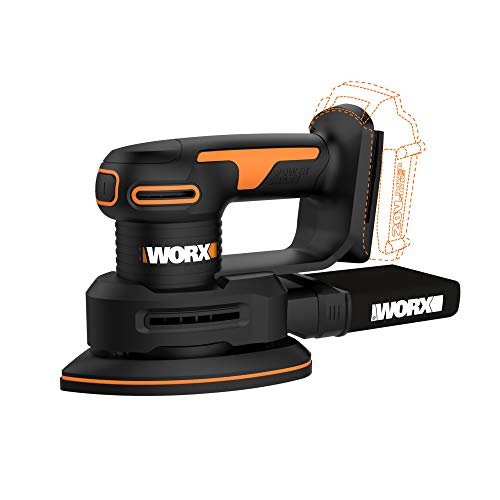
Worx WX822L.9 20V Power Share Cordless Detail Sander

BLACK+DECKER 20V MAX Mouse Sander BDCMS20B

Bucasso Cordless Pen Sander

towbluii 208Pcs Oscillating Tool Sanding Pads Kit
More Details On Our Top Picks
Corner work on trim, furniture edges, and carved profiles calls for a sanding surface that follows the shape instead of flattening it. This POWERTEC set is built around contour grips and angle sanding pads, so you can work convex and concave surfaces with more control than a flat sheet gives you.
That makes it a smart fit for woodworking touchups, auto body spot work, and craft pieces with curves. The honest trade-off is that it’s a manual tool set, so it rewards patience and steady hand pressure rather than speed.
Strong Points
- Contour grips make curved trim easier to manage.
- Angle pads help you stay aligned on profiles.
- Useful for wood trim, small repairs, and craft pieces.
- Manual format gives you precise pressure control.
Things To Consider
- You supply the effort, so larger jobs take longer.
- Best results come from patient, even hand motion.
- Storing the smaller pieces together matters, or the set can feel scattered in a busy shop.
Technical Sheet
Who It Suits Best
You’ll like this most for detailed woodworking, curved trim, and hobby projects that need a lighter touch.
Where A Sibling Pick Shines
POWERTEC 71441 Flexible Contour Sanding Grips Set suits you better for accessory-focused profile sanding, especially when you already have a base workflow and want extra foam support.
The Genesis GPS080 leans into the everyday details that matter during finish prep, especially the palm grip and the vacuum port. A vacuum port is the dust-exit connection, and that matters because sanding dust can obscure your work area fast in a garage or small shop.
Its hook-and-loop system keeps abrasive sheets changing quickly, which is handy during repeat passes on shelves, cabinet parts, or window trim. Compared with the manual POWERTEC set above, this one suits people who want a powered sander with less hand fatigue and a more consistent finish pattern.
What We Like
- Palm grip gives a steadier hold for small flat areas.
- Vacuum port supports cleaner work sessions.
- Hook-and-loop attachment makes sheet swaps straightforward.
- Dust-proof switch is a sensible touch for shop use.
Worth Noting
- Detail palm sanders still work best on smaller surfaces, not broad panels.
- You’ll want compatible dust collection gear to get the most from the vacuum port.
- Sheet changes are quick, but keeping spare abrasives on hand helps avoid interruptions.
Feature Snapshot
Built With In Mind
This fits home improvers who want a compact powered sander for trim, shelves, and other small woodworking tasks.
Another Choice May Suit
BLACK+DECKER 20V MAX Mouse Sander BDCMS20B is the better fit for commuters between rooms and tighter corners, since its mouse shape is easier to steer in narrow spots.
Once the job spreads beyond simple sanding, an oscillating tool starts making more sense, and this JORGENSEN model has the range to cover that shift. A 5° oscillation angle means the blade or accessory swings side to side in a small arc, which helps with control during flush cuts and detail work.
The 4 amp motor and seven speed settings point toward better task matching than a one-speed machine, while the 16-piece blade set and carrying bag add convenience for mixed repairs. The trade-off is that it’s broader than a dedicated corner sander, so it suits someone who wants sanding plus cutting and scraping in one corded tool.
Highlights
- Variable speed helps match different materials and jobs.
- Oscillating design works for cutting, scraping, and sanding tasks.
- Included blades and carrying bag add real setup value.
- Corded power avoids battery planning during longer repair sessions.
Points To Note
- It’s more tool than a simple edge sander, so it’s not the lightest choice for basic sanding only.
- Cord management matters during overhead or stair-edge work.
- Accessory storage helps keep the blade set organized after use.
Core Details
Right Fit For
This is a smart match for DIY repair work where sanding is only part of the job and cutting or scraping also matters.
Skip It When
Worx WX822L.9 20V Power Share Cordless Detail Sander is the cleaner fit for straightforward sanding in tighter spaces, especially when you want lighter handling.
This one moves from sanding into polishing, so it belongs in the conversation for corners only when your work spills onto painted or finished panels. The random orbital motion helps spread action more evenly across curved surfaces, which is useful for car detailing and other finish-sensitive jobs.
Two 21V batteries and six speed settings make it more flexible than the corded tools above, though that battery format also means more upkeep in charging and storage. For driveway detailing or a garage setup without a nearby outlet, the cordless layout is the main reason to look at it.
Positives
- Cordless setup keeps you moving around a vehicle or bench.
- Six speed settings help tune the polishing pace.
- LED display gives a clearer read on operation.
- Random orbital action is suited to curved body panels.
- Included pads widen the range of detailing jobs.
Minor Gripes
- It’s a polishing tool first, so it’s not the cleanest match for raw corner sanding.
- Battery charging and storage add extra routine care.
- Accessory organization matters because the pad count is larger.
Feature Rundown
Whose Shelf It Belongs On
This fits car owners and detail-minded hobbyists who work on painted panels, trim, and curved surfaces more than raw wood corners.
Look Elsewhere When
Genesis Detail Palm Sander GPS080 makes more sense for wood trim and small sanding tasks, especially where a dedicated sanding format matters more than polishing features.
Some sanding jobs are easier to solve with the right shape, not a bigger machine, and this POWERTEC set leans hard in that direction. The foam pads give you a softer interface against curved surfaces, which helps when you’re dealing with profile molding, trim, or shaped cabinet pieces.
Compared with the full tools above, this is a lighter, simpler route for people who already own a sanding setup and just need better contour support. It’s the kind of kit that makes sense in a bench drawer, though the trade-off is obvious, since you still need your own motion and a bit of patience.
Reasons To Buy
- Foam pads help the grip adapt to curved work.
- Profile grips are useful on convex and concave shapes.
- Good support item for trim, molding, and detail sanding.
- Simple parts are easy to tuck into a tool kit.
Softer Spots
- This is an accessory set, not a powered sander.
- Results depend on your hand pressure and sanding method.
- Smaller pieces can be easy to misplace without a storage plan.
Details At A Glance
Made For
This suits woodworkers and hobby users who want shape support for trim, molding, and other curved surfaces.
Swap It Out When
POWERTEC 21 Profile Sander 10PCs Contour Sanding Grips is the better fit for you when you want a broader manual set with more emphasis on angle sanding.
The Worx WX822L.9 is aimed at detail work where a smaller body matters more than broad sanding speed. Because it’s cordless, you can move around furniture, stair rails, or narrow built-ins without dragging a cord through the work zone.
That makes it a sensible step up from the manual POWERTEC sets, though it still stays focused on small-area sanding rather than larger surface prep. Tool-only packaging also means it fits best for people already using the brand’s battery ecosystem.
Upsides
- Cordless format keeps movement easy around tight spaces.
- Small size suits edge work and narrower sections.
- Tool-only setup helps existing battery users avoid extras.
- Good fit for cabinets, trim, and furniture touchups.
Room For Improvement
- Tool-only packaging means batteries and charger are separate considerations.
- Small detail format is less suited to broad surfaces.
- Keeping sanding sheets organized matters during longer projects.
Quick Facts
The Right Fit
This is a strong match for home users who want a compact cordless sander for trim, cabinets, and other small jobs.
Reach For A Different Pick When
Genesis Detail Palm Sander GPS080 is the better fit for you when dust handling and a palm grip matter more than cordless mobility.
The mouse shape is why this BLACK+DECKER unit earns a spot in a corner-focused roundup. Its compact and ergonomic form helps with control and access in tight corners and spaces, which is exactly where many larger sanders start feeling clumsy.
That makes it a clean match for small home projects, especially around furniture, trim, or shelves with awkward angles. Compared with the Worx detail sander, this one reads as a straightforward, familiar option for people who want a simple cordless tool path without extra complexity.
Best Bits
- Mouse-shaped body helps reach tight corners.
- Compact form supports better steering in small areas.
- Cordless layout keeps the workspace less tangled.
- Good fit for routine home sanding tasks.
Areas To Watch
- Tool-only packaging means you need the matching power setup.
- Smaller sanding heads are slower on wider panels.
- Corner pads wear like any detail abrasive, so replacements eventually matter.
Feature Card
Who Should Grab It
This suits casual DIYers who want a small, easy-to-steer sander for corners and trim work around the home.
Not Your Match When
Bucasso Cordless Pen Sander is the better fit for miniatures and fine craft work, where the slimmer pen shape gives you more precision than a mouse-style body.
The Bucasso pen sander is the most specialized shape in this roundup, and that matters for tiny workpieces. The pen format, LED light, USB charging, and variable speed from 1000 rpm to 8000 rpm point toward controlled use in corners, small hollows, and model parts.
It also brings eight grinding head types and 15 sheets of sandpaper, which helps you move from sanding into polishing and finishing without swapping tools as often. For plastic models, mini 4WD parts, and craft pieces, it feels purpose-built, though the narrow format is less useful for ordinary home trim.
Bright Spots
- Pen shape gives fine control in tiny spaces.
- LED light helps you see small work areas more clearly.
- Variable speed supports a wider range of materials.
- Eight grinding heads broaden the tool’s task range.
- USB charging is convenient for bench and hobby setups.
Small Caveats
- It’s built for fine detail, so large surfaces will feel slow.
- USB charging means you’ll want a regular charging routine.
- Accessory sorting matters because the small heads and sheets are easy to mix up.
Spec Overview
Best Suited To
This is a strong match for model builders, hobbyists, and craft users working on tiny corners and delicate parts.
Where Another Pick Shines
BLACK+DECKER 20V MAX Mouse Sander BDCMS20B suits you better for home trim and general corner sanding, since it covers a broader DIY workload.
This towbluii kit is less about the machine and more about keeping an oscillating tool ready for corner sanding tasks. The triangle pads and finger pads help you reach angles and narrow sections, while the 200 sandpaper pieces give you a large consumable supply for repeat work.
Compared with the full tools in this list, it only makes sense alongside an oscillating platform you already own. That said, for cabinet touchups, wood finishing, and ongoing renovation work, a stocked accessory kit can be the difference between stopping mid-job and staying productive.
Positives
- Triangle and finger pad shapes fit corner work well.
- Large sandpaper count supports repeat use over time.
- Helpful for owners of oscillating tools who do regular finishing.
- Good accessory backup for renovation and trim projects.
Worth Noting
- This is an accessory kit, so you still need a compatible oscillating tool.
- Many small pads and sheets mean storage matters.
- Keeping grit types separated saves time on the bench.
Feature Rundown
Who Will Love This
This fits owners of oscillating tools who keep sanding jobs in rotation and want plenty of backup accessories.
A Better Fit Elsewhere
JORGENSEN Oscillating Tool 5° 4 Amp 7 Speed 70800 is the better pick for you when you still need the base power tool, not just the sanding kit.
How To Choose The Right Sander For Corners
Match The Tool To The Shape
Corners are not all the same. Flat trim, inside corners, curved molding, and tiny model edges each ask for a different contact surface, so the right choice depends on whether you need a mouse-style head, a contour grip, or a narrow pen format.
A profile grip such as the POWERTEC sets helps on convex and concave shapes, while a mouse sander like the BLACK+DECKER reaches tight spaces with more familiar handling. For very small workpieces, the Bucasso pen sander offers finer placement, but it gives up coverage on larger panels.
Decide How Much Power You Want
Manual sanding parts keep things simple and quiet, and they’re often enough for touchups on trim or shaped wood. Powered detail sanders save your hand on longer projects, while oscillating tools stretch farther by sanding, cutting, and scraping with the same base tool.
Corded tools suit long bench sessions because they never ask you to think about charging. Cordless picks are better for rooms without easy outlet access, and that convenience usually matters most during quick repairs or mobile work around the house.
Think About Dust And Cleanup
Dust control matters more than many people expect, especially in small shops or finished rooms. A vacuum port, like the one on the Genesis GPS080, helps reduce the cloud around your work area, while tools without dust routing leave more cleanup to you afterward.
The trade-off is that cleaner setup often means a slightly more involved setup. You may need compatible hoses, more storage for attachments, or a bit of extra time to keep abrasives and pads organized.
Choose For Your Real Projects
Furniture touchups, stair rails, and cabinet edges call for control first, speed second. Car detailing is its own lane, and a random orbital polisher like the Niusken kit makes more sense there than a wood-focused detail sander.
A good rule is to start from the surface, not the tool type. Once you know whether you are shaping wood, finishing trim, or polishing painted panels, the short list gets much easier to narrow.
A Quick Reality Check Before You Choose
Where Shoppers Go Wrong
The easiest mistake is buying a broad sander for a narrow job. A large pad can feel helpful on paper, but it gets awkward in small corners, inside frames, and along shaped trim.
Another common miss is overlooking abrasives and accessory fit. A tool can look ready to go, yet the real value changes fast once you factor in sheet changes, compatible pads, or where you’ll store the small parts.
The Upgrade Payoff
Higher-tier options usually cost more because they add control, speed range, accessory depth, or better dust handling. That matters most when you sand often, work on mixed materials, or want fewer pauses during a project.
The upgrade makes the most sense for people who split time between different surfaces. If your work stays simple and occasional, a manual contour set or a basic detail sander may already cover the job well enough.
Frequently Asked Questions
What type of sander reaches corners best?
Mouse-shaped detail sanders and narrow pen sanders handle tight corners well. Contour grips help too when the corner is curved instead of sharply angled.
Are oscillating tools good for corner sanding?
Yes, especially with triangle or finger pads. They work best when you also need cutting or scraping from the same tool.
Do cordless sanders make corner work easier?
Cordless sanders make movement easier because you are not managing a cord. That helps most in stairwells, small rooms, and around furniture.
Do I need dust collection for corner sanding?
You do not need it for every job, but it helps a lot in small workspaces. A vacuum port can make cleanup easier and keep your view of the surface clearer.
Should you buy the tool or the accessory kit first?
A tool comes first unless you already own the matching platform. Accessory kits make sense once you know your base sander or oscillating tool already fits the work you do.
Closing Thoughts
The best corner sander for your space depends on how much control, mobility, and cleanup help you want. For shaped trim, the POWERTEC contour sets make a lot of sense, while the Genesis and BLACK+DECKER options suit more general detail sanding. The Bucasso pen sander is the most specialized pick for tiny work, and the Niusken kit belongs more in the detailing lane. Match the tool to the project shape, and you’ll usually get a better result with less frustration.