You need sanding discs that match the tool in your hand and the job in front of you. The right choice can make rust removal, paint prep, finish smoothing, or fine polishing feel steady instead of frustrating. A 5-inch hook-and-loop pack for a random orbital sander does very different work than a 2-inch quick-change disc for a die grinder, so size and attachment style matter as much as grit. The list below focuses on real shop use, not flashy extras.
Quick Look At The Shortlist

3M Scotch-Brite Roloc Surface Conditioning Disc TR 07480 2 in x NH A CRS

4-1/2 x 7/8 Strip Disc 5Pk Rust Paint Removal for Angle Grinder

POWERTEC 10 PCS 80 Grit 12 Inch PSA Sanding Discs 12 Inch

52 Pack 5 Inch 8-Hole Hook and Loop Sanding Discs Mixed Grits
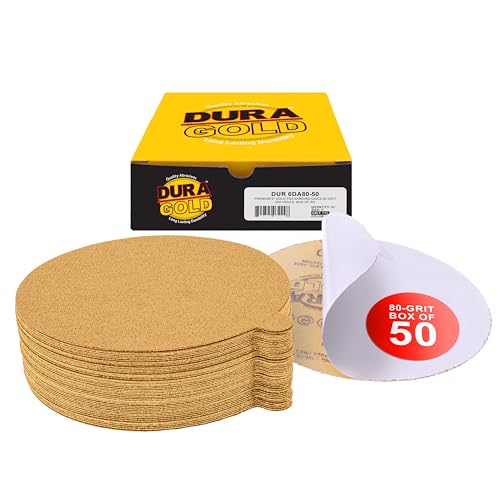
Dura-Gold Premium 6 Gold PSA Sanding Discs 80 Grit Box of 50

Tanzfrosch 108Pcs Sanding Discs Set 2 Inch Quick Change Disc

5-Inch 8-Hole Hook and Loop Sanding Discs 120-Grit 100-Pack

NEIKO 11143A 10 Pack Zirconia Flap Discs 4-1/2 for Angle Grinder

6 Inch 50 Pcs Wet Dry Sanding Discs Hook and Loop Assorted Grit
More Details On Our Top Picks
This compact 2-inch disc suits detail work where a larger pad would feel clumsy. The Roloc style means quick attachment changes on compatible tools, which matters in a busy garage or fabrication bench.
The coarse A CRS surface leans toward aggressive surface conditioning, so it fits prep work more than delicate finishing. Compared with the strip disc and the random-orbit packs below, this one is the tidy choice for tight spots and metal cleanup.
What We Like
- Small diameter helps you stay controlled around edges and tight corners.
- Quick-change mounting keeps tool swaps moving during multi-step prep.
- Coarse conditioning suits rust, scale, and rough surface cleanup.
- 3M’s surface-conditioning format is a practical fit for shop benches and repair work.
Points To Note
- The aggressive cut leaves little room for final finish work.
- You need the matching quick-change setup for proper use.
- The 2-inch format covers less area, so bigger panels take longer.
Feature Rundown
Who It Suits Best
You benefit most here if your projects involve rust cleanup, edge blending, or other detail-heavy metal prep.
Where A Sibling Pick Shines
POWERTEC 10 PCS 80 Grit 12 Inch PSA Sanding Discs 12 Inch suits drywall and broad panel sanding more naturally.
Angle grinder users usually reach for this kind of strip disc when rust, paint, or old coating needs to come off quickly. The 4-1/2 inch size keeps it in the same family as common grinder accessories, so setup feels familiar.
Compared with the 3M Roloc disc, this one covers more area and leans harder into aggressive stripping. That makes it useful on frames, brackets, and weathered metal, though it’s not the gentlest path for thin or finished surfaces.
Strong Points
- Built for rapid removal of rust and paint.
- Fits a common angle grinder form factor.
- Useful on larger metal surfaces that need faster cleanup.
- Five-pack format gives you replacements for repeated jobs.
Minor Gripes
- Strong cutting action can be too much for delicate work.
- Grinder use calls for steady handling and the right guard setup.
- Strip-style discs wear in line with hard use, so storage and replacement matter.
Details At A Glance
Who Should Grab It
You suit this pick best if your projects involve grinder-driven rust cleanup and paint removal on sturdy parts.
Swap It Out When
3M Scotch-Brite Roloc Surface Conditioning Disc TR 07480 2 in x NH A CRS works better for tight-detail metal prep and more controlled cleanup.
Big-surface sanding is where a 12-inch PSA disc makes sense. PSA means pressure-sensitive adhesive, so the back sticks to a compatible pad without hook-and-loop backing, which helps keep the face flat for broad work.
That format fits drywall, paint prep, and woodworking panels more naturally than the smaller grinder-style discs above. The trade-off is simple, you need the right machine and a workflow that rewards coverage over agility.
Highlights
- Large 12-inch format helps cover broad areas quickly.
- PSA backing keeps the disc seated for flat sanding.
- 80 grit gives you a useful middle step for shaping and prep.
- Works across drywall, wood, paint, and epoxy projects.
Areas To Watch
- The size is less convenient for corners and small touch-ups.
- PSA discs are tied to the right disc holder or machine setup.
- Storage needs to keep the adhesive backing clean and protected.
Core Details
Made For
You fit this pick best if you handle drywall, panels, or other wide surfaces that reward steady, even coverage.
A Better Fit Elsewhere
Aiyard 5-Inch 8-Hole Hook and Loop Sanding Discs 120-Grit 100-Pack makes more sense for smaller random-orbit sanding jobs.
A mixed-grit pack like this helps you move from rough sanding to finer prep without switching product lines. The 5-inch, 8-hole layout points to random orbital sander use, and the holes matter because they line up with dust extraction on many common tools.
Compared with the POWERTEC 12-inch discs, this set is far better for everyday household tasks, furniture touch-ups, and smaller wood projects. The trade-off is that mixed packs can include grits you won’t use equally, so your mileage depends on your project mix.
Positives
- Mixed grits help you handle multiple sanding stages from one pack.
- Hook-and-loop backing speeds disc changes on compatible sanders.
- 5-inch size fits a lot of common orbital tools.
- Eight-hole layout supports dust management on matching machines.
- Handy for home repairs, furniture prep, and paint work.
Softer Spots
- Not every grit gets used equally in every shop.
- Works best only on sanders with the right hole pattern.
- Bulk storage helps keep discs flat and easier to sort.
Feature Snapshot
Right Fit For
You fit this option best if you want one pack to cover common sanding stages on a random orbital sander.
Where A Sibling Pick Shines
Aiyard 5-Inch 8-Hole Hook and Loop Sanding Discs 120-Grit 100-Pack suits heavy repeat use when you want a single grit in larger quantity.
Six-inch PSA discs suit drivers of dual-action sanders who want a larger face than the common 5-inch style. This 80-grit box leans toward intermediate sanding, so it fits automotive work, wood prep, and metal finishing where you still need some bite.
Compared with the POWERTEC 12-inch discs, this one feels much more manageable in hand and on smaller panels. It also sits closer to the 5-inch hook-and-loop packs for general use, though the adhesive backing changes the way you mount and store it.
Upsides
- 6-inch size offers a broader sanding face than many compact discs.
- 80 grit works well for smoothing after heavier removal.
- PSA backing keeps the disc fixed on compatible pads.
- Suited to car paint prep, wood, and metal tasks.
- Box of 50 supports repeated project use.
Trade Offs
- PSA backing asks for a compatible DA sander pad.
- Adhesive-backed discs benefit from careful storage away from dust.
- The grit is useful, though not fine enough for final polish work.
Quick Facts
Whose Shelf It Belongs On
You fit this pick best if you use a DA sander for car panels, wood surfaces, or other medium-size finishing jobs.
Another Choice May Suit
NEIKO 11143A 10 Pack Zirconia Flap Discs 4-1/2 for Angle Grinder suits harder grinder-based shaping and material removal.
This set leans toward shop versatility, not a single-task disc pack. You get 2-inch quick-change discs plus a 1/4-inch holder, so die grinder users can move through surface prep, strip work, polishing, and burr cleanup without hunting for separate bits.
Compared with the 3M Roloc option, this set is broader in scope and more about mixed accessory coverage than one premium disc line. That breadth is handy in a small repair space, though the many pieces can feel more complex to sort and store.
Bright Spots
- Broad set of accessories supports many prep tasks.
- 2-inch size fits detail-focused grinder work.
- Includes a 1/4-inch holder for setup convenience.
- Good for rust removal, strip work, and finish cleanup.
- Useful for users who like one kit for many steps.
Areas To Watch
- Many included pieces take a little sorting and organization.
- Quick-change accessories still depend on the right grinder setup.
- Small discs cover less surface, so broad jobs take longer.
Core Details
Built With In Mind
You fit this pick best if you use a die grinder for small-area prep and want a kit that covers several steps.
Look Elsewhere When
Dura-Gold Premium 6 Gold PSA Sanding Discs 80 Grit Box of 50 makes more sense for dedicated DA sander work on broader panels.
Some sanding jobs just need a steady refill pack, and that’s where this 100-count set fits. The 5-inch, 8-hole layout keeps it aligned with many random orbital sanders, while 120 grit lands in a useful middle range for smoothing and surface prep.
Compared with the mixed-grit NOOKEYA pack, this one is simpler and easier to sort on the shelf. That simplicity helps in home workshops, though it also means you’re buying a single grit rather than a broader sanding sequence.
Best Bits
- Large 100-pack suits steady repeat use.
- 120 grit is a versatile middle step for many projects.
- Hook-and-loop mounting makes swaps quick on matching tools.
- Eight-hole design supports dust collection alignment.
- Works well for wood prep, paint smoothing, and general refinishing.
Worth Noting
- Single-grit packs do not cover rough sanding and finishing together.
- Hole pattern compatibility matters for the best fit.
- Keeping the pack sealed helps the discs stay flat and organized.
Feature Card
The Right Fit
You fit this option best if you use a 5-inch random orbital sander for regular household sanding.
Where A Sibling Pick Shines
52 Pack 5 Inch 8-Hole Hook and Loop Sanding Discs Mixed Grits makes more sense when you want several grit stages in one bundle.
Angle grinder sanding can get rough fast, so zirconia matters here. Zirconia abrasive is a tough material that usually holds up well under heat and pressure, which makes this flap-disc style feel suited to harder metal or wood shaping tasks.
Compared with the strip disc earlier, this option feels more controlled for blending and edge work rather than raw stripping. The catch is that flap discs are still grinder accessories, so they ask for a steady hand and a setup that matches the 7/8-inch arbor.
Reasons To Buy
- Zirconia abrasive is built for demanding grinding and sanding tasks.
- Angled T29 shape helps reach surfaces at a useful working angle.
- Works on both wood and metal surfaces.
- 4-1/2 inch size fits many common angle grinders.
- Ten-pack format supports regular workshop use.
Small Caveats
- Flap discs are more aggressive than fine sanding pads.
- The grinder format suits experienced handling more than delicate touch-ups.
- Storage and replacement habits matter once the flaps start to wear.
Technical Sheet
Whose Shelf It Belongs On
You fit this pick best if your shop work calls for angle grinder sanding on wood or metal surfaces.
Not Your Match When
5-Inch 8-Hole Hook and Loop Sanding Discs 120-Grit 100-Pack suits lighter orbital sanding and routine smoothing better.
This pack is built for finer finishing stages, not rough shaping. Wet-dry discs use silicon carbide, a sharp abrasive that works well for polishing and smoothing, especially where water-assisted sanding is part of the process.
Compared with the 120-grit Aiyard pack, these discs move into much finer territory and feel better suited to automotive, wood, and metal finishing. The trade-off is obvious, they are not the tool for heavy removal, so they belong near the end of the workflow.
Positives
- Fine grit range suits polishing and finish refinement.
- Hook-and-loop backing makes changes straightforward.
- Waterproof construction supports wet sanding tasks.
- Six-inch size gives more coverage than smaller detail discs.
- Helpful for automotive finish work and refined surface prep.
Room For Improvement
- The fine grit range is not meant for fast stock removal.
- Wet sanding calls for a cleaner work routine and more setup care.
- Storage matters because water-use discs are often kept for finishing stages only.
Spec Overview
Perfect Match For
You fit this pick best if your work ends with wet finishing, polishing, or very fine smoothing on compatible sanders.
Another Choice May Suit
POWERTEC 10 PCS 80 Grit 12 Inch PSA Sanding Discs 12 Inch is the better move for broad, rougher prep work before finish sanding.
How To Choose The Right Sanding Discs
Match The Disc To The Tool
The first choice is attachment style. Hook-and-loop discs suit random orbital sanders, PSA discs stick to compatible pads, and quick-change discs fit smaller grinder setups that need fast swaps. A mismatch here wastes time and can make even a good abrasive feel wrong in your hand.
Diameter matters just as much. A 2-inch disc shines in tight spots, while 5-inch, 6-inch, and 12-inch options spread out the work over larger surfaces. You save effort by choosing the size that fits the area you sand most often.
Start With The Surface You Plan To Touch
Rough metal cleanup, paint removal, and rust stripping call for coarser grits and tougher constructions. Fine woodworking, polishing, and finish prep need higher grits and a lighter touch. The abrasive type matters too, since zirconia, silicon carbide, and conditioning media each behave differently under pressure.
Think about the job before the label on the pack. A coarse disc on a delicate panel can leave marks you did not want, while a fine finishing disc on heavy rust just slows you down. The best match is the one that makes the next step easier.
Pay Attention To Grit Range And Pack Size
Single-grit packs are tidy and easy to sort, which helps in a home shop. Mixed-grit packs cover more stages, so they work well for projects that start rough and end smooth. That flexibility can feel like a toolbox in a bag, though it also means you need a little more organization.
Pack count matters for frequent use. A 100-pack makes sense for steady orbital sanding, while a 5-pack or 10-pack is often enough for occasional grinder work. More pieces help with workflow, but only when they match the jobs you actually do.
Don’t Ignore Maintenance And Storage
Adhesive-backed discs need clean storage so the backing stays usable. Hook-and-loop discs last better when dust doesn’t build up on the pad, and grinder discs stay more reliable when they are kept flat and dry. Small habits like this make the supply last longer in ordinary workshop use.
Also think about organization. Mixed packs are easy to misplace if grits get shuffled together, and quick-change accessories can be annoying to hunt for in a crowded toolbox. A simple labeled bin or drawer saves you from grabbing the wrong disc in the middle of a project.
What To Weigh Before You Click
Common Shopping Slip Ups
Many people focus on grit alone and forget the tool interface. That usually leads to a disc that looks right on paper but does not fit the sander or grinder already on the bench. Checking diameter, arbor, hole pattern, and backing style keeps that from happening.
Another common miss is buying heavy-cut discs for finish work. Coarse abrasives are useful, but they can leave a rough surface that needs extra cleanup later. A better approach is to match the disc to the stage of the job, not just the surface material.
The Upgrade Payoff
Higher-tier discs usually cost more because of stronger abrasive materials, better backing, tighter construction, or more specialized formats. That matters in grinder work, automotive prep, and longer sanding sessions where the disc sees more heat and pressure. You feel the difference most when a pack has to hold up through repeated passes.
Spending up makes sense for frequent use, especially on demanding surfaces like metal, body panels, or dense wood. For light household sanding, a simpler pack is often enough. The right step up is the one that saves time or gives you better control in the work you do most.
Frequently Asked Questions
What grit should you start with?
Start coarse for removal and move finer for smoothing. A 60 or 80 grit disc handles heavier prep, while 120 grit and above suits lighter smoothing and finish stages.
Are hook-and-loop discs better than PSA discs?
Hook-and-loop discs are easier to swap, which helps on jobs with frequent grit changes. PSA discs hold firmly on the right pad and suit larger flat-sanding setups.
Do wet-dry discs need water?
Wet-dry discs can be used with water, and that is where they usually make the most sense. Dry use is still possible in some cases, but the pack is built with fine finishing in mind.
What size disc should you use for a random orbital sander?
Most random orbital sanders use 5-inch discs, though some use 6-inch pads. Check the pad diameter and hole pattern before you choose a refill pack.
How many discs should you keep on hand?
That depends on how often you sand and how tough the surface is. A 100-pack works well for regular home or shop use, while smaller packs fit occasional projects.
Closing Thoughts
You get the best results from sanding discs when the disc matches the tool, the grit matches the stage, and the size matches the surface. The list above covers quick-change metal prep, grinder stripping, broad PSA sheets, everyday orbital packs, and fine wet-dry finishing, so you can choose with purpose instead of guessing. For most shops, one coarse option and one finer refill pack cover more ground than a random pile of extras. Pick the format that fits your usual projects, and the rest gets easier.