Choosing solder for electronics is mostly about fit, not hype. The right wire diameter, alloy, and flux style can make your bench work feel smooth instead of fussy, especially on tiny pads, repair jobs, or longer DIY sessions. Some picks suit fast, clean work on modern boards, while others feel more forgiving for general repairs or kit assembly. You’ll see both solder wire and soldering stations here, because the best setup depends on how hands-on your projects really are.
Quick Look At The Shortlist
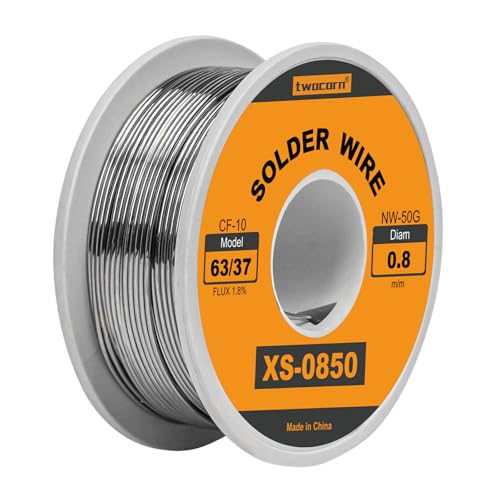
twocorn 63/37 Solder Wire 0.8mm 50g
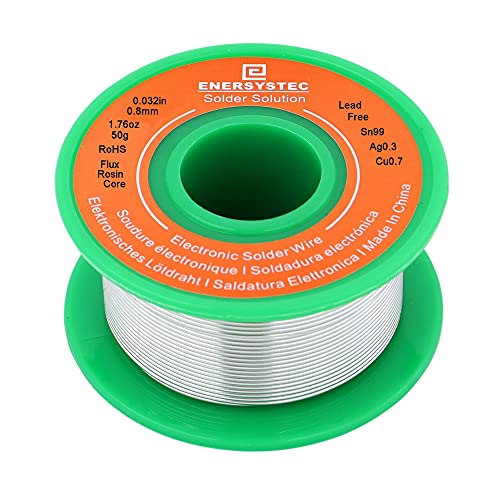
E ENERSYSTEC Lead-Free Solder Wire 0.8mm 50g

MG Chemicals 60/40 Rosin Core Leaded Solder 0.032″ Pocket Pack

Crtsweker 100W Digital Soldering Station Kit

Kester 44 Solder Wire 63/37 0.031″ 1-ounce Tube

Tiankohelan 2Pcs Solder Wire 1mm Net 20g

WEP 926LED V3 Soldering Station Kit
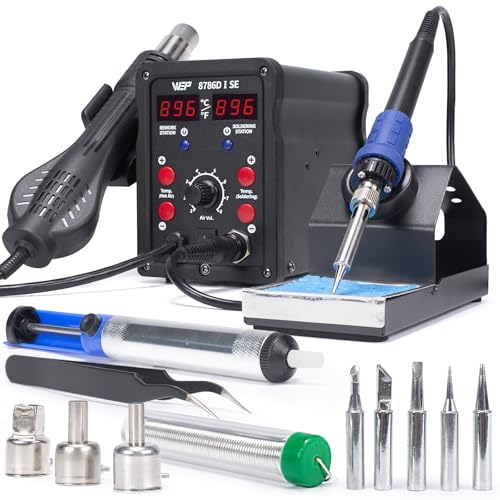
WEP 8786D-I SE Hot Air Soldering Station Kit

AUSTOR 63-37 Tin Lead Rosin Core Solder Wire 1.5mm 100g
More Details On Our Top Picks
That 63/37 alloy means the solder changes from solid to liquid at a single, predictable point, which helps on small joints and quick touch-ups. The 0.8 mm wire sits in a comfortable middle zone, thin enough for board work but not so delicate that it feels fragile in your hand.
For hobby repairs, pedal builds, and general electronics fixes, the no-wash rosin core cuts down on cleanup compared with harsher flux-heavy wire. The honest trade-off is the tin-lead blend, so this suits users who already know that formula is acceptable for their workbench and want smooth handling more than lead-free chemistry.
Strong Points
- 63/37 alloy gives a sharp melt point, which helps you make cleaner joints without hovering too long.
- 0.8 mm diameter works well on common electronics pads and small leads.
- Rosin core keeps the feed simple for repair work and kit assembly.
- No-wash format can save you a cleanup step on routine bench jobs.
Small Caveats
- Tin-lead solder is not the right fit for every workplace or every compliance rule set.
- The 50 g spool is handy, but frequent bench use will move through it faster than a larger reel.
Feature Snapshot
Who It Suits Best
You’ll get the most from this wire in a home workshop, repair bench, or electronics class where 63/37 solder is already familiar.
A Better Fit Elsewhere
Kester 44 Solder Wire suits you better for a more established bench feel and a premium rosin-core option.
This lead-free wire is aimed at modern electronics work where a tin-silver-copper blend is preferred. The 0.8 mm size keeps it familiar in the hand, so you’re not fighting the spool while handling boards, connectors, or small repair points.
Compared with the tin-lead options in this list, it asks for a bit more patience at the iron, which is the usual trade-off with lead-free solder. In a home shop that already leans toward newer parts and cleaner material choices, that compromise often feels worth it.
What We Like
- Lead-free blend suits workspaces that want a modern solder formula.
- 0.8 mm diameter stays friendly for small electronic joints.
- Rosin core keeps the feeding process straightforward for routine repairs.
- The Sn99 Ag0.3 Cu0.7 mix is built for electronics rather than rough general metal work.
Room For Improvement
- Lead-free solder usually needs a touch more heat and patience than 63/37 wire.
- The 50 g amount is good for occasional work, but not for high-volume benches.
Details At A Glance
Made For
You’ll appreciate this most in a home repair setup, a classroom, or any bench that leans toward lead-free materials.
Another Choice May Suit
twocorn 63/37 Solder Wire 0.8mm 50g suits you better when you want easier flow and a faster-feeling melt point.
This pocket-size tube makes sense for quick repairs, tool bags, or a bench drawer where you want a small reserve instead of a full reel. The 0.032-inch diameter sits in the familiar range for electronics work, so it feels easy to place on fine joints without drifting into oversized-wire territory.
Compared with the larger spools in this roundup, the honest advantage is portability, not volume. For occasional fixes, that can be exactly what you need, though high-output hobby work will burn through it fast.
Highlights
- 60/40 alloy is a familiar choice for straightforward electronics soldering.
- Rosin core helps the solder flow without a separate flux step in most jobs.
- Small tube format fits easily in a kit, drawer, or travel pouch.
- The 0.032-inch diameter suits fine boards and light repair work.
Points To Note
- The 0.6 oz amount is handy, but not built for large repair runs.
- Pocket packaging is convenient, though it is less practical for a permanent bench supply.
Core Details
Whose Shelf It Belongs On
You’ll like this most as a compact reserve for repair kits, lab drawers, or light bench use.
Reach For A Different Pick When
Kester 44 Solder Wire suits a more established bench better, especially when you want a fuller-feeling tube and premium brand consistency.
Compared with plain solder wire, this kit gives you the whole bench in one box, which matters for hobby repair spaces and first setups. The digital display and adjustable temperature range make it easier to match heat to the job instead of guessing by feel alone.
The included helping hands, tips, pump, tweezers, stand, and tip cleaner turn it into a practical starter station for board work and household electronics repairs. The trade-off is space, since a full station needs more room than a simple spool and iron combo.
Reasons To Buy
- 100W output gives you more heating headroom for everyday soldering tasks.
- Digital temperature readout helps you keep settings visible at a glance.
- Helping hands are useful for holding boards and parts steady.
- Auto sleep supports calmer bench habits between soldering passes.
- Two temperature scales, along with the supplied tools, make the kit more self-contained than a bare iron.
Areas To Watch
- The station takes more desk space than a compact iron kit.
- Lots of included accessories can mean extra setup and storage clutter.
Feature Rundown
Right Fit For
You’ll get the most from this as a home bench station for repairs, kits, and general electronics practice.
Swap It Out When
WEP 926LED V3 Soldering Station Kit suits you better if you want a more focused iron kit with a slightly different accessory mix.
Kester 44 is the kind of solder you notice most on a busy bench, where predictable flow and tidy joints matter more than flashy extras. The 63/37 alloy and 0.031-inch diameter make it especially comfortable for board-level work, small leads, and repair jobs that reward control.
The RMA rosin core uses a milder activated flux style, which tends to suit electronics work where you want the solder doing the job without a messy finish. The honest trade-off is simple, it’s a focused consumable rather than a large-bundle value play.
Upsides
- 63/37 alloy offers a crisp transition that helps with controlled joint formation.
- 0.031-inch wire is slim enough for detailed electronics work.
- RMA rosin core supports tidy, bench-friendly soldering.
- The 1-ounce tube is easy to store beside a station or in a kit drawer.
Trade Offs
- The small tube is meant for focused use, not bulk soldering.
- Its premium feel comes from consistency and brand reputation more than accessories.
Quick Facts
The Right Fit
You’ll like this most at a dedicated electronics bench where consistency matters from one joint to the next.
Look Elsewhere When
MG Chemicals 60/40 Rosin Core Leaded Solder suits a more casual repair kit better because its small pocket pack is easier to toss in a bag.
Two spools in one listing make this feel handy for someone who likes keeping a backup on hand. The 1 mm diameter is a bit thicker than the 0.8 mm wires above, so it can feel a touch faster on slightly larger leads and basic repair work.
That thicker size can also be a small trade-off on very delicate pads, where a slimmer wire often feels more precise. For repair boxes, classroom kits, or a bench that sees mixed small jobs, the practical part is having two same-size reels instead of one lonely spool.
Best Bits
- Two-pack format gives you a spare reel without extra shopping later.
- 1 mm diameter suits slightly broader solder points and general repair work.
- Rosin core keeps the process straightforward for electronics use.
- Twenty grams total still fits neatly into a small tool drawer.
Softer Spots
- The thicker wire can feel less exact on very small pads.
- 20 g total is fine for light use, but not for long bench runs.
At A Glance
Built With In Mind
You’ll get the most from this in a mixed-use repair kit or a beginner bench that needs backup consumables.
Where A Sibling Pick Shines
twocorn 63/37 Solder Wire 0.8mm 50g suits finer board work better because the thinner wire gives you a little more control.
This WEP station leans into fuller bench support, which makes sense for someone soldering often enough to want fewer loose parts on the desk. With 130W max output, temperature control, sleep mode, and C-to-F conversion, it has the sort of setup that helps routine electronics work feel more organized.
The included wire, five tips, tweezers, solder sucker, and tip cleaner make it more complete than a bare iron, though that also means more pieces to keep track of. For a home repair corner, that trade-off often feels acceptable because the station covers a wide stretch of basic jobs.
Positives
- 130W max output gives you extra heat capacity for active bench sessions.
- Temperature control lets you tune the iron to the task.
- Sleep mode is a useful habit for pausing between steps.
- Five tips and the included tools make setup more complete from day one.
- Celsius and Fahrenheit display support easy reading in either scale.
Honest Caveats
- The accessory count means more storage and sorting on a small desk.
- It’s better suited to a fixed work area than a travel kit.
Spec Overview
Who Should Grab It
You’ll appreciate this most in a fixed home workshop where soldering happens often enough to justify a full station.
Skip It When
Crtsweker 100W Digital Soldering Station Kit fits better for someone who wants the included helping hands and a more compact-feeling starter setup.
This 2-in-1 station is aimed at repair work that goes beyond simple soldering, especially board rework and desoldering. The hot air side gives you a different way to handle components, which is useful when you’re dealing with crowded boards, surface-mount parts, or cleanup jobs that a straight iron handles less gracefully.
Compared with the single-function WEP 926LED V3, this one asks for more learning and bench space, but it also covers more repair territory. For steady hobby work, that flexibility can feel like carrying a wider set of tools in one frame.
Reasons To Buy
- Hot air and soldering in one station cover more repair situations.
- The bundled lead-free wire and tips make the kit ready for setup.
- Three nozzles help you match airflow to different parts.
- Desoldering pump and tweezers add practical cleanup support.
Minor Gripes
- Hot air gear takes practice and a little more bench awareness.
- The dual-function format is bulkier than a simple soldering station.
- Storage gets busier because there are several included pieces to organize.
Technical Sheet
Best Suited To
You’ll get the most from this in a repair-focused workspace where desoldering and component rework come up often.
Where Another Pick Suits Better
WEP 926LED V3 Soldering Station Kit suits you better for simpler bench soldering and a less complex setup.
The larger 100 g spool and 1.5 mm wire size make this a practical match for longer sessions and more material-hungry jobs. Compared with the slimmer 0.8 mm and 0.031-inch picks above, it feels better suited to broader joints, repair bursts, and a bench that moves through solder quickly.
The thicker wire can be a little much for very tiny pads, so it’s not the softest choice for detailed board work. Still, for steady home repairs, kit assembly, and general electrical soldering, it gives you a lot of usable wire in one place.
Plus Points
- 100 g spool gives you a larger supply for longer bench periods.
- 1.5 mm wire can move material quickly on broader joints.
- 63/37 tin-lead blend suits users who want a familiar soldering feel.
- Rosin core keeps the wire self-contained for common electrical work.
Areas To Watch
- The thicker diameter is less suited to tiny surface-mount points.
- The larger spool takes more drawer room than pocket-size options.
Key Specs
Whose Shelf It Belongs On
You’ll appreciate this most in a home workshop or repair station that sees repeated soldering and larger wire feeds.
Look Elsewhere When
E ENERSYSTEC Lead-Free Solder Wire 0.8mm 50g suits more delicate electronics work better because the slimmer wire is easier to place with precision.
How To Choose The Right Solder For Electronics
Alloy Type Shapes The Feel
63/37 and 60/40 tin-lead solder tend to flow differently from lead-free blends, and that difference matters more than many first-time shoppers expect. 63/37 reaches its working point in a cleaner way, while lead-free options usually ask for a steadier hand and a little more heat. For fast board repairs, that can change how calm the job feels.
Lead-free wire makes sense in modern workspaces and for users who want to keep the bench aligned with newer material choices. The trade-off is less forgiving behavior on the iron, so your pace and tip control matter more. A beginner who wants easier solder flow often does better with 63/37 or 60/40.
Wire Diameter Needs To Match The Job
Thin wire, such as 0.031 inch or 0.8 mm, helps on small pads, headers, and detailed electronics work because you can place less material at a time. Thicker wire, such as 1.0 mm or 1.5 mm, feeds faster and suits broader joints or longer repair sessions. The wrong diameter usually shows up as either clumsy excess solder or too much stopping and starting.
Bench habits matter here too. A small repair kit can live happily with thinner wire, while a more active station often benefits from a thicker spool that doesn’t disappear too quickly. You’ll feel the difference immediately on crowded circuit boards.
Flux Core Style Affects Cleanup
Rosin core solder carries flux inside the wire, which helps the solder wet the joint and keeps the process simple. No-wash formulas are useful for routine electronics work because they can reduce the cleanup step after soldering. RMA rosin sits a little more in the middle, with a milder feel that many bench users like.
Flux choice should follow your workflow, not just the listing title. A messy bench, a tiny project box, or a shared workspace all benefit from a cleaner-feeling wire, while repeated repairs may favor a core that feeds smoothly without much fuss. That’s where the Kester and twocorn styles stand out for different reasons.
Stations Matter When You Solder Often
A simple spool is enough for touch-ups, but a soldering station changes the pace of work. Digital temperature control, sleep mode, and included tools like tweezers or a solder sucker help you stay organized during longer sessions. For hobbyists fixing controllers, audio gear, or small appliances, the station often feels more useful than wire alone.
Choose a station based on desk space and job mix. A compact work area may suit the Crtsweker kit, while heavier repair habits point toward the WEP units with higher output or hot air support. The right tool should match your bench, not fight it.
Things Worth Knowing First
Where Shoppers Go Wrong
Many people focus on alloy and ignore wire size, then end up with solder that feels awkward on the parts they actually repair. Others grab a large spool because it sounds convenient, only to find it takes up space and isn’t the easiest fit for occasional work.
Another common slip is treating a station like a universal answer. A simple spool works better for quick fixes, while a hot air setup makes more sense only when rework and desoldering are part of the routine.
The Case For Spending Up
Higher-tier soldering gear usually costs more because it gives you tighter temperature control, more accessory depth, and a steadier bench experience. That matters when you spend long stretches on circuit boards and want less drift from joint to joint.
Spending up also makes sense when you repair often enough to value comfort and consistency over bare minimum function. The upgrade is easier to justify for hobbyists with a fixed workbench than for someone who only handles an occasional loose wire.
Frequently Asked Questions
What alloy works best for electronics soldering?
63/37 tin-lead solder gives a predictable melt point and feels easy to control on many bench jobs. Lead-free wire suits modern material preferences, though it usually asks for a steadier hand and a little more heat.
Is thinner solder wire always better?
No, thinner wire is better for precision, but it can feel slow on larger joints. A thicker diameter often works better for broader repairs and faster feed rates.
What does rosin core mean?
Rosin core means the flux sits inside the solder wire itself. That helps the solder flow into the joint without requiring a separate flux step in many common jobs.
Do you need a soldering station or just solder wire?
Solder wire alone is enough for repair setups that already have a suitable iron. A station makes sense when you want temperature control, a stand, and a more organized bench.
Which pick suits a beginner best?
twocorn 63/37 Solder Wire 0.8mm 50g is a comfortable starting point because the diameter is approachable and the flow is easy to manage. Crtsweker 100W Digital Soldering Station Kit also fits beginners who want the full bench setup from day one.
Closing Thoughts
You’ll choose solder for electronics faster once you match the alloy, diameter, and flux core to the work you actually do. Small board repairs lean toward slim wire and predictable flow, while heavier repair habits reward a larger spool or a station with better control. The shortlist here covers both ends of that spectrum, so you can keep things simple or build out a fuller bench without guessing. Once you know your usual job size, the right pick gets much easier.