You need trim repair that blends in, holds shape, and doesn’t turn a small touch-up into a long weekend project. Wood filler and flexible sealant each solve a different part of that job, so the right choice depends on whether you’re filling nail holes, rebuilding chipped edges, or sealing paint lines around casing and baseboards. The picks below focus on DAP and PLASTIC WOOD options that fit those real trim chores. You get a clear mix of small tubes, larger tubs, stainable formulas, and a sealant option for joints that need movement.
Quick Shortlist For Trim Repairs

DAP Weatherproof Patching Compound, White, 16 Oz

DAP Alex Flex Premium Molding & Trim Siliconized Sealant, White, 10.1 Oz
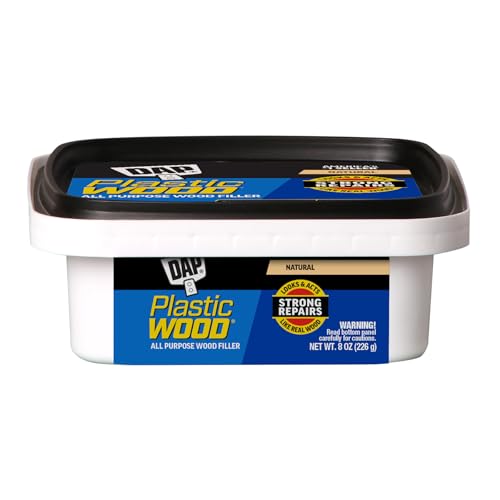
DAP Plastic Wood All Purpose Latex Wood Filler, Natural, 8 Oz

DAP Plastic Wood All Purpose Latex Wood Filler, Black, 6 oz

DAP Plastic Wood All Purpose Latex Wood Filler, White, 6 Oz

DAP Plastic Wood All Purpose Latex Wood Filler, Red Oak, 6 Oz

DAP Plastic Wood All Purpose Latex Wood Filler, Natural, 3 Oz

PLASTIC WOOD DAP X with DryDex Wood Filler, Natural, 32 Oz

DAP Plastic Wood-X with DryDex Wood Filler, Natural, 16 Oz

DAP Plastic Wood-X with DryDex Wood Filler, Natural, 5.5 Oz
More Details On Our Top Picks
For exterior trim touch-ups, this compound makes more sense than a plain filler because it’s built around weather-exposed patching rather than fine cosmetic leveling. The white finish keeps the prep simple for painted surfaces, though you’ll still want to match the surrounding coating carefully so the repair doesn’t stand out.
In a busy entryway or around window trim, the 16-ounce tub gives you enough material for a few small repairs without feeling oversized. That said, a patching compound like this usually makes the most sense for rough fixes and surface cleanup, while DAP Plastic Wood All Purpose Latex Wood Filler in Natural stays the better fit for wood-grain repairs inside the house.
Strong Points
- Useful for exterior-facing trim areas.
- White color supports painted finishes.
- Handy tub size for small repair rounds.
- Fits patching jobs beyond trim alone.
Small Caveats
- Best suited to patching, not fine wood-grain matching.
- Paint blending still depends on your topcoat.
Feature Snapshot
Who It Suits Best
You’ll get the most out of this for painted exterior trim, porch edges, and other patchwork where the surface needs a durable cleanup more than a grain-matching fill.
Where Another Pick Suits Better
DAP Plastic Wood All Purpose Latex Wood Filler, White, 6 Oz is a better match for interior baseboards and casing where you want a product that behaves more like wood filler than patch compound.
Sealant belongs in the trim conversation because corners, casing edges, and wall joints often move a little after installation. Siliconized sealant means the formula includes silicone for added flexibility, which matters where a rigid filler would crack first. The trade-off is simple, it’s better for seams than for rebuilding damaged wood.
You’ll appreciate this most on painted molding runs, bathroom-adjacent trim, or any room where seasonal movement is common. Compared with DAP Weatherproof Patching Compound, this one is the cleaner choice for line work and gaps, while DAP Plastic Wood-X with DryDex is still the stronger call for actual void filling.
What We Like
- Flexible enough for moving trim joints.
- White color keeps paint prep straightforward.
- Good fit for neat seam lines.
Things To Consider
- Not meant for rebuilding missing wood.
- Best results depend on clean joint edges.
- Sealant cleanup is easier before it sets.
Core Details
Whose Shelf It Belongs On
This suits you best for finish carpentry touch-ups, painted molding, and trim gaps where flexibility matters more than sanding and shaping.
Skip It When
DAP Plastic Wood All Purpose Latex Wood Filler, Red Oak, 6 Oz is a better fit for wood-tone repairs that need to look like the board itself rather than a sealed joint.
This is the classic trim-repair choice for holes, shallow chips, and edge wear where you want the patch to behave like wood after it cures. The latex-based formula is the useful part here, because it’s meant to be shaped, drilled, sanded, stained, and painted once dry, which gives you far more finish-room than a basic putty.
For interior casing, stair trim, and even exterior wood work, the natural color keeps it versatile before finishing. Compared with the smaller 3 oz tube later in the list, this 8 oz size gives you more breathing room for a roomful of touch-ups, though the larger tubs below are still smarter for ongoing projects.
Highlights
- Wood-like look helps repairs blend in.
- Can be sanded and shaped after curing.
- Accepts stain and paint for finishing work.
- Works on corners and vertical surfaces.
Worth Noting
- More useful after you let it cure fully.
- Natural color is versatile, but not an exact match for every board.
Feature Rundown
Made For
You’ll like this most for home trim work, woodworking touch-ups, and painted or stained surfaces where a wood-like repair matters more than speed alone.
Another Choice May Suit
DAP Plastic Wood-X with DryDex Wood Filler, Natural, 16 Oz is the better call for you if you want a larger tub for repeated repairs around a whole room or two.
Black filler is a niche color, but that niche matters a lot on dark stain work, painted black trim, and modern interior accents. Instead of fighting a pale patch that shows through, you start with a tone that already belongs close to the surface, and that makes finishing less fussy.
The 6 oz tube keeps things tidy for spot fixes, though you may find the color match most useful on trim pieces with limited grain variation. Compared with the natural and red oak versions above, this one makes the most sense for darker woodwork or black architectural detail.
Best Bits
- Dark color helps on black trim.
- Good for small spot repairs.
- Latex base supports sanding and finishing.
Areas To Watch
- Color fit is more specialized than the natural version.
- Best for smaller cosmetic fixes than deep rebuilds.
Technical Sheet
The Right Fit
This suits you best for black-painted trim, dark accent boards, and small repair spots where a dark filler saves finishing time.
A Better Fit Elsewhere
DAP Plastic Wood All Purpose Latex Wood Filler, White, 6 Oz is the safer all-around choice for bright trim and painted baseboards.
White filler is the easiest starting point for painted trim because it avoids a dark patch peeking through a fresh topcoat. That makes this a sensible choice for baseboards, casing, and crown detail where the repair line needs to stay quiet.
The 6 oz tube feels just right for a few rooms’ worth of nail holes and small dings, though bigger repair runs may call for one of the tubs below. The honest read is that this is the straightforward trim filler you reach for when you want less color juggling and more finishing work.
Positives
- White base works well under paint.
- Good size for household touch-ups.
- Fits trim, casing, and baseboards.
- Simple option for routine repair tasks.
Minor Gripes
- Not the best fit for stained woodwork.
- Small tube can run out quickly on larger jobs.
Details At A Glance
Right Fit For
You’ll get the best use from this on painted interior trim where the finish will cover the repair fully.
Look Elsewhere When
DAP Plastic Wood All Purpose Latex Wood Filler, Natural, 8 Oz is the better match for repairs where stainability and a wood-tone look matter more than pure paint prep.
Red oak trim has its own look, and this color-matched filler helps you keep repairs closer to that warm tone. On woodwork with visible grain and medium-brown stain, the color choice can save you from overpainting a detail you’d rather preserve.
It’s still a latex wood filler, so the same finishing benefits apply once the repair cures, including sanding and stain or paint compatibility. Compared with the white version above, this one is the more natural fit for oak casings, stair trim, and furniture-style trim pieces.
Upsides
- Red oak tone suits warm woodwork.
- Latex formula supports finishing steps.
- Good for trim with visible grain.
Room For Improvement
- Color matching still depends on the exact oak tone.
- Less versatile than the natural version for mixed finishes.
Spec Overview
Built With In Mind
This suits you best for oak trim, medium-brown moldings, and furniture-style touch-ups where tone matters as much as fill quality.
Swap It Out When
DAP Plastic Wood All Purpose Latex Wood Filler, Natural, 8 Oz is the easier all-purpose option for mixed wood tones and general household repairs.
Small trim repairs are where a 3 oz tube starts to make sense, especially for nail holes, corner chips, and tiny dings around doors and baseboards. The natural color keeps the same flexible finishing path as the larger DAP wood fillers, so you still get sanding and paint or stain compatibility.
The trade-off is capacity, plain and simple, because this is a better match for occasional fixes than for a full room of woodwork. Compared with the 6 oz white or red oak tubes, it’s the tidiest option for keeping in the toolbox without taking up much space.
Bright Spots
- Small tube stores easily in a toolbox.
- Good for quick touch-ups and corner chips.
- Natural color keeps finishing options open.
Softer Spots
- Capacity is limited for bigger trim runs.
- Better for occasional repairs than renovation work.
Key Specs
Perfect Match For
You’ll like this most for quick household repairs, apartment maintenance, and small trim fixes where carrying a larger tub feels unnecessary.
Reach For A Different Pick When
PLASTIC WOOD DAP X with DryDex Wood Filler, Natural, 16 Oz is a better fit for you if the same room needs several repairs and you want a larger tub on hand.
A 32 oz tub changes the conversation from spot repair to project supply. That size helps in a busy renovation, especially around a whole floor of trim where repeated fills add up fast. The DryDex name points to a dry-time indicator style product, which is handy because you can spend less time guessing whether the patch is ready for the next step.
Compared with the smaller DAP Plastic Wood tubes, this one makes sense when you know the trim work will keep coming. You’ll need storage space for the tub, so it’s less tidy for the toolbox, but the payoff is having enough material to stay in one workflow.
Reasons To Buy
- Large tub supports repeated repair sessions.
- Helpful for room-by-room trim work.
- DryDex labeling can simplify timing.
- Natural color keeps finishing options flexible.
- Good choice for renovation shelves and utility rooms.
Points To Note
- Bulk size takes more storage room.
- More than you need for a tiny repair list.
Feature Card
The Right Fit
This belongs on your shelf for larger home projects, contractors’ benches, or rooms with lots of baseboard and casing touch-ups.
Where Shoppers Go Wrong
DAP Plastic Wood All Purpose Latex Wood Filler, Natural, 8 Oz is the better fit for smaller household jobs where a big tub would just sit around.
The 16 oz format hits a comfortable middle ground for homeowners who keep finding one more trim repair to handle. It’s big enough for a real project list, yet not so large that you’re committing to a bucket-sized product for a handful of nail holes. The stainable, wood-like formula is the main reason it stands out in this lineup.
Compared with the 32 oz tub above, this version makes more sense for weekend work or a single room refresh. The retailer listing mentions a pack of eight, so that matters for storage and planning, while the actual tub size stays manageable for a utility shelf.
Positives
- Middle-size tub works for many trim jobs.
- Stainable finish helps with wood-tone work.
- Useful balance between storage and volume.
- Good for home repair routines.
Minor Gripes
- Still more than a casual one-hole repair needs.
- Pack details can matter for storage planning.
Core Details
Who Will Love This
This fits you best for a household repair shelf, small remodeling projects, and trim touch-ups that need more than a travel-size tube.
Not Your Match When
DAP Plastic Wood All Purpose Latex Wood Filler, White, 6 Oz is the better everyday pick for a few painted repairs that don’t justify a larger tub.
The 5.5 oz size is the neat little option for trim touch-ups where you want DryDex convenience without a big container taking over the shelf. It’s especially sensible for landlords, apartment upkeep, and small household fixes that come up one room at a time.
Compared with the 16 oz and 32 oz tubs, this one gives you the same general repair approach in a more compact format. You may find it goes quickly on larger jobs, but that’s the trade-off for a tube that slips easily into a tool bag or cabinet drawer.
Strong Points
- Compact size stores easily.
- Good for small trim repairs.
- Useful for portable repair kits.
Areas To Watch
- Small capacity limits larger projects.
- Better suited to spot fixes than whole-room work.
Feature Rundown
Who Should Grab It
This suits you best for small repair kits, rental upkeep, and occasional trim work where storage space matters more than volume.
Consider Something Else When
PLASTIC WOOD DAP X with DryDex Wood Filler, Natural, 32 Oz is the better call for bigger renovation lists and repeated patching sessions.
How To Choose The Right Wood Filler For Trims
Match The Filler To The Finish
Trim work lives and dies on how the repair will look after paint or stain goes on. Latex wood fillers, like the DAP Plastic Wood line, make more sense where you want sanding, shaping, and a finish that behaves like the surrounding board.
White fillers are easier for painted trim, while natural and oak tones make more sense when the wood grain still matters. A dark option such as the black version can save time on black-painted casing, but it narrows your use cases fast.
Size The Container To The Job
A 3 oz tube fits a small punch list and keeps storage simple. The 6 oz and 8 oz options work well for most household trim repairs, especially around baseboards, door casing, and window trim.
Once you reach 16 oz or 32 oz tubs, you’re thinking about repeated repairs or a larger renovation. Those sizes are practical for a busy project shelf, but they’re overkill for a few nail holes.
Decide Whether You Need Flex Or Fill
Wood filler rebuilds material. Sealant bridges movement. That difference matters because trim joints often move a little after installation, and a rigid patch can crack where a flexible seam would stay cleaner.
DAP Alex Flex fits seam work, while the Plastic Wood fillers fit holes, dents, and missing chunks. A good rule for real homes: use filler for shape, sealant for joints.
Think About Daily Use, Not Just The Repair
Storage, cleanup, and working time matter more than people expect. A tidy tube is easier to keep in a cabinet or tool bag, while a larger tub pays off only when you know the project list is real.
For ongoing home upkeep, the most useful choice is usually the one that matches the room, the finish, and the amount of repair material you’ll actually use.
Things Worth Knowing First
Common Shopping Slip Ups
Many trim repairs fail because the color choice is off before the filler even goes on. Natural, white, red oak, and black each serve a different finish plan, so matching the surface matters more than grabbing the nearest tube.
Another common miss is choosing sealant for a hole or filler for a moving seam. That swap creates more sanding, more touch-up, and less predictable results.
The Case For Spending Up
Higher-tier options in this category usually give you better coverage volume, more finish flexibility, or a smarter dry-time cue. That matters in real workspaces where you’d rather keep moving than stop to guess whether a repair is ready.
You also pay for the convenience of fewer container swaps on larger projects. For a whole set of baseboards or a room full of casing, the larger tubs can save time and keep the repair rhythm steady.
Frequently Asked Questions
Can wood filler be used on trim?
Yes, wood filler works well on trim for nail holes, chips, and small voids. A latex formula is especially handy when you want sanding and finishing after it cures.
What color wood filler works best for painted trim?
White or natural usually makes the most sense for painted trim. White is the easiest starting point when the topcoat will cover everything.
Should you use sealant instead of wood filler on trim joints?
Use sealant on seams that need movement and filler on damaged wood. DAP Alex Flex is the better match for the seam line, while the Plastic Wood fillers handle the missing material.
What size wood filler tube is enough for home trim repairs?
A 6 oz or 8 oz tube covers many small household repairs. A 3 oz tube works for tiny touch-ups, while 16 oz and 32 oz tubs suit bigger repair lists.
Can stainable wood filler work on interior and exterior trim?
Stainable filler can fit both interior and exterior woodwork when the rest of the finish system is right. The surface still needs proper prep and a finish plan that matches the surrounding trim.
Closing Thoughts
The best wood filler for your trim depends on the job in front of you, not just the label on the tube. Painted rooms usually point toward white or natural filler, while oak and black finishes need a closer color match. Sealant belongs in the seams, filler belongs in the voids, and larger tubs only pay off when your repair list is long. Pick the size and color that fit your walls, and the work gets much calmer.