

Wrecking bars earn their keep when the job stops being neat. You feel that in deck teardown, trim removal, pallet breakdown, and the kind of framing work where a claw hammer just won’t reach. The right bar saves effort, gives you cleaner leverage, and keeps the work moving without making the tool feel clumsy.
This roundup focuses on shape, length, steel quality, nail-pulling design, and how each bar fits a real project. Some picks suit tight renovation work, while others are built for heavy demolition and long pulls. You’ll also see a few options that make more sense for geologists, remodelers, or anyone who wants a compact set instead of a single long bar.
Quick Look At The Shortlist

Groz 48 Inch G-Bar Heavy Duty Wrecking Bar 33188
Groz 24 Inch G-Bar Heavy Duty Wrecking Bar 33186

Groz 30 Inch Wrecking Bar 33106

ESTWING Gad Pry Bar GP-18 18-Inch
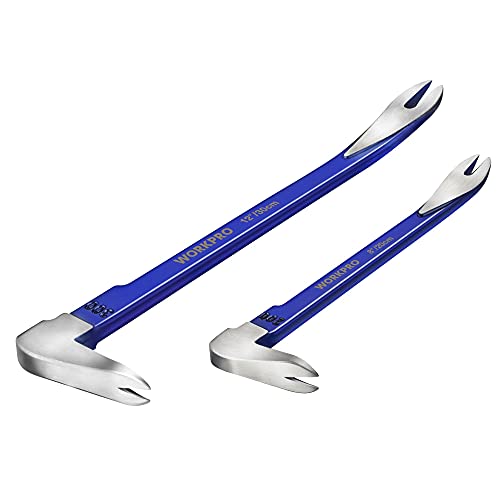
WORKPRO 2-Piece Nail Puller Set 12-Inch and 8-Inch

CRAFTSMAN Pry Bar CMHT82500 42-Inch

WOTAHI 4-Piece Flat Pry Bar Set
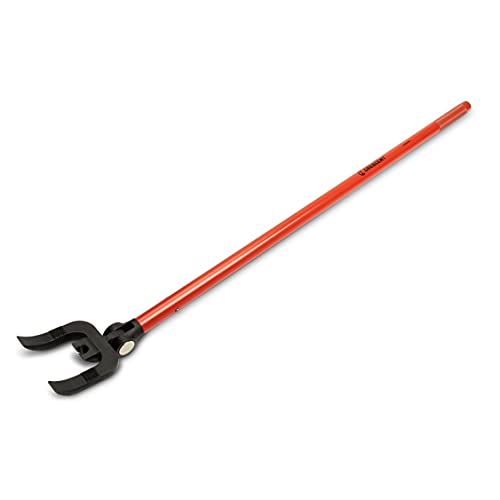
Crescent 44-Inch Indexing Deck Removal Bull Bar DKB446X

STEELHEAD 15-Inch Heavy-Duty Flat Pry Bar SH-PB-B1-15-1

Fiskars IsoCore Wrecking Bar 30-Inch
More Details On Our Top Picks
A 48-inch bar changes the feel of demolition work fast. The extra length gives you more reach over decking, framing, and teardown scraps, and the forged alloy steel body is the kind of build that suits hard use rather than delicate trim jobs.
The low-profile claw and V-slot nail puller matter because they let you work closer to the surface without fighting for a foothold. You’ll appreciate that in a busy remodel or deck removal, though the size can feel like a lot in a cramped room or small garage.
Strong Points
- Long handle gives you real leverage for stubborn boards and fasteners.
- Forged alloy steel suits rough demolition better than lighter-duty bars.
- Low-profile claw helps you get under tight edges with less fuss.
- V-slot nail puller adds useful grip on pulled fasteners.
- Works well for deck teardown, framing, and other heavy prying tasks.
Things To Consider
- The 48-inch reach can feel bulky in tighter work areas.
- Storage takes more space than a short pry bar.
- Large leverage tools can be less handy for detail trim removal.
Core Details
Who It Suits Best
Contractors, remodelers, and serious DIYers tackling deck or framing tear-out will get the most from this length and leverage.
Where A Sibling Pick Shines
Groz 24 Inch G-Bar Heavy Duty Wrecking Bar 33186 suits you better for general home work, especially where the 48-inch bar feels oversized.
Compared with the 48-inch Groz bar, this 24-inch version is easier to store and easier to swing in tighter spots. The forged alloy steel body still points it toward real work, not light touch-ups, and the shorter reach makes it less tiring in a kitchen demo or pallet breakdown.
The trade-off shows up in leverage. You give up some reach, but many garages, remodels, and quick tear-outs feel better served by a bar this size, especially when you want control more than brute span.
What We Like
- Shorter length makes it friendlier in confined work areas.
- Forged alloy steel supports heavier prying than flimsy bars.
- Low-profile claw helps start lifts under boards and trim.
- Useful middle ground for homeowners and contractors alike.
Softer Spots
- Does not deliver the same reach as the 48-inch Groz bar.
- Shorter handle means less leverage on very stubborn material.
- Like most plain steel bars, it benefits from basic wipe-down care after messy jobs.
Feature Card
Whose Shelf It Belongs On
This suits homeowners, remodelers, and small crews who want one bar that handles a broad mix of jobs without feeling oversized.
Look Elsewhere When
Groz 30 Inch Wrecking Bar 33106 makes more sense for you when heavy framing or deeper leverage matters more than compact handling.
This one leans into old-school demolition logic, a 30-inch bar with a forged octagonal steel shank and a 3/4-inch section that helps resist twist under load. That shape matters on stubborn framing, where a round bar can feel a little too eager to flex.
It sits between the 24-inch Groz and the longer 48-inch model, so you get more leverage without moving into full-bulk territory. For crate dismantling, timber leverage, and nail pulling, that middle ground feels honest and useful.
Reasons To Buy
- 30-inch length gives a strong leverage boost without going oversized.
- Octagonal steel shank is built to resist bending and twisting.
- Powder-coated finish adds a practical layer against wear.
- Good fit for demolition, nail removal, and timber work.
Room For Improvement
- Less compact than the 24-inch Groz for tight indoor work.
- Heavier feel than a smaller trim-focused bar.
- Powder coating can still show wear after rough handling, so storage habits matter.
Technical Sheet
Best Suited To
You’ll get the most from this bar in framing tear-outs, timber leverage, and shop demolition where strength matters more than compact size.
Skip It When
CRAFTSMAN Pry Bar CMHT82500 42-Inch suits you better for long-reach jobs that need a lighter spring steel feel and a wider prying edge.
This gad bar has a different job from the longer demolition bars above. The pointed tip and chisel end give you two working angles, so it makes sense for rockhounds, prospectors, and contractors who need a compact tool that can pry and break with more precision.
For general wrecking-bar duty, it’s shorter than most of the list, which is the trade-off. The honest read is that you gain control and easier carry, but you give up the long pull that helps on deck tear-out or wider framing work.
Bright Spots
- Pointed tip helps start chips and breaks in hard material.
- Chisel end is useful for prying and lifting.
- Compact 18-inch size is easier to carry and stow.
- Forged one-piece construction should suit hard use over time.
Points To Note
- Shorter reach limits leverage on larger demolition tasks.
- Specialized shape fits rock work better than trim removal.
- Pointed working end calls for careful storage in a tool bag.
Details At A Glance
Who Will Love This
Geologists, rockhounds, and field workers who want a compact, purpose-built pry tool will appreciate the shape more than the length.
Another Choice May Suit
WORKPRO 2-Piece Nail Puller Set 12-Inch and 8-Inch fits renovation work better, especially for trim, baseboard, and other interior tasks.
The two-bar setup makes this set feel practical right away. The 12-inch bar handles broader pry jobs, while the 8-inch mini tool is the one you’ll reach for in tighter cabinet spaces, trim corners, and baseboard work.
Its polished pry end is meant to slide into narrow gaps, and that matters on a kitchen remodel where clean entry points save time. Compared with the single-piece Groz bars, this set gives you flexibility instead of raw reach, which is often the better trade in light renovation work.
Positives
- Two sizes cover both close-in and mid-size prying tasks.
- Polished end helps the bar slip into narrow gaps.
- Good fit for baseboard, molding, tile, and panel removal.
- Handy for salvaging pallet wood and other reused lumber.
Small Caveats
- Not as forceful as a long heavy wrecking bar.
- Best for renovation detail work, not deep demolition.
- Keeping both pieces organized matters so the small bar does not vanish in the toolbox.
Feature Rundown
Built With In Mind
You’ll like this set most for renovation touch-ups, apartment projects, and trim removal where a compact pair makes more sense than a long wrecking bar.
Where A Sibling Pick Shines
STEELHEAD 15-Inch Heavy-Duty Flat Pry Bar SH-PB-B1-15-1 fits you better when you want a single compact bar with a narrower footprint.
Long bars like this CRAFTSMAN tend to make sense when you want leverage without stepping into the size of a full wrecking bar. The 42-inch length gives you room to work, and the spring steel build helps keep the bar feeling lighter in hand than many heavy demolition tools.
The precision ground edge and beveled ends help the tool bite into edges more cleanly, while the wider prying edge adds useful purchase. For a garage, jobsite, or home teardown, that combination feels practical rather than flashy, and that’s often what matters.
Highlights
- 42-inch length gives strong reach for larger prying jobs.
- Spring steel keeps the bar relatively easy to handle.
- Precision ground edge helps it start under material cleanly.
- Beveled ends and a wider prying edge improve contact.
Areas To Watch
- Longer bars need more storage room than compact pry tools.
- Better for leverage than fine trim detail.
- Lifetime warranty language is a support note, not a reason to skip regular care.
Quick Facts
Right Fit
This suits home renovators and jobsite users who want a long pry bar that stays manageable and does not feel overbuilt.
Swap It Out When
Fiskars IsoCore Wrecking Bar 30-Inch makes more sense for you when vibration control matters more than raw reach.
A four-piece set helps you stop forcing one bar to do everything. The 5.25-inch, 7-inch, 12-inch, and 15-inch sizes give you a small spread for trim, cabinetry, salvage work, and heavier pry jobs without wandering into oversized territory.
The forged high-carbon steel build and corrosion-resistant finish make the set feel suited to messy renovation work, where tools get tossed into a truck bed or left in a damp garage. The trade-off is simple, a set asks for a little more sorting and storage than a single bar.
Best Bits
- Four sizes cover a broad range of renovation tasks.
- High-carbon steel build suits tougher pull and pry work.
- Corrosion-resistant finish helps with everyday storage conditions.
- Short and medium lengths are useful for trim and salvage jobs.
Minor Gripes
- Sets take more drawer or bag space than one bar.
- Multiple pieces can be harder to keep track of on busy jobs.
- Still not as specialized as a deck-removal bull bar.
Spec Overview
The Right Fit
This belongs on the shelf of a renovator, handyman, or property manager who wants a compact set for mixed repair and demo tasks.
Reach For A Different Pick When
Groz 48 Inch G-Bar Heavy Duty Wrecking Bar 33188 suits you better for long demolition pulls and heavier framing work.
Deck removal tools earn their space when boards fight back, and this Crescent bull bar is built around that problem. The double fork design spreads lift on both sides of the nail, which can make board removal smoother and less choppy than a basic flat bar.
The indexing joint is the feature that sets it apart from the simpler bars in this list. It gives you more angle options and extra leverage, so the tool feels especially suited to deck work where position changes matter from board to board.
Standout Traits
- Double fork design gives balanced lift around nails.
- Indexing joint adds angle options for awkward boards.
- Center nail puller improves balance during removal.
- Well matched to deck teardown and board lifting.
Honest Caveats
- Specialized deck tool, so it is less flexible for general household prying.
- Longer body can be awkward to store in a small tool bag.
- Best value shows up on deck-heavy projects, not casual trim work.
Core Details
Made For
Deck builders, remodelers, and teardown crews who want a tool focused on board removal will get the most from this shape.
Not Your Match When
CRAFTSMAN Pry Bar CMHT82500 42-Inch is a better fit for general prying jobs that do not need a deck-specific head.
Small pry bars matter more than they get credit for. At 15 inches, this STEELHEAD keeps a low profile for trim work, tight seams, and jobs where the tool needs to fit into a narrow gap rather than overpower the surface.
The three nail-removal slots add useful flexibility, and the thin chisel tips are built for getting into cracks and crevices that larger bars can’t enter cleanly. For toolboxes, apartments, and smaller renovation bags, that compact shape is easy to live with.
What We Like
- 15-inch size fits tight spaces and smaller tool kits.
- Three nail slots give you multiple pull angles.
- Thin chisel tips help with narrow cracks and seams.
- Enamel finish adds a practical layer against rust and wear.
Areas To Watch
- Shorter length limits leverage on bigger demolition tasks.
- More of a detail tool than a heavy wrecking bar.
- Small profile can be easy to misplace in cluttered storage.
Quick Facts
Who Should Grab It
This suits trim carpenters, DIY remodelers, and anyone who wants a compact pry bar for detail work.
Another Choice May Suit
WOTAHI 4-Piece Flat Pry Bar Set gives you more size options, which helps more when your projects keep changing.
This Fiskars bar stands out because it mixes prying, bending, straightening, chiseling, and striking in one tool. The 30-inch length keeps it workable in most garage and renovation settings, while the IsoCore shock control system is built to reduce vibration transfer compared with standard crowbars.
That matters more than it sounds in long sessions, especially on tear-outs where repeated blows and pulls can wear on your hands and arms. The trade-off is that it’s a more specialized premium-style pry tool, so casual one-off jobs may not need all of that design work.
Upsides
- Multi-function shape handles several common prying tasks.
- Shock control helps soften repeated impact feel.
- 30-inch length balances reach with manageable handling.
- Good fit for frequent renovation and demolition work.
Worth Noting
- More feature-rich than a plain utility bar, so simple jobs may not need it.
- Specialized build can feel like more tool than a casual user wants.
- As with other longer bars, storage space matters.
Feature Snapshot
Perfect Match For
Frequent renovators and serious DIYers who want one bar that handles a wider set of demolition tasks will like this most.
Where Shoppers Go Wrong
Groz 30 Inch Wrecking Bar 33106 is a better fit when you want a simpler forged steel pry bar without the extra multi-function focus.
How To Choose The Right Wrecking Bars
Length Changes The Job
Length is the first choice that changes how a wrecking bar behaves. A 15-inch or 18-inch tool is easier to carry and control, while 30-inch, 42-inch, and 48-inch bars give you more leverage for deck boards, framing, and stubborn nails.
Longer bars can feel a bit like trading a pocketknife for a crowbar, you gain force but lose some convenience. For tight kitchens and trim work, shorter bars are usually the cleaner fit.
Steel And Shape Matter More Than Marketing
Forged steel, spring steel, and high-carbon steel show up across this category because the material helps the bar hold up under repeated pressure. Octagonal shafts, low-profile claws, beveled ends, and chisel tips all change how easily the bar slips under a board or hooks a fastener.
The shape should match the job. A deck-removal bull bar works differently from a flat pry bar, and a gad pry bar serves a more specialized role than a general demolition tool.
Match The Tool To The Worksite
Remodelers usually benefit from compact sets and medium bars, since those handle trim, molding, panels, and salvage wood without feeling oversized. Heavy demolition calls for longer bars with stronger leverage and better balance.
Jobsite storage matters too. A single 48-inch bar can be awkward in a crowded truck, while a short set is easier to sort but needs more organization.
Grip And Fatigue Are Worth Thinking About
Some bars focus on leverage, while others add shock control or a lighter feel to reduce strain during repeated use. That can matter on long tear-outs, especially when you spend more time prying than lifting once.
Choose the bar that fits the way you work most often, not the biggest one in the group. The right balance usually feels steady in the hand and gets out of your way.
What To Weigh Before You Click
Common Shopping Slip Ups
Many people start with length alone and overlook the tip shape or claw design. That’s how you end up with a bar that reaches far but slips poorly into the kind of gap you actually need.
Another easy miss is storage. A long wrecking bar can be awkward in a small garage, while a compact set can scatter if you do not keep the pieces together.
The Upgrade Payoff
Higher-tier bars usually cost more because of forged construction, more precise machining, special head designs, and features like shock control or indexing joints. Those details matter when you use the tool often or on harder materials.
For occasional trim removal, a basic flat bar often makes sense. For deck tear-out, framing, or frequent renovation work, paying up for better leverage and a more thoughtful head can feel justified fast.
Frequently Asked Questions
What size wrecking bar works for general home use?
A 24-inch to 30-inch bar usually covers a lot of household tasks without feeling huge. That size range works well for prying boards, pulling nails, and handling minor tear-out.
Are long wrecking bars always better?
No, longer bars give more leverage, but they also take more room and can feel awkward indoors. Shorter bars are often easier for trim, cabinet, and detail work.
What does a low-profile claw do?
A low-profile claw slips under material more easily when clearance is tight. That helps on boards, trim, and other surfaces where a bulkier head would struggle.
Do I need a set or a single bar?
A set makes sense when your work changes from small interior jobs to larger pry tasks. A single bar is simpler and better when you already know the size you reach for most.
What material should I look for?
Forged steel and high-carbon steel are common choices because they suit repeated prying and pulling. Spring steel can be a good fit too when you want a long bar that feels easier to handle.
Closing Thoughts
You get the best result from a wrecking bar when the length, head shape, and steel type match your actual work. A compact bar makes trim and renovation easier, while a long forged bar earns its space on deck tear-outs and framing jobs. The specialty tools in this list, like the Crescent bull bar and the ESTWING gad pry bar, show how much the shape can matter. Choose the bar that fits your projects now, and the tool will feel useful instead of just heavy.



